
Gun Range Scrap Recycling
How does gun range scrap recycling work?
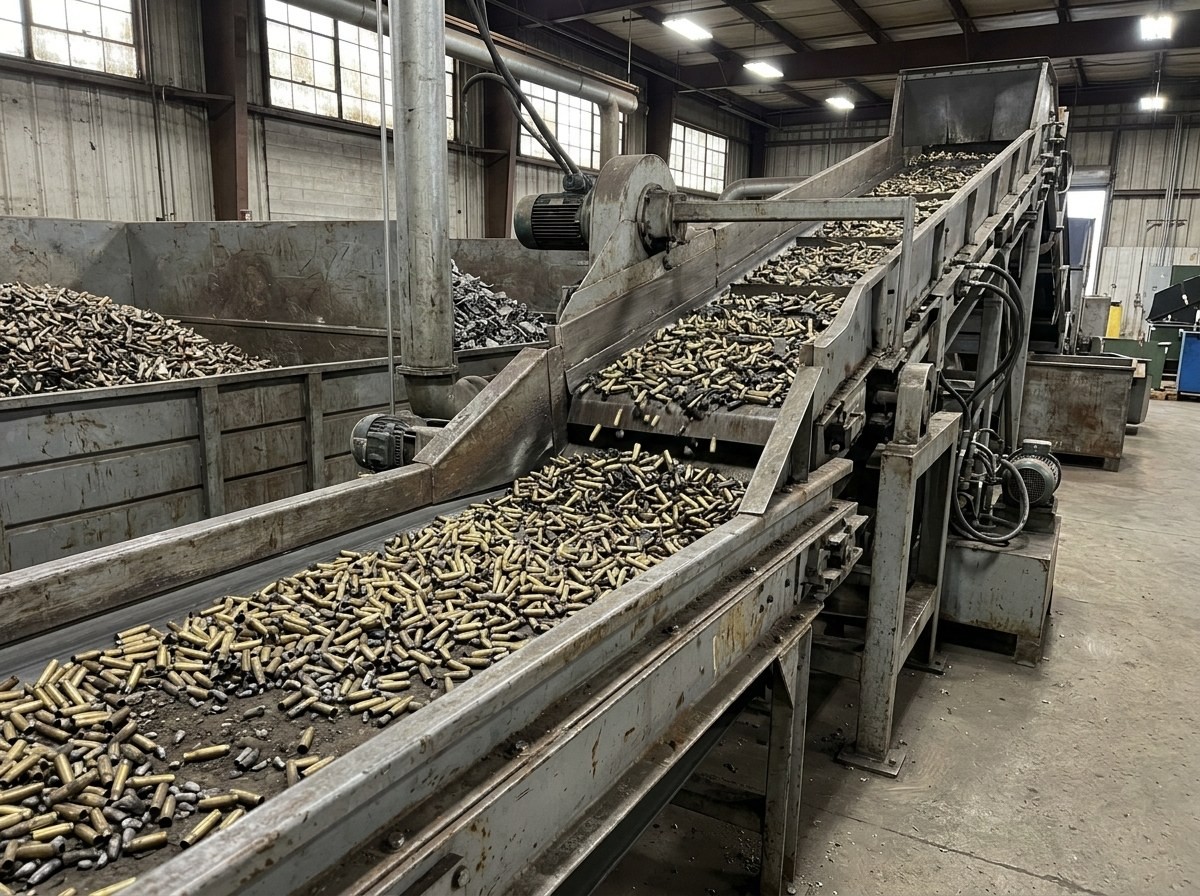
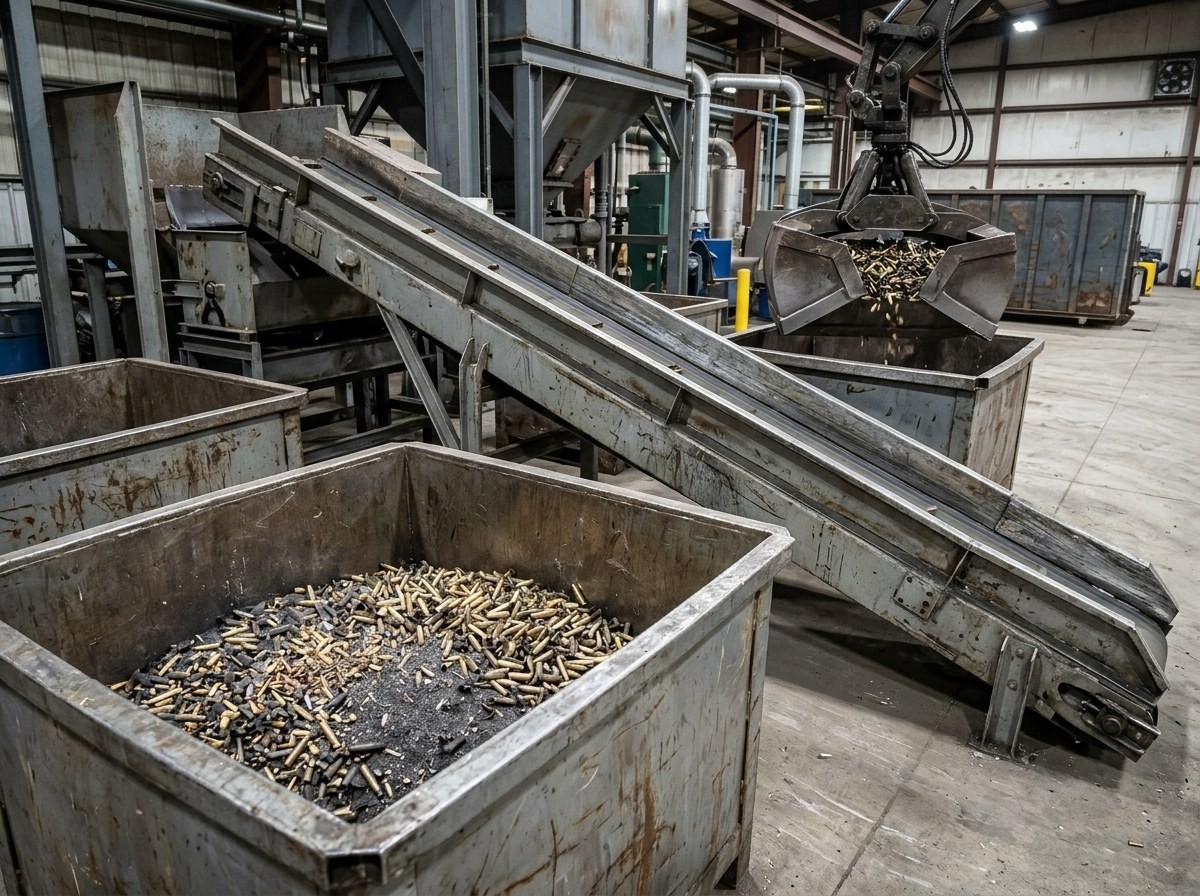
Gun range scrap recycling recovers usable metals from spent casings, recovered bullets, and other approved range materials. Interco buys and processes these materials so their metal content can return to manufacturing rather than remain in storage. Interco's services support ranges, gun stores, and ammunition manufacturers managing accumulated scrap.
A useful recycling plan starts with identifying what you have. Empty brass casings differ from recovered lead, and mixed loads need a clear description before shipment. Tell Interco about the material's source, estimated weight, condition, and packaging so Interco can discuss an appropriate next step.
Interco's gun range scrap recycling services include processing brass shells and range lead. Whether you are planning a scheduled cleanout or reviewing an existing stockpile, request a quote before arranging transportation.
What should you know about recycling brass shell casings?
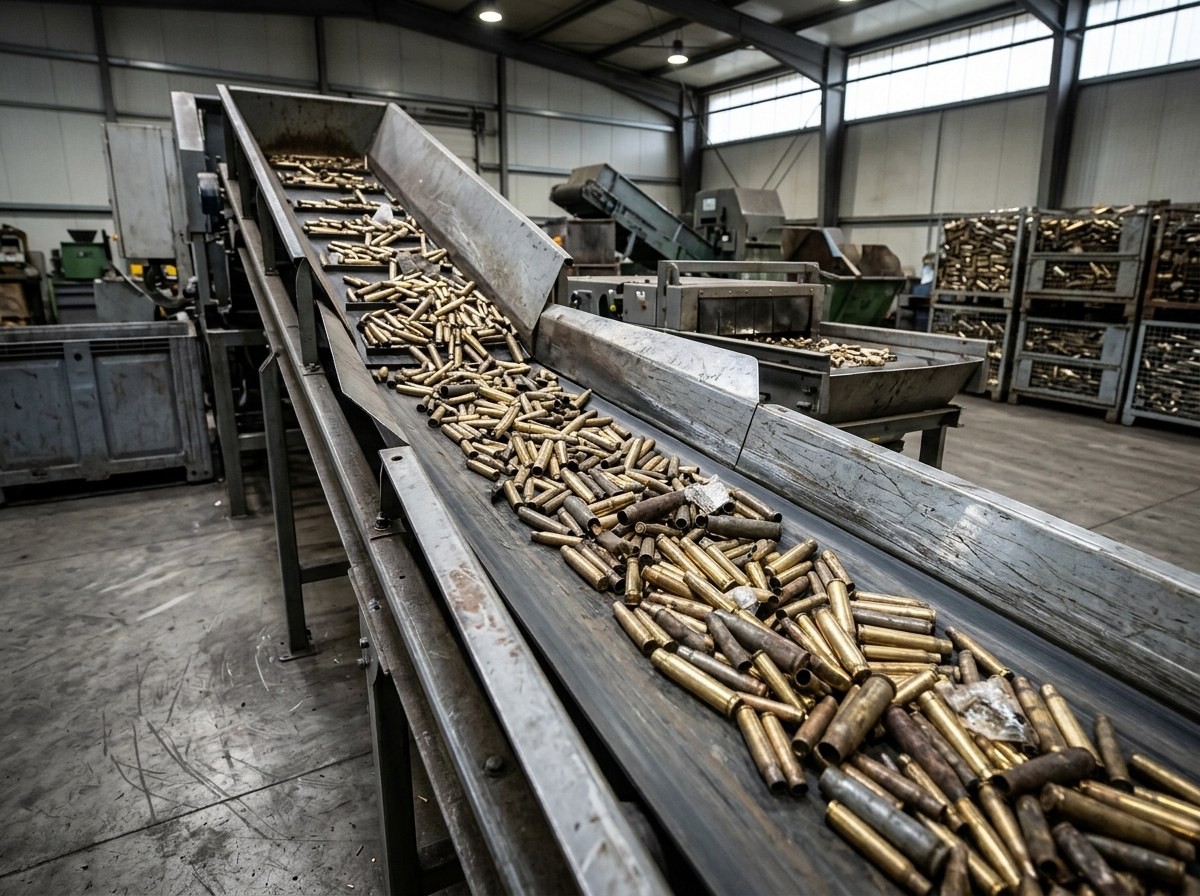
Recycling brass shell casings starts with identifying the metal and confirming that the material is suitable for acceptance. Interco purchases scrap brass casings and processes them for further metal recovery. Describe mixed metals, coatings, dirt, and other material when requesting your quote rather than assuming every casing belongs in the same category.
Keep these distinctions in mind when describing your inventory:
- Brass casings: identify the source and whether the load contains other metals.
- Mixed casings: disclose steel, aluminum, or unidentified pieces before shipment.
- Material condition: note dirt, moisture, packaging debris, and any uncertain contents.
Interco's approach to recycling brass shell casings emphasizes material identification and processing. Clear information helps Interco evaluate the lot without treating gross shipment weight as though it were entirely recoverable brass.
Why should recycling range lead be part of your maintenance plan?
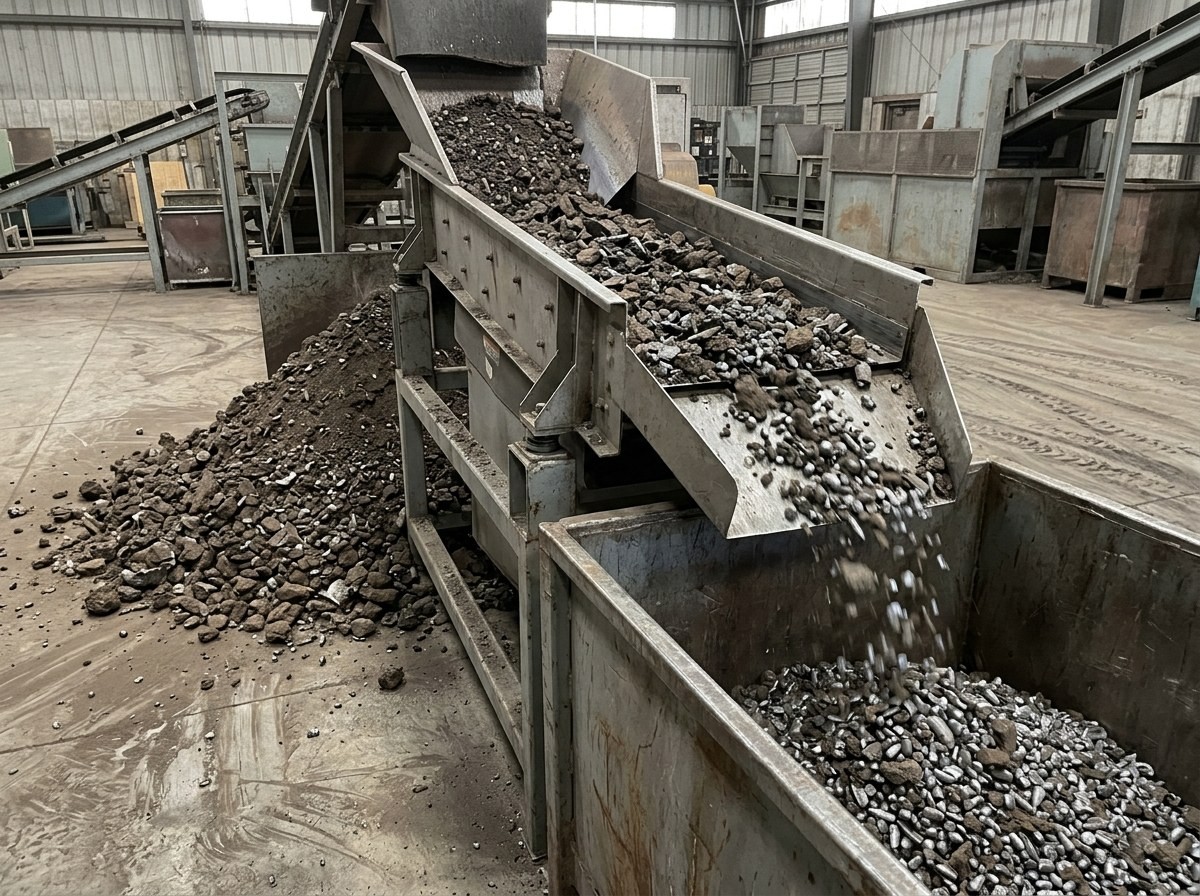
Recycling range lead gives recovered bullets and shot a destination within a broader range maintenance program. Interco recycles range lead, but planning should begin before material is collected or shipped. Discuss the recovered metal's condition, its source, and any remaining soil or other debris with Interco's team.
The United States Environmental Protection Agency includes the instruction, Remove the lead from the range and recycle, in its June 2005 outdoor shooting range management manual. The guidance places recycling alongside containment, prevention of lead movement, and recordkeeping, rather than presenting it as a complete maintenance solution.
For your quote, distinguish recovered metal from unprocessed soil or mixed cleanup material. Do not assume every material removed during maintenance qualifies for the same recycling service or shipment arrangement.
Why does careful handling matter before scrap leaves your range?
Careful handling matters because range cleanup can involve lead exposure as well as uncertainty about ammunition-related materials. Recycling arrangements should complement your established worker protection and maintenance procedures, not replace them. Identify questionable contents before including them in a proposed scrap shipment.
The Centers for Disease Control and Prevention reported that, during 2002-2012, United States surveillance identified 2,673 people with blood lead levels of at least 10 micrograms per deciliter likely attributable to non-work-related target shooting. This historical surveillance finding is not a current national prevalence estimate; see the agency's 2014 firing range lead exposure report.
When discussing gun range scrap with Interco, disclose dust, residues, and uncertain items. Arrange qualified evaluation where needed, and confirm acceptance requirements before packing or scheduling freight.
How should you prepare casings and artillery shells for review?
Prepare casings and artillery shells for review by documenting their identity and condition before arranging any shipment. A description such as "spent shells" does not give Interco enough information to evaluate every load. Identify larger items separately, and never assume artillery shells qualify for the same acceptance process as ordinary empty cartridge casings.
- Record the material's source, estimated quantity, and known metal types.
- Describe whether the lot contains empty casings, recovered projectiles, or unidentified items.
- Disclose any uncertainty about remaining energetic components or previous inspection.
- Request acceptance and packaging instructions before scheduling transportation.
Do not attempt to make questionable ammunition safe yourself. Interco's quote discussion should establish what material is being proposed, what information remains missing, and whether further evaluation is needed before recycling arrangements can proceed.
Can you arrange shipping throughout the contiguous United States?
Interco is able to ship anywhere in the contiguous United States, with a great logistics team supporting freight coordination. For gun range scrap, transportation planning begins with approved material details, shipment size, packaging, and access at your location. Discuss these requirements before committing to a pickup date.
Tell Interco whether your site has a loading dock, available loading equipment, restricted access, or limited receiving and shipping hours. Include the number of containers and their estimated weights. These details give the logistics team a practical starting point for discussing the movement.
A recurring scrap program also benefits from advance notice. Share your expected accumulation pattern and maintenance schedule so Interco can discuss transportation alongside material acceptance. Shipping arrangements should match the actual load rather than rely on assumptions from an earlier shipment.
How does Interco's proprietary ERP support recycling records?
Interco's proprietary enterprise resource planning (ERP) system supports the organization of material information across Interco's recycling operations. For brass processing, it tracks classifications, weights, processing steps, and settlement information. This connects operational records with the commercial details involved in buying and recycling scrap.
For your range, clear descriptions remain important even when software supports the workflow. Identify each proposed material consistently, distinguish brass from recovered lead, and flag differences between separate lots. Accurate information at the start gives Interco's team a better basis for reviewing shipment details and answering questions.
Ask which records apply to your transaction when requesting a quote. If your organization needs particular weight information or supporting documentation, raise that requirement early so expectations are discussed before the material moves through the recycling process.
What information should you provide to request a quote?
Request a quote by providing a clear description of your gun range scrap, its estimated weight, and its location. Photos can help explain the lot, but also describe any contents that are difficult to identify visually. Let Interco know whether you need a one-time shipment or are exploring an ongoing recycling arrangement.
- Material details: identify brass casings, recovered range lead, mixed metals, or artillery shells requiring separate review.
- Load details: provide estimated weights, container counts, packaging descriptions, and known contamination.
- Scheduling details: include your location, loading capabilities, operating hours, and preferred shipment timing.
Interco can then discuss acceptance, processing, and logistics based on the information available. Start the conversation before combining uncertain materials or booking freight, and ask Interco to quote the specific scrap you have ready.