Recycling CPUs
How does recycling CPUs work for your company?
Interco buys central processing units (CPUs) for recycling as part of our electronics recycling services. Whether your company is replacing computers, clearing surplus inventory, or collecting components from repair work, we can review your material and discuss the next steps.
Start by telling us whether you have loose processors, processors attached to circuit boards, or complete computers. That distinction helps us understand the shipment before discussing preparation and transportation. Our electronic scrap recycling services cover components and whole equipment, so describe everything included in your proposed load.
You do not need to guess at a processor's metal content before contacting us. Share photographs, available model information, and an estimated quantity. Interco uses that information to begin evaluating your CPU recycling project and identify questions that need answering before shipment.
Why should businesses recycle retired computer equipment?
Recycling retired computer equipment helps conserve materials that would otherwise be discarded. The United States Environmental Protection Agency states, "Electronic products are made from valuable resources and materials," in its electronics donation and recycling guidance.
The same guidance reports a 2006 United States Geological Survey estimate: recycling one million laptops saves energy equivalent to the annual electricity consumption of more than 3,500 United States homes. This is a whole-laptop estimate, not a measurement for individual processors; see the agency's published laptop recycling energy comparison.
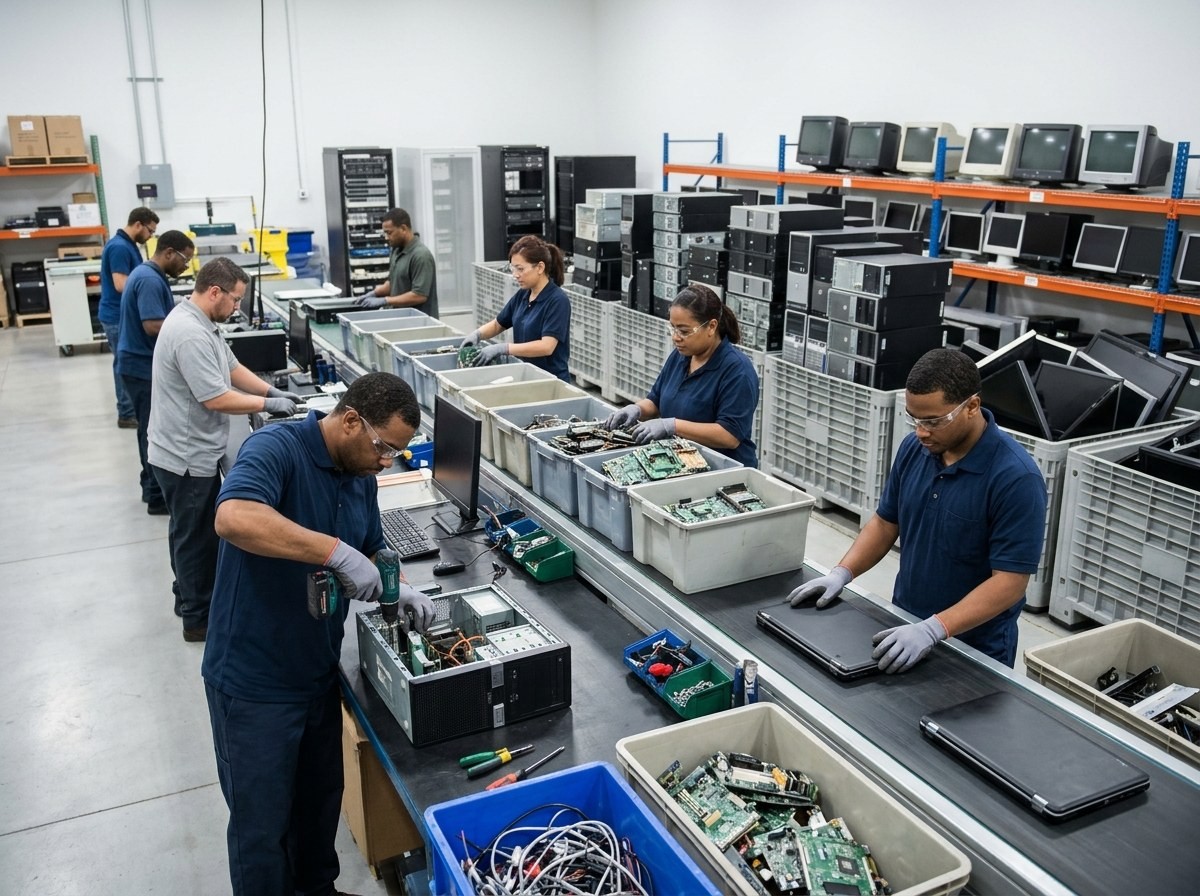
For your business, the practical starting point is a clear inventory. Identify equipment that remains useful, separate items designated for retirement, and arrange an appropriate recycling route. Recycling CPUs should fit into that broader equipment retirement plan rather than happen as an undocumented cleanout.
What information helps Interco identify your CPU material?
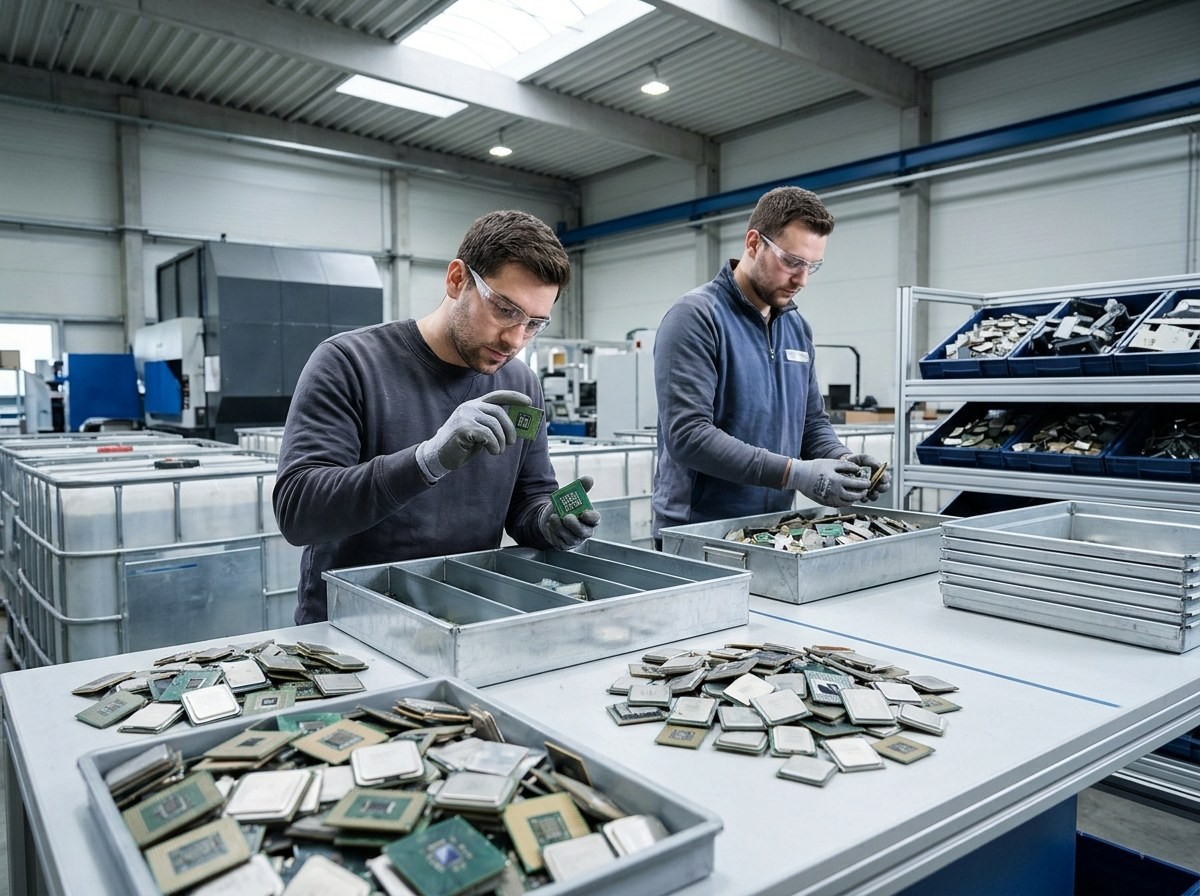
A description of how your processors are supplied helps Interco assess the proposed shipment. Use photographs and plain descriptions rather than assigning an unfamiliar scrap grade yourself. Include readable markings when possible, and explain whether the material comes from one equipment replacement project or several sources.
- Attached processors: Explain whether processors remain on circuit boards or inside complete computers.
- Loose processors: Provide an approximate count or weight and photographs showing the different types present.
- Mixed electronics: Identify other components packed with the processors, including boards, cables, or complete devices.
These categories describe your material; they are not a price schedule or acceptance guarantee. Before recycling CPUs, ask us to confirm the proposed contents and preparation requirements. That conversation helps prevent misunderstandings about what will arrive and how the shipment should be described.
What is the best way to recycle CPUs from a business?
The best way to recycle CPUs is to confirm the material, handling requirements, and commercial terms before sending a shipment. A little preparation gives both teams a clearer picture of the project and reduces avoidable questions during receiving.
- Build an inventory: Record estimated quantities, available model details, and whether equipment is complete or dismantled.
- Send photographs: Show representative processors, mixed contents, and the containers you intend to use.
- Ask us about sorting, packaging, shipment descriptions, and any additional items requiring separate instructions.
- Agree on transportation: Confirm shipment arrangements and the documentation needed before dispatch.
Keep a copy of the information you provide. If the contents change while your team prepares the load, tell us before shipping. An updated inventory is more useful than an estimate that no longer matches the material.
Is Interco R2 certified and approved for Appendix B?
Yes, Interco is a Responsible Recycling (R2) certified company, approved for Appendix B at our Edwardsville, Illinois electronics recycling facility. This facility-specific scope matters when your CPU recycling shipment includes complete computers or other equipment containing stored information.
Appendix B addresses data sanitization: removing or destroying stored information so it cannot be recovered. Sustainable Electronics Recycling International explains the requirements in its Appendix B data sanitization guidance.
Tell us whether your shipment includes storage devices and what documentation your organization requires. Do not assume that recycling processors alone addresses information stored elsewhere in a computer. Confirm the handling instructions and applicable services with us before dispatch so your equipment retirement plan accounts for both material recovery and data protection.
What determines the value of CPUs offered for recycling?
The value of CPUs offered for recycling depends on the material and its market, so a useful quote starts with identification rather than a universal price. Model details, condition, quantity, and whether processors arrive alone or within equipment all help frame the evaluation.
Working equipment also deserves a separate discussion before it is designated as scrap. Our information about information technology asset remarketing explains why equipment condition, configuration, and current market value matter when reviewing retired assets.
Do not assume that every processor has the same recoverable value or that an advertised figure applies to your shipment. Request terms for your actual material. Ask how the material will be classified, what weight basis applies, and how transportation affects the transaction. Clear expectations are more useful than an unsupported payout estimate.
Where can your company start a CPU recycling quote?
Your company can start a CPU recycling quote with us by sharing a description of the material and its location. If you are deciding where to recycle CPUs, focus first on getting your own shipment details ready for review.
- Material: Describe loose processors, attached components, complete computers, and any accompanying electronics.
- Quantity: Provide an estimated count or weight and explain how the material is packaged.
- Location: Identify the shipping city, loading access, and any collection timing requirements.
- Records: Explain purchasing requirements and the transaction documents your company needs.
Include photographs and flag any details that remain uncertain. We can then discuss the proposed shipment, preparation, logistics, and commercial terms. Request a quote for recycling CPUs and give your team a clear next step for moving retired processors out of storage.
Can Interco arrange shipping throughout the contiguous United States?
Yes, Interco is able to ship anywhere in the contiguous United States, with arrangements confirmed for each project. Our great logistics team supports that reach by coordinating material movement, shipment documentation, and the details needed to plan transportation.
Our domestic freight coordination services include managing packing lists, scale tickets, and other shipment records. For your CPU recycling project, discuss the location, shipment size, packaging, and loading arrangements before selecting a transportation plan.
Tell us whether your site has a loading dock, what equipment is available, and when staff can assist with loading. Also identify appointment requirements or access restrictions. These details help our logistics team plan around actual site conditions. Confirm scheduling and freight terms with us before releasing material, rather than assuming that a proposed date or transportation cost has been approved.
How does Interco's proprietary ERP support CPU recycling?
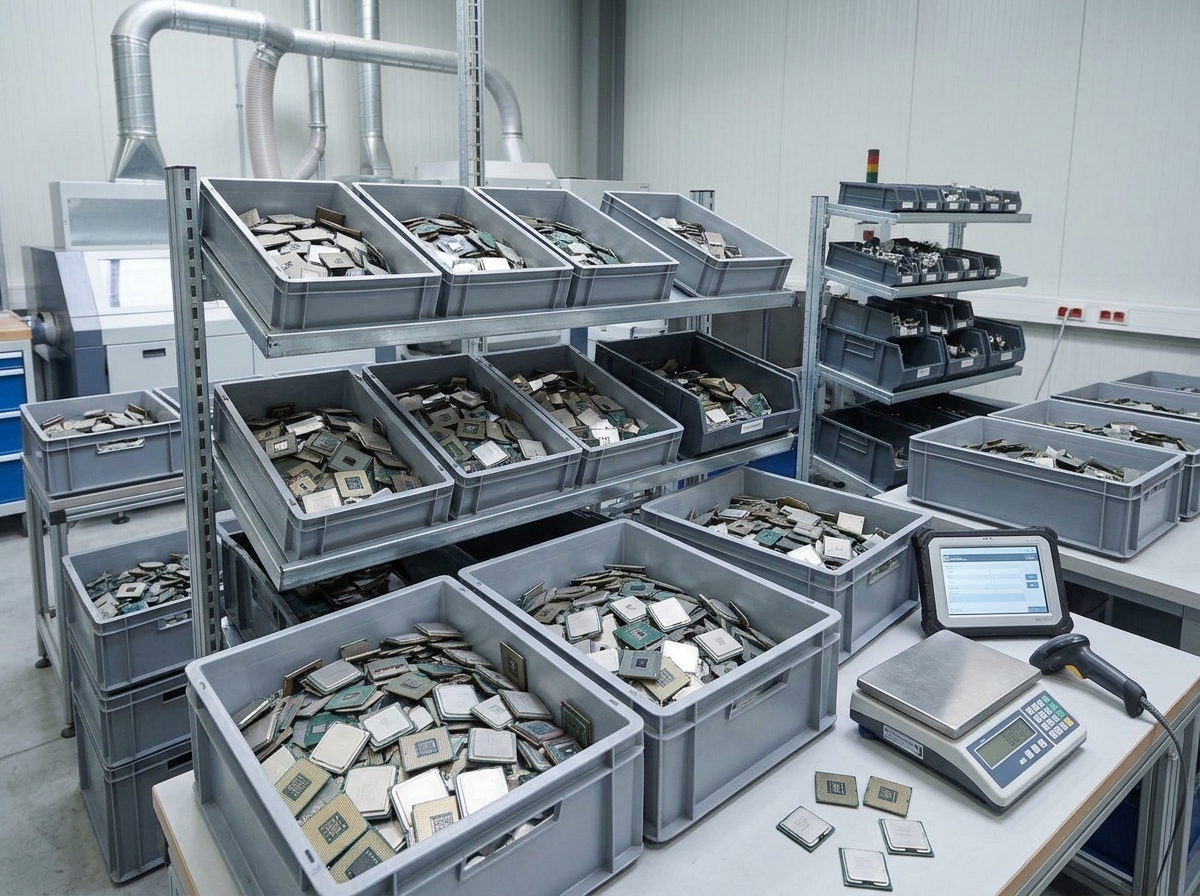
Interco's proprietary enterprise resource planning (ERP) platform records shipment information throughout the recycling workflow. It captures inbound weights, material classifications, processing stages, compliance checkpoints, and financial settlements. In plain language, it connects operational records with the business details of a shipment.
This technology supports our electronics recycling operations and shipment documentation, helping our team maintain a consistent record as material moves through different stages. For companies recycling CPUs alongside other electronics, clear material descriptions are especially useful.
Before shipping, tell us what records your organization needs for purchasing, accounting, or internal review. Ask which documents are available for your specific transaction and how material categories will be reported. Establishing those expectations early helps your staff understand the paperwork without assuming that every project includes the same reporting package.