Recycle Laptops
Why should your company recycle laptops?
Recycling old laptops helps your company recover useful materials and clear retired equipment from storage. Interco buys and processes computer scrap, helping organizations move unwanted devices into an organized recycling process. Start by identifying the laptops you no longer need and sharing the quantity, condition, and location with our team.
The environmental benefit extends beyond freeing up office space. According to a 2006 United States Geological Survey estimate reported in the Environmental Protection Agency's electronics recycling guidance, recycling one million laptops saves energy equivalent to the electricity used by more than 3,500 United States homes in one year. This is an industry estimate, not a measured result for an individual shipment. For your business, the practical starting point is a clear inventory and a recycling plan that addresses materials, data, and transportation.
How do you prepare a laptop for recycling?
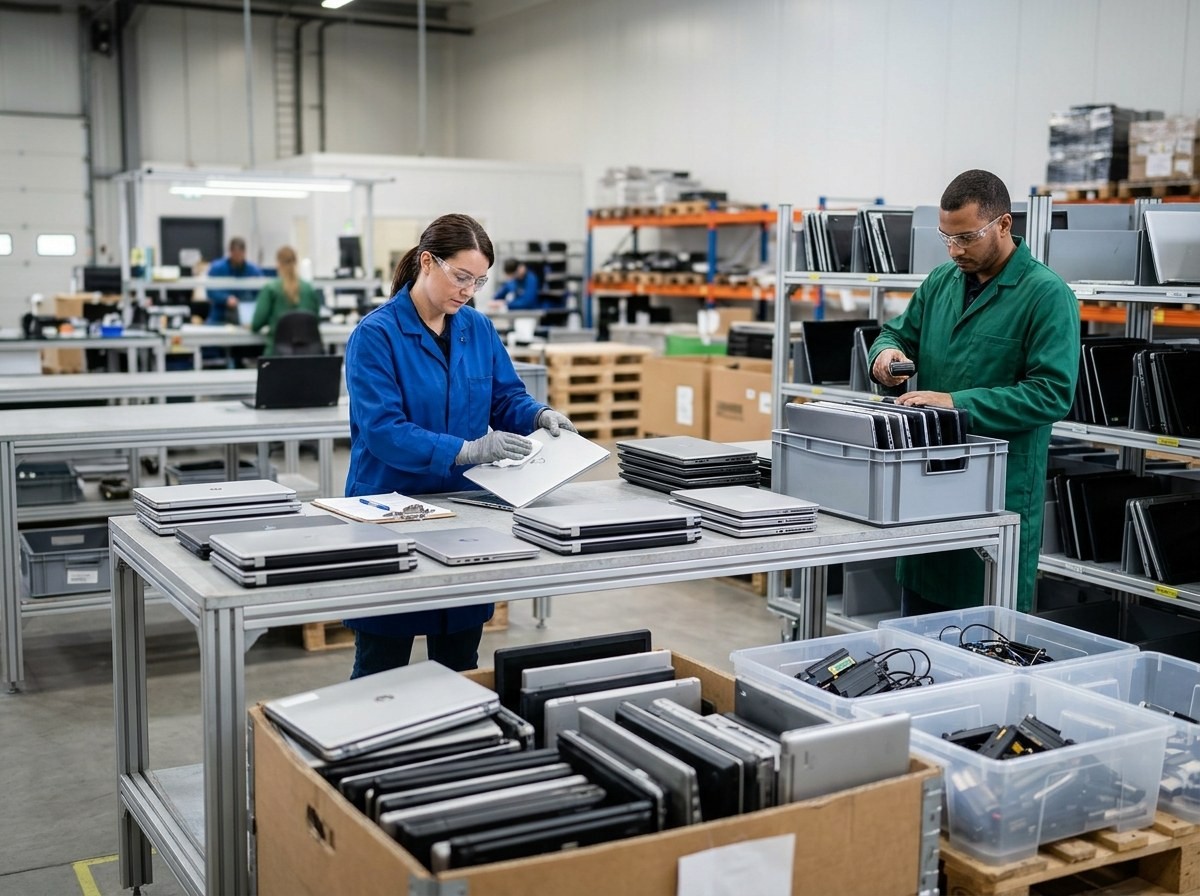
Learning how to recycle a laptop starts with identifying the equipment, addressing stored information, and confirming shipping instructions before anything leaves your site. Assign one person to coordinate the project so your inventory, internal approvals, and shipment details stay together.
- Count the laptops and record available make, model, and condition details.
- Back up required files and have your technology team address stored data.
- Identify installed batteries, loose batteries, and any visibly damaged devices.
- Send us the inventory, collection location, and photographs when available.
- Confirm the quote, packaging requirements, and transportation arrangements before dispatch.
Keep equipment awaiting review separate from devices approved for release. The federal recommendations for preparing used electronics also advise considering upgrades before replacement. If a laptop still meets your needs, extending its useful life may be worth evaluating before recycling.
What should you do about laptop batteries?
Identify battery conditions before arranging laptop recycling, and tell us about swollen, damaged, or loose batteries before shipment. Battery information belongs in the initial project discussion, not on a note discovered after a load arrives.
The Environmental Protection Agency's used lithium-ion battery guidance explains that batteries can create fire hazards when crushed or damaged. It also states that lithium-ion batteries and devices containing them do not belong in household garbage or municipal recycling bins. Not every laptop battery is designed for removal by the user.
Do not force open a laptop or attempt to remove a damaged battery yourself. Follow manufacturer instructions and obtain appropriate handling guidance. Before you recycle laptop computers in bulk, confirm the battery inventory and shipping requirements with our team. Packaging decisions must account for the actual equipment and battery condition.
What happens to laptops during material recovery?
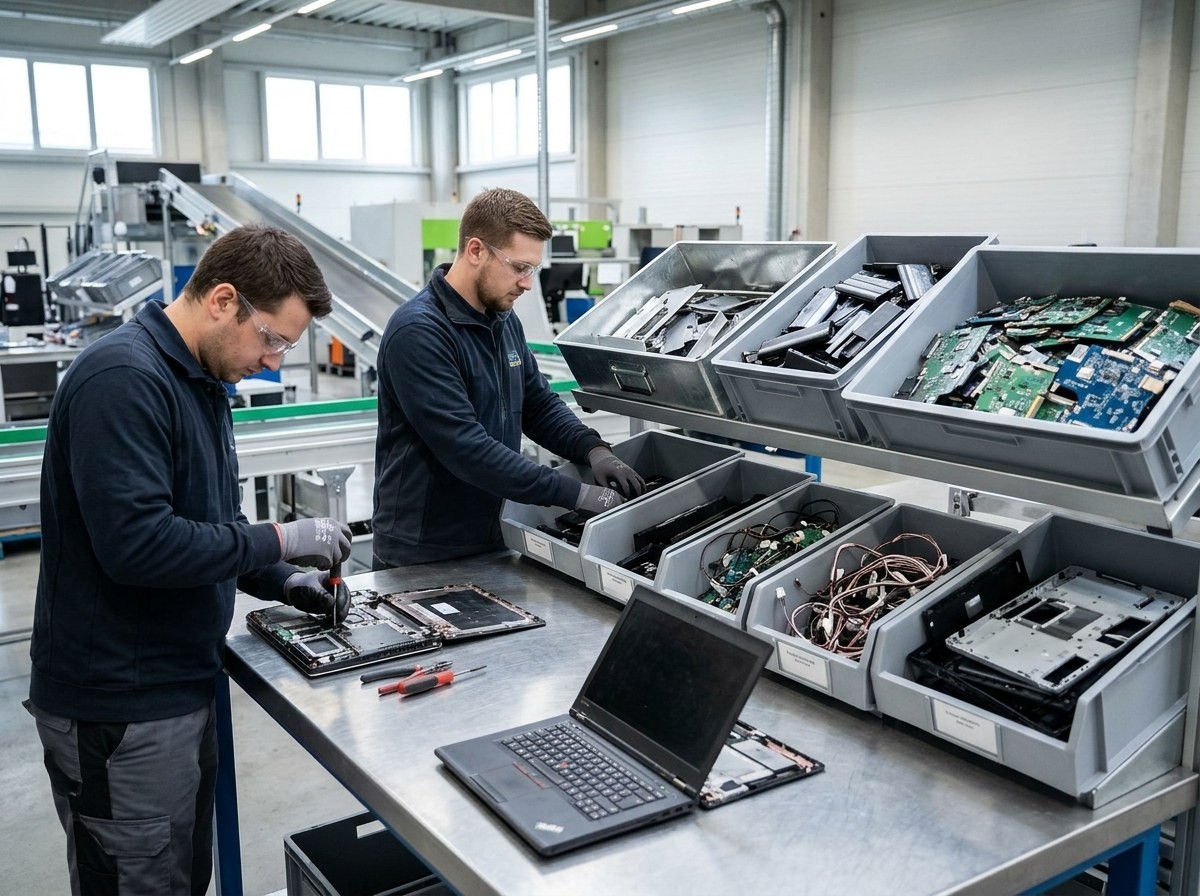
Laptop material recovery separates equipment into material groups that need different processing paths. Our electronics scrap recycling services cover whole devices and components, allowing us to evaluate the material you have rather than treating every load as identical. Intake review comes before processing decisions.
- Batteries require identification and handling appropriate to their chemistry and condition.
- Circuit boards contain electronic components and potentially recoverable metals.
- Metals are separated into categories for further recovery.
- Plastics follow a different processing path from metal-bearing components.
- Wiring is separated from other parts during controlled dismantling.
This separation helps match materials with appropriate processing requirements. Please describe whether your shipment contains complete laptops, stripped housings, loose boards, or mixed computer scrap. That distinction helps us understand the load and discuss an appropriate scope before transportation is arranged.
Is Interco certified for laptop recycling and Appendix B?
Interco is a Responsible Recycling (R2) certified company, approved for Appendix B, which addresses data sanitization. Data sanitization means making stored information unrecoverable through an appropriate process, rather than simply removing files from view.
According to Sustainable Electronics Recycling International's Appendix B guidance, this part of the standard covers software-based data sanitization and enhanced physical sanitization, with additional tracking, verification, and quality controls. These requirements help explain why data-bearing laptops need an agreed handling plan.
Before releasing equipment, tell us what information it contains and what documentation your organization requires. Ask us to confirm the applicable method and service scope for your laptops. Certification does not replace that discussion: your project requirements, device types, and agreed records still need to be established before shipment.
How should your company address data and remaining equipment value?
Your company should establish its data requirements and identify potentially reusable equipment before releasing retired laptops. Recycling materials and protecting information are related tasks, but one does not automatically complete the other. Keep your technology or security team involved in the release decision.
The Environmental Protection Agency advises, Delete all personal information from your electronics. Its used-electronics preparation guidance places this step before donation or recycling. Discuss the required data-handling method and documentation with us before shipment rather than assuming that ordinary file deletion satisfies your organization's policy.
Equipment condition also affects the commercial review. Our information about technology asset remarketing and equipment valuation explains why age, model, configuration, condition, and market demand matter. Share those details so we can evaluate your material without promising a resale outcome or a fixed return.
Where can you recycle your old laptops and request a quote?
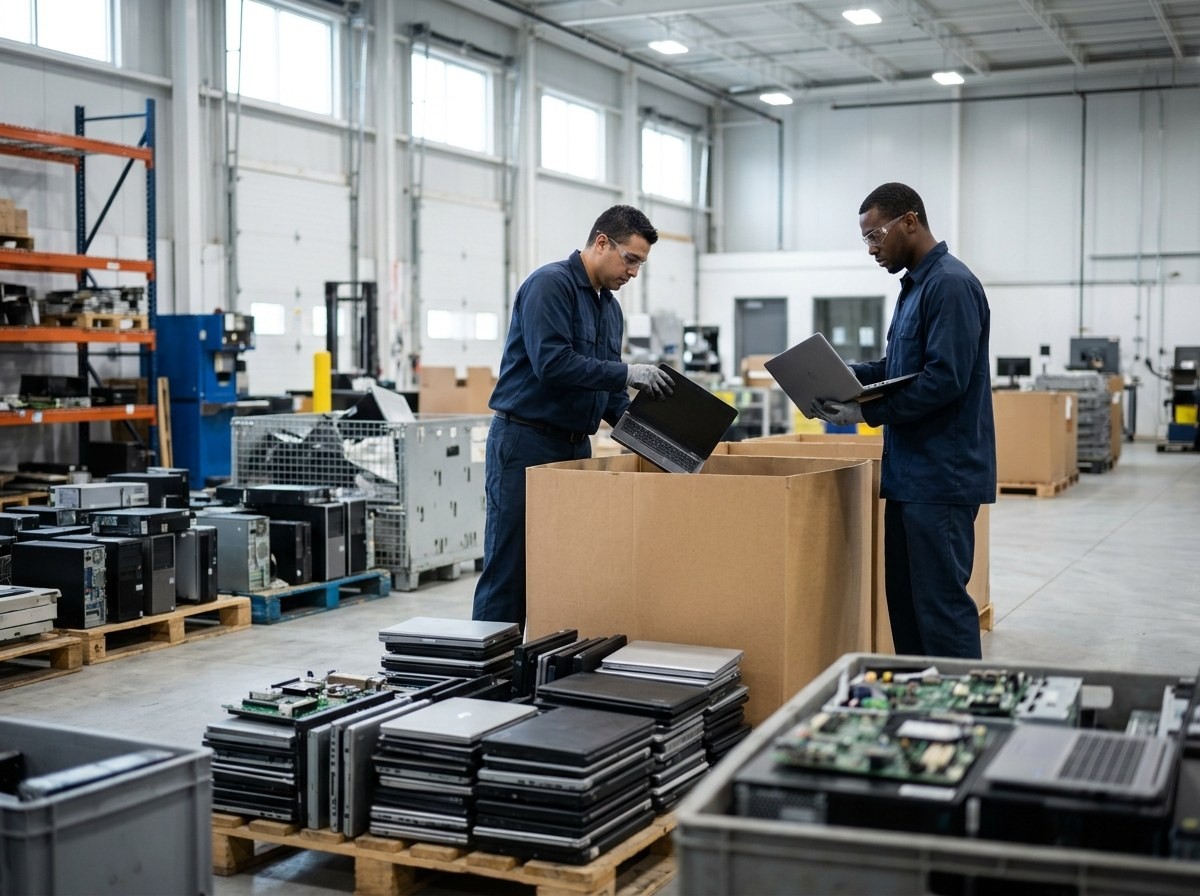
You can start with our team by requesting a quote for your company's retired laptops. If you are asking, "where to recycle my old laptop," tell us whether you have one device or a larger business collection so we can assess the scope instead of assuming every inquiry involves the same service.
- Equipment: Give the approximate laptop count, makes, models, and condition.
- Location: Identify the collection site and describe loading access.
- Batteries: Note installed batteries, loose batteries, and visible damage.
- Requirements: Explain data concerns, documentation needs, and your preferred schedule.
Include photographs and an inventory if you have them. Ask us to confirm acceptance, transportation, and any charges or material value during the quote review. Whether you need to recycle laptop computers after an office upgrade or clear accumulated equipment, request a quote before preparing the final shipment.
Can Interco arrange laptop shipments across the contiguous United States?
Yes, Interco is able to arrange shipments anywhere in the contiguous United States through our logistics operation. Our experienced logistics team coordinates transportation details with receiving and processing needs, helping turn a collection of retired equipment into a planned shipment.
Our domestic freight coordination services include managing load arrangements and shipment documentation. For your laptop project, start by sharing the collection address, approximate quantity, packaging status, and available loading equipment. Mention stairs, limited access, appointment requirements, or other collection constraints during the initial discussion.
A great logistics team needs accurate information to plan effectively. Confirm whether devices are loose, boxed, or palletized, and identify batteries or damaged equipment before booking transportation. We can then discuss suitable arrangements and the information needed for dispatch. Do not send equipment until the shipment details and receiving arrangements have been confirmed.
How does Interco's proprietary ERP support laptop recycling?
Interco's proprietary enterprise resource planning (ERP) platform records shipment information across receiving, processing, and settlement. In plain language, it provides a shared operational record rather than leaving important load details scattered across separate conversations.
Within our integrated electronics recycling operation, the ERP platform captures inbound weights, material classifications, processing stages, compliance checkpoints, and financial settlements. These records connect the physical movement of material with the administrative work needed to manage it.
For customers recycling old laptops, the useful question is which records their project requires. Tell us before shipment if your purchasing, accounting, or environmental team needs particular documentation. Discuss any device-level inventory requirements separately; shipment tracking should not be assumed to include a serial-number record for every laptop. Defining expectations early helps keep the agreed service scope clear throughout the project.