
Recycling Component Peripheral Scrap
What does recycling component peripheral scrap include?
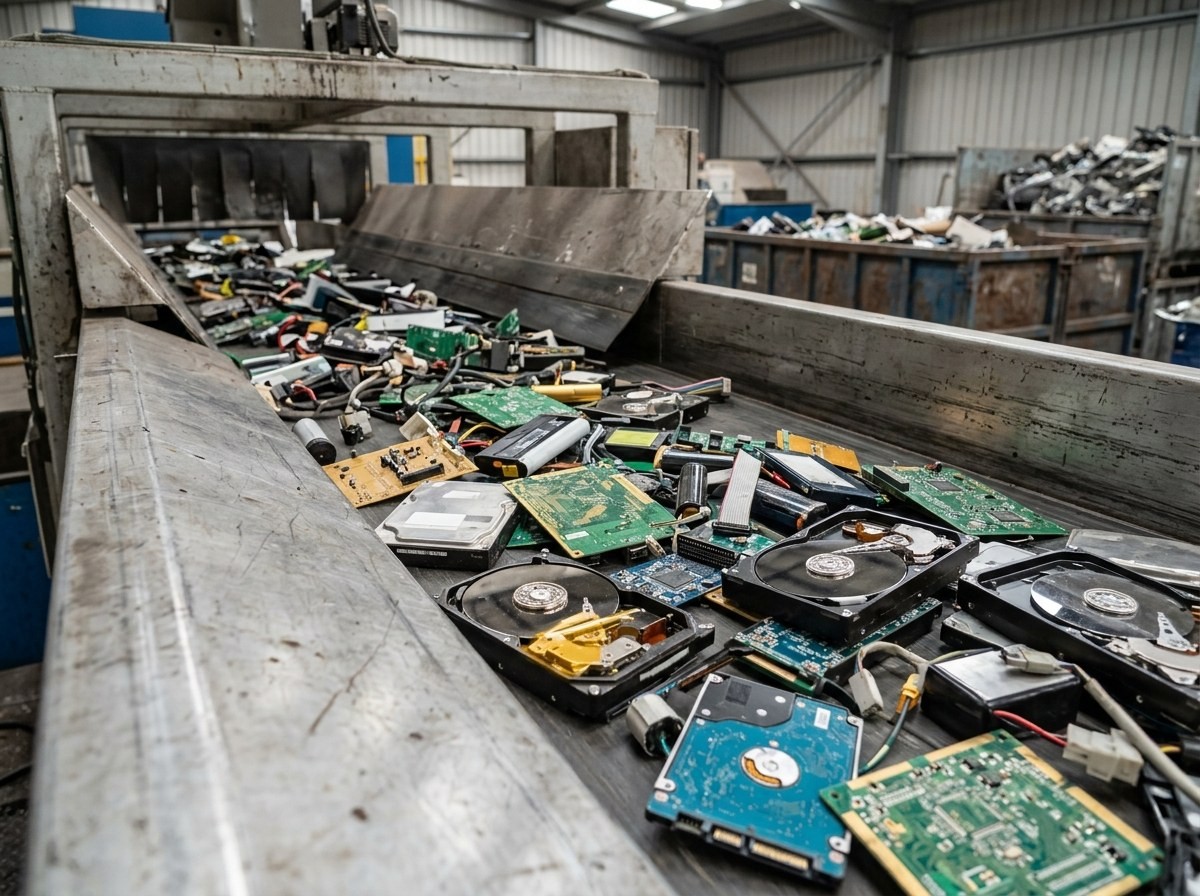
Recycling component peripheral scrap includes recovering materials from retired computer parts, accessories, and electronic equipment. Interco buys and processes electronics scrap, helping businesses move discarded equipment into an organized recycling workflow. Your shipment may include circuit boards, hard drives, batteries, and other escrap components that need different handling methods.
The scale of electronics disposal makes careful recovery important. For the United States in 2018, the Environmental Protection Agency estimated that selected consumer electronics had a recycling rate of 38.5 percent, as reported in its consumer electronics recycling data. That historical figure covers a defined product category, not every electronic component.
Tell Interco what your business has accumulated, whether it comes from equipment replacement, repair work, or production. Interco can review the proposed material and discuss recycling, preparation, and transportation.
How does Interco handle circuit boards and other escrap components?
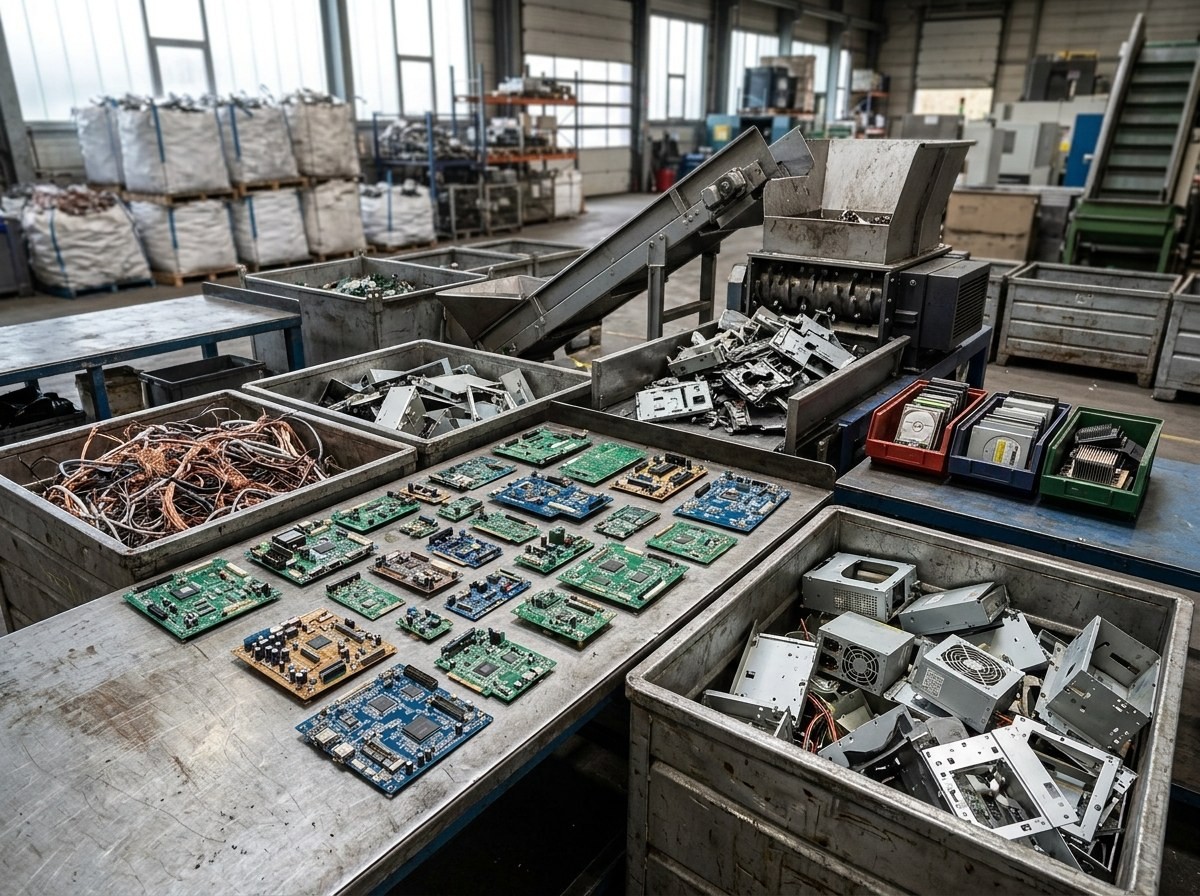
Interco evaluates electronics scrap and uses controlled dismantling and separation to prepare different materials for appropriate downstream processing. Circuit boards, wiring, power components, and metal housings do not all follow the same recovery path. Identifying what a shipment contains helps establish the right approach.
Interco's work with recycling printed circuit boards addresses an important part of component recovery. Boards can contain copper and precious metals, but their composition varies. Describe your material rather than assuming every board has the same value.
- Loose circuit boards: Provide photographs showing representative types and attached components.
- Computer parts: Identify processors, memory modules, power supplies, and other separated items.
- Complete equipment: Explain which components remain installed and whether batteries are present.
Keep unfamiliar items in your inventory so Interco can discuss them before shipment.
What should you tell Interco about batteries in peripheral scrap?
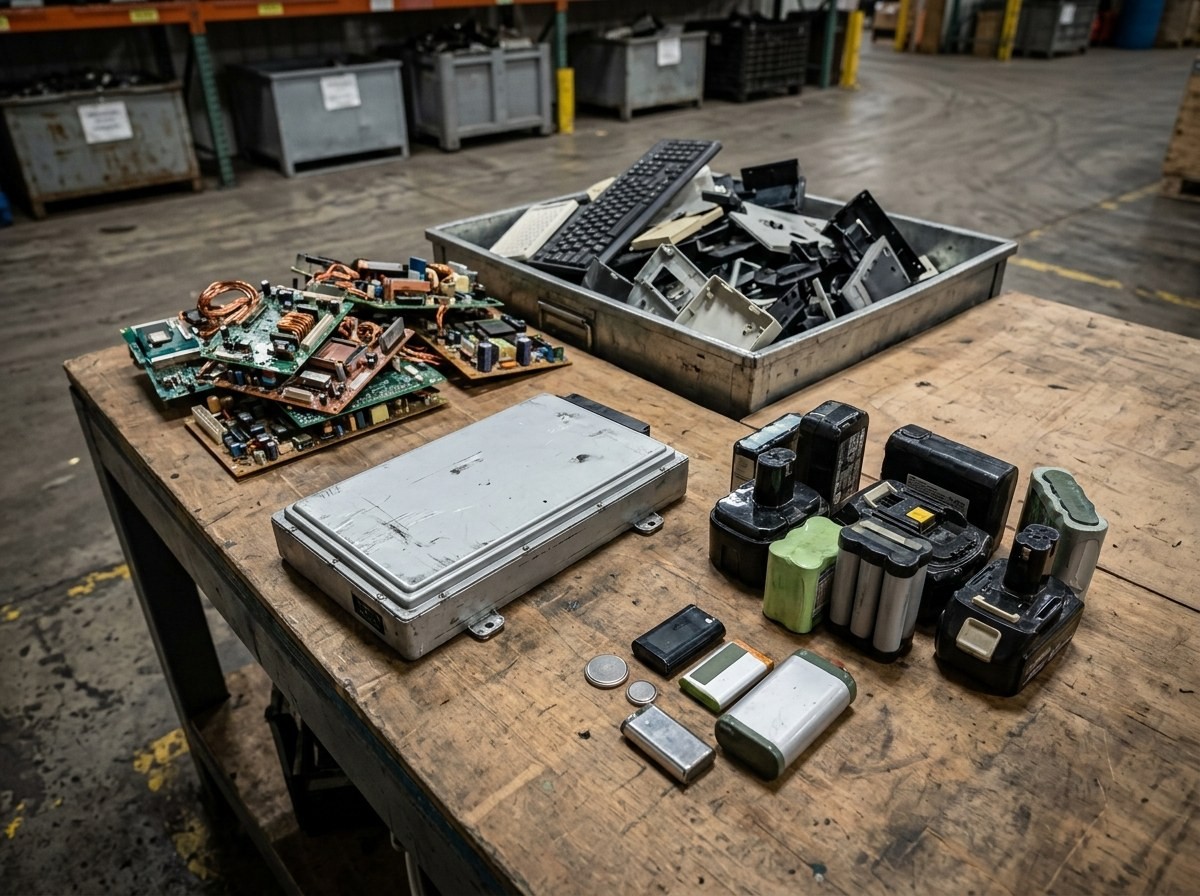
Tell Interco whether batteries are loose, installed inside equipment, or damaged before arranging a shipment. Battery chemistry and condition affect handling, packaging, and transportation planning. Do not treat a container of mixed electronic parts as though every item presents the same handling needs.
Interco recycles multiple battery chemistries, and Interco's overview of types of batteries that are recyclable explains common categories. For your quote, share available labels, model details, quantities, and photographs. Identify batteries separately from circuit boards and other escrap components in your material description.
Ask Interco to confirm preparation instructions before removing unfamiliar battery packs or changing existing packaging. Flag swelling, leakage, visible damage, or uncertain chemistry during the initial discussion. Accurate information gives Interco's team a better starting point for reviewing the shipment and its requirements.
How should your business prepare hard drives for recycling?
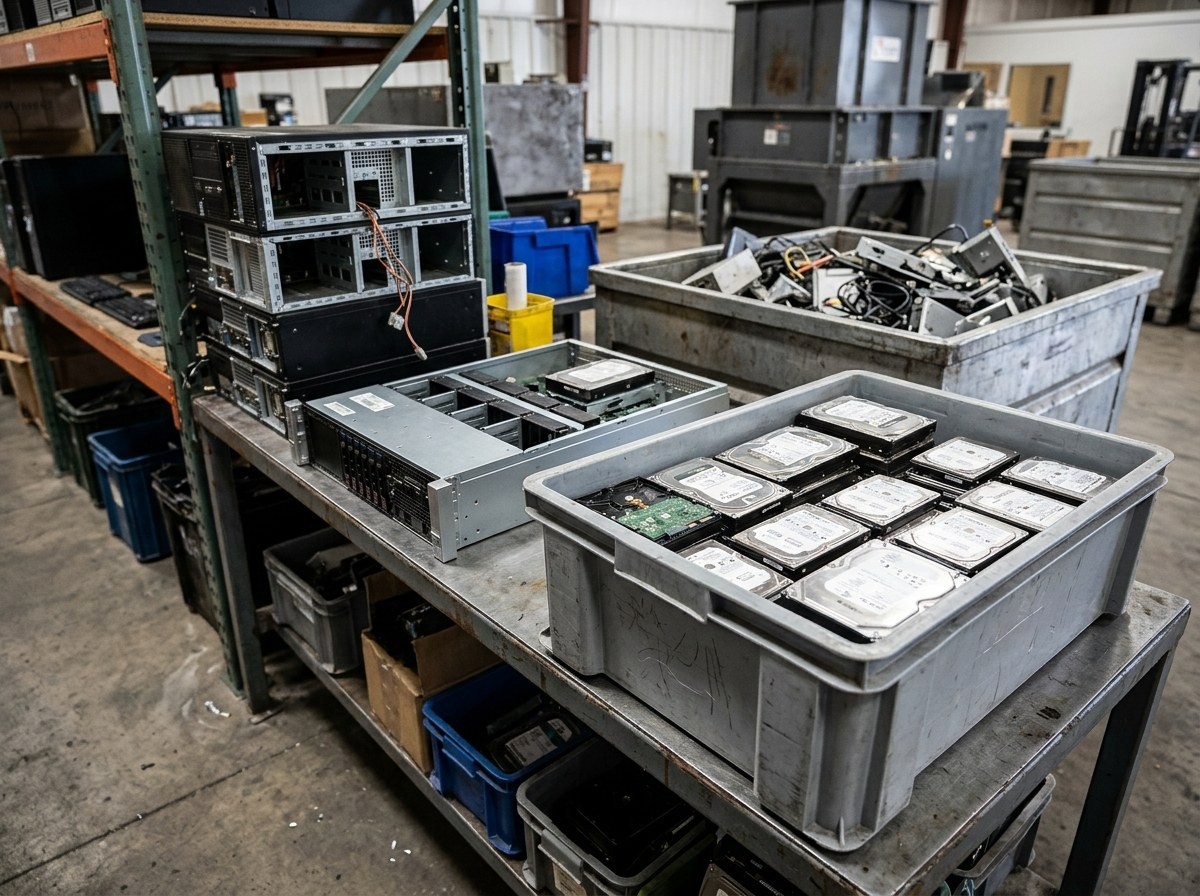
Your business should identify hard drives and agree on data-handling requirements before releasing equipment for recycling. A drive may contain stored information even when its computer no longer works. Material recovery and information protection therefore need separate attention within the same retirement project.
The United States Environmental Protection Agency advises, "Delete all personal information from your electronics." Its electronics donation and recycling guidance identifies data preparation as a step before recycling.
Have your authorized technology or security staff determine what treatment your organization requires. Tell Interco whether hard drives are loose, installed in computers, or included with servers. Explain any approval steps and documentation expectations before shipment. Do not assume that a general electronics recycling quote automatically includes a particular data-destruction method or device-level record.
Is Interco R2 certified and approved for Appendix B?
Yes, Interco is a Responsible Recycling (R2) certified company, approved for Appendix B at Interco's Edwardsville, Illinois electronics recycling facility. This certification is facility-specific, which matters when reviewing qualifications for a shipment containing hard drives or other equipment with stored information.
Appendix B addresses data sanitization, meaning the removal or destruction of stored information. For customers recycling component peripheral scrap, the practical first step is identifying which items contain data and discussing the services required for those items.
Tell Interco about your internal security policies, release approvals, and documentation needs during the quote review. Ask which handling methods and records apply to the agreed project. Certification provides an important qualification, but clear instructions still matter. Interco wants your team to understand the scope before equipment leaves your control.
How can you prepare a component scrap shipment?
You can prepare a component scrap shipment by building an inventory and confirming handling instructions with Interco before packing. Start with a useful description of the material rather than trying to assign unfamiliar scrap grades. Photographs can help explain a mixed collection.
- Record estimated quantities or weights for circuit boards, hard drives, batteries, and remaining equipment.
- Photograph representative contents, labels, containers, and any items needing special review.
- Identify data-containing devices and disclose damaged batteries or other unusual conditions.
- Confirm packaging, material descriptions, freight responsibilities, and required paperwork before dispatch.
Keep a copy of your inventory and update Interco if the contents change. Explain whether the shipment is a one-time cleanout or part of a recurring program. Consistent descriptions help both teams discuss the same material throughout planning and receiving.
Can Interco ship anywhere in the contiguous United States?
Yes, Interco is able to ship anywhere in the contiguous United States, with transportation arrangements confirmed for each project. Interco's great logistics team coordinates material movement and shipment paperwork as part of the recycling workflow. Practical site information helps turn a proposed shipment into a workable transportation plan.
- Access: Describe loading docks, vehicle restrictions, available equipment, and appointment requirements.
- Load details: Provide container counts, estimated weight, dimensions, and material descriptions.
- Timing: Share readiness dates, operating hours, and any deadline affecting collection.
Discuss battery content and packaging before scheduling transportation. A load of loose escrap components may require different arrangements from palletized computers or complete equipment. Confirm freight terms, loading responsibilities, and scheduling with Interco before releasing material so your staff knows what to expect.
How does Interco's proprietary ERP support your recycling project?
Interco's proprietary enterprise resource planning (ERP) platform connects shipment information with operational and financial records throughout the recycling workflow. It captures inbound weights, material classifications, processing stages, compliance checkpoints, and settlement information. In everyday terms, it helps Interco's teams work from a consistent shipment record.
Tell Interco which documents your purchasing, accounting, environmental, or security staff needs before work begins. Shipment-level tracking should not be confused with an automatic promise of individual serial-number records or a specific reporting package. Confirm those requirements during project review.
Request a quote for recycling component peripheral scrap with photographs, estimated quantities, material descriptions, and your shipping location. Identify batteries, circuit boards, hard drives, and other escrap components separately. Interco can then discuss the material, logistics, documentation, and commercial terms for your actual shipment.