
Demolition & Construction Scrap
How can Interco helps with demolition and construction scrap?
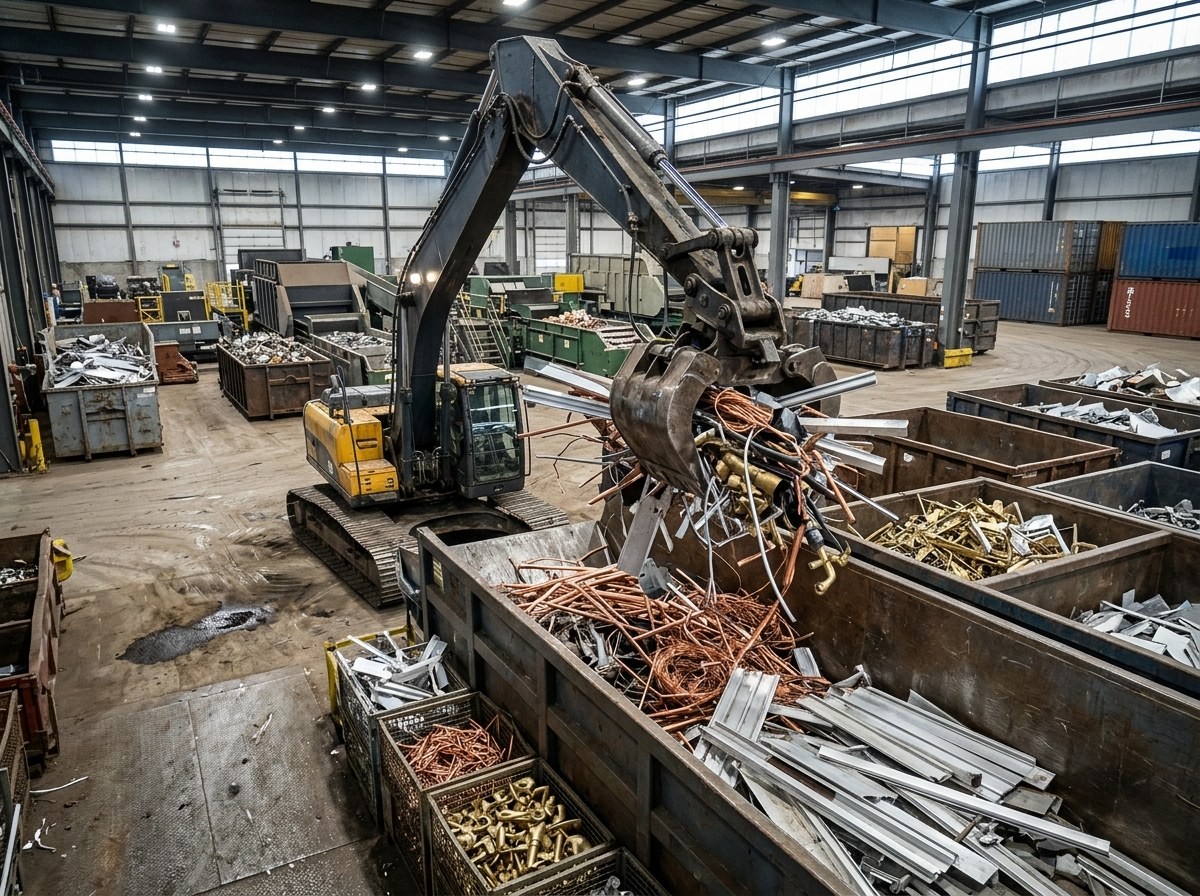
Interco buys and processes recoverable metal from demolition and construction projects, helping contractors turn scrap into material for further use. Interco's focus includes nonferrous scrap such as copper, brass, and aluminum, along with mixed metal materials that need sorting before processing.
The scale of the opportunity is substantial. The United States Environmental Protection Agency (EPA) estimates that the United States generated 600 million tons of construction and demolition debris in 2018, according to its construction and demolition materials overview. That historical estimate covers several debris categories, not just metals.
Tell Interco what your project produces, where the material is located, and when it will be ready. Interco can review the scrap and discuss purchasing, preparation, and transportation requirements before you arrange a shipment.
Which metals should you include in your recycling inquiry?
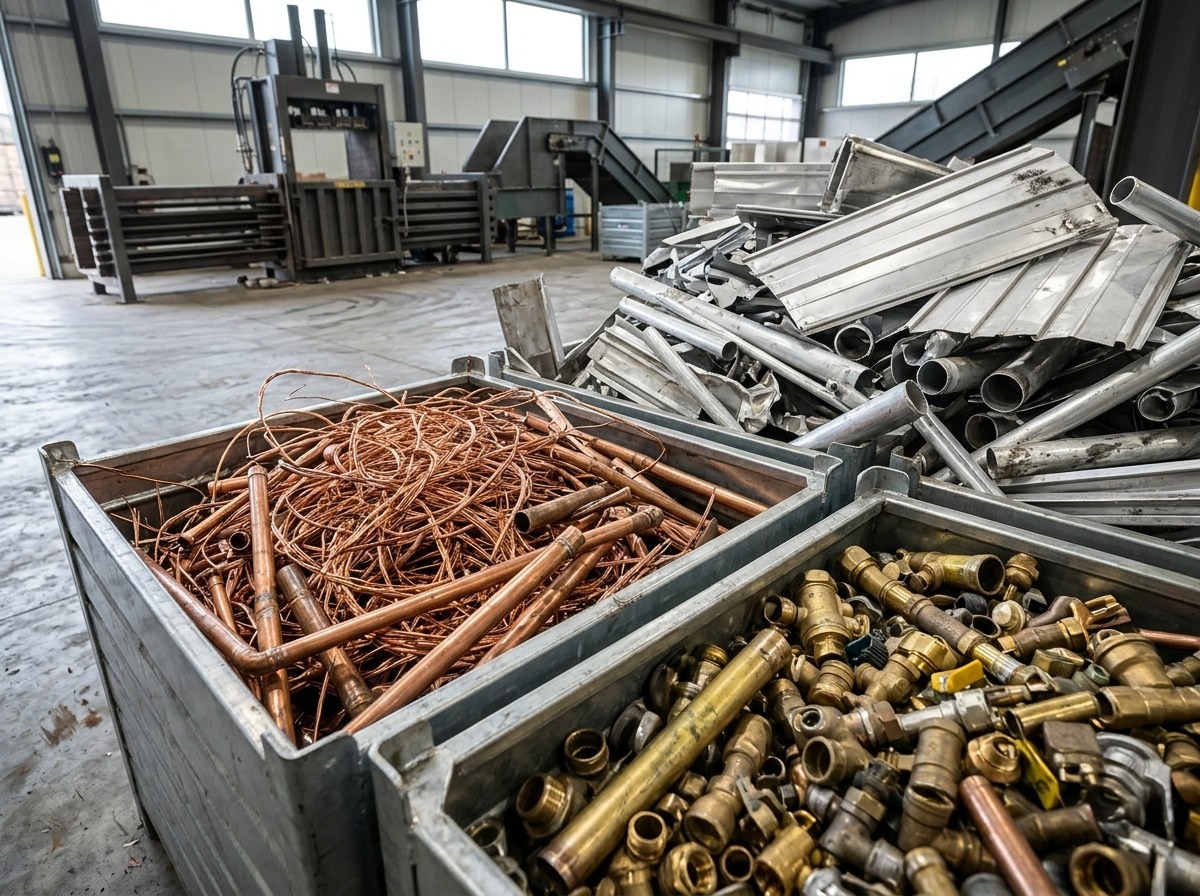
Include copper, brass, aluminum, and other identified metals in your inquiry, with separate descriptions for each material. Interco's nonferrous metals recycling services support businesses selling industrial scrap, including construction contractors. Nonferrous metals are metals whose main ingredient is not iron.
- Copper wire, tube, and pipe recovered during electrical and plumbing work.
- Brass pipe, fittings, and other copper alloy components from building systems.
- Aluminum pipe, siding, and parts removed during renovation or demolition.
- Specialty materials, including copper-nickel pipe and admiralty brass tube.
An alloy is a mixture of metals. If you have drawings, specifications, or existing composition records, include them with photographs. Do not guess an unfamiliar alloy from its color. Describe attached materials and identify anything that needs further review before acceptance.
How should you describe #1 copper from your project?
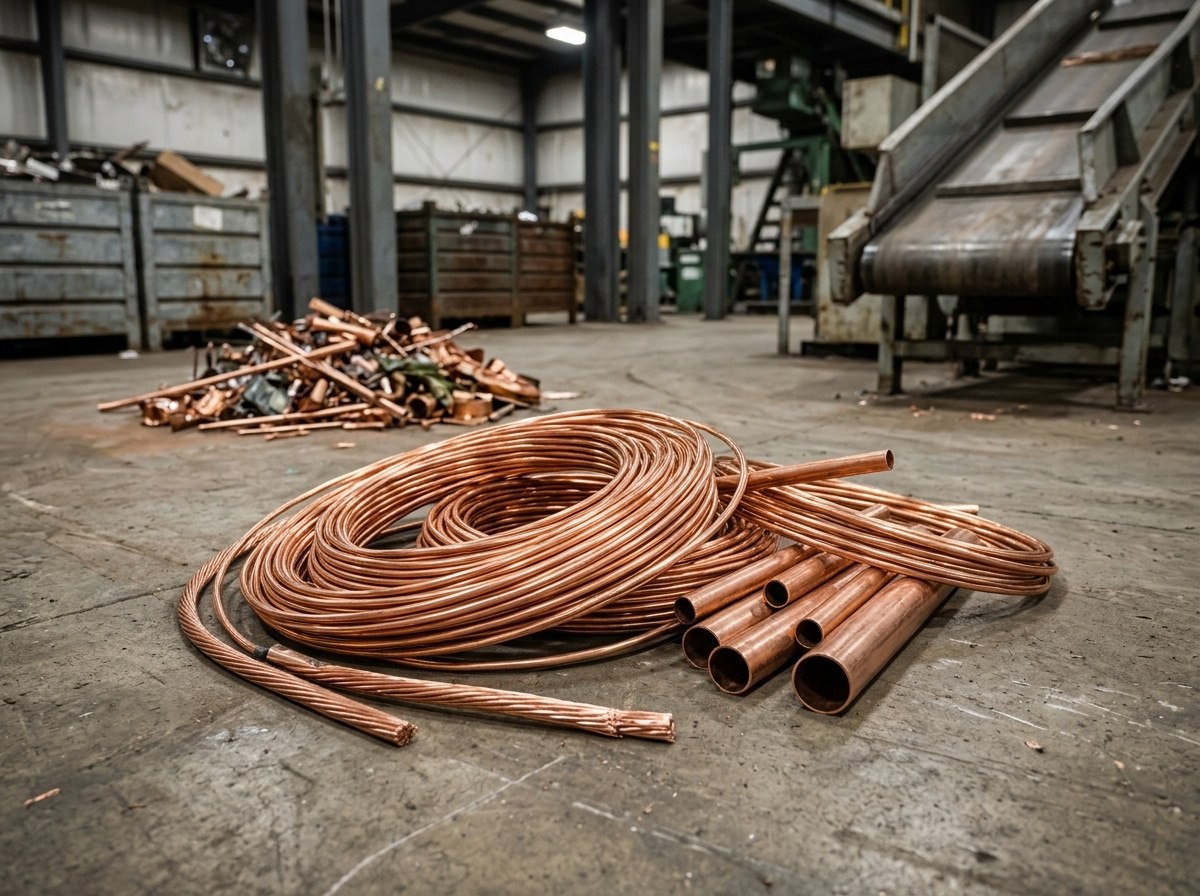
Describe #1 copper as a proposed material grade and provide enough detail for Interco to review it. Interco purchases #1 copper, but a copper-colored item should not automatically receive that description. Tell Interco whether the material is wire, tube, pipe, or another form, and show its condition clearly.
For plumbing scrap, photograph joints, fittings, coatings, and attached parts. For wire, explain whether insulation remains. Keep material you believe is #1 copper distinguishable from other copper scrap when practical, rather than presenting every copper item as one uniform grade.
Ask Interco to confirm preparation expectations before spending time on additional sorting. Your quote request should identify estimated quantities and known attachments. This gives Interco a clearer basis for discussing the material without assuming that every piece has the same composition or condition.
Can you sell mixed scrap loads from one project?
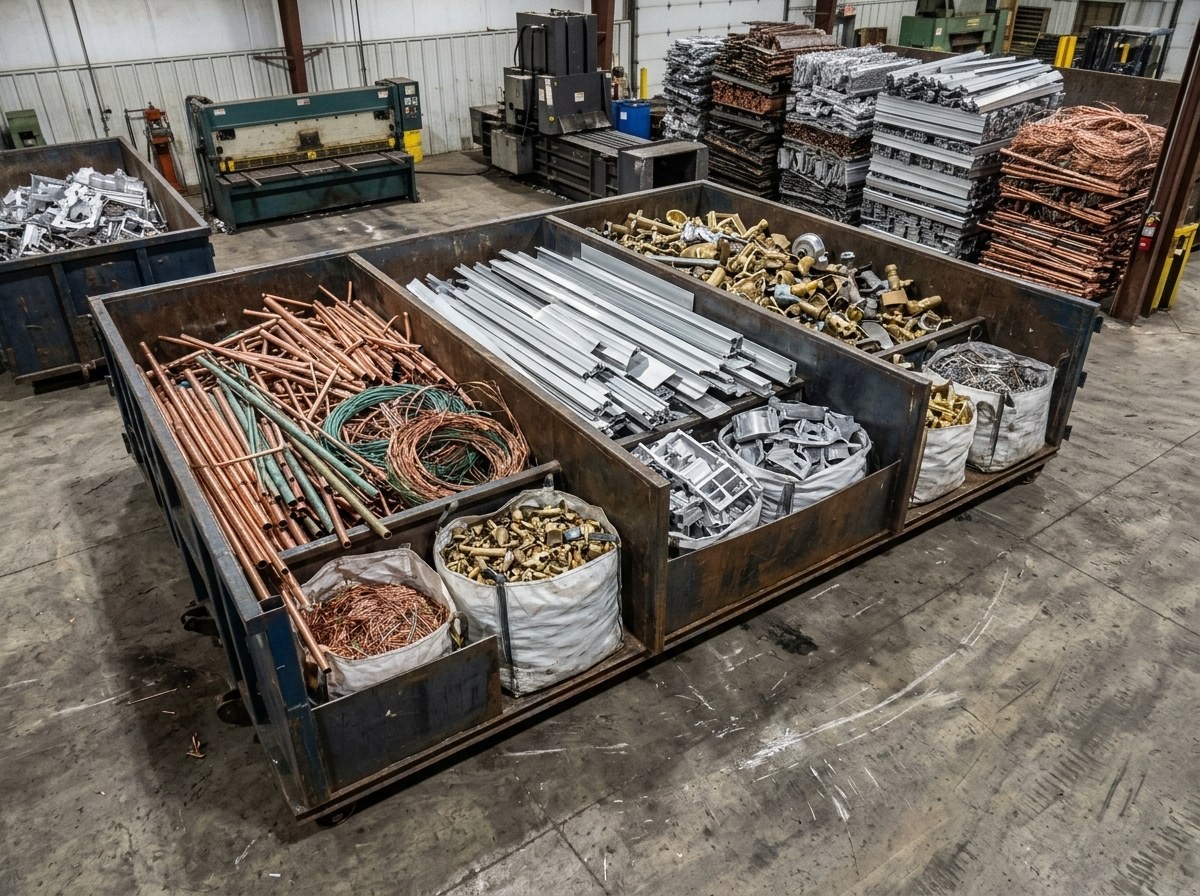
Yes, Interco buys mixed scrap loads containing different material categories, with preparation and shipment details confirmed in advance. Interco's approach to recycling mixed scrap loads allows suppliers to offer multiple metals together while keeping individual materials separated within the shipment.
A mixed load does not mean an unrestricted combination of demolition debris. Describe the metal categories, packaging, estimated weights, and any attached nonmetal material before scheduling. Explain whether the load includes copper, brass, aluminum, or other identified scrap.
Ask which containers or separated packages suit your materials. Include photographs showing both the overall load and representative contents. If the project produces scrap in stages, share that schedule too. Interco can discuss whether your inquiry concerns one shipment or a continuing flow of nonferrous scrap as work progresses.
How should you prepare demolition metals for shipment?
Prepare demolition metals by confirming acceptance, separating identified materials where practical, and agreeing on packaging before loading. Start with information rather than extra processing. Explain what has already been removed, what remains attached, and whether any material requires special review.
- Inventory the scrap by material, physical form, estimated weight, and project source.
- Photograph each category, including close views of attachments and representative pieces.
- Confirm packaging, loading equipment, and transportation requirements with Interco's team.
- Label packages consistently so their descriptions match your shipment information.
Keep uncertain materials identified as uncertain instead of assigning an unsupported grade. Do not assume cutting or dismantling is necessary to receive a quote. Discuss the expected benefit and preparation requirements first. A clear inventory helps both teams address questions before the truck arrives.
Why does separating recoverable metal matter?
Separating recoverable metal helps keep useful material available for processing instead of losing it in general debris. The EPA identifies a recycling benefit as: "Conserves natural resources such as timber, water and minerals." Its overview of the United States recycling system explains how collection, processing, and manufacturing connect.
For your project, use three practical checkpoints:
- Identify recoverable metals before they become difficult to distinguish within the debris.
- Keep material descriptions consistent between the jobsite inventory and the quote request.
- Record shipped quantities separately from estimates made during project planning.
Nonferrous metals recycling is one part of a broader construction waste plan. Keep claims specific to the materials actually handled. Do not treat a metal shipment as proof that every waste category from the project was recycled.
Can Interco's logistics team arrange shipping across the contiguous United States?
Yes, Interco can arrange shipping anywhere in the contiguous United States, with arrangements confirmed for your material and location. Interco's great logistics team helps coordinate shipment details so transportation planning reflects the actual conditions at your jobsite.
Tell Interco whether loading will take place at a dock, yard, or designated construction area. Share access restrictions, operating hours, available loading equipment, and the estimated size and weight of the shipment. Explain any appointment requirements or deadlines tied to the demolition schedule.
For phased work, identify when each group of materials should become available. For a single removal, provide the expected readiness date and any factors that could change it. Confirm freight responsibilities and loading arrangements before dispatch. Clear site information gives Interco's team a practical starting point for coordinating your scrap shipment.
How do Interco's records support your quote and recycling transaction?
Interco's proprietary enterprise resource planning (ERP) platform supports records of material movements, weights, classifications, and transactions throughout the recycling workflow. The ERP also supports inventory management and reporting, helping organize information associated with the materials Interco handles.
Tell Interco which records your purchasing, accounting, or project team needs before the first shipment. Ask how receiving information and settlement documentation will be presented, and confirm any project-specific reporting expectations rather than assuming every document is automatically included.
To request a quote, send your material descriptions, photographs, estimated quantities, location, and preferred timing. Identify #1 copper separately where applicable, and explain the contents of mixed scrap loads. Include loading conditions and any unanswered questions. Interco will review your demolition and construction scrap inquiry and discuss the next steps for your material.