
Recycling Automotive Scrap
How can Interco helps with recycling automotive scrap?
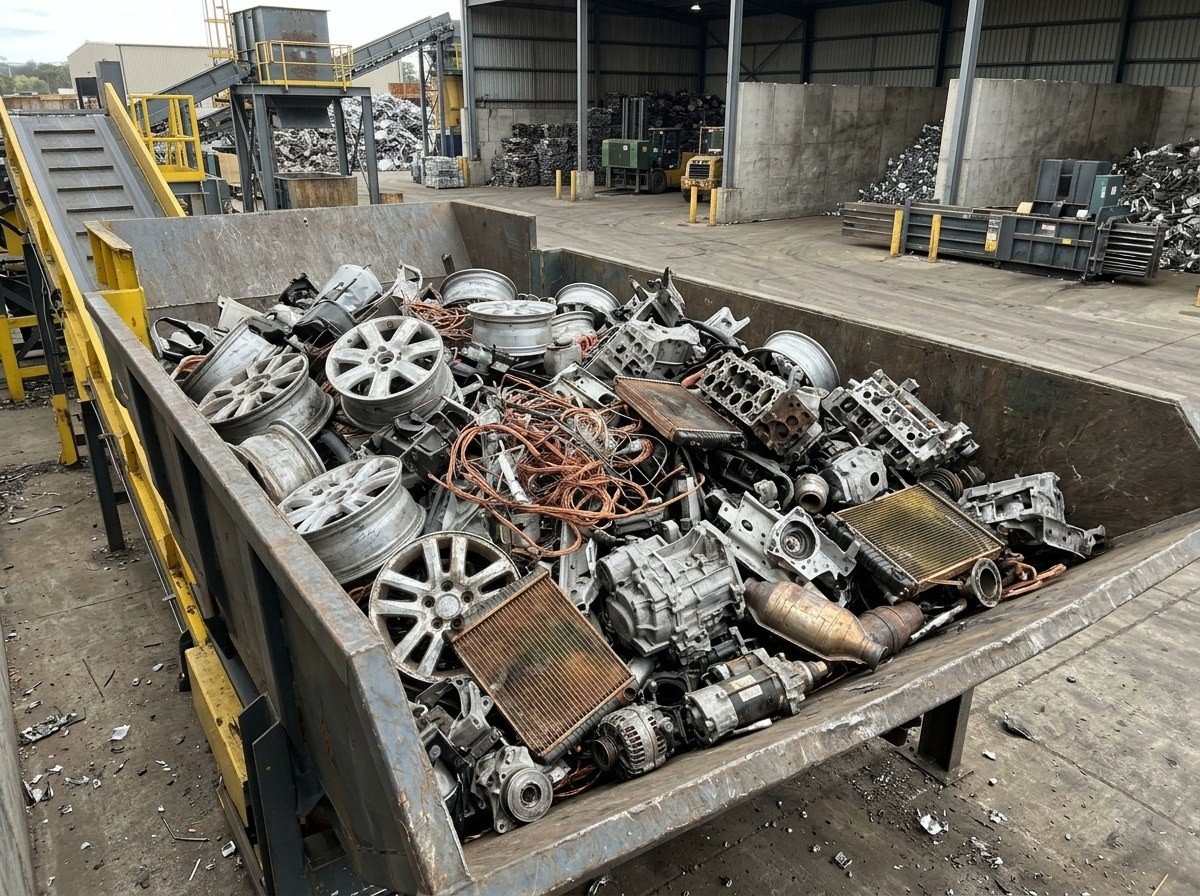
Interco recycles separated automotive metal parts, helping commercial suppliers turn unwanted components into materials for manufacturing. Interco's focus is automotive parts and nonferrous scrap, rather than whole cars or trucks. Interco works with material generated through dismantling, repair, salvage, and industrial operations.
Automotive scrap is rarely one uniform metal. A shipment can contain aluminum wheels, copper wiring, radiators, and assemblies that combine several materials. Understanding those differences helps Interco evaluate the load and discuss suitable preparation before shipment.
Interco buys scrap for metal recovery, not for resale as replacement parts. Whether you have an accumulated stockpile or a recurring supply, start by sharing what the material contains, its approximate weight, and its condition. Interco can then discuss your recycling needs and provide a quote.
Which automotive parts can you offer for recycling?
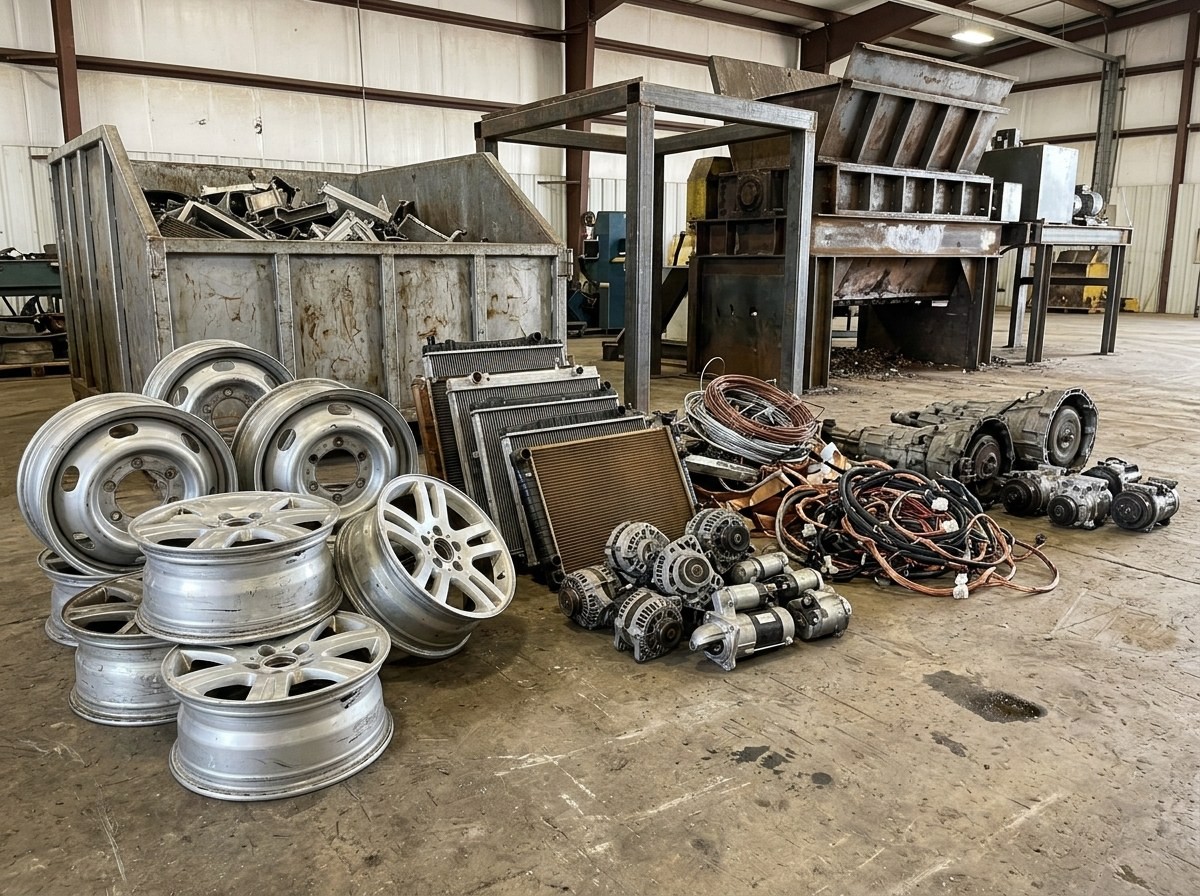
You can offer a range of separated automotive parts, including wheels, radiators, transmissions, alternators, starters, and harness wire. Interco's automotive recycling services focus on recovering the metals within these components. Describe each category separately so Interco can review the actual material rather than relying on a general description such as car parts.
- Aluminum auto wheels and truck wheels, with their condition and attachments identified.
- Automotive radiators, with different constructions kept identifiable wherever practical.
- Alternators and aluminum-nosed or steel-nosed starters, grouped by component type.
- Harness wire and other copper-bearing material, with insulation and connectors disclosed.
Transmissions and automotive air conditioning compressors also warrant a separate description. Before loading, confirm acceptance and preparation requirements with Interco. Photographs showing representative pieces and the overall stockpile help make that conversation more useful.
How do copper grades and attached iron affect your material?
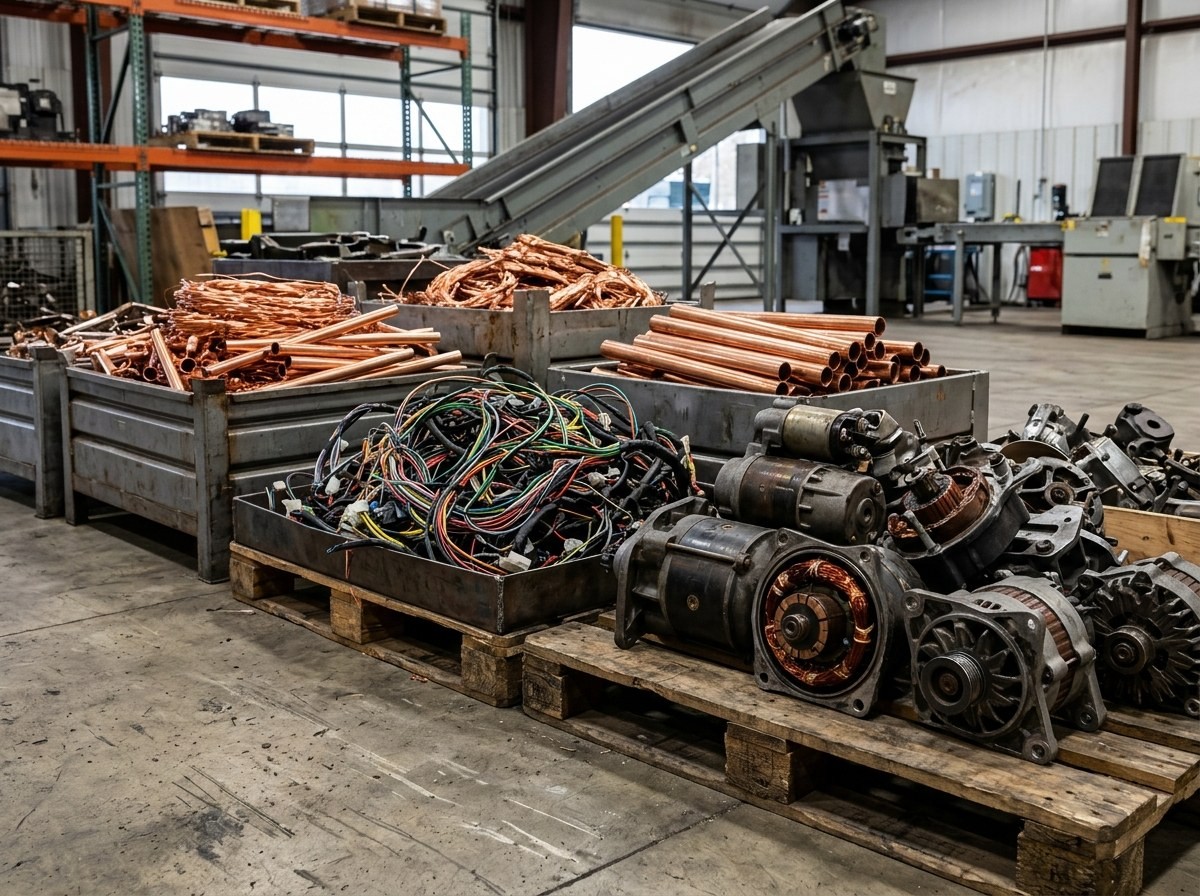
Copper grades and attached iron affect how Interco identifies and evaluates copper-bearing automotive scrap. Clean copper, insulated harness wire, and complete starters are different products, even when each contains recoverable copper. Keeping them identifiable helps avoid confusion during the quote discussion.
If you believe a separated copper lot qualifies as #1 copper, describe its condition and provide clear photographs. Do not assume that every copper-colored component belongs in that grade. Insulation, coatings, solder, and attached materials should be disclosed for review.
Assemblies containing copper alongside iron or steel require a different discussion from clean copper solids. Interco's work with recycling copper iron materials addresses these combined material streams. Tell Interco whether your load contains loose copper, complete components, or both, so the description reflects what you plan to ship.
Can you combine different automotive materials in one shipment?
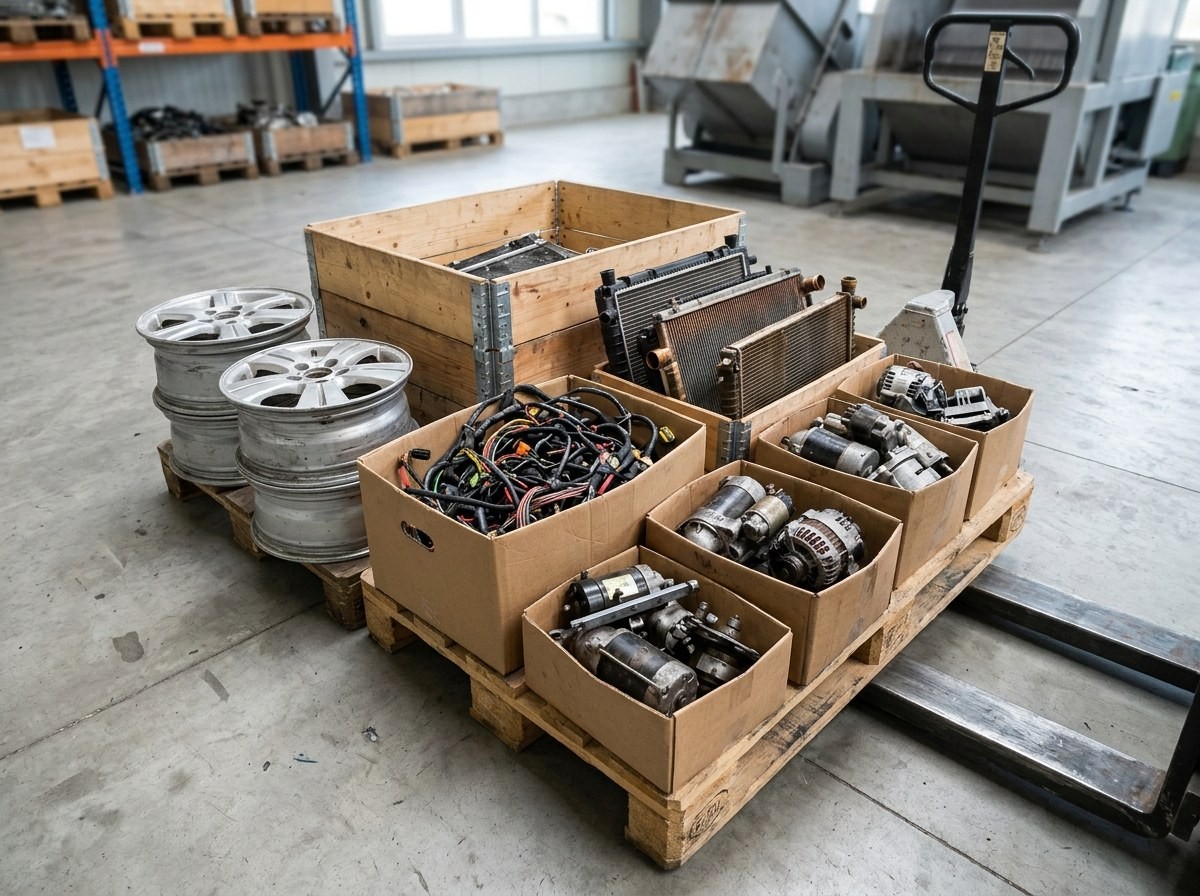
Yes, Interco buys mixed scrap loads that combine different accepted materials while keeping each category separately identifiable. This approach can suit suppliers accumulating several automotive scrap streams rather than enough of one material for a dedicated shipment.
Interco's mixed scrap load recycling services allow accepted categories to travel together without treating everything as one undifferentiated pile. Separate packaging matters: wheels, harness wire, radiators, and starters should remain distinguishable for review and handling.
Share the approximate weight of each category, not just the total shipment weight. Identify loose pieces, boxed material, and any attached steel or other nonmetal content. Interco can discuss the proposed combination before you load. That early conversation helps establish practical expectations for packaging, material descriptions, and the commercial terms associated with your particular shipment.
What should you do before loading automotive scrap?
You should identify the material, confirm Interco's acceptance requirements, and agree on preparation before loading automotive scrap. A little organization at your site gives Interco a clearer picture of the shipment and helps prevent avoidable misunderstandings.
- Prepare an inventory showing component types, estimated weights, and the number of containers or pallets.
- Take clear photographs of typical pieces, attached materials, and the overall load.
- Tell Interco about residual fluids, sealed components, batteries, or other items requiring separate review.
- Confirm packaging, loading arrangements, and shipment details with Interco's team before dispatch.
Do not dismantle unfamiliar assemblies simply to make them appear cleaner. Ask Interco which preparation steps are appropriate for the material you have. Keep different categories labeled, and make sure your inventory describes the actual contents rather than an assumed metal grade.
Why does recovering automotive metal matter?
Recovering automotive metal keeps useful material available for manufacturing after parts are no longer suitable for service. It also requires distinguishing genuine recycling from other outcomes.
In its 2021 United States automobile-scrapping overview, the Environmental Protection Agency reported that approximately 86% of a car's material content was recycled, reused, or used for energy recovery. That combined figure is not a metals-only recycling rate or a result for Interco's operations. See the agency's automotive recovery presentation.
The agency also states, "Recycling reduces the need to extract resources such as timber, water, and minerals for new products." Its recycling benefits guidance explains that broader purpose. For automotive suppliers, separating recoverable metals is a practical way to support that manufacturing cycle without confusing reuse, energy recovery, and metal recycling.
Can Interco coordinates shipments throughout the contiguous United States?
Yes, Interco is able to ship anywhere in the contiguous United States, supported by Interco's great logistics team. Transportation planning connects the commercial discussion with the practical details of moving automotive scrap. Give Interco the shipment location and loading requirements early so Interco can discuss suitable arrangements.
- Access details: Describe entrance restrictions, operating hours, and any appointment requirements at your site.
- Loading resources: Identify available equipment, container sizes, and how the material will be staged.
- Timing needs: Share your preferred shipping window and whether the material is ready now or still accumulating.
Interco's logistics, commercial, and operations teams work together on material movements. Confirm transportation responsibilities and scheduling before dispatch rather than assuming that every load follows the same arrangements. Clear information helps Interco plan around your shipment.
How do Interco's systems support your automotive scrap quote?
Interco's proprietary enterprise resource planning (ERP) platform supports material records and coordination across Interco's recycling operations. It brings information together as material moves through receiving, processing, and settlement. Technology supports the work, while Interco's commercial and operations teams remain responsible for discussing your material and answering questions.
A useful quote begins with an accurate description. Tell Interco which automotive parts you have, the estimated weight of each category, the material condition, and the shipment location. Include photographs and explain whether the supply is a single stockpile or an ongoing stream.
Whether your inventory includes #1 copper, copper iron materials, mixed scrap loads, or other nonferrous scrap, Interco wants to understand what you are offering. Request a quote from Interco's team to discuss acceptance, preparation, transportation, and the commercial details for your automotive scrap.