
Salvage Material Scrap Recycling
How does salvage material scrap recycling help your business?
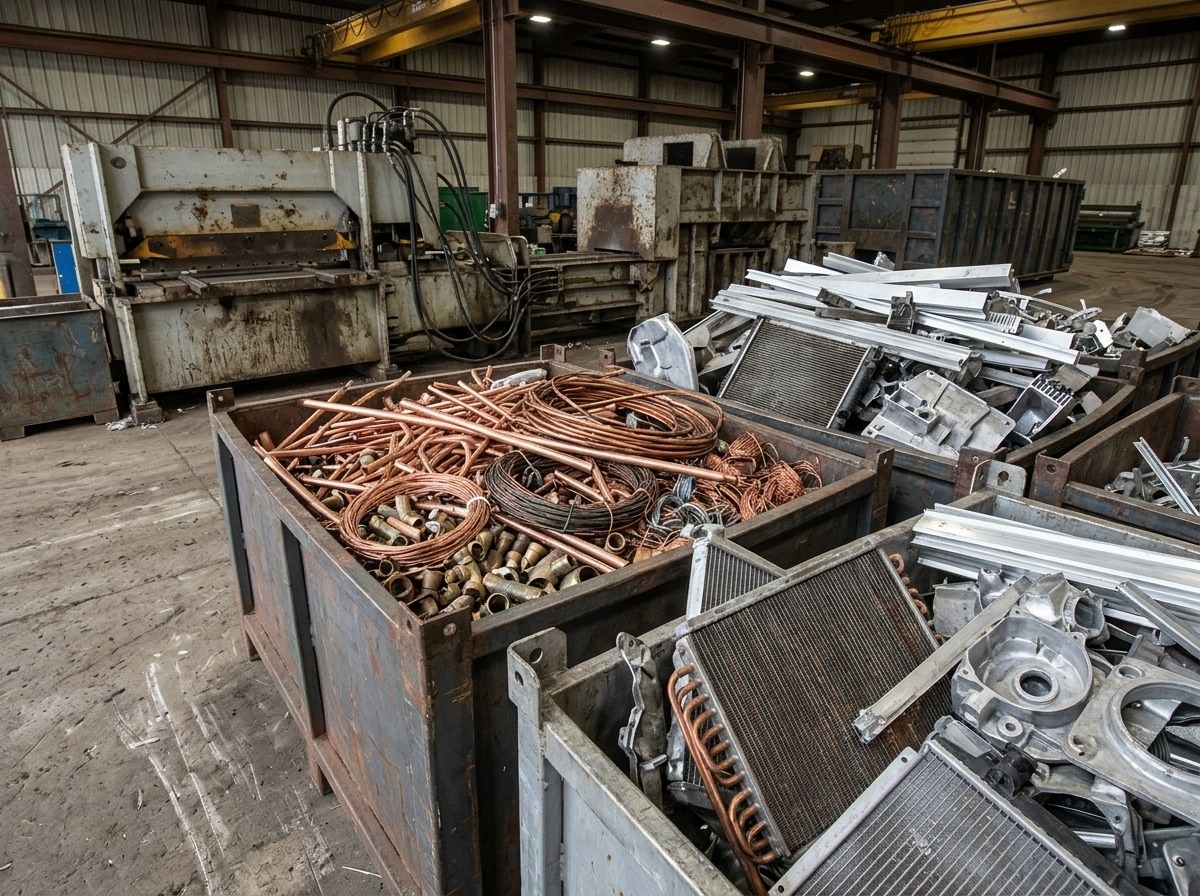
Salvage material scrap recycling helps your business recover value from metal left after dismantling, equipment replacement, or property cleanup. Interco purchases and recycles nonferrous scrap, including copper, brass, and aluminum, and evaluates mixed materials for appropriate processing.
As a nonferrous metals recycling company, Interco works with suppliers whose salvage does not arrive as one uniform grade. A yard cleanup might include loose metal, insulated wire, radiators, and mechanical components. Start by describing what you have rather than trying to assign every item a technical classification.
Interco's nonferrous scrap recycling services cover a broad range of recoverable metals. Share photographs, estimated quantities, and your project schedule so Interco can discuss acceptance, preparation, transportation, and a quote that reflects your material.
Which salvage metals can you include in your inquiry?
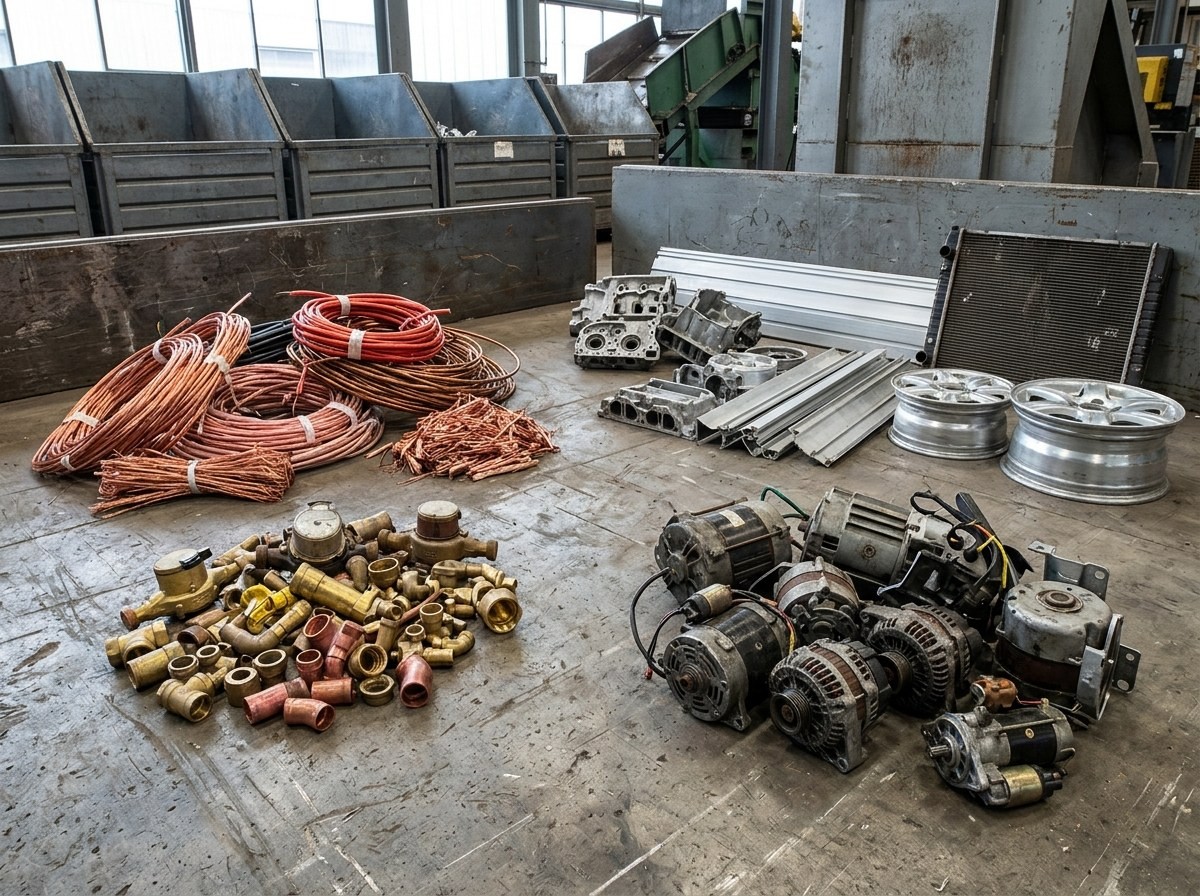
You can include copper, brass, aluminum, and other recoverable metal categories in your salvage recycling inquiry. Nonferrous means the metal is not based on iron; familiar examples include copper wiring, aluminum siding, and brass fittings.
Identify the material's original use and describe its current condition. Interco's purchasing categories include:
- Copper materials, including #1 copper, insulated wire, and copper-bearing components.
- Brass materials, including clean yellow brass, red brass, and water meters.
- Aluminum materials, including cast pieces, extrusions, wheels, siding, and radiators.
- Mixed mechanical materials, including electric motors, alternators, and starters.
Tell Interco about attached steel, plastic, coatings, or other visible material. Acceptance and classification depend on the actual load, so request confirmation before combining unfamiliar items or arranging shipment. Clear descriptions give Interco's team a useful starting point.
What should you tell Interco about #1 copper and other copper scrap?
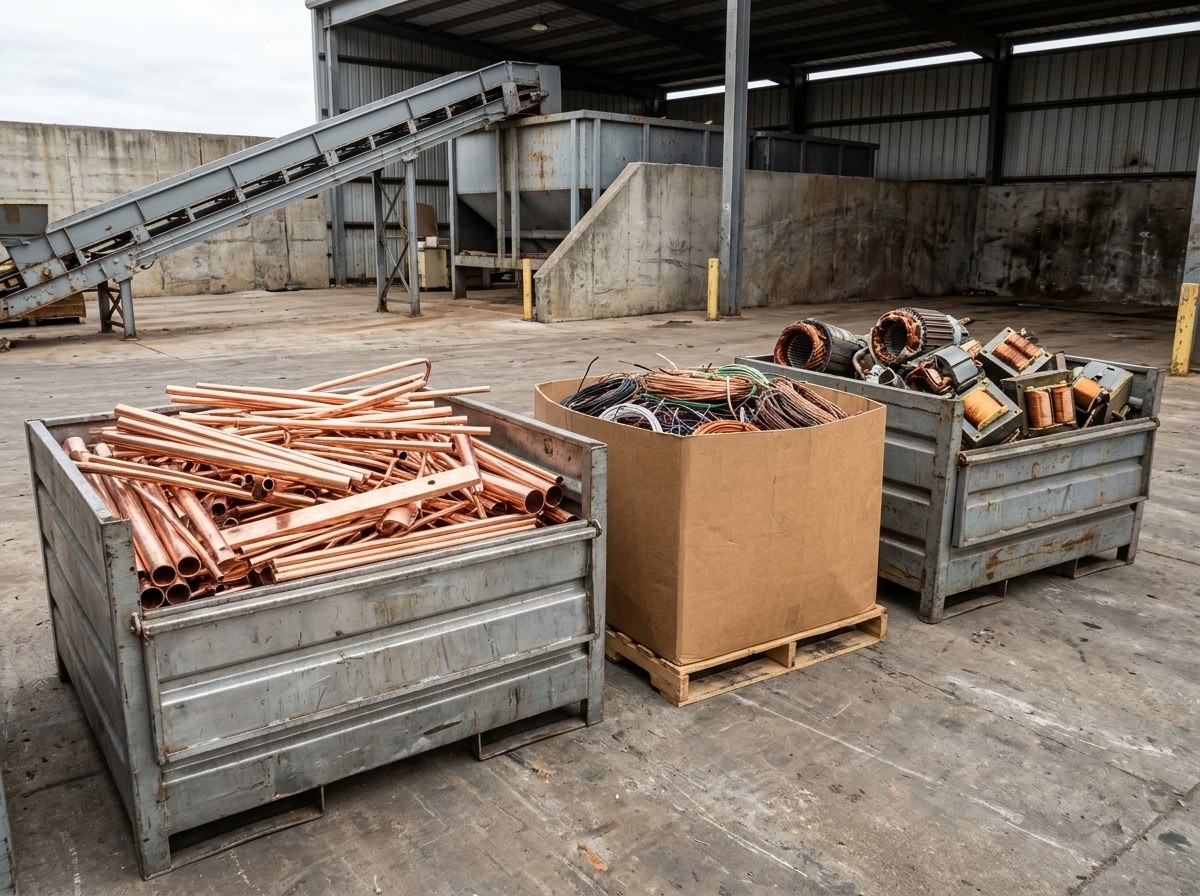
Tell Interco the copper's form, source, estimated weight, and visible attachments so Interco can evaluate it without relying on a grade name alone. If you believe material is #1 copper, include photographs and explain whether it has insulation, solder, coatings, or attached components.
Copper recovery serves an established industrial market. The United States Geological Survey estimated that 720,000 metric tons of copper were recovered from new manufacturing scrap generated by fabricating operations in the United States in 2024. Its 2025 Mineral Commodity Summaries copper report provides the source data.
That national figure is not a forecast for your load. For a useful quote, distinguish loose copper from insulated wire and copper-bearing assemblies. Ask Interco to review uncertain classifications before investing time in additional sorting or preparation.
Can you recycle mixed scrap loads from salvage projects?
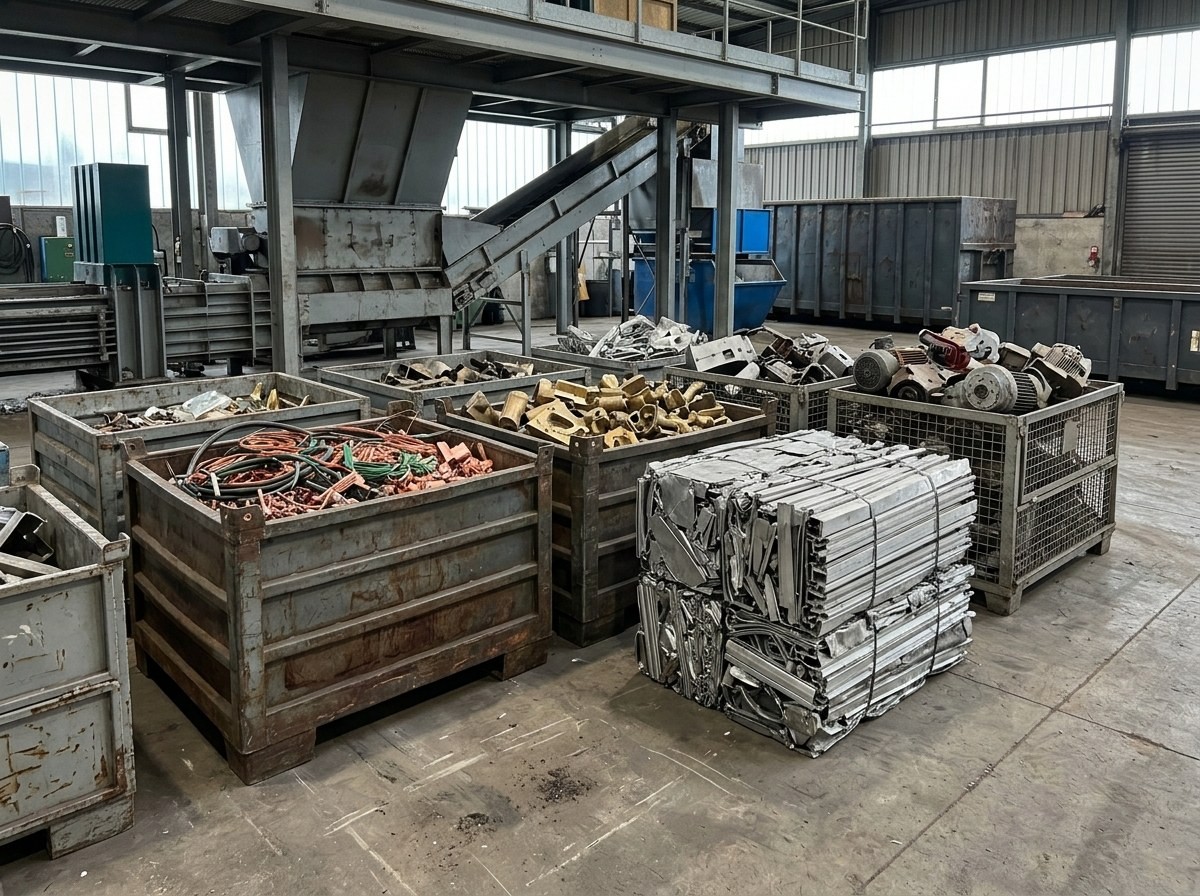
Yes, Interco recycles mixed scrap loads containing multiple accepted material categories within one shipment. This service suits salvage projects that produce several metal types but not a separate truckload of each.
Interco's mixed scrap loads service allows accepted items to travel together while remaining separated by bale or large bulk box. There is no minimum quantity per individual item within these loads; confirm the overall shipment requirements with Interco's team.
Keep each category identifiable rather than mixing everything into an undifferentiated pile. Describe copper, brass, aluminum, and mechanical components separately, with estimated weights where available. Tell Interco whether materials are already packed or still awaiting removal. This helps Interco discuss the load's composition, suitable packaging, and commercial terms before you commit labor or transportation to the project.
How should you prepare salvage material before shipment?
Prepare salvage material by confirming acceptance, separating identified categories, and agreeing on packaging before loading begins. You do not need to guess which preparation steps will improve your quote; ask Interco what your particular shipment requires.
- Document the material with clear photographs, estimated weights, and a description of its source.
- Separate known categories and disclose attachments, residues, moisture, or uncertain contents.
- Confirm containers, loading equipment, site access, and transportation responsibilities with Interco's team.
Keep a packing list that matches the categories actually loaded. If your estimate changes during cleanup, share the updated information before pickup. Avoid cutting or dismantling unfamiliar equipment solely to change its scrap classification. Discuss any unusual condition first, and keep your preparation plan aligned with the agreed shipment details.
Why does recovering salvage metal matter beyond the sale?
Recovering salvage metal helps return usable material to manufacturing instead of treating every retired component as waste. The United States Environmental Protection Agency states, "Recycling conserves energy." Its recycling benefits and process overview explains how collection, processing, and manufacturing connect.
For a salvage business, that broad benefit starts with practical decisions about individual loads. Identify recoverable metals, keep material descriptions accurate, and discuss processing needs before shipment. These steps support an organized recycling project without assuming that every component has the same recovery potential.
Interco focuses on the material your business actually generates. Describe a one-time cleanup differently from an ongoing supply of dismantled parts. If your organization tracks recycling activity, tell Interco which shipment records it needs and confirm the available documentation during planning.
Can you arrange shipping anywhere in the contiguous United States?
Yes, Interco can arrange shipping anywhere in the contiguous United States, with shipment arrangements confirmed during planning. Interco's great logistics team coordinates material movement, load documentation, and freight paperwork so transportation is part of the recycling discussion from the start.
Give Interco the details that affect collection and delivery:
- Access: Describe truck entry, loading space, dock availability, and site restrictions.
- Equipment: Identify the equipment and personnel available to load the shipment.
- Timing: Provide operating hours, appointment requirements, and the expected readiness date.
For recurring nonferrous scrap, explain how often material becomes available and how much storage space you have. For a single salvage project, identify the removal deadline. Confirm freight responsibilities and scheduling expectations before treating a proposed pickup window as final.
How does Interco's proprietary ERP support salvage recycling records?
Interco's proprietary enterprise resource planning (ERP) platform supports records for material movements, weights, classifications, and transactions throughout the recycling workflow. It connects operational information with inventory and reporting needs, helping Interco's team follow shipments from receipt through settlement.
For your project, tell Interco which references your purchasing, accounting, or environmental staff need. Ask how receiving information and settlement documents will be provided, and confirm any specific reporting requirements before the first load moves.
Request a salvage material scrap recycling quote with your material descriptions, photographs, estimated weights, shipping location, and preferred timing. Identify #1 copper separately from other copper-bearing items, and explain the composition of mixed scrap loads. Interco can then discuss acceptance, preparation, freight arrangements, and commercial terms based on your actual salvage material.