
Steel Recycling
What do our steel recycling services offer your business?
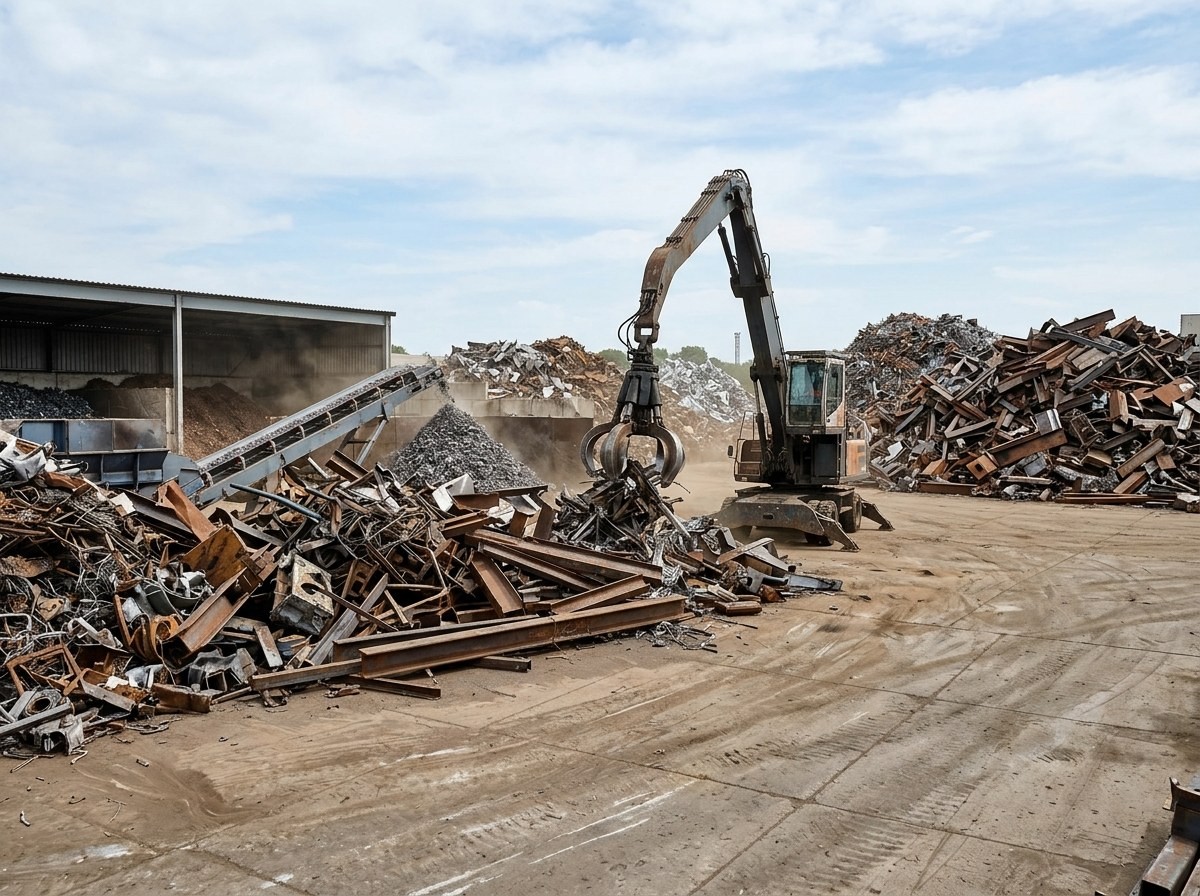
Our steel recycling services help commercial, industrial, dealer, and government organizations sell scrap steel and plan its movement toward further processing. We buy and recycle steel scrap, with a focus on placing material that is ready for a smelter, where metal is melted for recovery.
Whether you manage production leftovers or a scheduled facility cleanout, start with a clear description of the material. Our approach to recycling steel scrap connects material purchasing with the practical requirements of moving each load.
You do not need a complete technical inventory to begin. Tell us what generated the scrap, where it is stored, and approximately how much you have. We can discuss your steel scrap recycling needs and the information required for a quote before you commit to transportation or preparation work.
Why does steel scrap recycling matter?
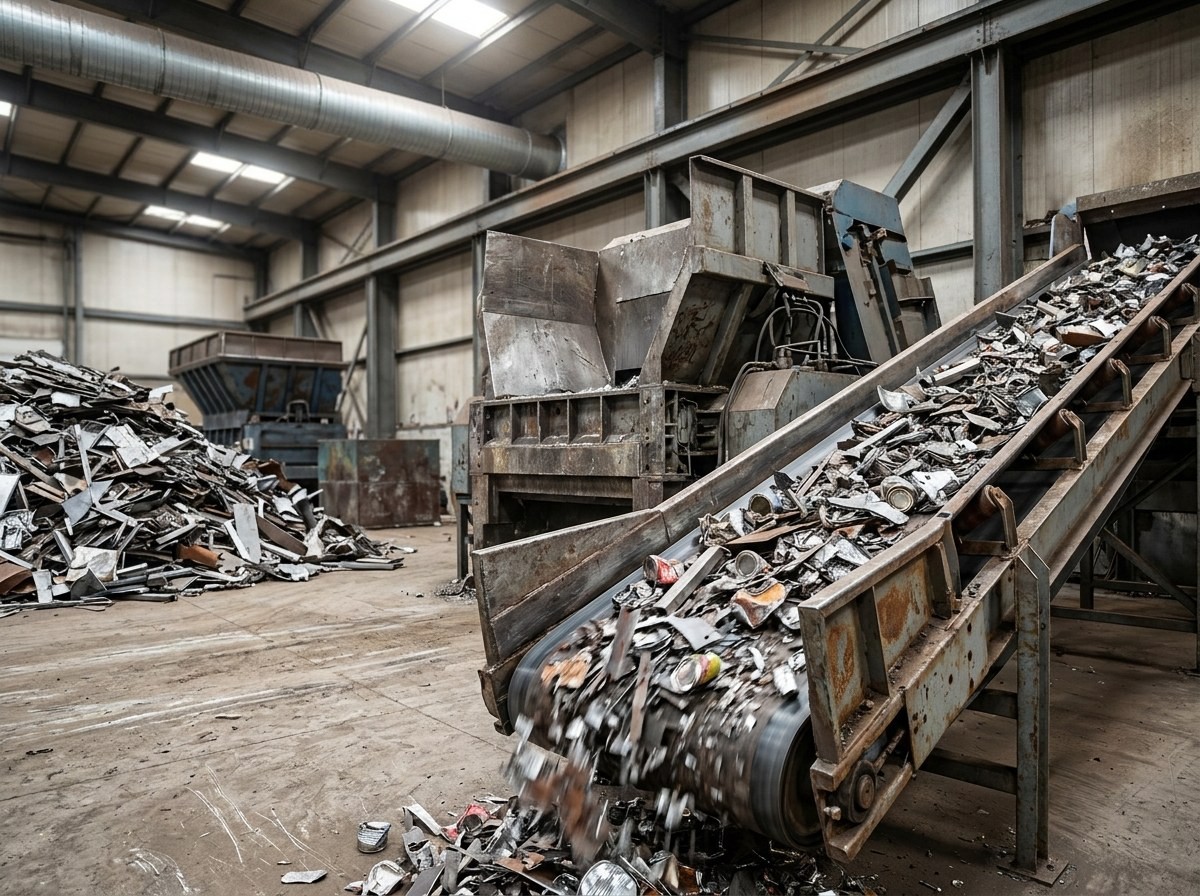
Steel scrap recycling keeps recoverable metal available for manufacturing instead of treating it solely as waste. For businesses, that makes a planned scrap program worth considering alongside efforts to reduce waste and reuse suitable materials.
The United States Environmental Protection Agency estimated that 70.9 percent of steel cans, approximately 1.1 million U.S. tons, were recycled nationwide in 2018. Its ferrous metals recycling data concern municipal solid waste and exclude construction materials and transportation products from that analysis.
This historical figure is not a recycling rate for industrial steel or a promised outcome for your load. Your own program starts with understanding what your operation discards, identifying recoverable material, and arranging an appropriate destination. Keep material quantities and shipment records together when reviewing your results.
What should you tell us about your steel scrap?
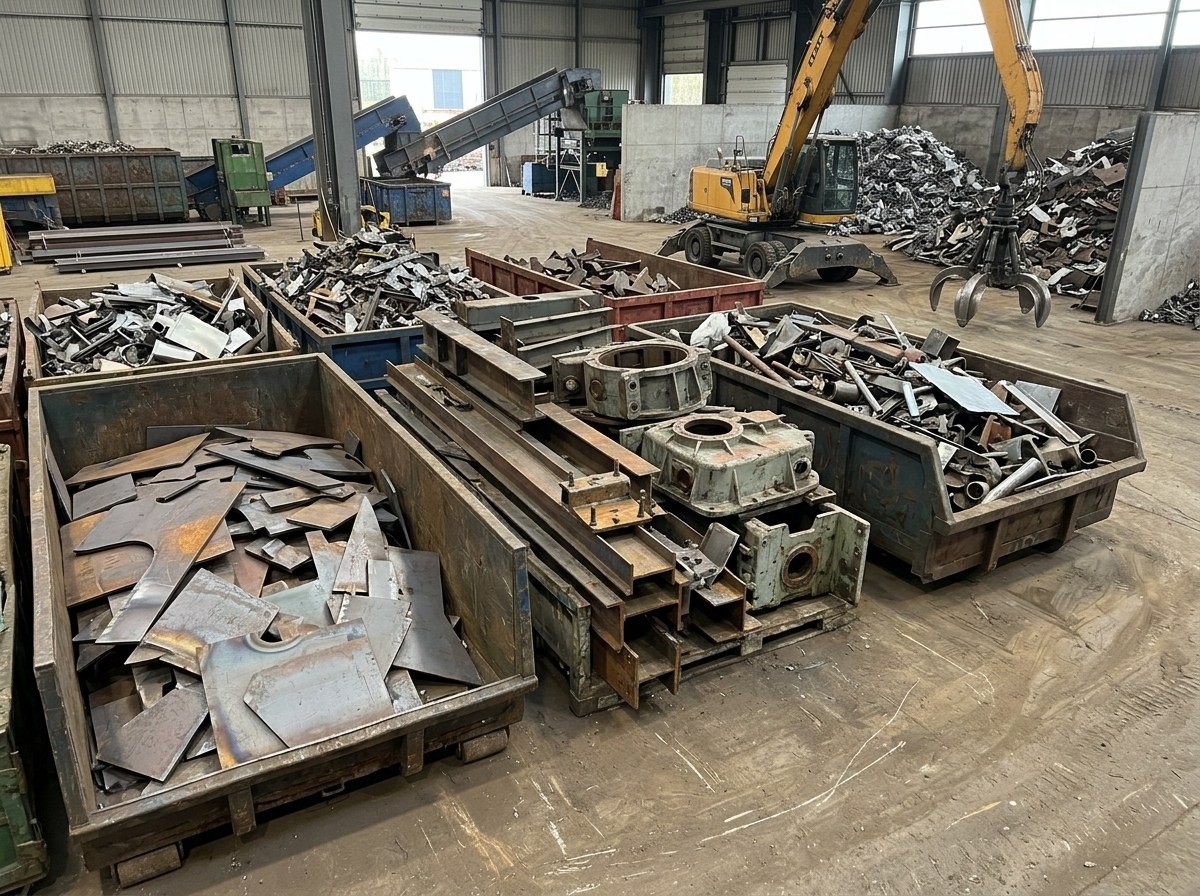
Tell us the scrap's source, physical form, estimated quantity, and condition so we can understand the proposed load. Describe production offcuts, removed steel components, or other materials accurately, without assuming every item has the same composition or preparation requirements.
- Source: Explain the manufacturing process, equipment removal, or project that generated the material.
- Quantity: Provide an estimated weight, container count, and expected frequency of future loads.
- Condition: Identify coatings, residue, attached parts, and other materials mixed with the steel.
If stainless steel is present, identify it separately when discussing our stainless steel recycling services. Share available grade records, but do not guess when identification is uncertain. Clear photographs and honest descriptions give our team a useful starting point for reviewing your inquiry and discussing next steps.
How do you prepare for ferrous metal recycling?
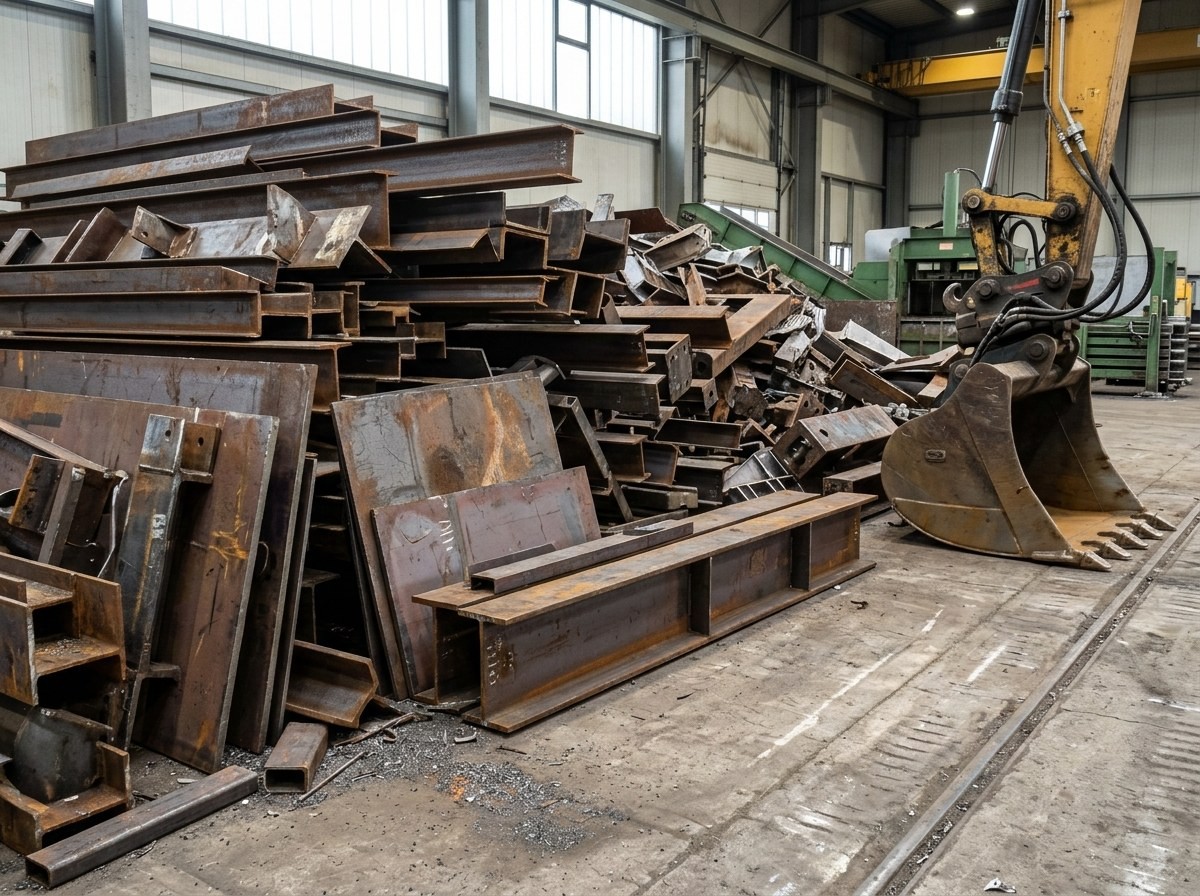
Prepare for ferrous metal recycling by documenting your material and confirming requirements before changing how it is stored or handled. Ferrous metals are iron-containing metals, including steel. A clear inventory helps keep different scrap categories identifiable during planning.
- Record the material's location, estimated weight, dimensions, and known identification.
- Photograph the overall load, close views, attachments, and any readable markings.
- Describe residue, mixed materials, and anything uncertain about the scrap's previous use.
- Confirm acceptance, packaging, loading arrangements, and transportation before dispatch.
Avoid cutting equipment apart or combining separate loads simply to make the shipment look uniform. Ask what preparation is appropriate first. For recurring scrap, assign one person to update the inventory and report changes in quantity or condition. Keep estimates clearly labeled until the relevant information is confirmed.
How do scrap steel buyers evaluate a quote request?
Scrap steel buyers need a load-specific description to discuss an offer meaningfully. When requesting a quote from us, include the material type, estimated weight, condition, location, and transportation needs rather than relying on a general steel price.
The Environmental Protection Agency explains, "prices go up and down depending on supply and demand" in its overview of recycling markets and processing. That market context helps explain why an online figure should not be treated as a commitment for an individual shipment.
Ask us to clarify the quote's weight basis, freight responsibilities, any material review requirements, and settlement terms. Identify whether your figures are measured or estimated. Keep the quoted material description with your records, and tell us if the load changes before shipment so the discussion reflects what will actually move.
What details help us plan a recurring steel recycling program?
A recurring steel recycling program starts with a realistic picture of how much scrap your operation generates and when it becomes available. Share normal production patterns as well as shutdowns, seasonal changes, or space constraints that could affect shipments.
- Accumulation: Estimate how quickly each material category fills its designated storage area.
- Availability: Identify when loads are ready and which operating hours allow collection.
- Accountability: Name the roles responsible for inventory, loading coordination, and shipment records.
For multiple facilities, describe each location separately rather than providing only a combined total. Different sites may have different loading equipment or scheduling limits. Tell us whether you need an ongoing arrangement or a single project reviewed. These details help frame a practical conversation about steel recycling services without assuming that every shipment will be identical.
Can you ship steel scrap anywhere in the contiguous United States?
Yes, we are able to ship anywhere in the contiguous United States, with arrangements confirmed around the material and shipment requirements. Our great logistics team helps coordinate load movement and the documentation needed to support it.
Give us the shipping address, estimated weight, material dimensions, and available loading equipment. Explain whether loading takes place at a dock or in a yard. Include operating hours, appointment requirements, access restrictions, and any deadline for removing the material.
Discuss transportation before reserving equipment or dispatching a load. Ask which packing information, weight records, and loading photographs are needed for your arrangement. If your schedule changes, communicate that before the planned movement. A useful shipping plan brings together the material description, site readiness, receiving arrangements, and the people responsible for coordinating each step.
How does our proprietary ERP support your recycling records?
Our proprietary enterprise resource planning (ERP) platform supports the records behind our recycling operations. For your business, the important starting point is identifying which shipment and transaction information your team needs to keep organized.
Tell us about purchase order references, internal material descriptions, and separate identifiers used by different facilities. Ask how receiving information and settlement documentation will be presented, and confirm specific reporting needs before the first load moves. Keep your own descriptions consistent from the quote request through shipment.
Ready to discuss steel scrap recycling? Request a quote with photographs, estimated weight, material details, location, and preferred timing. Include any unanswered questions about preparation or transportation. We can review your inquiry and discuss the commercial and practical requirements for moving your scrap through our steel recycling services.