Laptop Recycling in Arkansas

Laptop Recycling in Arkansas

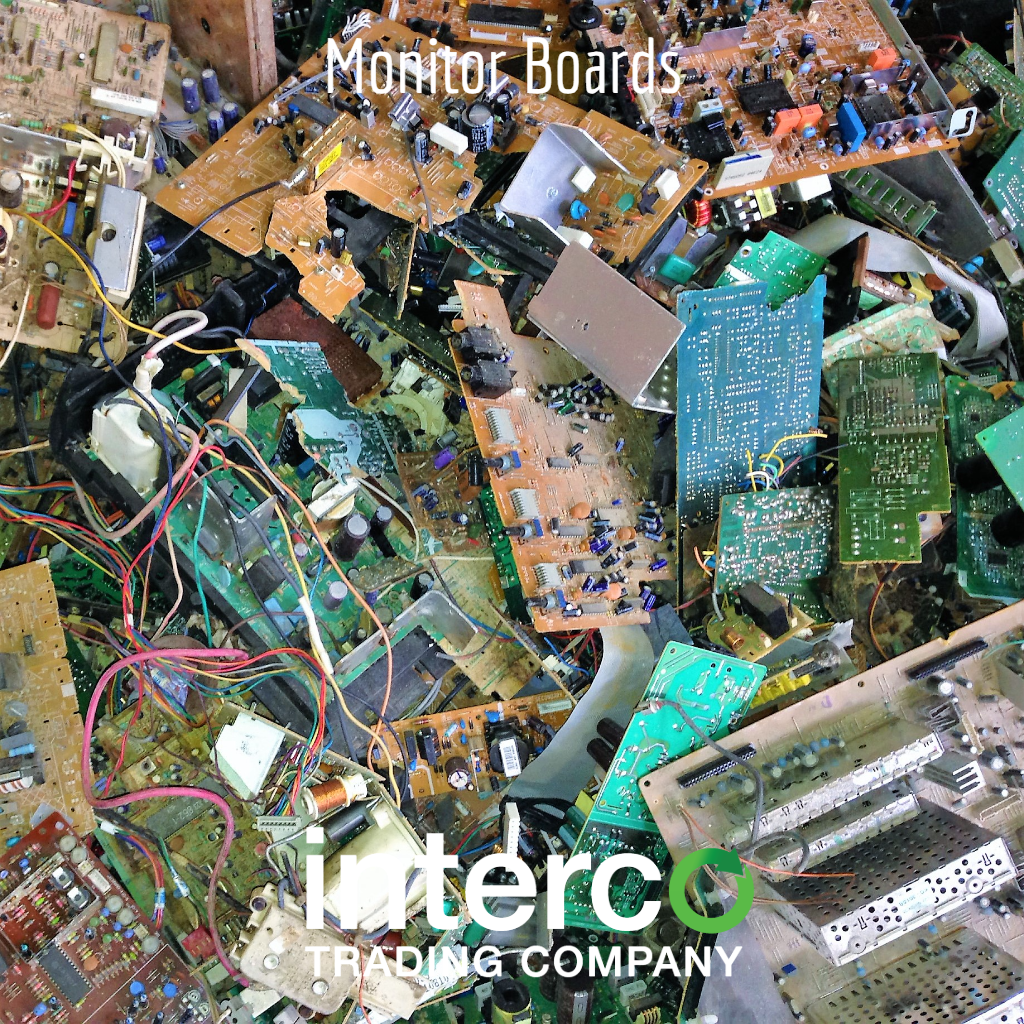
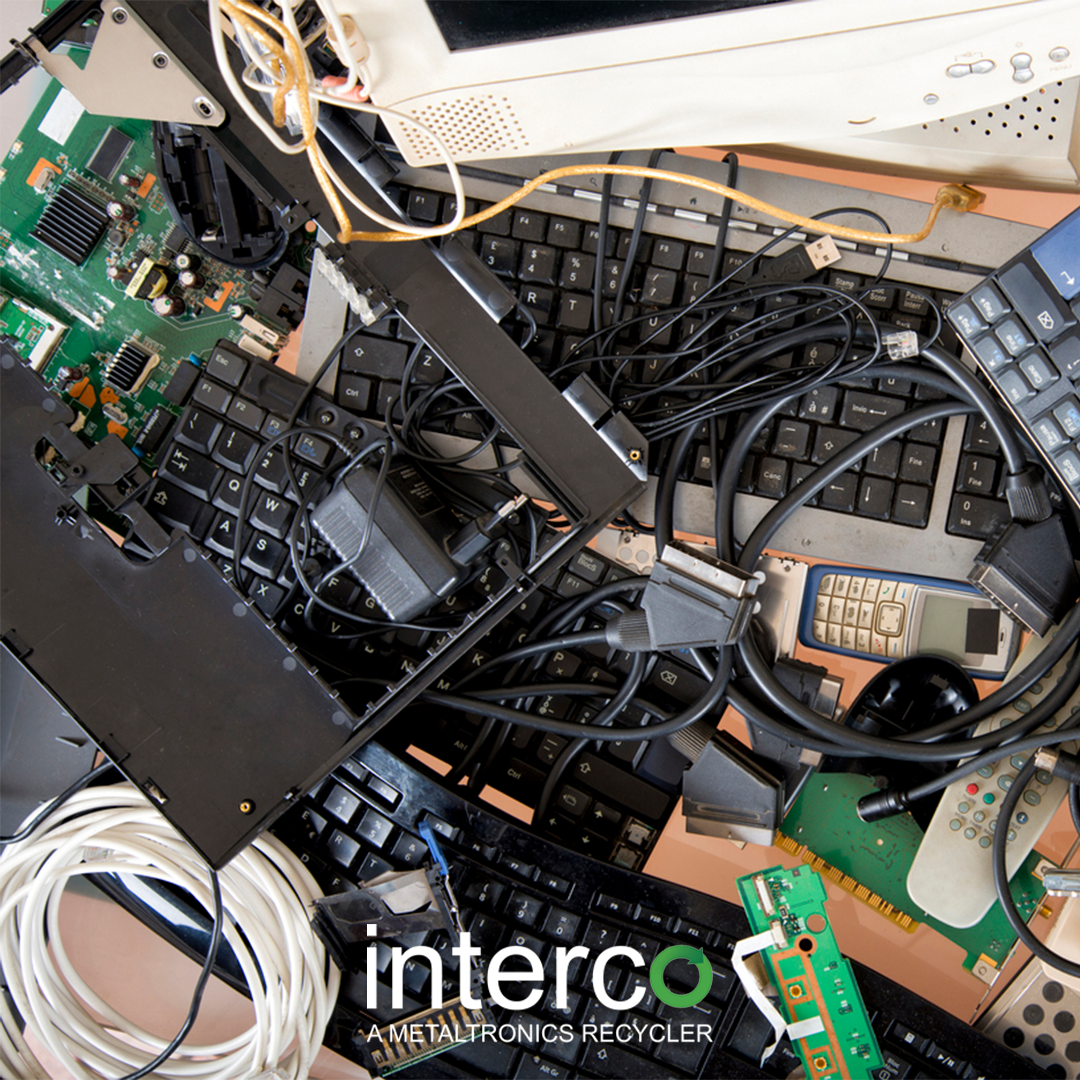
Companies recycle laptop computers because it is sensible to do so. Currently, the significant measure of technology makes it essential for businesses to swap out older computers on an even more frequent basis than before. Developments in technology happen persistently makes laptop recycling in Arkansas essential. In addition, being aware of the altering times and changing technology turns into an essential practice for businesses.

The persistent changes in technology create a lot of e-waste. The stockpile of old computers and peripherals continues to develop. Likewise, the need to responsibly dispose of these electronics develops as well.

According to a study by the United Nations, the worldwide system amassed about 44.7 million tons of scrap computer systems and electronics e-waste in 2016. Unfortunately, customers and companies recycled just 20% of it. In that identical calendar year Interco recycled more than 25,000 tons of computers and electronics.

As a result of the high measure of e-waste, laptop recycling in Arkansas changes into a more necessary practice. Rather than landfilling e-waste, responsible companies must consider its enduring effect on the environment. Interco helps prevent large businesses from contributing to e-waste and can help them recycle laptop computers.

How to Recycle Laptop Computers
Laptop Recycling in Arkansas

The process for laptop recycling in Arkansas starts when Interco obtains e-scrap from businesses. These are the steps utilized to recycle laptops:

  1. Use tools to dispose of glass, plastics, and other contaminants
  2. Remove batteries, circuits, and wiring
  3. Extract nonferrous metals
  4. Prepare to sell precious metals
  5. Cautiously dispose of contaminants
Laptop Recycling in Arkansas

Moreover, the need for companies to recycle laptops grows constantly. The components inside computers and screens may cause severe issues to the environment if not disposed of safely.Despite just landfilling the e-waste, there might be issues in the procedure of laptop recycling in Arkansas. Recyclers melt away the clear plastic material covering off metal cables.

This procedure allows recyclers to disengage the copper inside from the plastic. Isolating the more valuable industrial metals from the cheap plastic makes better sense. This process allows smelters to employ the isolated metal in order to form new pure ingots.

Therefore, the disposing of the residual plastic waste must be done in a smart and safe manner. If not, it will cause toxic elements to enter the soil and water in the area. Interco is a certified R2v3 recycler. The high R2 standard guarantees that recyclers take the time to dispose of e-scrap in a safe, environmentally friendly way.

Benefits of Laptop Recycling in Arkansas
Laptop Recycling in Arkansas

The benefits of laptop recycling in Arkansas go farther than stopping toxic elements from entering the environment. Extra benefits of recycling laptops include:

Specifically, safely discarding of e-waste guarantees the preservation of raw materials. Precious and industrial metals pulled from laptops include gold, silver, and copper. As per Federico Magalini, an expert, up to 80 times as much gold exists in one ton of cellphones as exists in a single gold mine. Interco will always recycle laptops to stop the development of worldwide e-waste.

Conclusion

In conclusion, businesses must recycle laptops.E-waste proves to be a critical issue for the worldwide environment. With such a large measure of e-waste and a little percentage of it being recycled,responsible businesses must locate the correct e-waste recycler. Interco has been recycling computers and electronics since 1996 and has become one of the leading recyclers of laptop computers in North America. Click here for more data on recycling computers, electronics, and other nonferrous material.
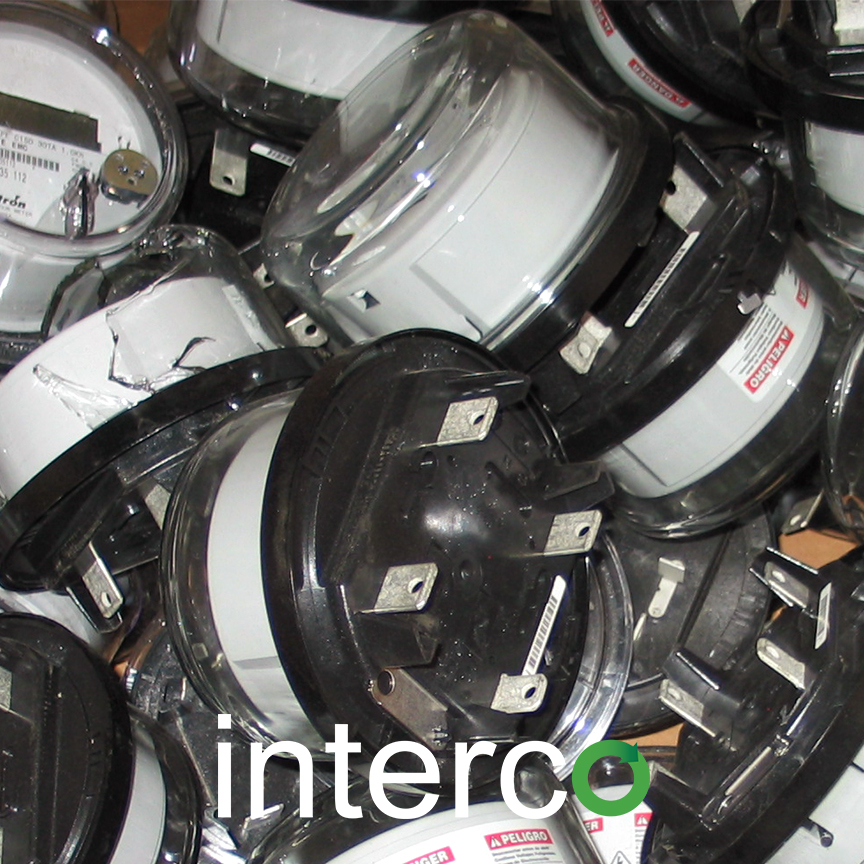
Electric Meter Recycling in Arkansas

Electric Meter Recycling in Arkansas

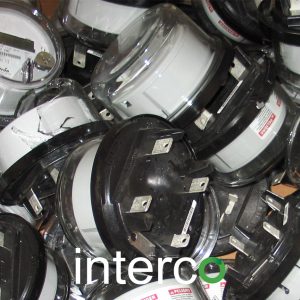
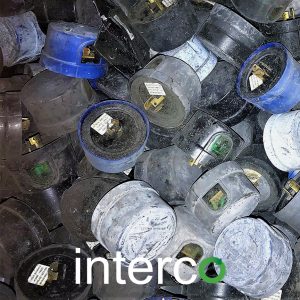
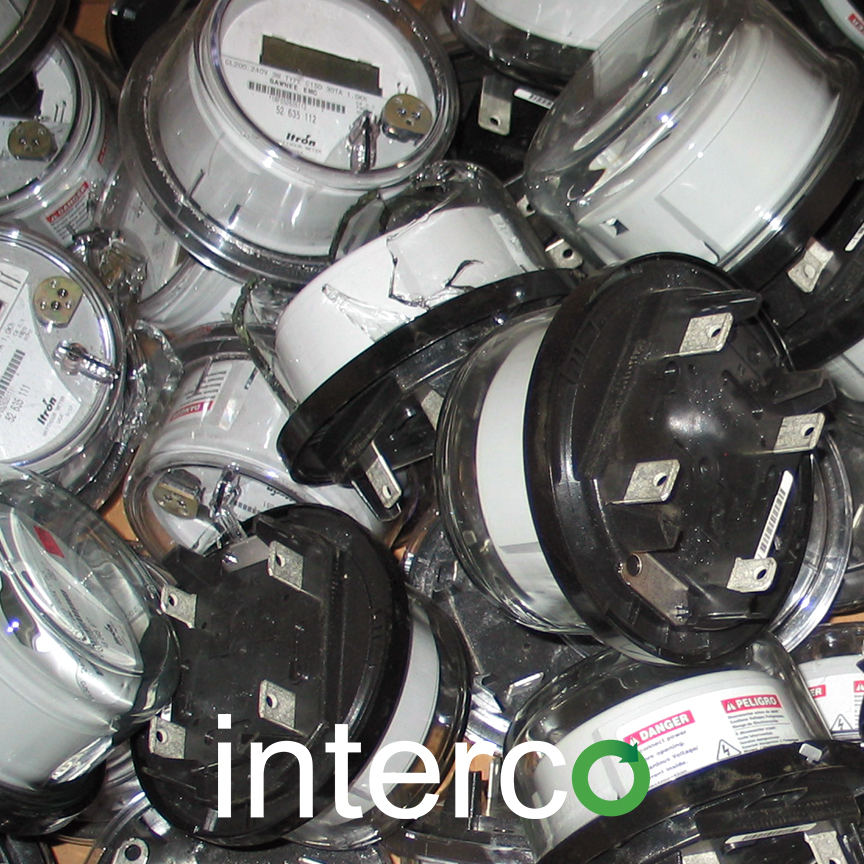
Interco works with electric companies and electric cooperatives to recycle electric meters. Electric meter recycling in Arkansas proves to be an imperative procedure because of the degree of changes with electric meter technology.

Analog electric meters once required a meter reader to stroll around neighborhoods, read the meters, and come back to the office. After this process, they needed to physically enter the data to process a receipt for the services. Eventually, smart meters supplanted analog meters. Smart meters changed the structure for information gathering for utility affiliations.

The presentation of smart meters meant meter readers never again needed to walk house-to-house. They could drive a well-prepared van through a zone and gather the information transmitted directly. Smart meters continue overriding analog meters. Currently, manufacturers produce much smarter meters outfitted with 5G technology. The new meters offer more precision and information security and can a pinpoint the definite territory of a meter inside several feet or less.

Electric affiliations will have more old meters in the following decade than in the previous 25 years consolidated as a result of movements in technology. Thus, affiliations must continue to recycle utility meters.

Preparing to Recycle Electric Meters

In order to recycle utility meters correctly, companies must understand the different types of meters:

Electric Meter Recycling in Arkansas
  • Analog meters with glass covers
  • Digital meters with glass covers
  • Digital meters with plastic covers

These meters all have various characteristics and distinct preparation processes. Analog meters have the least amount of value and often come with a glass cover that must be removed. Digital meters have a higher worth and routinely have a plastic covering that does not need to be evacuated. Glass covers weigh a ton and ought to be expelled from all scrap utility meters before recycling. The glass covers weigh more that the meter itself and could intrude with electric meter recycling in Arkansas. Evacuating glass covers shows to be essential in order to recycle utility meters.

After segregating various meters and perhaps removing the cover, organizations must pack their scrap utility meters for transportation. Packing loosely in palatalized gaylord boxes shows to be the best approach for transporting scrap utility meters. This structure thinks about suitable loading and unloading, proficient trailer packing, and decreased transportation costs. Interco can provide pallets and packing supplies for transportation if organizations need.

Why Recycle Electric Meters

Electric Meter Recycling in Arkansas

After Interco gets the effectively packaged scrap utility meters without glass coverings, the framework to recycle electric meters starts. Interco has many years of experience in electric meter recycling in Arkansas. This experience licenses Interco to have up to a 98% material recycling and recovering rate. Interco will continue with this rate by:

  1. Detaching stainless steel rings and collars
  2. Refining all non-ferrous and ferrous metals
  3. Disconnecting circuit boards
  4. Baling cardboard boxes

In addition to avoiding the landfilling of scrap utility meters, electric meter recycling in Arkansas provides additional benefits. Interco must continue to recycle electric meters and different materials can be found inside these meters:

Electric Meter Recycling in Arkansas

Conclusion

All in all, the need to recycle utility meters develops each day. Technology develops consistently and will continue to do so. Along these lines, the degree of old electric meters will continue to grow. Responsible businesses must locate the right recycler to send their scrap to. Interco recycles thousands of meters every year. Click here if you have any questions on how to recycle electric meters with Interco.

Recycling Yellow Brass in Alabama

Recycling Yellow Brass in Alabama

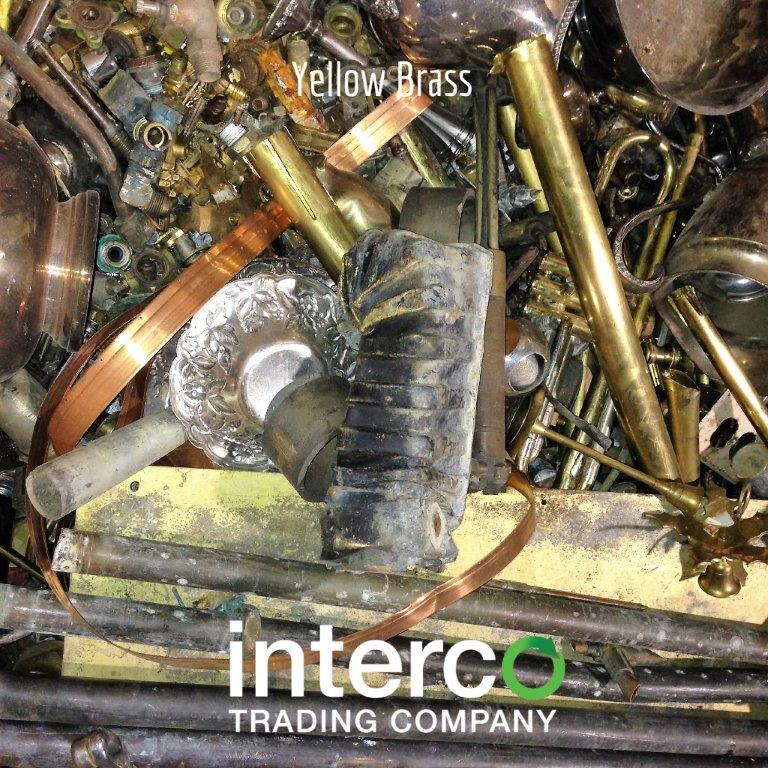
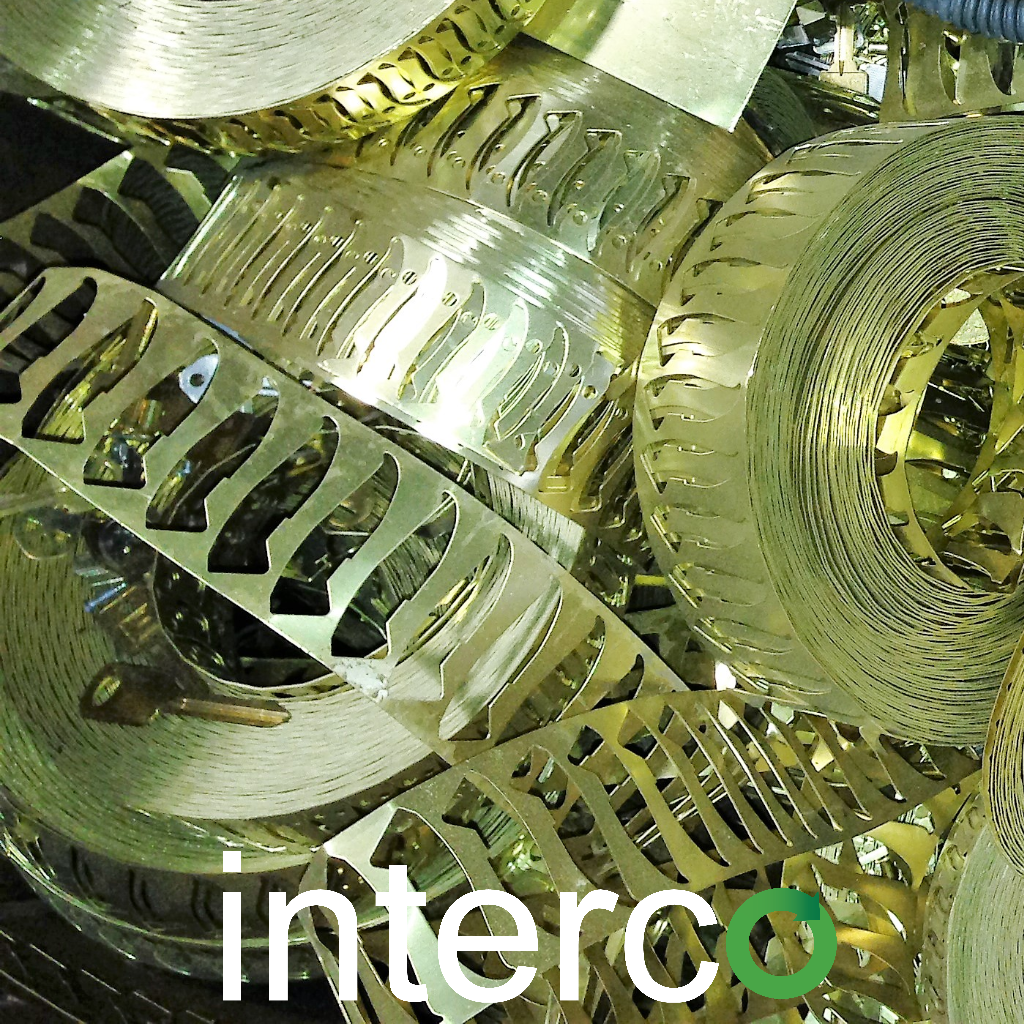
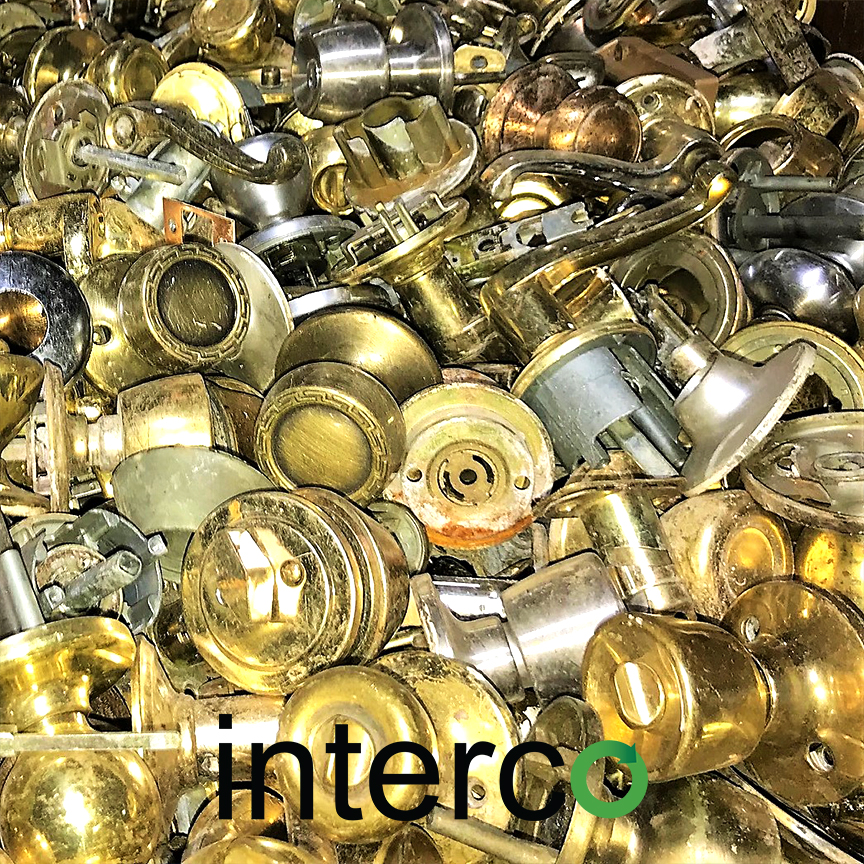
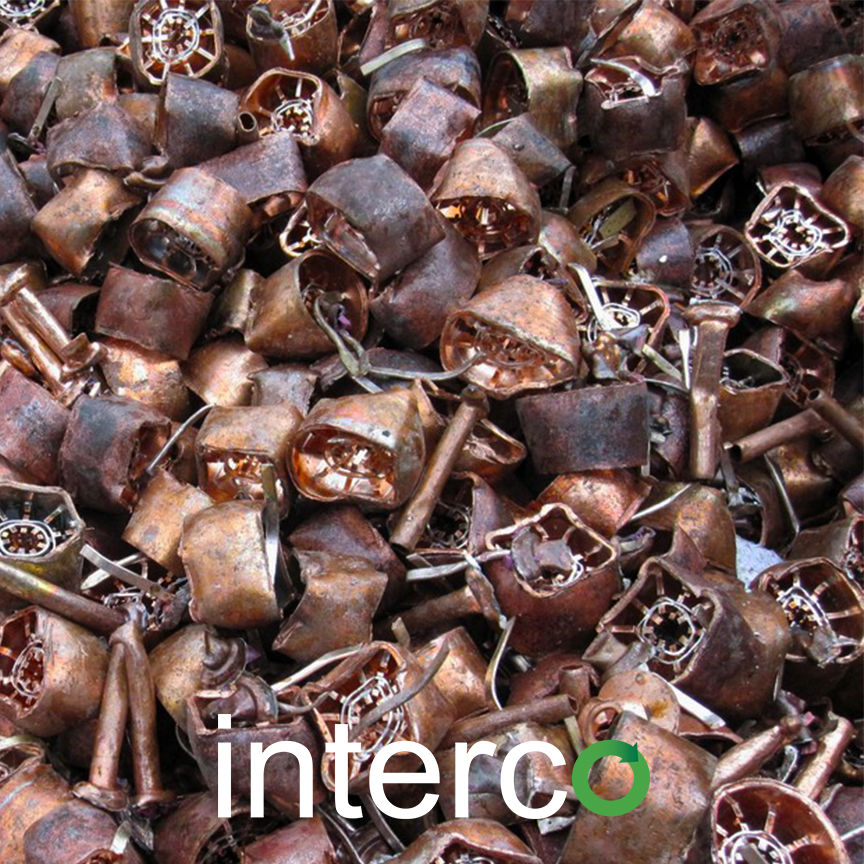
The mix of copper and zinc makes a compound known as yellow brass solids. Individuals ordinarily portray brass as an element metal, despite brass not having an element symbol. Yellow brass solids get their splendid shading because of the larger amount of zinc instead of copper. Producers can ordinarily tell if they have scrap yellow brass because of the shading, yet it is a good thought to get a specialist opinion. Yellow brass is typical in everyday presence which makes recycling yellow brass in Alabama essential. When looking around at ordinary things, one can find yellow brass in these spots:

  • Household plumbing
  • Connectors
  • Radiators
  • Keys

Alongside these things, various individuals use yellow brass solids when decorating their home because of the decorative elements of yellow brass. Yellow brass consistently makes up various dishes, faucets, and even some jewelry. If manufacturers require a material that can’t start, they regularly use brass. Yellow brass gives a low-friction, soft, and safe material.

Scrap Yellow Brass

Recycling Yellow Brass in Alabama

The high proportion of scrap yellow brass generates an extraordinary interest for recycling yellow brass in Alabama. Yellow brass solids accept a large responsibility in the bronze and brass industries. Thus, the brass and bronze industries cause the occasionally surprising expenses for yellow brass. Manufacturers produce yellow brass in the form of:

  1. Brass sheets
  2. Tubing rods
  3. Castings

The Recycling Process

Recycling Yellow Brass in Alabama

Manufacturers produce a huge amount of scrap, yet yellow brass should not be disposed of. Interco buys scrap yellow brass and takes it through a recycling method. Nowadays, essentially 90% of brass products are reused. In order to be most productive at recycling yellow brass in Alabama, Interco must find yellow brass that has low degrees of aluminum and manganese bronze. This kind of yellow brass can be easily recycled. Although, it tends to be very difficult to find.

In most cases, brass has a mix of nonferrous and ferrous materials. When this happens, the two materials ought to be disengaged. The disengagement process starts with a powerful magnet that separates the two kind of metals. The route toward separating the different metals shows to be straightforward since brass is nonferrous.

The strategy of recycling yellow brass is especially like the strategy of recycling other non-ferrous metals. After completing the disengagement process, Interco will:

Recycling Yellow Brass in Alabama
  1. Compact the yellow brass solids into very small pieces so they do not take up as much space
  2. Place the metals into a furnace that will reach very high temperatures which will cause the brass to soften
  3. Pour the metal into a mold for it to cool

Interco purchases yellow brass from almost anywhere in the United States. Because of transportation costs, recycling materials that are many miles away can cause difficulties. Despite these difficulties, Interco continues to expand and develop.

Conclusion

Yellow brass is a typical metal in everyday presence. Due to the raised measures of yellow brass on the planet, recycling yellow brass in Alabama continues to be a necessity. We should continue to reuse 90% or more of all brass things. If you have any inquiries regarding how to deal with your scrap yellow brass, please contact Interco here.

Laptop Recycling in Alabama

Laptop Recycling in Alabama

Businesses recycle laptop computers because it is responsible to do as such. Currently, the large amount of technology makes it essential for businesses to swap out older computers on an even more frequent premise than before. Advancements in technology happen persistently which makes laptop recycling in Alabama essential. Being aware of the altering times and changing technology turns into an essential practice for businesses.

The consistent changes in technology create a significant amount of e-waste. The stockpile of old computers and peripherals continues to grow. Likewise, the need to dependably dispose of these electronics grows too.

As indicated by a study by the United Nations, the worldwide system amassed about 44.7 million tons of scrap computer systems and electronics e-waste in 2016. Unfortunately, customers and companies recycled only 20% of it. In that same calendar year Interco recycled more than 25,000 tons of computers and electronics.

As a result of the high amount of e-waste, laptop recycling in Alabama turns into a more necessary practice. Rather than landfilling e-waste, responsible companies must consider its lasting effect on the environment. Interco helps stop large businesses from adding to e-waste and can help them recycle laptop computers.

How to Recycle Laptop Computers

Laptop Recycling in Alabama

The process for laptop recycling in Alabama begins when Interco purchases e-scrap from businesses. These are the steps utilized to recycle laptops:

  1. Use tools to dispose of glass, plastics, and other contaminants
  2. Remove batteries, circuits, and wiring
  3. Extract nonferrous metals
  4. Prepare to sell precious metals
  5. Cautiously dispose of contaminants

Moreover,the need for companies to recycle laptops develops consistently. The components inside computers and monitors may cause several problems to the environment if not disposed of properly. Despite essentially landfilling the e-waste, there may be troubles in the process of laptop recycling in Alabama. Recyclers melt away the clear plastic material covering off metal cables.

This process enables recyclers to disengage the copper inside from the plastic. Separating the more valuable industrial metals from the cheap plastic makes better sense. This process allows smelters to employ the separated metal in order to form new pure ingots.

Therefore, the discarding of the residual plastic waste must be done in a smart and safe manner. If not, it will cause toxic elements to enter the soil and water in the area. Interco is a certified R2v3 recycler. The high R2 standard guarantees that recyclers take the time to dispose of e-scrap in a safe, environmentally friendly way.

Why Recycle Laptop Computers

Laptop Recycling in Alabama

The benefits of laptop recycling in Alabama go beyond preventing harmful materials from entering the environment. Extra benefits of recycling laptops include:

In particular, safely discarding e-waste guarantees the conservation of raw materials. Precious and industrial metals pulled from laptops include gold, silver, and copper. According to Federico Magalini, an expert, up to 80 times as much gold exists in one ton of cellphones as exists in a single gold mine. Interco will consistently recycle laptops to stop the development of worldwide e-waste.

Conclusion

All in all, businesses must recycle laptops.E-waste proves to be a significant issue for the worldwide environment. With such a large amount of e-waste and a small percentage of it being recycled,responsible businesses must locate the correct e-waste recycler. Interco has been recycling computers and electronics since 1996 and has become one of the leading recyclers of laptop computers in North America. Click here for more information on recycling computers, electronics, and other nonferrous material.
Electric Meter Recycling in Alabama

Interco works with electric organizations and electric cooperatives to recycle electric meters. Electric meter recycling in Alabama demonstrates to be a fundamental process due to the extent of changes with electric meter technology. Analog electric meters once required a meter reader to walk around neighborhoods, read the meters, and return to the office. After this procedure, they needed to physically enter the information to process a receipt for the services. Inevitably, smart meters replaced analog meters. Smart meters changed the structure for data gathering for utility affiliations. Electric Meter Recycling in Alabama The introduction of smart meters meant meter readers never again needed to walk house-to-house. They could drive a well-equipped van through an area and collect the data transmitted directly. Smart meters continue supplanting analog meters. Today, manufacturers produce much smarter meters furnished with 5G technology. The new meters offer more exactness and data security and can a pinpoint the exact area of a meter inside a couple of feet or less. Electric associations will have more old meters in the next decade than in the past 25 years combined because of progressions in technology. Along these lines, associations must continue to recycle utility meters.
Preparing to Recycle Electric Meters

In order to recycle utility meters correctly, companies must understand the different types of meters: Electric Meter Recycling in Alabama
  • Analog meters with glass covers
  • Digital meters with glass covers
  • Digital meters with plastic covers
These meters all have different qualities and distinct preparation processes. Analog meters have an exceptionally small worth and often come with a glass cover that must be evacuated. Digital meters have a higher worth and routinely have a plastic covering that does not need to be removed. Glass covers weigh a ton and should be removed from all scrap utility meters before recycling. The glass covers weigh more that the meter itself and could meddle with electric meter recycling in Alabama. Removing glass covers shows to be necessary in order to recycle utility meters. After isolating different meters and possibly expelling the cover, companies must pack their scrap utility meters for transportation. Packing loosely in palatalized gaylord boxes shows to be the best approach for packing scrap utility meters. This structure takes into consideration appropriate stacking and emptying, efficient trailer packing, and diminished transportation costs. Interco can provide pallets and packing supplies for transportation if businesses need.

Why Recycle Electric Meters

After Interco gets the correctly bundled scrap utility meters without glass coverings, the system to recycle electric meters begins. Interco has many years of experience in electric meter recycling in Alabama. This experience licenses Interco to have up to a 98% material recycling and recovering rate. Interco will proceed with this rate by: Electric Meter Recycling in Alabama
  1. Detaching stainless steel rings and collars
  2. Refining all non-ferrous and ferrous metals
  3. Disconnecting circuit boards
  4. Baling cardboard boxes
In addition to preventing the landfilling of scrap utility meters, electric meter recycling in Alabama gives extra focal points. Interco must continue to recycle electric meters and various materials can be found inside these meters: Electric Meter Recycling in Alabama

Conclusion

In conclusion, the need to recycle utility meters builds up every day. Technology grows always and will keep on doing as such. In this way, the level of old electric meters will continue developing. Dependable organizations must find the correct recycler to send their scrap to. Interco recycles thousands of meters each year. Click here if you have any questions on how to recycle electric meters with Interco.

Recycling Brass Shell Casings

Recycling Brass Shell Casings

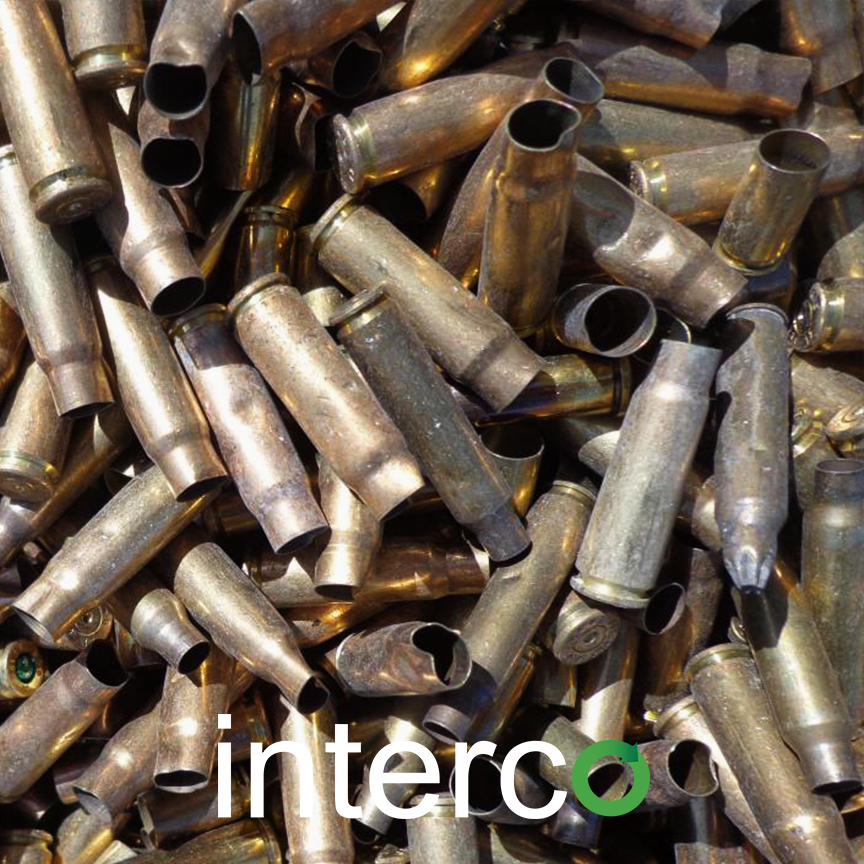
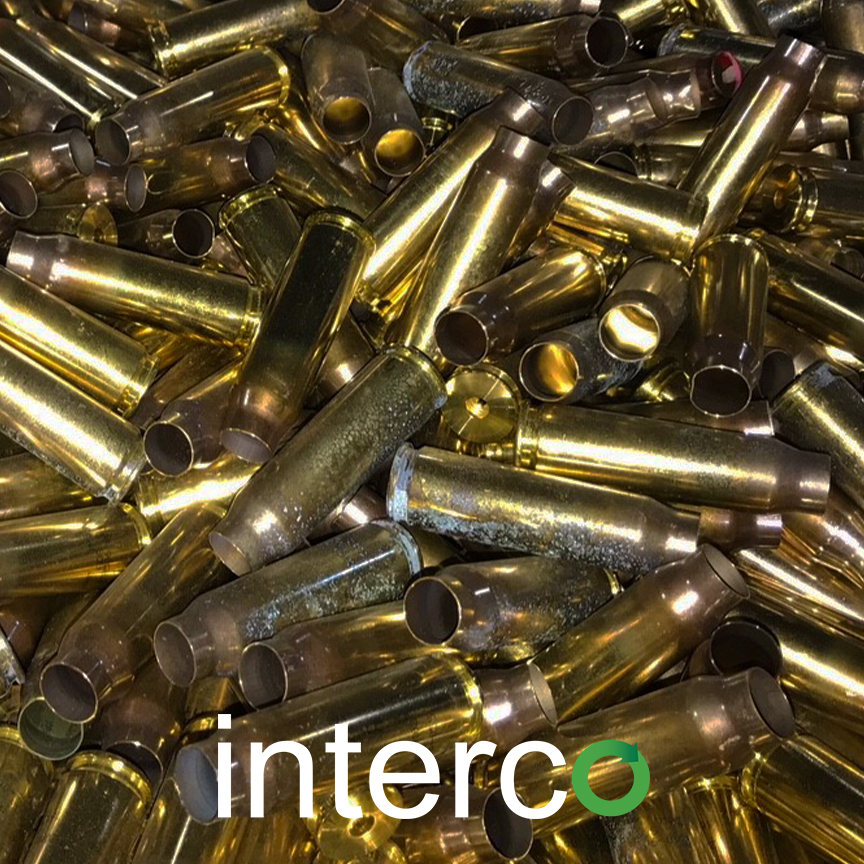
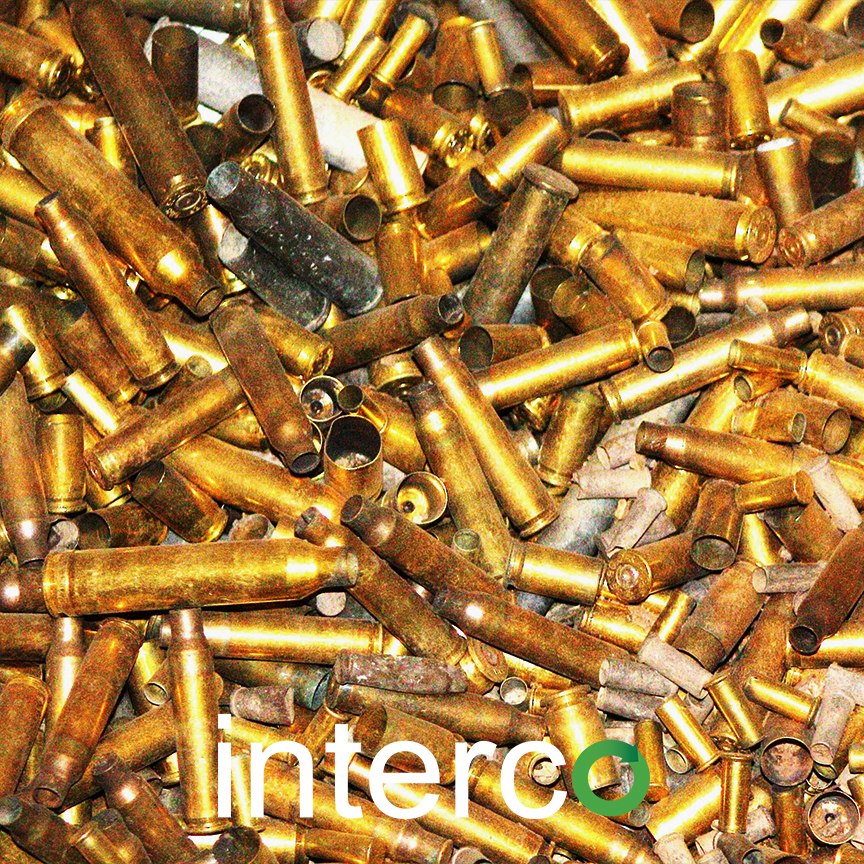
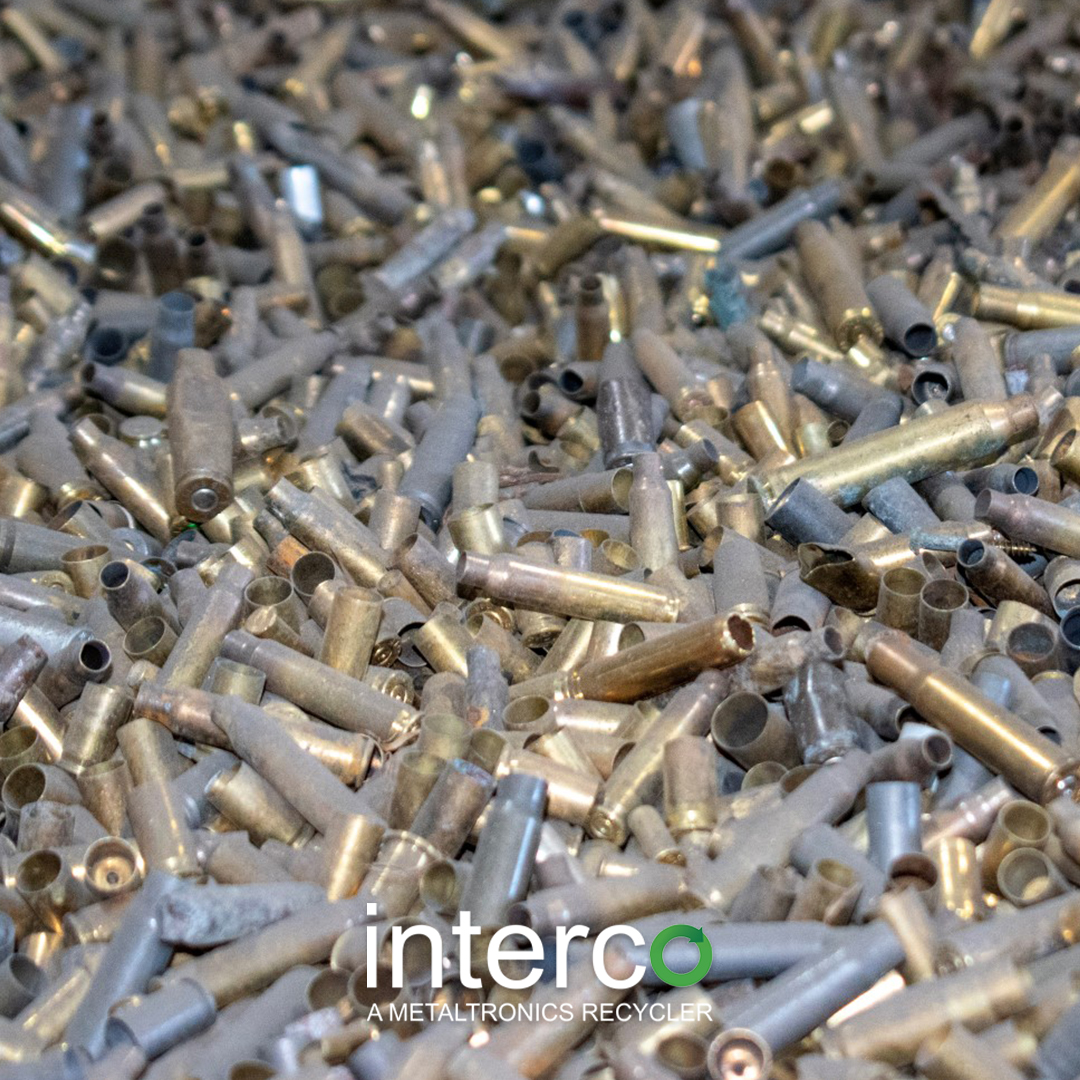
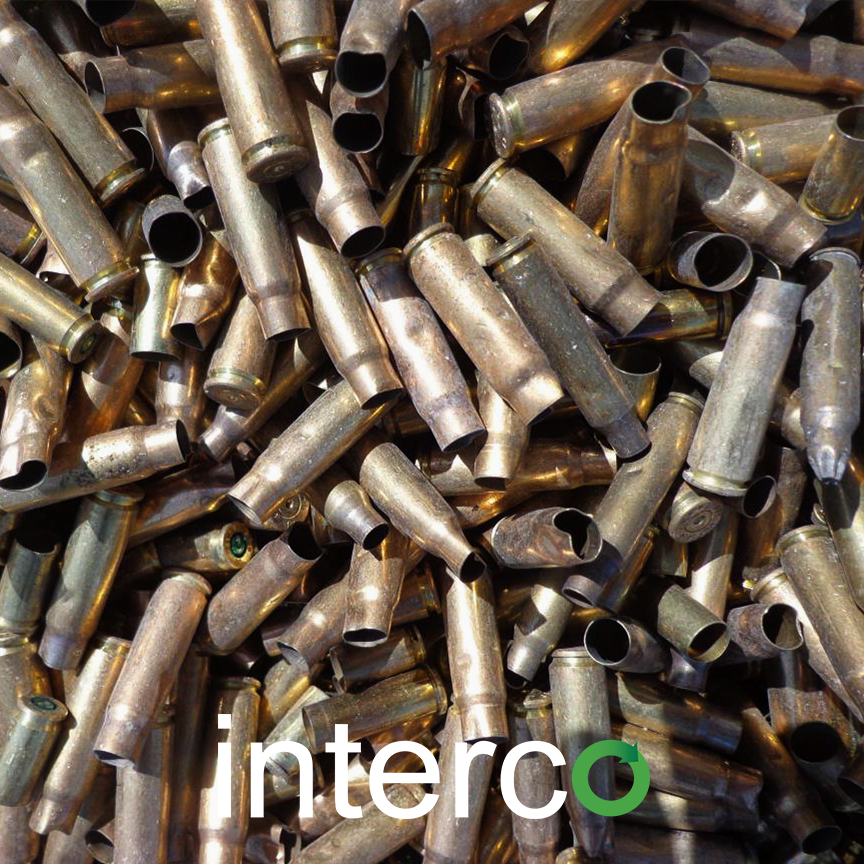
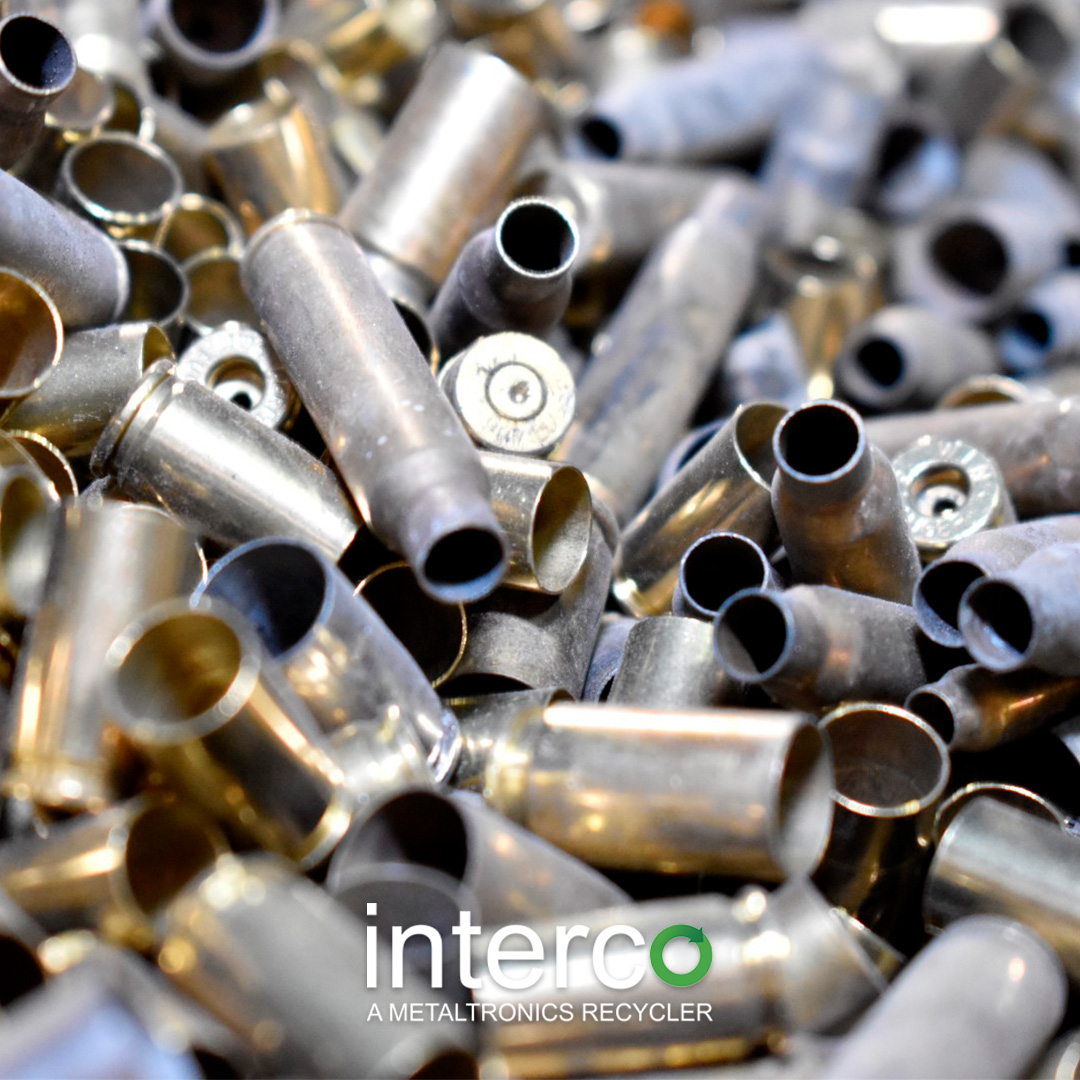
Scrap brass ammo is the most popular type of recycled ammunition. Their popularity derives from the shell casings durability, corrosion resistance and ease of reloading. Therefore, scrap brass ammo is extremely important to collect and recycle, though easy to do. Before talking about recycling brass shell casings, get to know the parts of the ammo. 

  • The Projectile
  • Packaging
  • Black Powder
  • The Groundwork.


Why You Should Recycle Brass Shell Casings

Manufactures produce large amounts of scrap. While where to recycle scrap brass cartridges seems like a huge concern, Interco can help. Interco buys scrap metal and takes it through a reusing process.

When recycling brass shell casings, Interco discovers metal shell housings with low degrees of aluminum and manganese bronze. In fact, 90% of metal is reused. The brass shell casing is recyclable and can be reused several times. As a result, new ammunition is manufactured.

The Recycling Process

Recycling Brass Shell Casings

Ammunition must be inert to be recycled. Live Cartridges cannot be recycled for safety reasons; they may explode. Additionally, the lead slug in live ammo contaminates the shell’s brass hence recyclers find it difficult to separate lead from brass.

Recycling Brass Shell Casings
  1. Shells must be sorted by material. Shell alloys are usually made from brass, aluminum or steel. Occasionally they are plated with chrome, nickel, silver or even gold.
  2. After being sorted, the shell must be removed. 
  3. Shells are “popped” in a high-temperature kiln after being sorted.This forces any live rounds to explode. 
  4. A quality control supervisor verifies the shells, after they are placed in a special bin to cool.
  5. Next, the shells are cleaned. Cleaners rinse the shells to remove as much lead and dirt as possible. 
  6. Inspectors run clean-and-popped shells through a shaker table. They verify that live rounds and other unwanted materials are removed.
  7. Next, a hammer mill or shredder takes the shells and deforms them into smaller pieces. Then an aggregator machine takes these pieces and loads them for transportation. 
  8. Finally, the shells are taken to a brass mill. Here they are melted and combined. Mixed with metallic elements to achieve the specific blend. Then, shells are formed into rod or ingot.

Interco purchases scrap brass cartridges across the United States. Due to transportation costs, recycling brass shell casings that are far away can cause difficulties. Regardless, Interco overcomes any travel issues.

 Conclusion

In conclusion, scrap brass ammo is the most popular type of recycled ammunition. Most consumers are unaware that they can recycle brass shell casings. Therefore, Interco provides the solution with a simple and efficient way to recycle brass shell casings.

For more information about how to recycle scrap brass ammo casings, click here to contact Interco.

Scrap Brass Breakage & Irony Brass

Scrap Brass Breakage & Irony Brass

Scrap Brass Breakage & Irony Brass

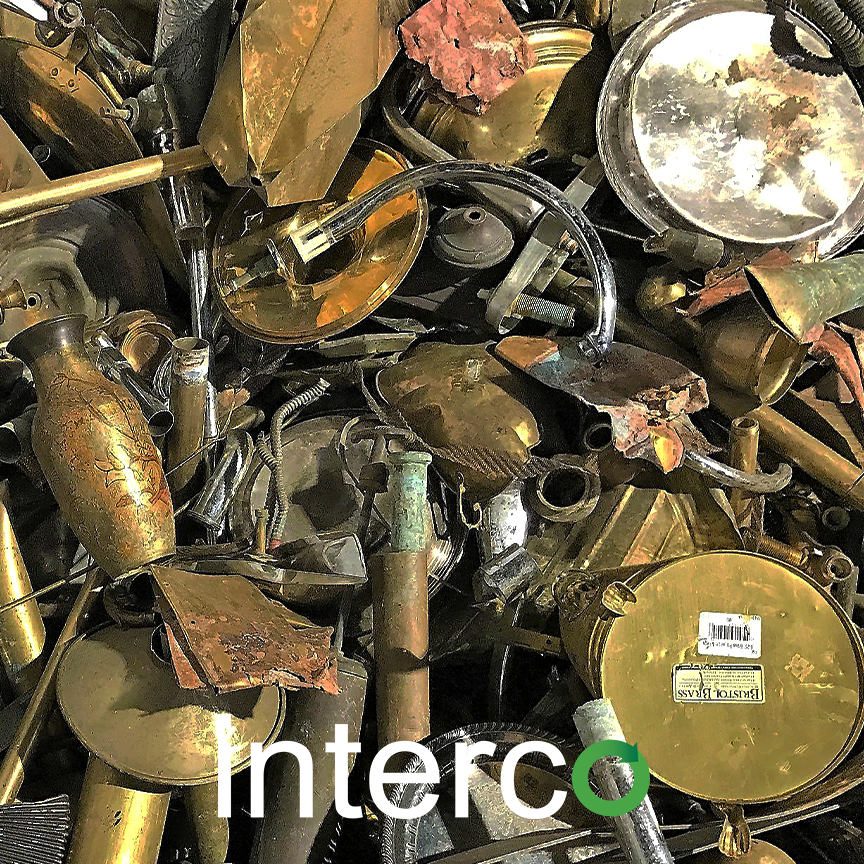
Scrap brass breakage is a red metal comprised of copper and zinc. Additionally, it includes having iron, aluminum, stainless steel, or other metals attached to the brass.  It is a nonferrous red metal. In fact, if the metal has a higher percentage of brass in, it is more valuable.  This type of metal can be found all over but some common examples of scrap irony brass are:

  • Bolts
  • Water Valves
  • Faucets
  • Pipes
  • Fixtures

Why is Recycling Irony Brass Important?

Scrap Brass Breakage & Irony Brass

If companies like Interco did not recycle scrap brass breakage, then manufacturers would have to mine for more ore. Consequently, this would mean more of earth’s natural resources will diminish over time. So by properly recycling the brass, the metal will not end up in landfills. Brass is not a metal that will deteriorate quickly. Therefore, it would be a waste of precious metals if companies were to discard the material in a landfill.

Nonferrous metals do not lose their incentive in the recycling procedure. As a result, these metals can be reused on various occasions. The general public is becoming more mindful of the monetary and the environmental problems regarding wasting material. Hence, recycling nonferrous metals such as scrap irony brass are becoming more evident.

Scrap Brass Breakage & Irony Brass

 Where does the Brass Breakage go?

Interco constructs valuable metal recycling bundles which include scrap irony brass to be delivered to industrial purchasers. Therefore, the places the metals end up at our mills, smelters and processing plants. Locations can be in the United States or abroad. A portion of the manners in which Interco bundles the material is by utilizing the following methods:

  • Gaylord Boxes
  • Pallets
  • Metal Bins
  • Crates

The Process of Recycling Brass 

The process of recycling scrap brass breakage is relatively simple and is similar to the recycling process of other nonferrous metals.

  1. First, Interco must separate the brass based on whether or not it is clean. They then must clean all scrap irony brass before the recycling process can begin.
  2. Next, a machine crushes the precious metals into small fragments that could fit into someone’s hand.
  3.  After the crushing process, recyclers then put them into a furnace that can reach extremely high temperatures.
  4. After the temperatures soften the metals by melting them, the cleansing part of the process begins. While the metal is still in its molten state, electrolysis purifies it. Finally, the recycler pours the metal into a mold for it to cool.

Interco purchases red metal, white metal and scrap irony brass from everywhere in the United States. The expanding transportation costs frequently poses as a test, especially when attempting to recycle material of great distances. Regardless of this, the company keeps developing and flourishing.

Conclusion

Scrap brass breakage should not be thrown away. Take the material that you wish to discard to a junkyard, they will send the metal to Interco. 

For more information about the recycling of scrap brass breakage, click here.

Solar Panel Recycling in the USA

Solar Panel Recycling in the USA

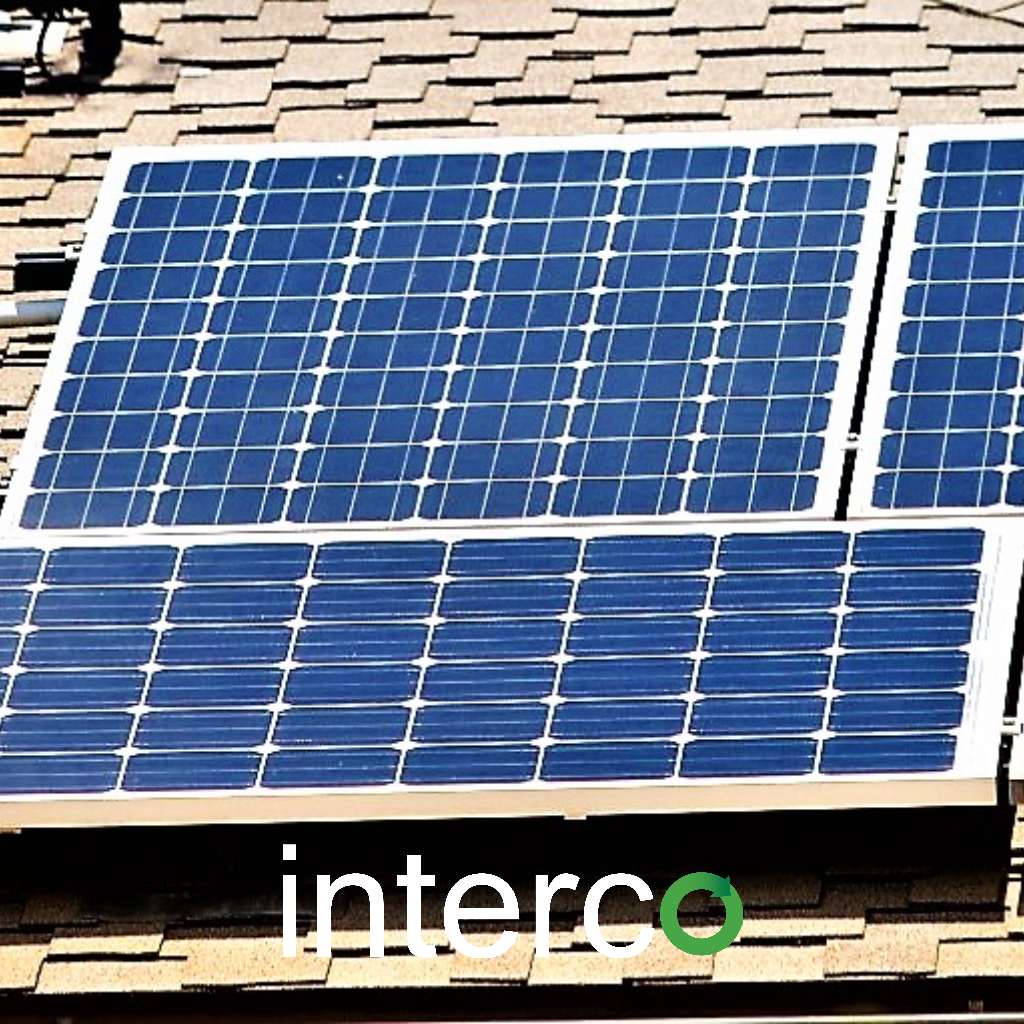
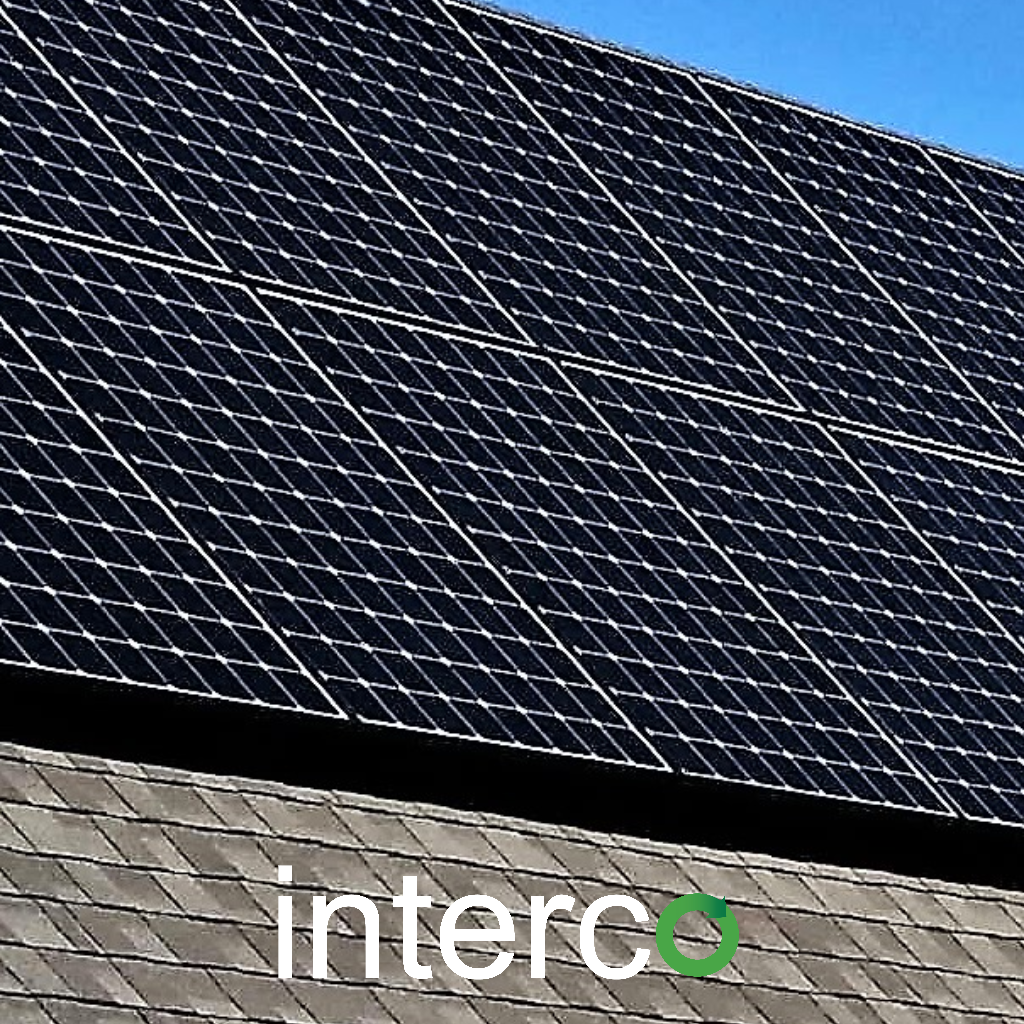
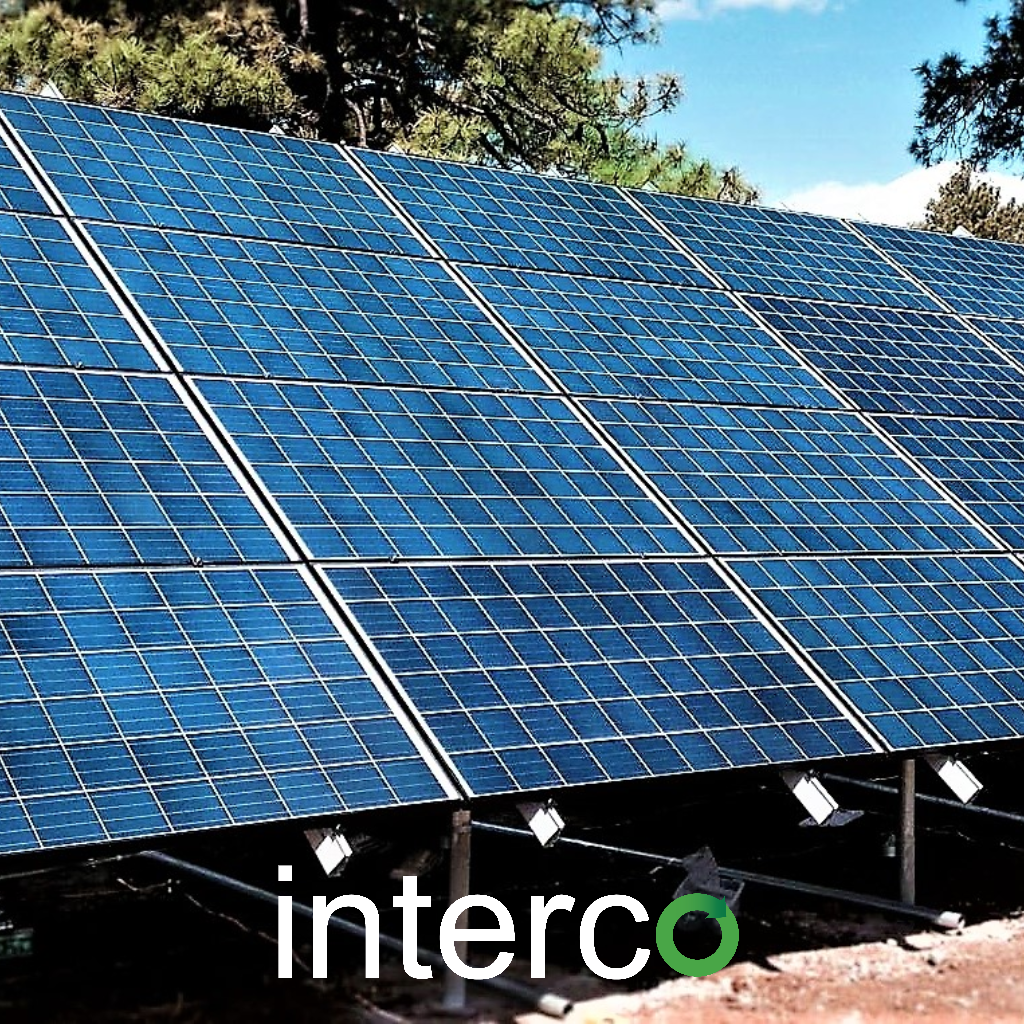
With the high number of domestic solar panel installations comes the need for USA solar panel recycling services. Gone are the days of landfilling solar panels. Today, it is important that solar panel installers and decommission companies recycle solar panels. This service is very important.

How Does USA Solar Panel Recycling Work?

Solar Panel Recycling in the USA

First and foremost, a USA solar panel recycling company must have proper  expertise and credentials to recycle the material. 
A good place to start might be the Solar Energy Industries Association (SEIA) website.

  1. This trade association “embodies the innovation and entrepreneurship that defines solar energy.”
  2. SEIA members represent North America’s top solar panel installers, decommissioning companies and recycling companies. The membership experiences significant growth.

Second, the USA solar panel recycling company must adhere strictly with the laws. In addition, they must adhere to local ordinances of the governing area. Certain states outlaw landfilling solar panels. Rather, others require that solar panels be recycled. Depending on the condition of the solar panels, some states regulate their transportation. As a result, they require that the driver possess hazardous material certification. This makes a difference.

  •  Lithium-ion batteries can be very dangerous if not handled properly. Be very careful while recycling these batteries.
  •  Consequently, recycling solar panels containing lithium-ion batteries requires great care.
  •  Those in damaged, factory recalled, or end-of-life modules pose extremely dangerous risks.
  •  Lithium-ion fires require a great amount of water to extinguish and are very difficult to put out.
  •  Since most residential solar panels install on rooftops made of wood, the risk of property damage increases exponentially.

What is Most Important About USA Solar Panel Recycling?

Most importantly, solar panel recycling companies in the USA should maintain ISO 14001 Environmental and ISO 45001 Health & Safety certifications. Above all, proper training and procedures make a difference! Certainly, proper safety saves lives.

Solar Panel Recycling in the USA

Solar panel recycling often proves a very dangerous activity. Moreover, many residential solar panel installations rely on lithium ion batteries to store the power. These batteries are susceptible to dangerous fires.

  •  Lithium-ion batteries can be very dangerous if not handled properly. Be very careful while recycling these batteries.
  •  Consequently, recycling solar panels containing lithium-ion batteries requires great care.
  •  Those in damaged, factory recalled, or end-of-life modules pose extremely dangerous risks.
  •  Lithium-ion fires require a great amount of water to extinguish and are very difficult to put out.
  •  Since most residential solar panels install on rooftops made of wood, the risk of property damage increases exponentially.

Will USA Solar Panel Recycling Go Down in Price?

Solar Panel Recycling in the USA

It can be very expensive to recycle solar panels. The intrinsic value in today’s PV modules is not the same as before. The aluminum content has decreased greatly. In contrast, there is much more steel which is less valuable than aluminum. Newer solar panels contain more silicon as well. Silicon is very difficult to recycle and landfills do not want solar panels. 

What does this mean to the cost to recycle solar panels? It is unlikely to decrease in cost especially with increased green lifestyle scrutiny and increasing demand. With China out of the market, the price to recycle solar panels in the USA is sure to go up. 

Conclusion

In conclusion, the high number of solar panels installed in the USA has led to the search for a way to effectively recycle solar panels. It can be very expensive to recycle solar panels. Additionally, there are not many companies with the resources to recycle solar panels effectively. Solar panel recycling companies must have the proper expertise and credentials to recycle the materials, and they must adhere strictly to environmental laws and regulations. Regardless, Interco overcomes these obstacles, making us the best solar panel recycling company in the nation.

For more information about recycling solar panels with Interco, click here.

Interco Specializes in Mixed Scrap Loads

Interco is an expert in recycling loads of mixed scrap material. In addition to all things eScrap, computers, servers and electronics, Interco buys the following:

Interco Specializes in Mixed Scrap Loads

Red Metals

  • Bare Bright
  • #1 Copper
  • #2 Copper
  • Copper Chops
  • Red Brass (Red/Semi-Red)
  • Yellow Brass – Clean (Solids/Turnings)
  • Brass Shells – Clean (No Live Rounds)
  • Brass Breakage (50%/75%)
  • Auto Radiators (Clean/Dirty)
  • Al/Cu Radiators (Clean/Dirty)
  • Al/Cu Radiator Ends
  • Water Meters (Clean/Plastic/Steel)
  • #1 Insulated Wire (60-65% Cu)
  • #2 Insulated Wire (40-45% Cu)
  • Heliax – Open-Eye Copper/Copper
  • Harness Wire
  • Jelly Wire
  • Computer Wire (30-35% Cu)
  • Christmas Lights
  • 2-in-1 Wire (8A/6A)
  • Copper-Clad Wire (30%)
  • BX Cable (Al/Fe)
  • URD Wire
  • Copper Yokes
Interco Specializes in Mixed Scrap Loads

White Metals

  • Old sheet (<5% allowance)
  • Cast Aluminum (<5% Allowance)
  • Painted Siding
  • Road Signs
  • MLC (Bare/Paint+Poly)
  • UBC’s (Mill-Grade/Secondary)
  • 10/10 Extrusions – Clean (<2% allowance)
  • Litho
  • EC Wire
  • Aluminum Radiators (Clean or Dirty)
  • Alum Turnings – Clean (High-Grade/Mixed)
  • Al Foil and Screens
  • Aluminum Breakage
  • Transmissions (no torque converters)
  • Auto AC compressors
  • 356 Wheels (Clean or Dirty)
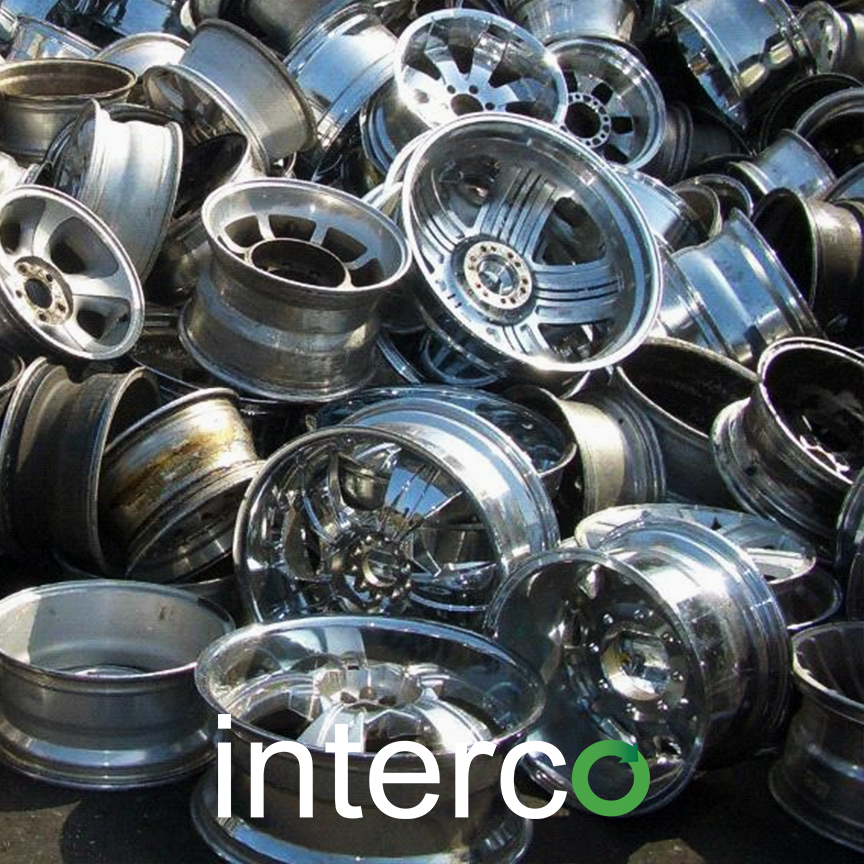
  • Chrome Wheels (Clean or Dirty)
  • Truck Wheels (Clean or Dirty)
  • ACSR/Insulated Alum Wire – 65% Alum
  • Gas Meters (Whole)
  • Oxygen Tanks (Halved or Open-Ended)
  • CATV Wire (Bare/Black/Irony)
  • Old Zinc Die Cast (Clean/Irony)
  • 304 Stainless (Solids/Turnings)
  • 316 Stainless (Solids/Turnings)
Interco Specializes in Mixed Scrap Loads

Lead

  • Clean Soft Lead
  • Hard or Mixed Lead
  • Lead Shot
  • Range Lead – Indoor
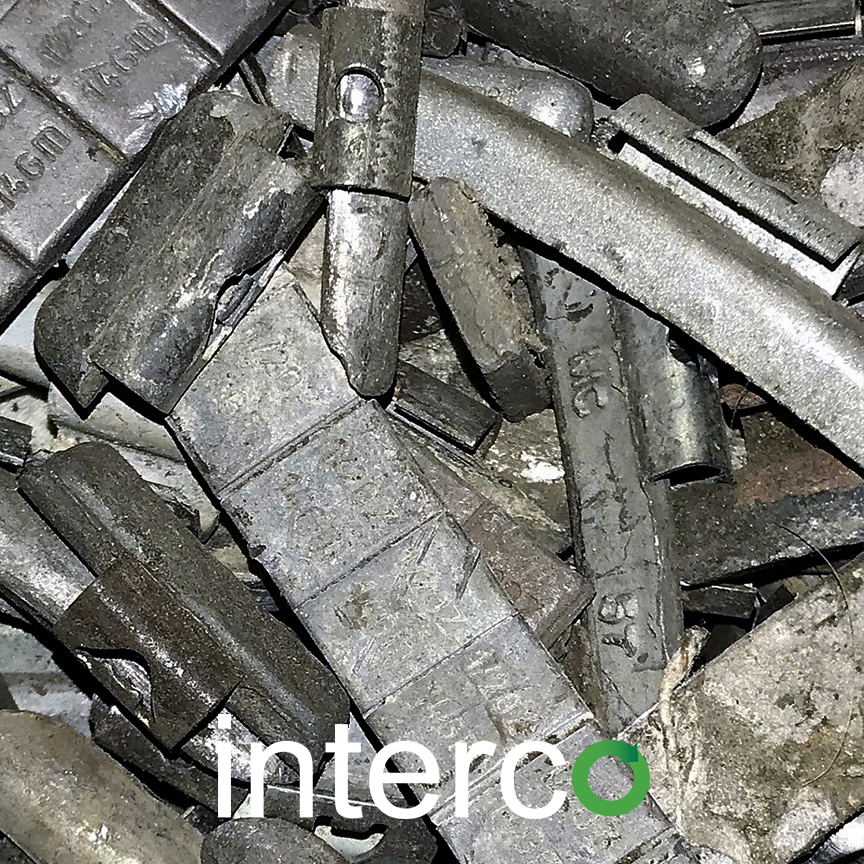
  • Wheel Weights
  • Auto Batteries (Wrapped/Banded)
  • Steel-Cased Batteries (Wrapped/Banded)
  • Lead-Copper Cable

Copper-Iron/Other

  • Clean Electric Motors (Mixed/Large)
  • Sealed Units
  • Cast Iron Compressors
  • Ballasts (Non-PCB and Electronic)
  • HID ballasts (Al/Fe)
  • Cu Transformers (Small/Large)
  • Al/Cu Transformers (Small)
  • Aluminum Transformers (Large)
  • Welders and Battery Chargers
  • Copper-Bearing Material (CBM)
  • Alternators
  • Starters (Alum/Steel-Nosed)
  • Electric Meters (Digital/Analog/Glass)

Conclusion

Interco recycles mixed scrap loads. In addition, our suppliers can ship a truckload of material (usually 40,000+ pounds) – with any combination of the above items. Additionally, there is no minimum quantity per item. In fact, they just need to be separated either by bale or by gaylord box.

To learn more about Interco’s mixed scrap recycling services, click here.

Interco Buys Computers and eScrap

Interco Buys Computers and eScrap

In today’s age, recycling has become popular among people. Those who recycle accomplish as much as they can to help maintain a greener world. To try keep as much material out of landfills as possible, some sell eScrap computers and scrap electronics at a profit. Collecting aluminum cans was the in thing in the 80’s and 90’s. Today collecting used computers and electronics and turning them in for some cash is hot. In fact, to recyclers it can be very lucrative. Interco buys eScrap computers and scrap electronics of all shapes and sizes.

Components

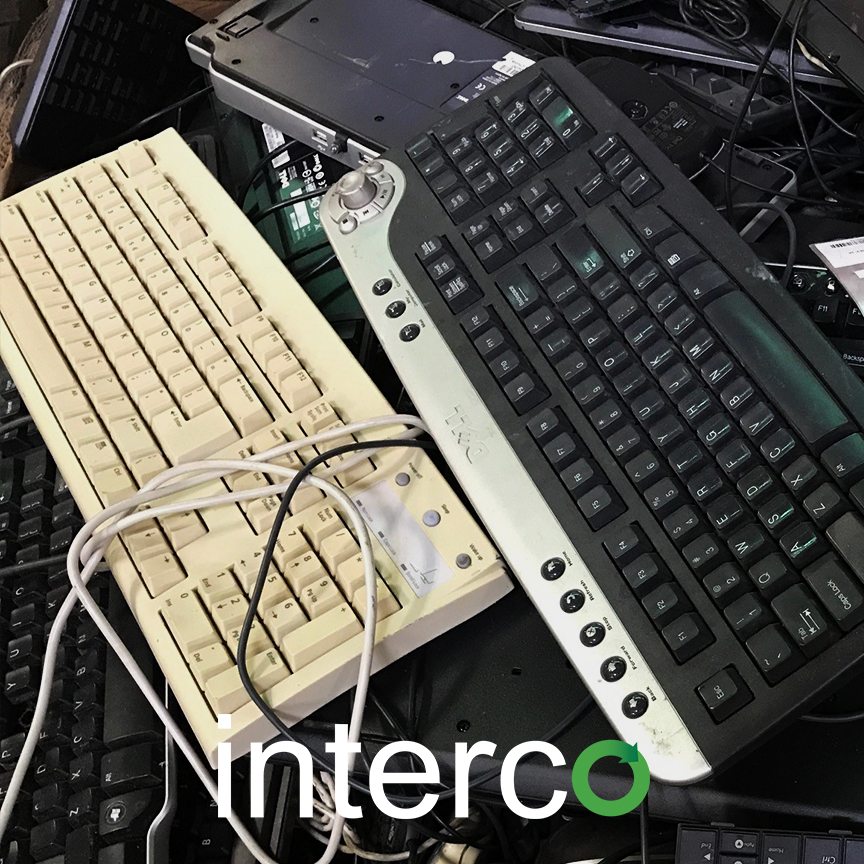
The list of items that are recyclable grows daily. It includes components, which are the pieces that go in to the construction of a computer. In addition, they include adapters, CD ROM or Floppy drives, fans, hard drives, keyboards, even docking stations for laptops. Interco recycles commercial and residential telephones and systems as well. Printers, copiers and fax machines make great items for recyclers. However, it is important to remove the toner cartridges to avoid contaminating the more valuable circuitry. Hard drives and power supplies often represent some of the most valuable parts of the computers. Recyclers shred, punch, or bend the hard drives. This protects the previous owner so that the data remains out of reach.

Interco Buys Computers and eScrap

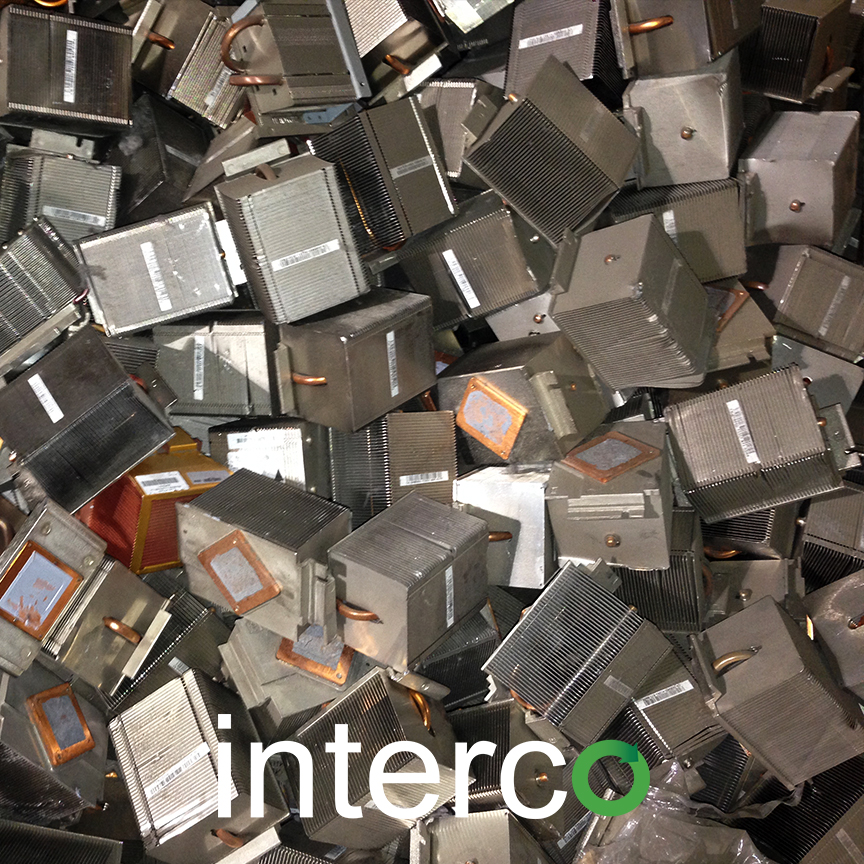
Items in the Components category of folks who sell eScrap computers include Adapters with and without cords. In addition, there are CD-ROM or floppy drives, cable boxes with or without the hard drives. Also, Consumer electronics – general miscellaneous e-scrap find their way. It is common to find Docking stations and Fans from computers as well. In addition, Hard drives with boards in tact, punched, shredded, or bent or fit in this category too. Many sell eScrap computers with Heat sinks without the fans attached that are either aluminum or aluminum/copper. Furthermore, Transformers provide excellent material to recycle. Computer wire — Cat5, Cat5e, Cat6, or Cat8 Ethernet wire, ribbon-wire, flat wire is great too. Consequently, scrappers sell eScrap computers and scrap electronics. Because it recovers well, copper or aluminum degaussing wire represent terrific items. Also, recyclers love copper Yokes with the glass removed to sell eScrap computers and scrap electronics as well.

Whole Units

Interco Buys Computers and eScrap

As a result, it makes less sense for a recycler to dismantle whole units to sell the pieces individually. Instead, they sell eScrap computers and scrap electronics as a whole. Computers, laptops, servers, and monitors make up the majority of this category.

  • Computer towers (HDD removed)
  • Servers (HDD removed)
  • Laptops (HDD and batteries removed)
  • LCD Monitors
  • LCD Televisions
  • Monitors & TVs (CRT)
  • Cell phones (batteries must be removed)

Other Components

Moreover, Keyboards (remove the cords), Networking such as modems, routers, and switches, and Telephones often fit in this category. Also, Power supplies from servers with — with and without cords — recycle well. They are considered to be some of the most valuable computer component items. All Printers, copiers, fax machines must have the toner removed. Consequently, the UPS come with or without batteries. In addition, the Ballasts originate as non-PCB, electronic, HID-aluminum and HID steel. As a result, the non-PCB Capacitors make up a good part of the components seen at eScrap recycling facilities.

Interco Buys Computers and eScrap

eScrap computers and electronics also include heat sinks which are most often aluminum. Accordingly, they could be copper as well. Small electronic transformers come in all copper, all aluminum, and a combination of aluminum mixed with copper. All computers use a great deal of wire both within the case and on the outside. This wire mostly consists of copper, but some can be aluminum and a small percentage is steel. The Ethernet cable — usually Cat5, Cat5e, Cat6, or Cat8 — becomes functionally obsolete the faster the processors and network gear becomes. Accordingly, companies often replace even the best equipment the moment it becomes outdated. This ensures optimal performance and to maintain top security for their data.

Batteries

Interco Buys Computers and eScrap

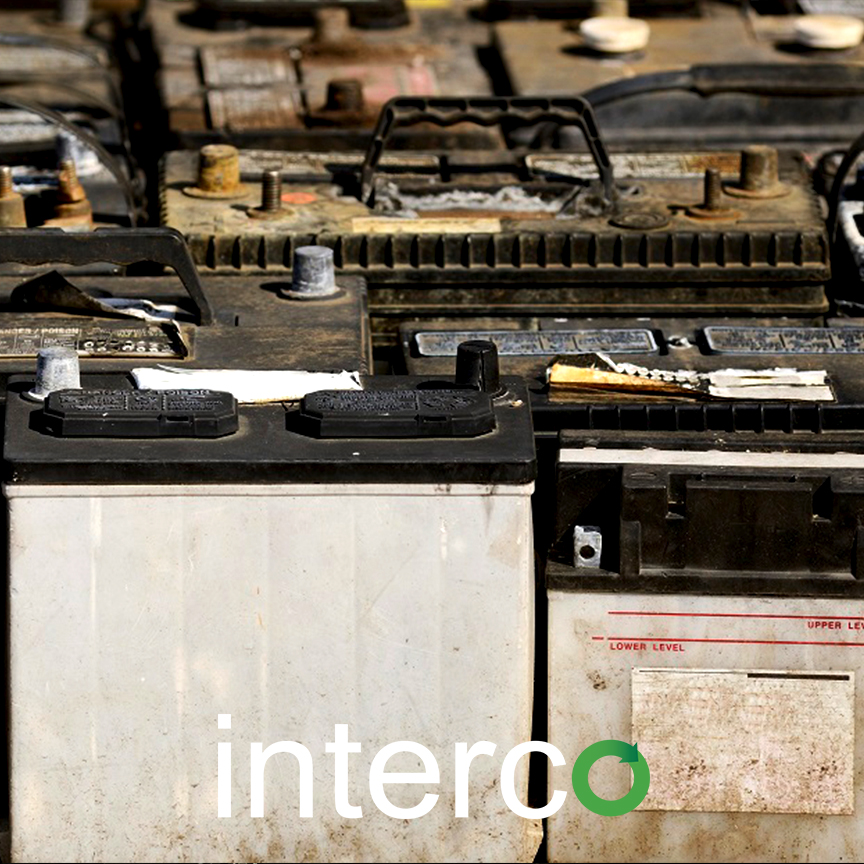
Who knew there were so many different types of batteries to sell eScrap computers when recycling? Some batteries are less common such as Absolyte Batteries Cells or steel-cased Absolyte Batteries. Even Alkaline Batteries like you would find in a flashlight with Scrap Electronics are recycled. Perhaps, the most common of batteries to be recycled when people sell eScrap computers and scrap electronics to Interco are Lead-Acid Batteries. You see these batteries in automobiles, trucks, even small vehicles like ATV four-wheelers and off-road vehicles. They can have plastic cases or steel cases. They are all sealed for safety when they sell eScrap computers and scrap electronics.


Boards & Precious Metal

Interco Buys Computers and eScrap

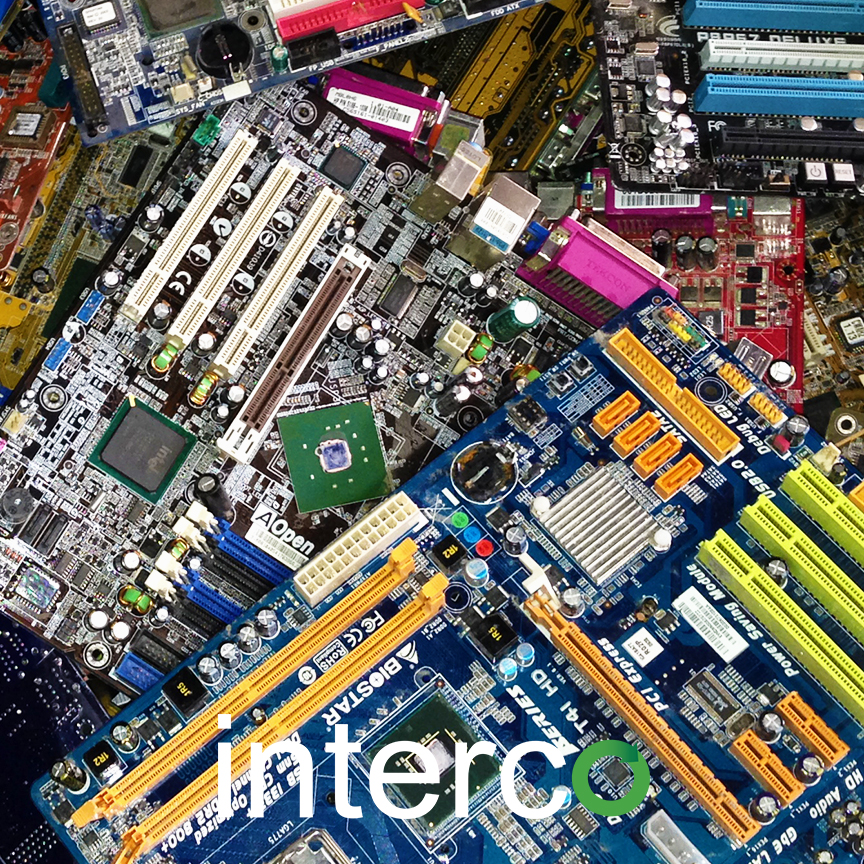
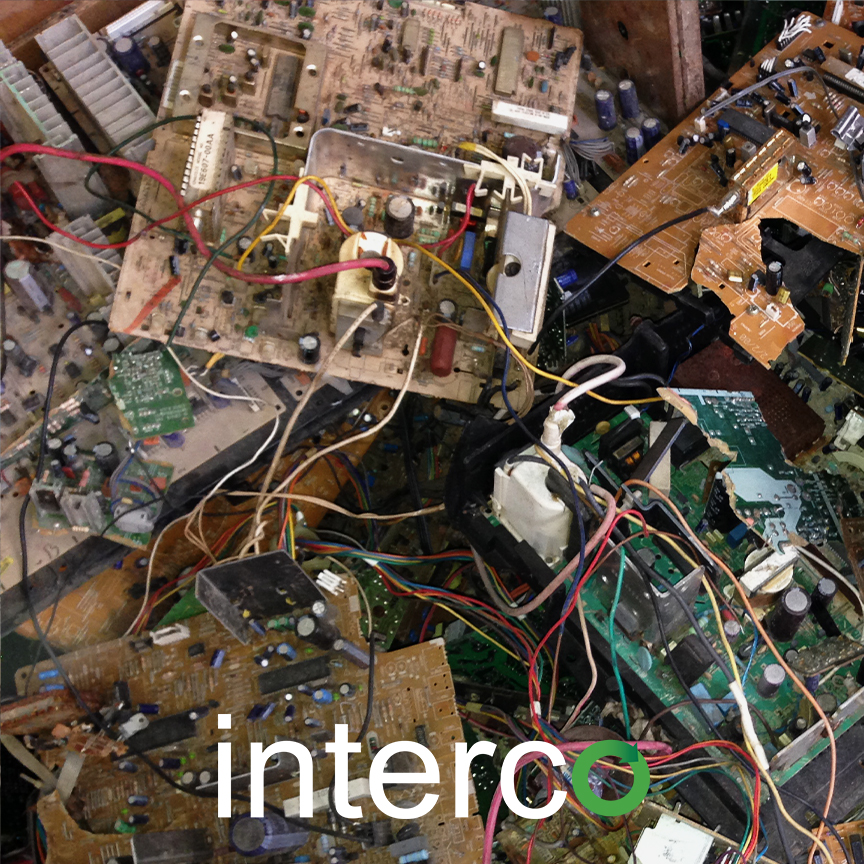
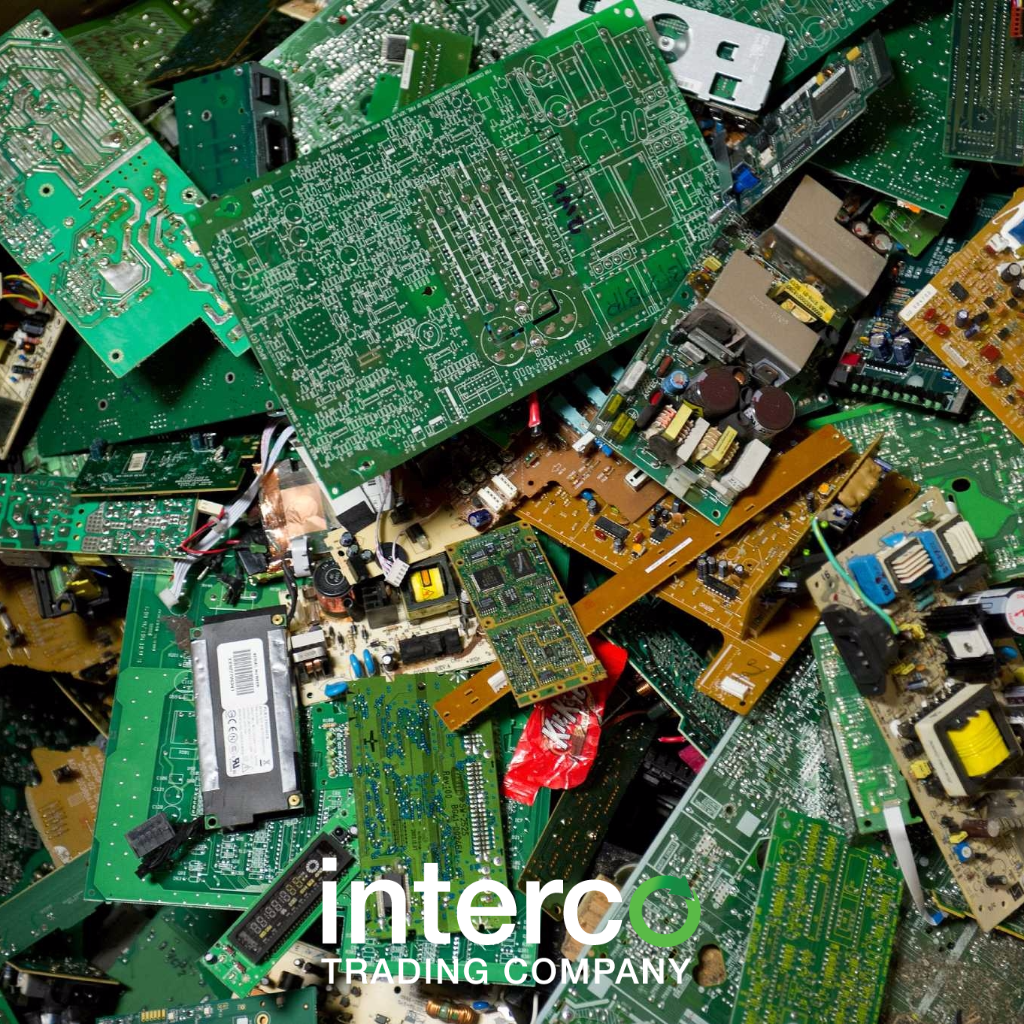
Inside a computer, monitor, television, hard drive and pretty much everything else resides some sort of a printed circuit board. These boards contain precious metal and depending on the specific board itself, some are quite valuable. ISRI has much to add about electronics recycling. Although there are literally hundreds of different types, sizes, shapes, colors, brands and models, there are 10 main categories:

  1. CRT Boards (Monitor/Television)
  2. Fingerboards (PCI Cards from Computers)
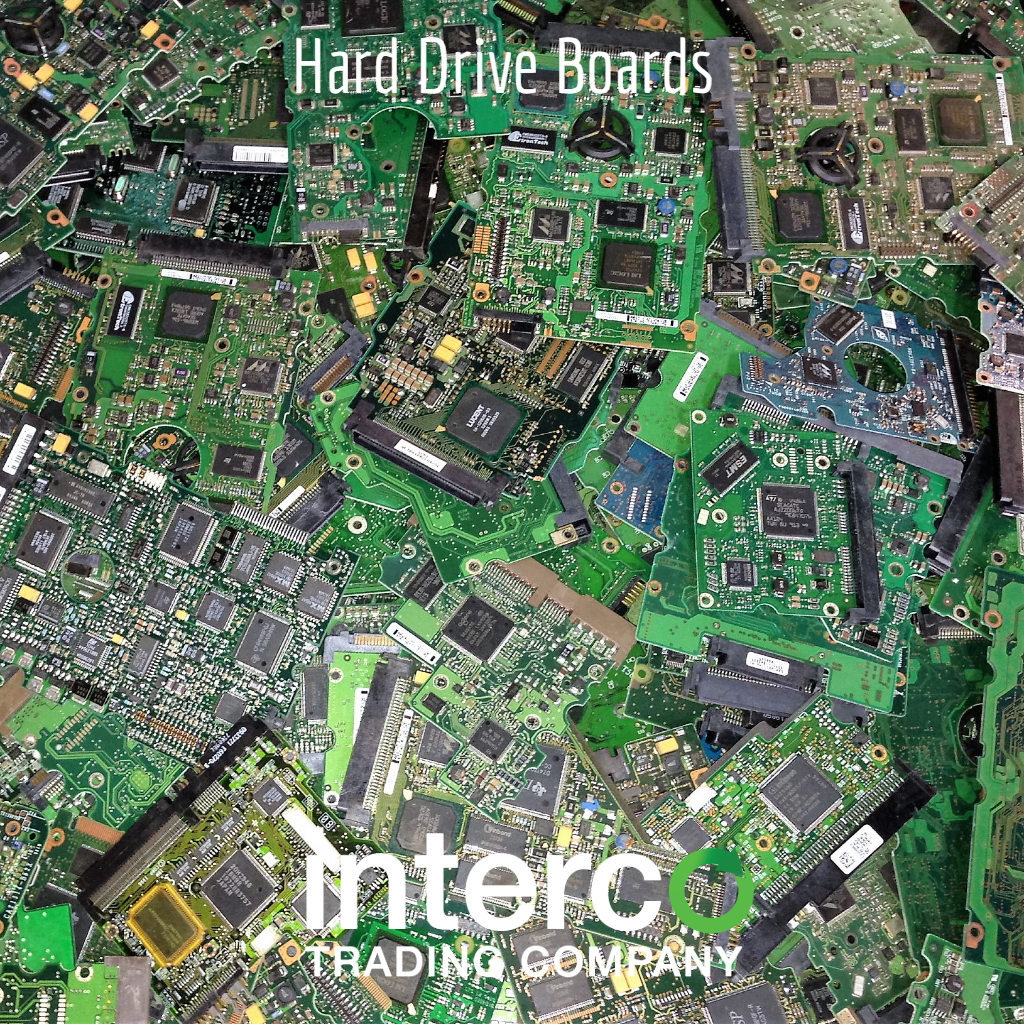
  3. Hard Drive Boards
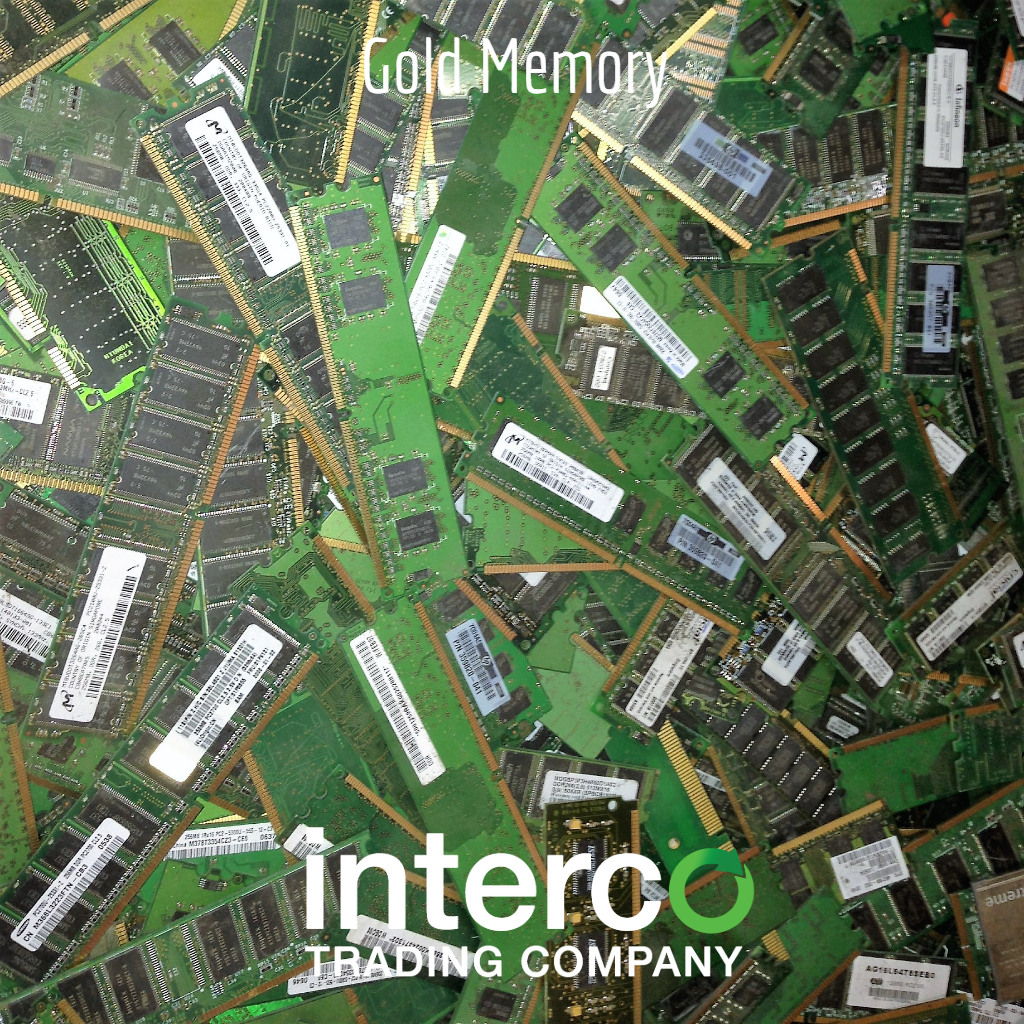
  4. Memory (Gold or Silver — no RAMBUS)
  5. Motherboards (Green Large-Socket or P4/Small-Socket/Colored)
  6. Mid-Grade (Cable Box, Satellite Receiver)
  7. Power Boards
  8. Server Motherboards (P4/Small-Socket)
  9. Telecom Boards
  10. HG Boards

Conclusion

In conclusion, recycling computers and eScrap is vital to keeping as much of these materials out of landfills as possible. For recyclers like Interco, recycling these items can be very lucrative. Interco purchases components, whole units, peripherals, batteries and boards and precious metal anywhere in North America for recycling. The company continues to lead the way in terms of innovative industrial recycling solutions.

To learn more about Interco’s services, click here.

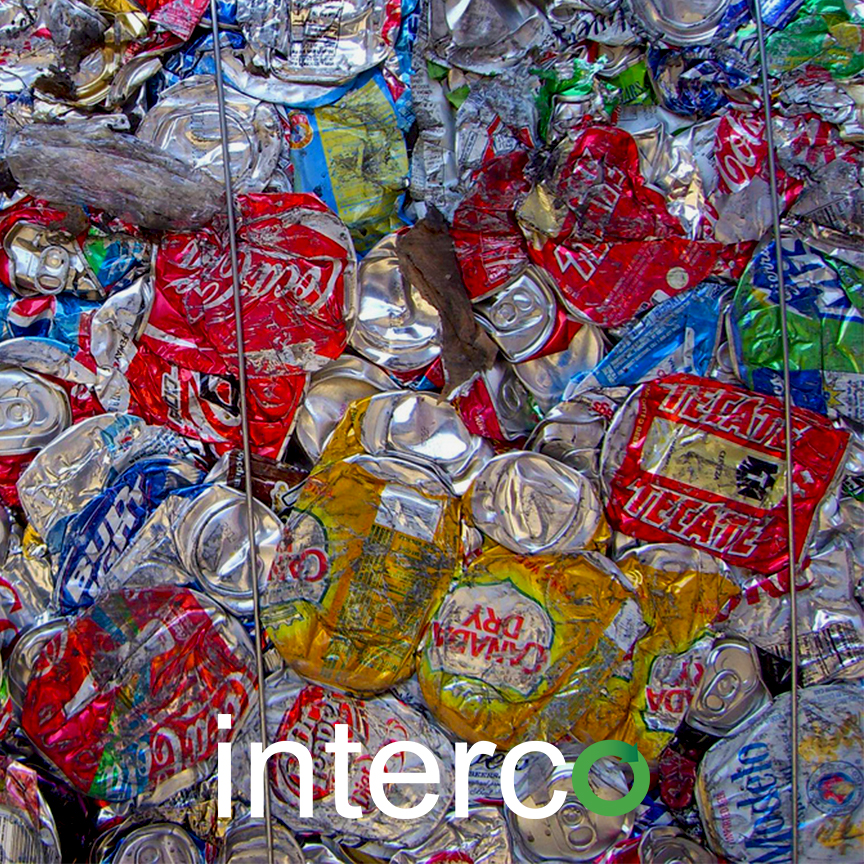
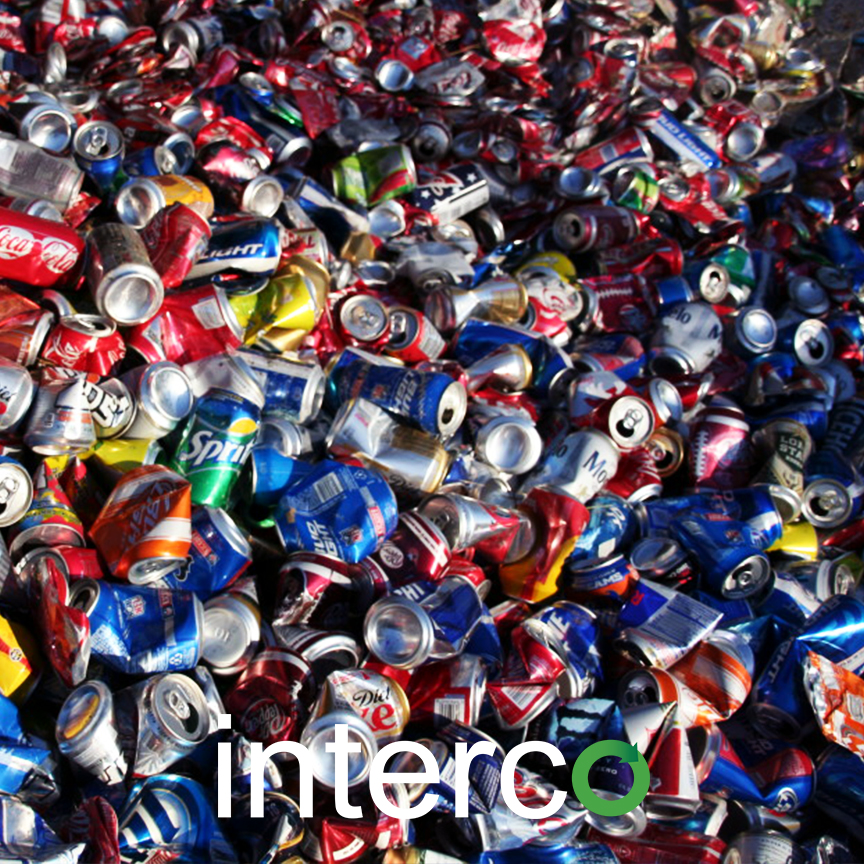
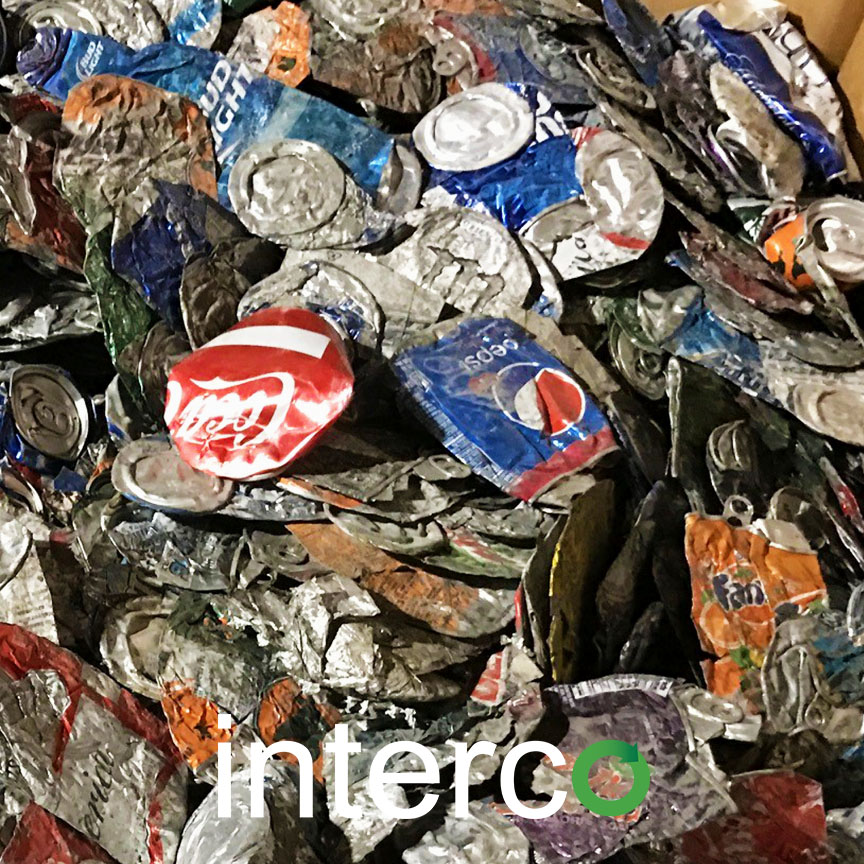
Recycling Aluminum Cans

We Must Recycle Aluminum Cans

Recycling Aluminum Cans

Regardless of how abundant aluminum is, recyclers still engage in the practice of recycling aluminum cans. Aluminum is the 13th element on the periodic table and it is a metallic element. It is a soft metal that is also ductile, malleable and lightweight. Aluminum constitutes approximately 8% of the earth’s crust. Bauxite is the ore that they produce aluminum from. The bottom-line: recycle aluminum cans.

This metal is a non-ferrous metal; it does not exhibit metallic properties. Also, it does not easily ignite. It is also corrosive resistant and can be easily cast, both of which are major reasons why we recycle aluminum cans. Due to the versatility of aluminum, manufacturers mostly use it after steel. Aluminum is used to make cans, while they usually mix it with magnesium to increase the can’s strength. However, the cans constitute a large percentage of aluminum.

How Important is Recycling Aluminum Cans?

Because of the high percentage of aluminum present in these cans, recycling aluminum cans serves as a source of aluminum. Today, one cannot overemphasize the widespread use of aluminum in the packaging of products in the manufacturing industry. Aluminum is used to package:

Recycling Aluminum Cans
  • Chemicals
  • Oils (brake oils, cooking oils, etc.)
  • Milk
  • Beverages (soda, etc.)
  • Vegetables (Tomatoes, sweet corn, etc.)

Manufacturers use aluminum cans to package virtually all kinds of perishables. Because of its wide use, recyclers have come to see reasons why we must recycle aluminum cans. The main reasons include:

  1. Saves Energy
  2. Source of Aluminum
  3. More Cost-effective
  4. Reduces Pollution

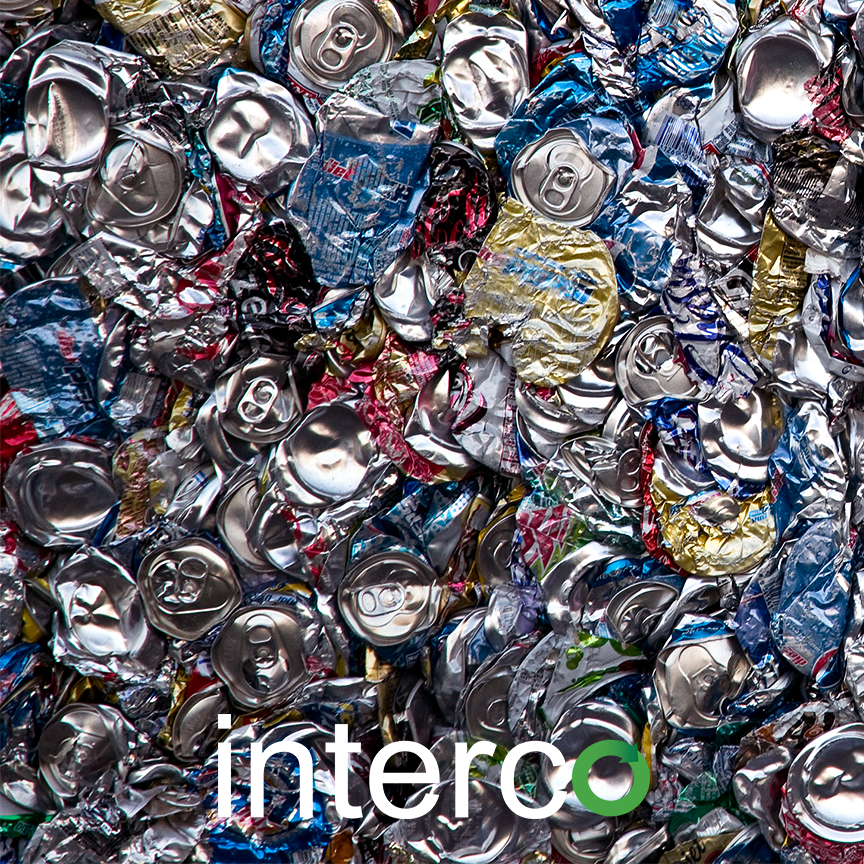
The process of recycling aluminum cans saves energy and resources. Recycling aluminum cans make use of only 5% of the energy and emissions required to mine aluminum from bauxite. This alone helps reduce the greenhouse effect and protect the ozone layer from emissions. Recycling aluminum cans can serve as a source of aluminum regardless of the presence of magnesium. This is because recyclers recycle aluminum cans repeatedly with little or no significant loss of its intrinsic properties. Also, when recycling aluminum cans, they retain their quality.

Recycle Aluminum Cans to Protect Natural Resources

Recycling Aluminum Cans

Recycling aluminum cans help protect natural resources like bauxite and provides an alternative aluminum source. About 75% of the first aluminum made is still in circulation. Recycling aluminum cans are very economic because of the huge amount of energy saved in recycling it. Approximately 95% of energy is saved from recycling aluminum cans. More so, recyclers melt the scraps from the production of aluminum and repeatedly use them. Recycling aluminum cans help save bauxite, chemical products, and electricity.

Recycling Aluminum Cans

As recyclers recycle aluminum cans, they reduce the rate of both air and soil pollution. Many recyclers focus their efforts recycling aluminum cans by recycling used beverage cans. Aluminum cans are non-biodegradable and if could cause problems if not properly managed. In addition, recycling aluminum cans reduce or prevent the release of carbon dioxide which occurs when mining for bauxite. This gas is toxic and if saturated in the air could cause acid rain. Acid rain could cause damage to both plants, life and properties.

Conclusion

In conclusion, by recycling aluminum cans, we can save energy as well as non-renewable fossil fuels. Furthermore, we can reduce landfill and air pollution by limiting the release of carbon dioxide into the atmosphere. We must recycle aluminum cans to save our environment. Contact Interco to recycle your aluminum cans.

What is E-Waste Recycling?

What is eWaste Recycling?

What is E-Waste Recycling?

Recyclers use the term eWaste or eScrap to describe business and consumer electronic products on the verge of retirement or already spoiled. Both terms represent end-of-life computer and electronic devices. For example:

  • Computers
  • Phones
  • Televisions
  • Fax machines
  • Stereos, etc.

Recycling computers and electronics helps re-purpose these devices, though there are still large amounts of eWaste yet to be dumped to landfills. The importance of eWaste recycling grows daily. The rate of eWaste recycling today is still very poor due to improper knowledge about this process.

Why Should You Recycle Computers and Electronics?

Rich Source of Raw Material: Approximately 10–15% of gold is recoverable from e-waste worldwide. Also, it is said that eWaste contains deposits of precious metals that estimate between 40 and 50 times costlier and richer than their ores beneath the earth’s surface.

Solid Waste Management: There is excessive land fill and solid waste. eWaste recycling helps prevent further degradation if agricultural land and curbs pollution.

Toxic Materials: Old electronic gadgets and devices contain toxic materials like mercury, lead, chromium and cadmium. Therefore, eWaste recycling helps assure proper processing, so that these devices do not release these toxic gases into the environment.

How to Recycle E-waste

What is E-Waste Recycling?

eWaste recycle requires a degree of care. Execute these steps carefully:

  1. Collection of the eWaste from dumping or deposit points.
  2. Break them with a hammer or by hammering.
  3. Separate individual components i.e. plastic, glass, copper, and other metallic materials.
  4. Take individual materials to their different recycling points for further processing.
  5. Pack non-recyclable materials and properly dispose them.

The disposal process takes a degree of care because the company keeps the environment in mind and abides by all safety and regulation laws. Recyclers must follow all EPA regulations during the processing of the computer and electronics items.

Benefits of E-waste Recycling

The list benefits of eWaste recycling to man and the environment at large grows daily.

Reduces Water, Air and Soil Pollution:

What is E-Waste Recycling?

Because of the toxic constituents of eWaste, indiscriminate dumping or disposal can be dangerous to human health and the environment. Residents of areas polluted by the improper disposal of computer and electronics risk developing serious diseases and experiencing certain medical conditions due to inhalation of these harmful substances.

In addition, unprocessed eWaste left on the ground seeps out chemicals that affect the soil, rendering it not conducive for agricultural use. Furthermore, when rain falls, these chemical wash off from the eWaste dumps and flows into rivers and streams. This could contaminate drinking water. Proper eWaste recycling reduces all these forms of pollution.

It Protects Natural Resources:

Most of the resources in nature are non-renewable. eWaste recycling allows the separation of these valuable materials and their recovery. In this way, companies can produce new products using the same materials. This helps reduce pollution, save energy, and protect natural resources.

Reduces the Space Required for Landfills:

What is E-Waste Recycling?

Waste is a global problem and governments around the world are in search to reduce the space need for landfills. Sometimes, these landfills are covering areas that are suitable for agriculture or even for housing. Also, most of the wastes left in landfills cannot dissolve and that’s when the real problems begin. By executing eWaste recycling, you will be able to reduce the space needed for landfills and directly reduce pollution.

eWaste Recycling Creates Employment:

If governments properly educate and enlighten citizens on the importance of eWaste recycling, then people will open new electronic waste recycling companies. Also, the existing ones like Interco will employ more workers that will help in the process. By utilizing this effort, governments support the local economy and protect nature at the same time.

Conclusion

The computer and electronics around us from old computers, laptops, and monitors all fall into eWaste. To learn more about eWaste recycling, contact Interco here.