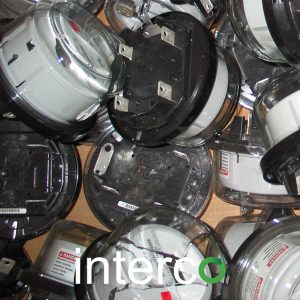
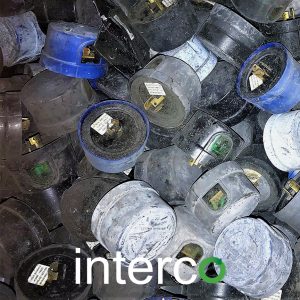
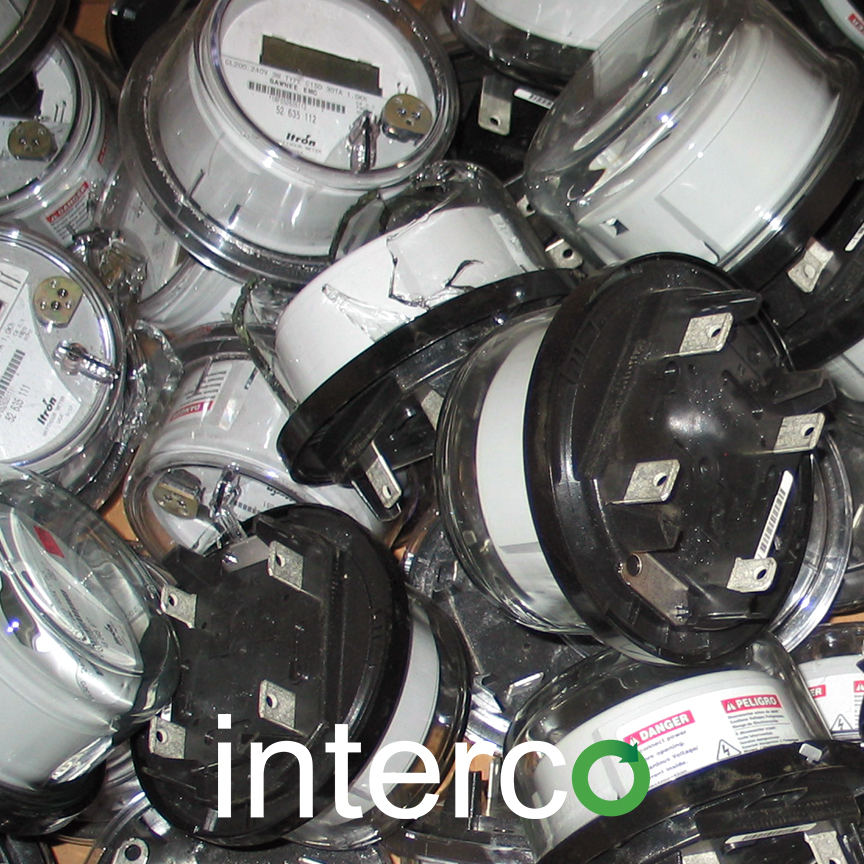
Interco works with electric organizations and electric cooperatives to recycle electric meters. Electric meter recycling in Alabama demonstrates to be a fundamental process due to the extent of changes with electric meter technology.
Analog electric meters once required a meter reader to walk around neighborhoods, read the meters, and return to the office. After this procedure, they needed to physically enter the information to process a receipt for the services. Inevitably, smart meters replaced analog meters. Smart meters changed the structure for data gathering for utility affiliations. The introduction of smart meters meant meter readers never again needed to walk house-to-house. They could drive a well-equipped van through an area and collect the data transmitted directly. Smart meters continue supplanting analog meters. Today, manufacturers produce much smarter meters furnished with 5G technology. The new meters offer more exactness and data security and can a pinpoint the exact area of a meter inside a couple of feet or less. Electric associations will have more old meters in the next decade than in the past 25 years combined because of progressions in technology. Along these lines, associations must continue to recycle utility meters.
Preparing to Recycle Electric Meters
In order to recycle utility meters correctly, companies must understand the different types of meters:
Analog meters with glass covers
Digital meters with glass covers
Digital meters with plastic covers
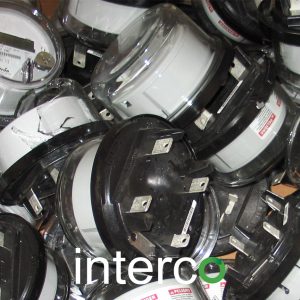
These meters all have different qualities and distinct preparation processes. Analog meters have an exceptionally small worth and often come with a glass cover that must be evacuated. Digital meters have a higher worth and routinely have a plastic covering that does not need to be removed. Glass covers weigh a ton and should be removed from all scrap utility meters before recycling. The glass covers weigh more that the meter itself and could meddle with electric meter recycling in Alabama. Removing glass covers shows to be necessary in order to recycle utility meters. After isolating different meters and possibly expelling the cover, companies must pack their scrap utility meters for transportation. Packing loosely in palatalized gaylord boxes shows to be the best approach for packing scrap utility meters. This structure takes into consideration appropriate stacking and emptying, efficient trailer packing, and diminished transportation costs. Interco can provide pallets and packing supplies for transportation if businesses need.
Why Recycle Electric Meters
After Interco gets the correctly bundled scrap utility meters without glass coverings, the system to recycle electric meters begins. Interco has many years of experience in electric meter recycling in Alabama. This experience licenses Interco to have up to a 98% material recycling and recovering rate. Interco will proceed with this rate by:
Detaching stainless steel rings and collars
Refining all non-ferrous and ferrous metals
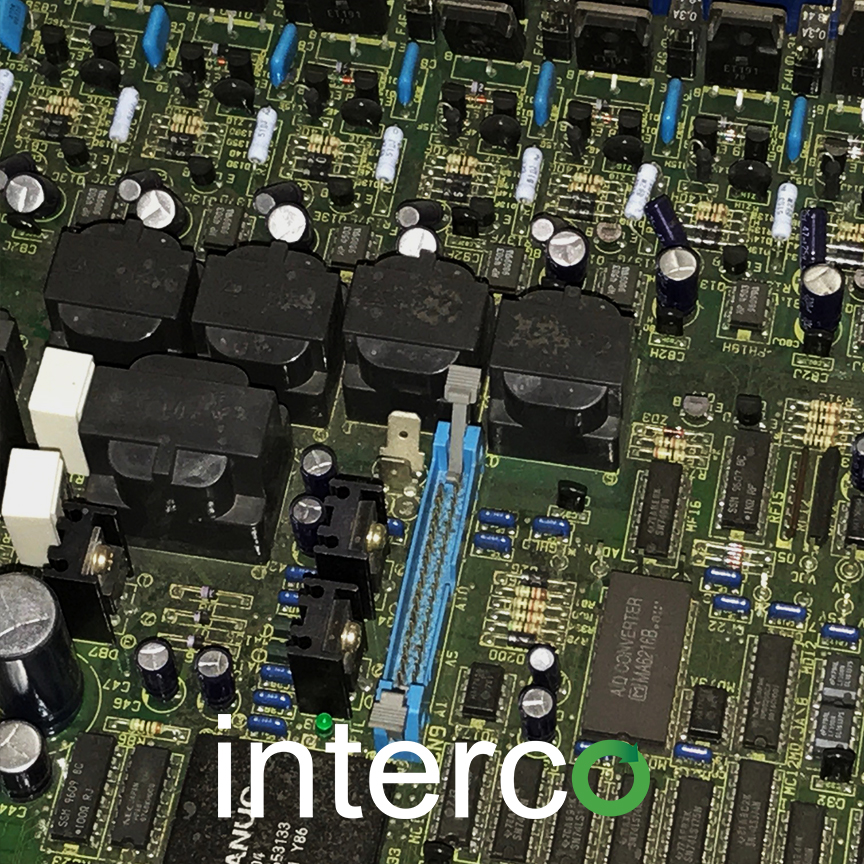
Disconnecting circuit boards
Baling cardboard boxes
In addition to preventing the landfilling of scrap utility meters, electric meter recycling in Alabama gives extra focal points. Interco must continue to recycle electric meters and various materials can be found inside these meters:
In conclusion, the need to recycle utility meters builds up every day. Technology grows always and will keep on doing as such. In this way, the level of old electric meters will continue developing. Dependable organizations must find the correct recycler to send their scrap to. Interco recycles thousands of meters each year. Click here if you have any questions on how to recycle electric meters with Interco.
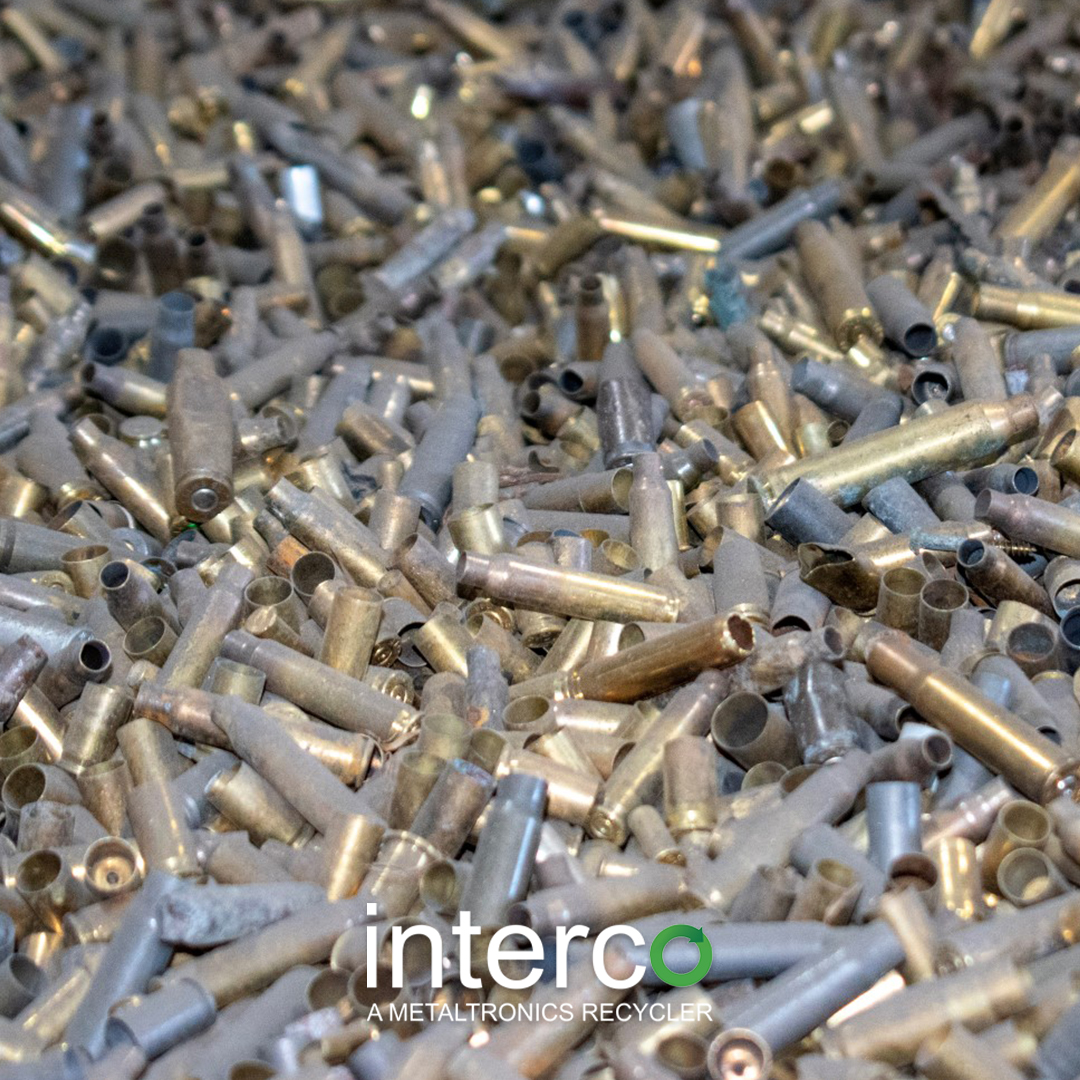
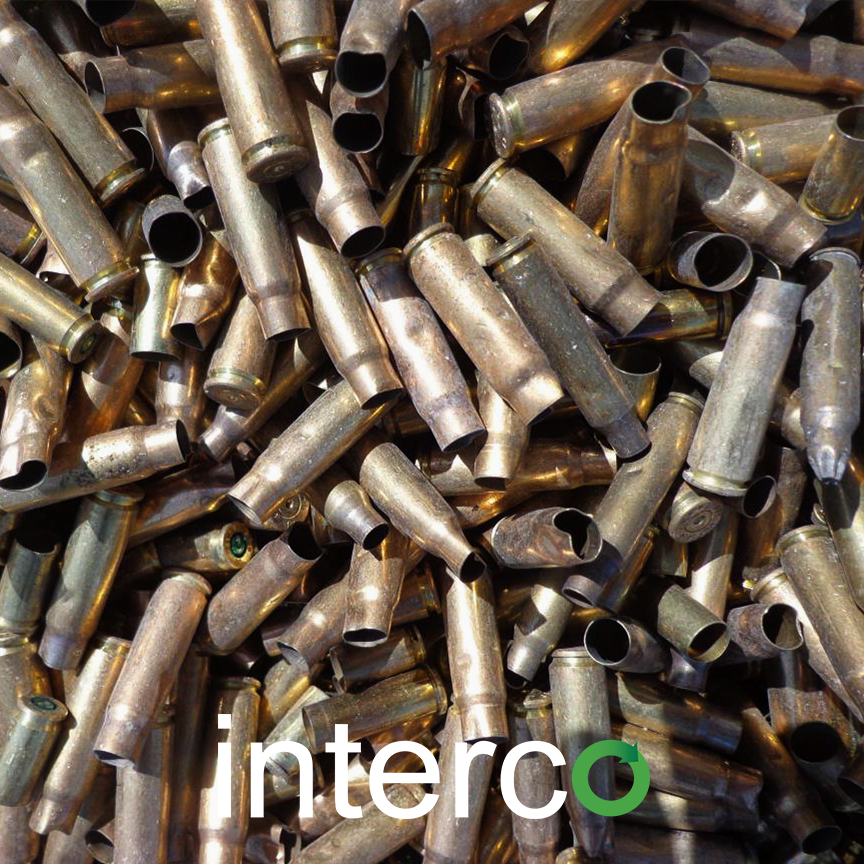
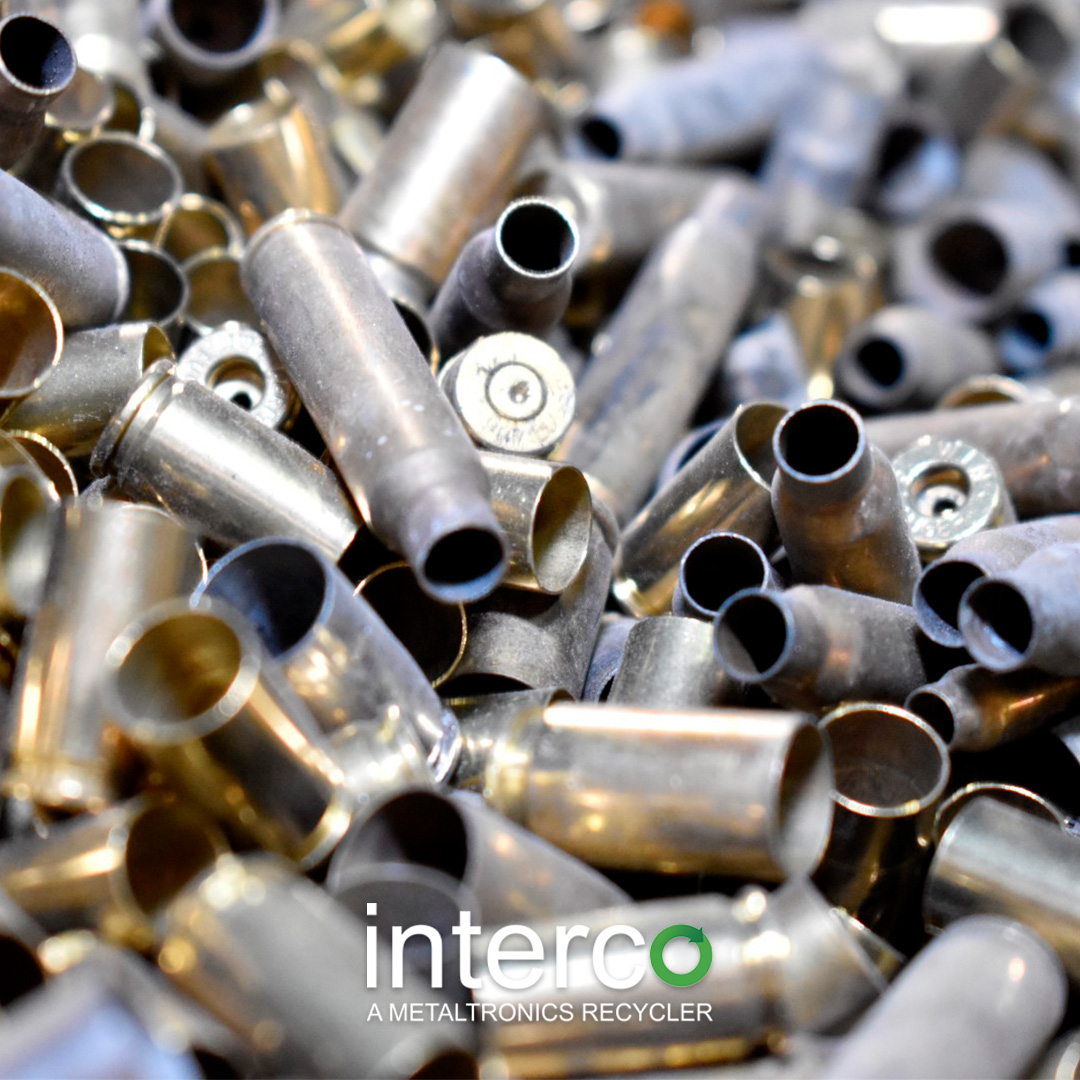
Scrap brass ammo is the most popular type of recycled ammunition. Their popularity derives from the shell casings durability, corrosion resistance and ease of reloading. Therefore, scrap brass ammo is extremely important to collect and recycle, though easy to do. Before talking about recycling brass shell casings, get to know the parts of the ammo.
The Projectile
Packaging
Black Powder
The Groundwork.
Why You Should Recycle Brass Shell Casings
Manufactures produce large amounts of scrap. While where to recycle scrap brass cartridges seems like a huge concern, Interco can help. Interco buys scrap metal and takes it through a reusing process.
When recycling brass shell casings, Interco discovers metal shell housings with low degrees of aluminum and manganese bronze. In fact, 90% of metal is reused. The brass shell casing is recyclable and can be reused several times. As a result, new ammunition is manufactured.
The Recycling Process
Ammunition must be inert to be recycled. Live Cartridges cannot be recycled for safety reasons; they may explode. Additionally, the lead slug in live ammo contaminates the shell’s brass hence recyclers find it difficult to separate lead from brass.
Shells must be sorted by material. Shell alloys are usually made from brass, aluminum or steel. Occasionally they are plated with chrome, nickel, silver or even gold.
After being sorted, the shell must be removed.
Shells are “popped” in a high-temperature kiln after being sorted.This forces any live rounds to explode.
A quality control supervisor verifies the shells, after they are placed in a special bin to cool.
Next, the shells are cleaned. Cleaners rinse the shells to remove as much lead and dirt as possible.
Inspectors run clean-and-popped shells through a shaker table. They verify that live rounds and other unwanted materials are removed.
Next, a hammer mill or shredder takes the shells and deforms them into smaller pieces. Then an aggregator machine takes these pieces and loads them for transportation.
Finally, the shells are taken to a brass mill. Here they are melted and combined. Mixed with metallic elements to achieve the specific blend. Then, shells are formed into rod or ingot.
Interco purchases scrap brass cartridges across the United States. Due to transportation costs, recycling brass shell casings that are far away can cause difficulties. Regardless, Interco overcomes any travel issues.
Conclusion
In conclusion, scrap brass ammo is the most popular type of recycled ammunition. Most consumers are unaware that they can recycle brass shell casings. Therefore, Interco provides the solution with a simple and efficient way to recycle brass shell casings.
For more information about how to recycle scrap brass ammo casings, click here to contact Interco.
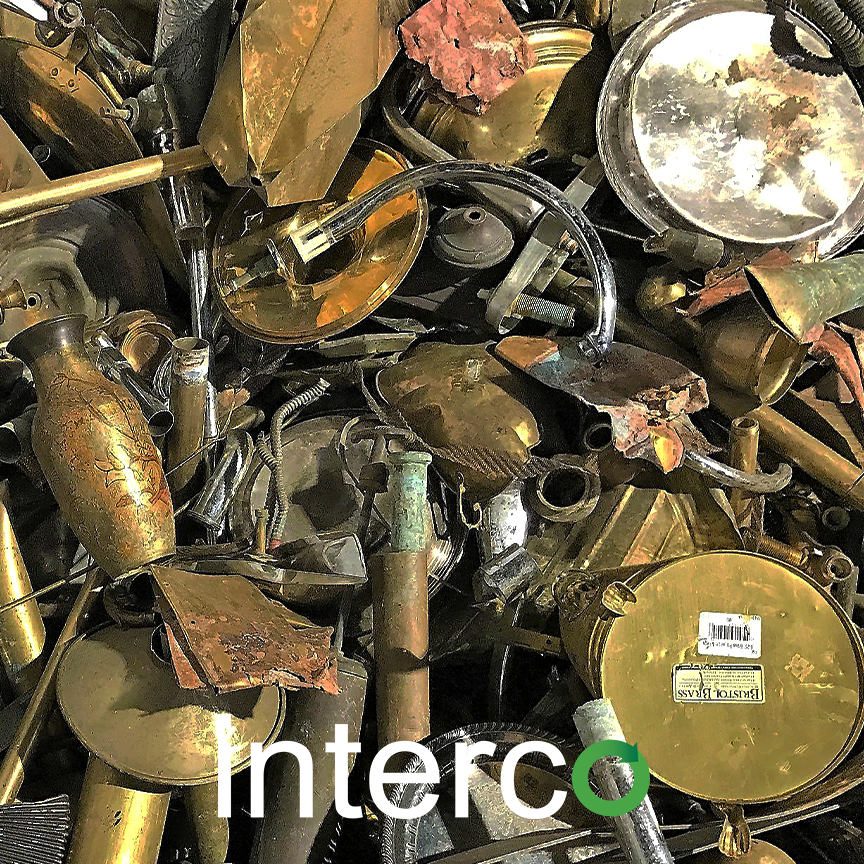
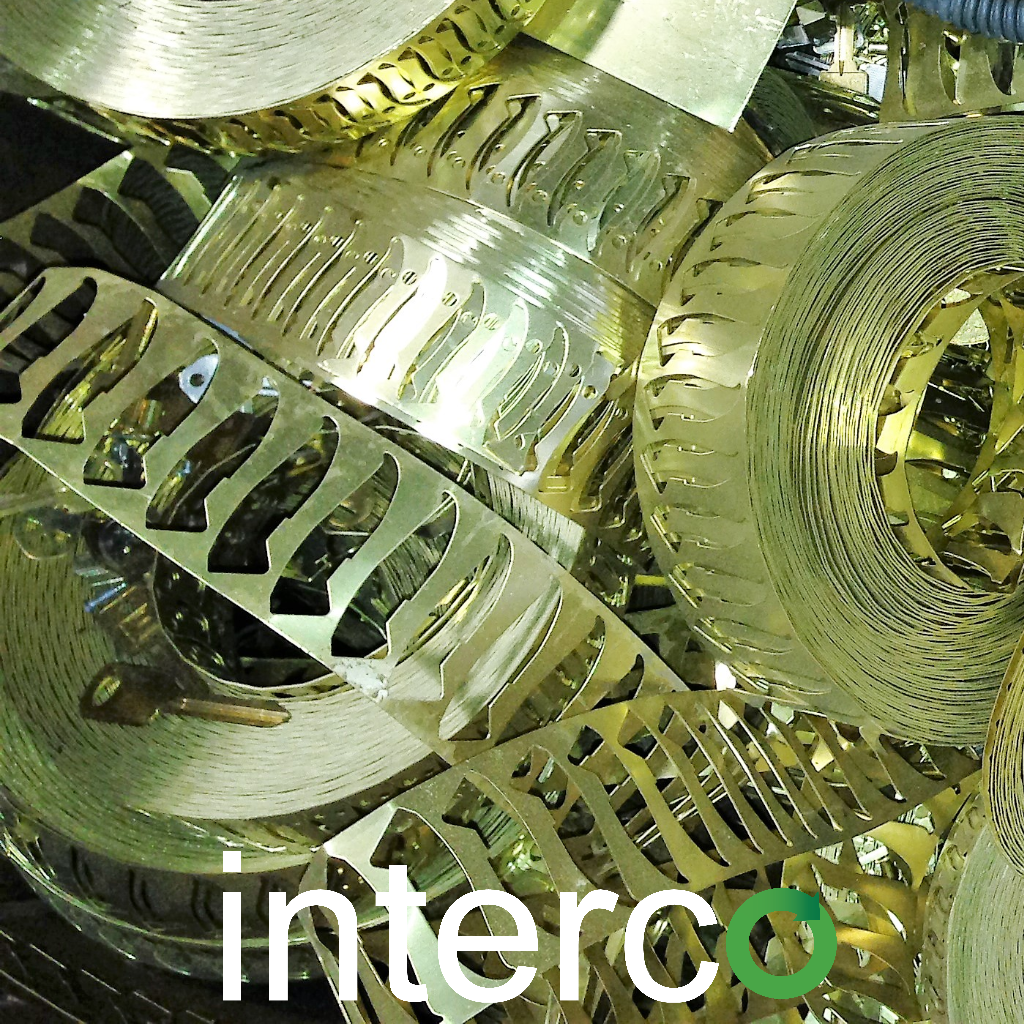
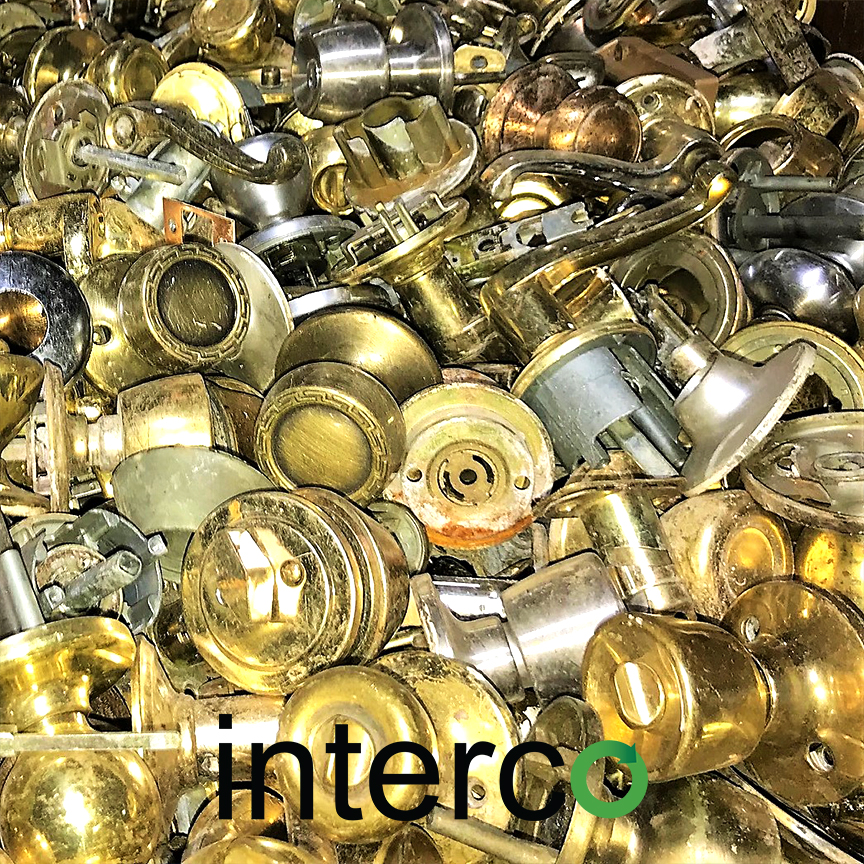
Scrap brass breakage is a red metal comprised of copper and zinc. Additionally, it includes having iron, aluminum, stainless steel, or other metals attached to the brass. It is a nonferrous red metal. In fact, if the metal has a higher percentage of brass in, it is more valuable. This type of metal can be found all over but some common examples of scrap irony brass are:
Bolts
Water Valves
Faucets
Pipes
Fixtures
Why is Recycling Irony Brass Important?
If companies like Interco did not recycle scrap brass breakage, then manufacturers would have to mine for more ore. Consequently, this would mean more of earth’s natural resources will diminish over time. So by properly recycling the brass, the metal will not end up in landfills. Brass is not a metal that will deteriorate quickly. Therefore, it would be a waste of precious metals if companies were to discard the material in a landfill.
Nonferrous metals do not lose their incentive in the recycling procedure. As a result, these metals can be reused on various occasions. The general public is becoming more mindful of the monetary and the environmental problems regarding wasting material. Hence, recycling nonferrous metals such as scrap irony brass are becoming more evident.
Where does the Brass Breakage go?
Interco constructs valuable metal recycling bundles which include scrap irony brass to be delivered to industrial purchasers. Therefore, the places the metals end up at our mills, smelters and processing plants. Locations can be in the United States or abroad. A portion of the manners in which Interco bundles the material is by utilizing the following methods:
Gaylord Boxes
Pallets
Metal Bins
Crates
The Process of Recycling Brass
The process of recycling scrap brass breakage is relatively simple and is similar to the recycling process of other nonferrous metals.
First, Interco must separate the brass based on whether or not it is clean. They then must clean all scrap irony brass before the recycling process can begin.
Next, a machine crushes the precious metals into small fragments that could fit into someone’s hand.
After the crushing process, recyclers then put them into a furnace that can reach extremely high temperatures.
After the temperatures soften the metals by melting them, the cleansing part of the process begins. While the metal is still in its molten state, electrolysis purifies it. Finally, the recycler pours the metal into a mold for it to cool.
Interco purchases red metal, white metal and scrap irony brass from everywhere in the United States. The expanding transportation costs frequently poses as a test, especially when attempting to recycle material of great distances. Regardless of this, the company keeps developing and flourishing.
Conclusion
Scrap brass breakage should not be thrown away. Take the material that you wish to discard to a junkyard, they will send the metal to Interco.
For more information about the recycling of scrap brass breakage, click here.
IT Recycling is a fundamental pillar of the metals reprocessing business. In a growing technological world, the demand for a solution to the overflow of old electronic devices is increasing. Subsequently, Interco has begun to pave the way for innovation in the computer recycling world.
Elements of recycling technology are important in the eScrap sector of the green world. Therefore, Interco strives to be a leader in the industry and commits to a positive future. As a result, Interco follows an efficient computer reprocessing system.
Receive old goods
Sort items into product categories
Remove plastics and send them off for safe disposal
Use tools to dispose glass, plastics, and other contaminants
Remove,circuits, batteries, and additional wiring
Extract nonferrous metals from the interiors
Prepare precious metals for sale
Environmentally cautious disposal of contaminants
Environmental Benefits
Limited landfill waste
Conservation of natural resources (sustainability of copper mines)
Saves energy
Supports the conservation of resources
Create jobs
Conclusion
In conclusion, computer recycling is a measure that must be taken in order to support our ever-growing economy and world. By utilizing the benefits of this process, one can experience a better world that does not leave waste alone in landfills, only to rot and fester. Instead, what was once waste can now be used for a positive impact. So, on top of the work in recycling nonferrous metals, Interco prides itself on being a pioneer in the industry and continues to strive towards growth and a cleaner footprint.
To learn more about computer recycling with Interco, click here.
In the current digital revolution, businesses are forced to discard outdated, faulty scrap network gear in place of new tech. Interco has the means to source and recycle networking equipment. The company sources material from industrial sources, scrap dealers and data centers across North America. In addition, the company disassembles the scrap network gear and extract the precious metals and other valuable materials.
Scrap Network Gear
According to the EPA, US companies recycled 1.2 million tons of consumer electronics in 2015. A significant portion of this comes from companies who recycle networking equipment such as scrap network gear. Examples of scrap network gear include:
Routers
Switches
Network Cards
Repeaters
Modems
The Recycling Process
Additionally, Interco has a two-step process. The company uses this process to recycle networking equipment. First, the recycler sorts the equipment by type and material construction. When possible, the Interco staff separates the plastic and steel parts from the network gear. Next, dis-assemblers remove printed circuit boards (PCB) and other material. The other material includes computer wire, hard drives, power supplies, memory, processors and other parts.
Many of the Interco suppliers follow the Department of Defense standards for data destruction and remove the data from the devices. They mostly perform this step prior to shipping the equipment to Interco. Others require the scrap network gear be destroyed. This often means the company deploys a material shredder. A shredder breaks the scrap networking gear into small enough pieces. This results in unrecognizable data that allows the precious metals to be more efficiently recovered.
The Shredder
Next, Interco shreds the scrap network gear into raw commodities such as nonferrous metals and precious metals. The shredder even sorts out the plastic and steel. The nonferrous metals include, but are not limited to:
Aluminum
Copper
Zinc
Accordingly, when recycle networking equipment, Interco separates the white metals from the red metals and recycles them. Interco practices an effective and efficient recycling process:
First, a state-of-the-art metal shredder shreds the white metals into small pieces – usually two-inch squares. At that point, they transport these shreds into a heater.
Note that white metal compounds do not have high dissolving focuses. The temperature should be set a little over their liquefying focuses This could mean 350 degrees Celsius as an example. This guarantees consistency in the liquid state.
Recyclers then blend a couple of added substances like synthetic compounds to improve its quality.
Next, they cast the liquid white metal into forms to make ingots and leave to cool.
Finally, they transport ingots to assembling or mechanical organizations for further handling.
Red Metals Shredding
Red metals have a similar process for recycling. However, it is a little different:
Accumulation: Above all else, experts gather the different red metal pieces. Certain assembling organizations purchase these pieces from individuals as recycle networking equipment. They sell their out of date hardware, parts or instruments made of red metals. They call this procedure of purchasing the “gathering procedure.” In like manner, one of the biggest sources of red metals speak to materials made of copper for example wires.
Arranging: Reusing scrap red metals takes off after accumulation. Thus, Interco sorts the gathered pieces as per their characteristic qualities. Recyclers separate the untainted copper from its amalgams (metal, bronze, etc.). Processors use magnets and optical separation sensors and observe the red metal sort. After this, they regularly convey the material to a metal shredder to set it up for the following step.
Softening and Cleaning: Moreover, after the recycler gathers and arranges these materials. Then they expose the metals to high temperature to liquefy. The purging helps guarantee the contaminants dissipate and achieve high caliber status.
Cementing: At last, after the pieces have been liquefied and refined, manufacturing plants cast them into shapes. The liquid state makes it possible contingent upon their motivation and leave them to dry.
Conclusion
In conclusion, the process used to recycle networking equipment and scrap network gear is important and complex. The digital age forces us to continue to innovate in all that we do. Furthermore, the continued updating and improvement in the process helps Interco maintain efficiencies.
Interco represents the best of the recycling world. The company relies on its experience so you can recycle your networking equipment and scrap network gear on a local and global scale with confidence.
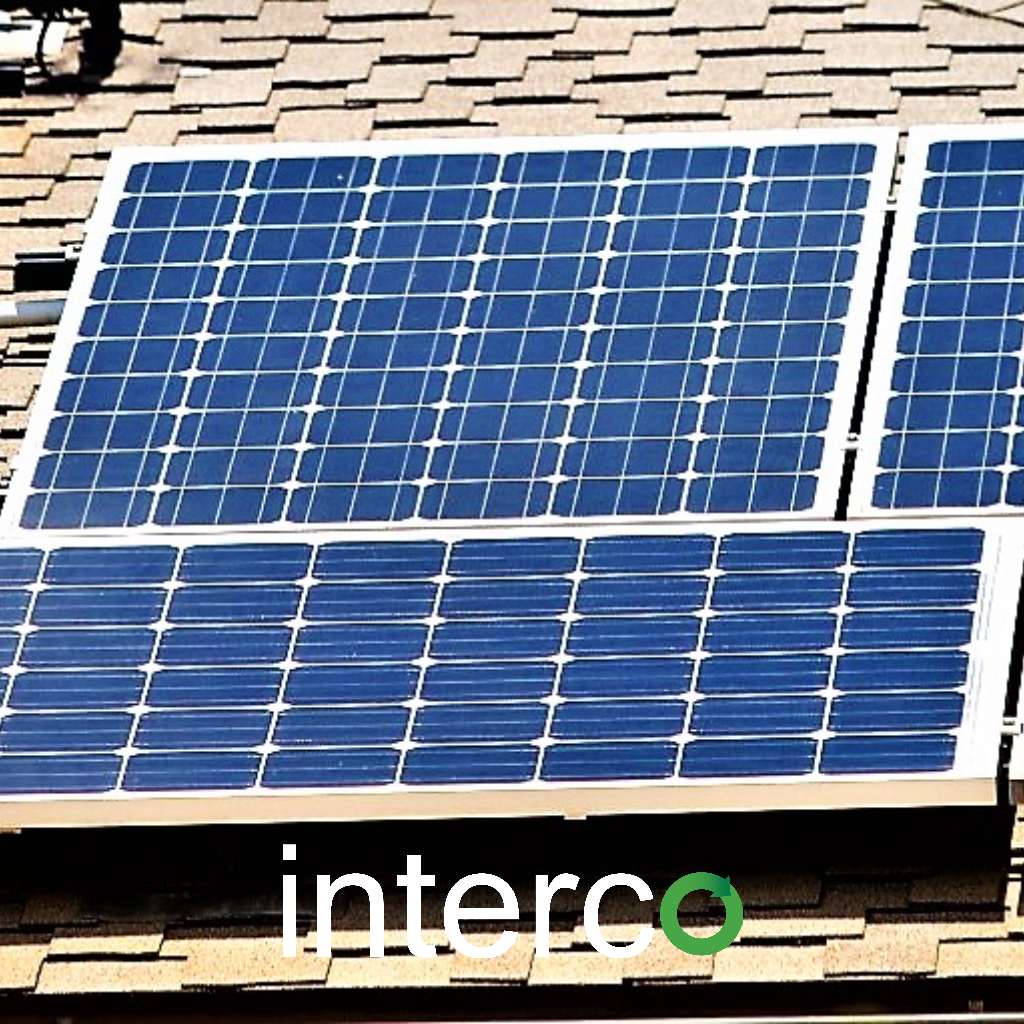
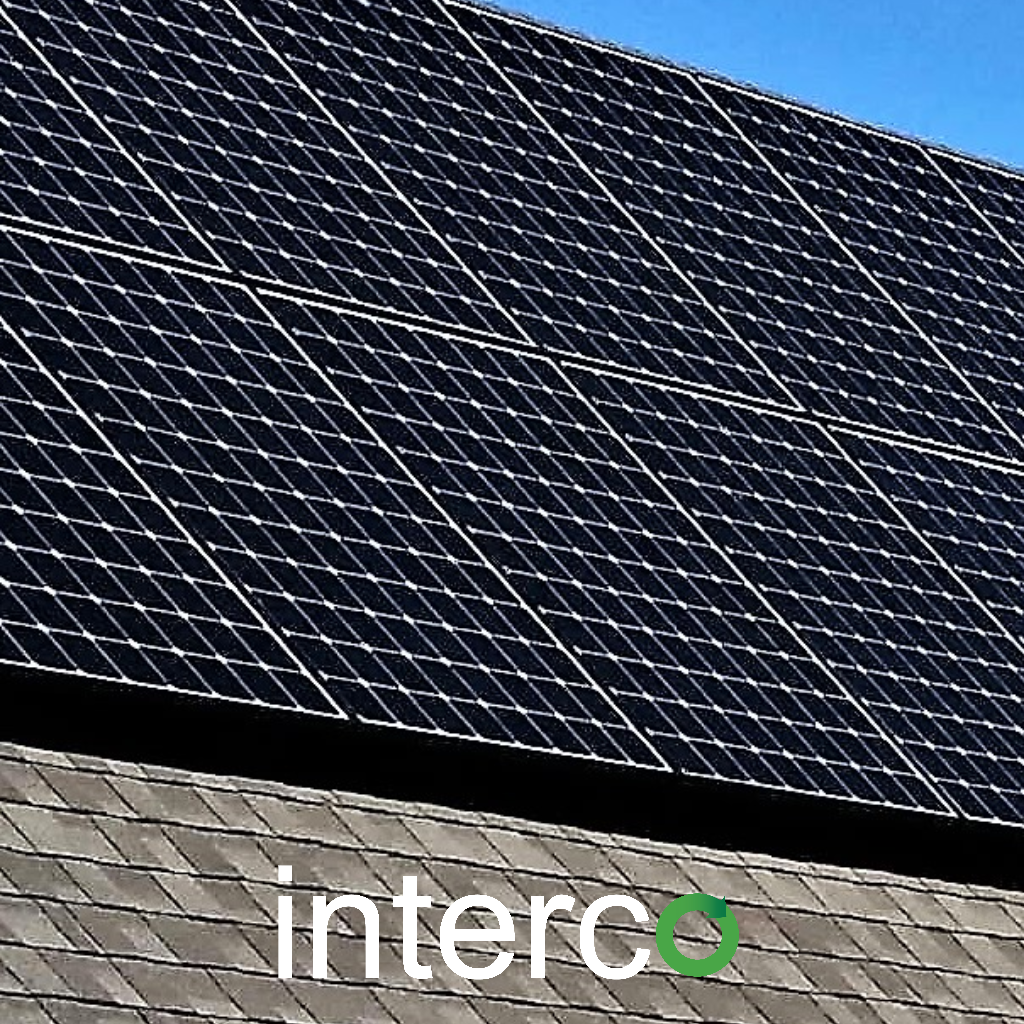
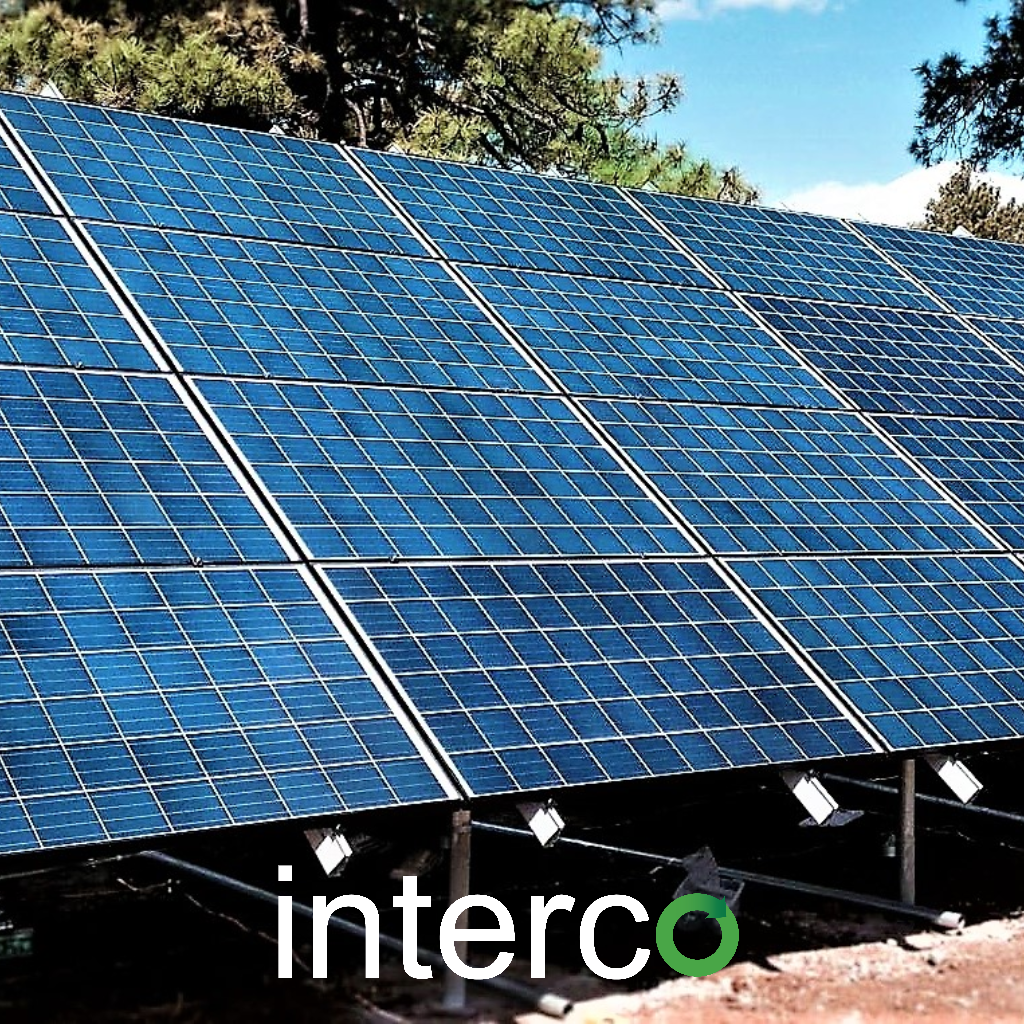
With the high number of domestic solar panel installations comes the need for USA solar panel recycling services. Gone are the days of landfilling solar panels. Today, it is important that solar panel installers and decommission companies recycle solar panels. This service is very important.
How Does USA Solar Panel Recycling Work?
First and foremost, a USA solar panel recycling company must have proper expertise and credentials to recycle the material. A good place to start might be the Solar Energy Industries Association (SEIA) website.
This trade association “embodies the innovation and entrepreneurship that defines solar energy.”
SEIA members represent North America’s top solar panel installers, decommissioning companies and recycling companies. The membership experiences significant growth.
Second, the USA solar panel recycling company must adhere strictly with the laws. In addition, they must adhere to local ordinances of the governing area. Certain states outlaw landfilling solar panels. Rather, others require that solar panels be recycled. Depending on the condition of the solar panels, some states regulate their transportation. As a result, they require that the driver possess hazardous material certification. This makes a difference.
Lithium-ion batteries can be very dangerous if not handled properly. Be very careful while recycling these batteries.
Consequently, recycling solar panels containing lithium-ion batteries requires great care.
Those in damaged, factory recalled, or end-of-life modules pose extremely dangerous risks.
Lithium-ion fires require a great amount of water to extinguish and are very difficult to put out.
Since most residential solar panels install on rooftops made of wood, the risk of property damage increases exponentially.
What is Most Important About USA Solar Panel Recycling?
Most importantly, solar panel recycling companies in the USA should maintain ISO 14001 Environmental and ISO 45001 Health & Safety certifications. Above all, proper training and procedures make a difference! Certainly, proper safety saves lives.
Solar panel recycling often proves a very dangerous activity. Moreover, many residential solar panel installations rely on lithium ion batteries to store the power. These batteries are susceptible to dangerous fires.
Lithium-ion batteries can be very dangerous if not handled properly. Be very careful while recycling these batteries.
Consequently, recycling solar panels containing lithium-ion batteries requires great care.
Those in damaged, factory recalled, or end-of-life modules pose extremely dangerous risks.
Lithium-ion fires require a great amount of water to extinguish and are very difficult to put out.
Since most residential solar panels install on rooftops made of wood, the risk of property damage increases exponentially.
Will USA Solar Panel Recycling Go Down in Price?
It can be very expensive to recycle solar panels. The intrinsic value in today’s PV modules is not the same as before. The aluminum content has decreased greatly. In contrast, there is much more steel which is less valuable than aluminum. Newer solar panels contain more silicon as well. Silicon is very difficult to recycle and landfills do not want solar panels.
What does this mean to the cost to recycle solar panels? It is unlikely to decrease in cost especially with increased green lifestyle scrutiny and increasing demand. With China out of the market, the price to recycle solar panels in the USA is sure to go up.
Conclusion
In conclusion, the high number of solar panels installed in the USA has led to the search for a way to effectively recycle solar panels. It can be very expensive to recycle solar panels. Additionally, there are not many companies with the resources to recycle solar panels effectively. Solar panel recycling companies must have the proper expertise and credentials to recycle the materials, and they must adhere strictly to environmental laws and regulations. Regardless, Interco overcomes these obstacles, making us the best solar panel recycling company in the nation.
For more information about recycling solar panels with Interco, click here.
Interco is an expert in recycling loads of mixed scrap material. In addition to all things eScrap, computers, servers and electronics, Interco buys the following:
Interco recycles mixed scrap loads. In addition, our suppliers can ship a truckload of material (usually 40,000+ pounds) – with any combination of the above items. Additionally, there is no minimum quantity per item. In fact, they just need to be separated either by bale or by gaylord box.
To learn more about Interco’s mixed scrap recycling services, click here.
In today’s age, recycling has become popular among people. Those who recycle accomplish as much as they can to help maintain a greener world. To try keep as much material out of landfills as possible, some sell eScrap computers and scrap electronics at a profit. Collecting aluminum cans was the in thing in the 80’s and 90’s. Today collecting used computers and electronics and turning them in for some cash is hot. In fact, to recyclers it can be very lucrative. Interco buys eScrap computers and scrap electronics of all shapes and sizes.
Components
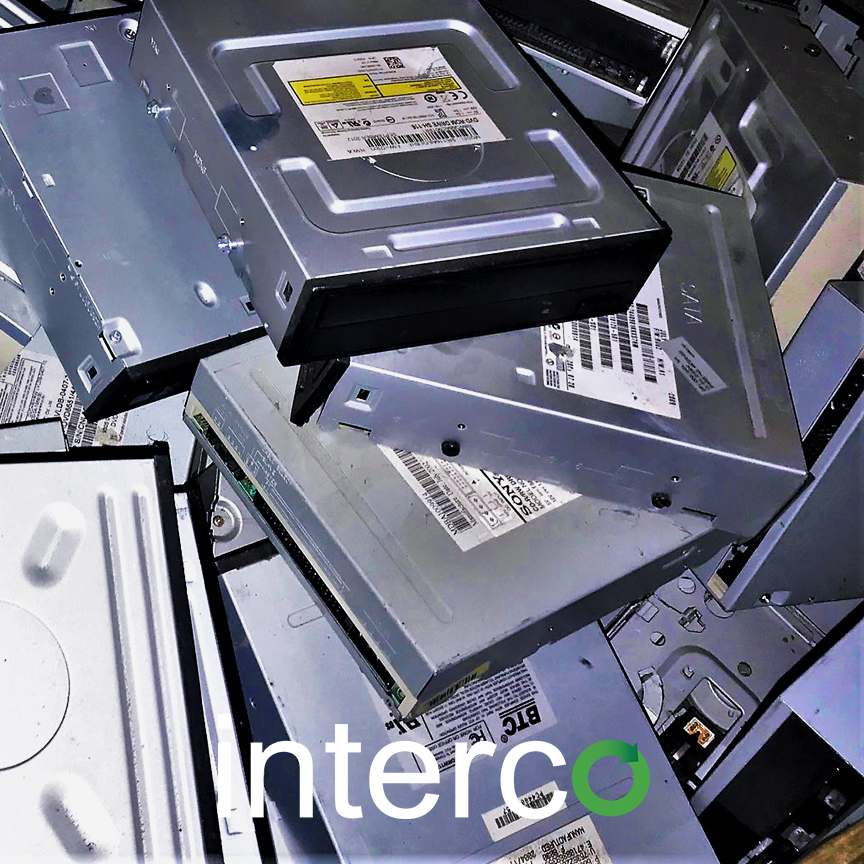
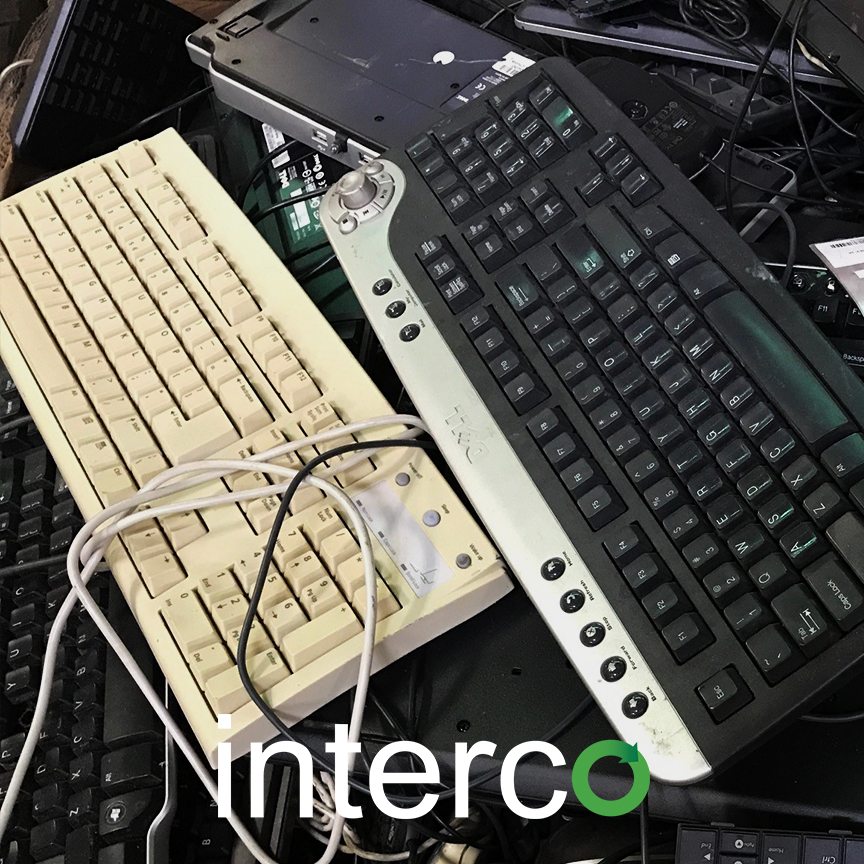
The list of items that are recyclable grows daily. It includes components, which are the pieces that go in to the construction of a computer. In addition, they include adapters, CD ROM or Floppy drives, fans, hard drives, keyboards, even docking stations for laptops. Interco recycles commercial and residential telephones and systems as well. Printers, copiers and fax machines make great items for recyclers. However, it is important to remove the toner cartridges to avoid contaminating the more valuable circuitry. Hard drives and power supplies often represent some of the most valuable parts of the computers. Recyclers shred, punch, or bend the hard drives. This protects the previous owner so that the data remains out of reach.
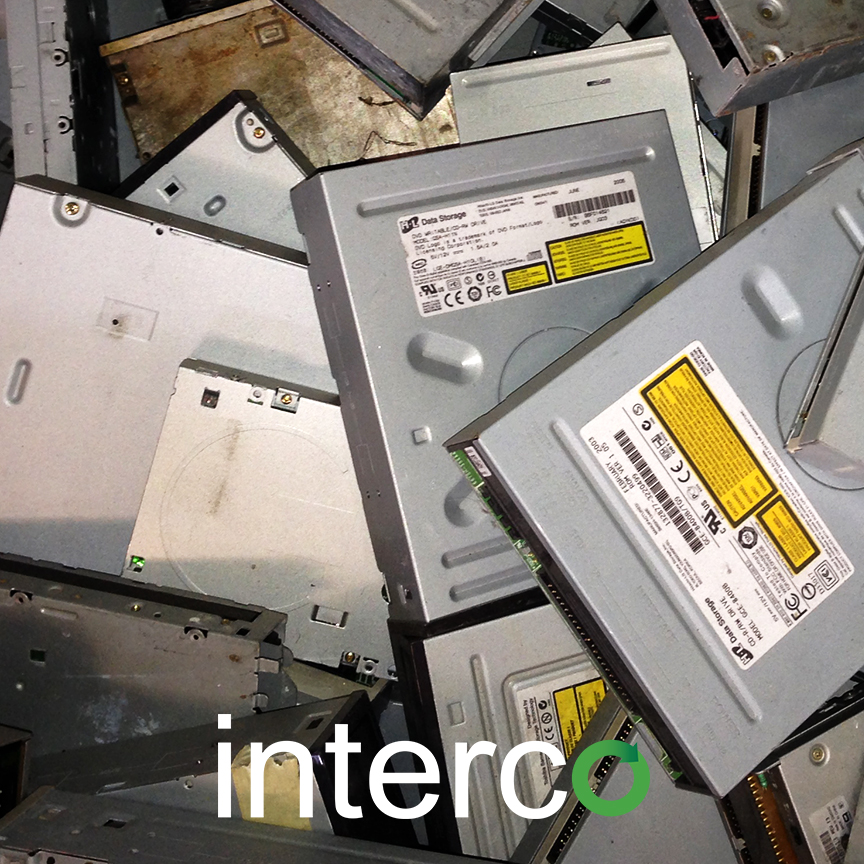
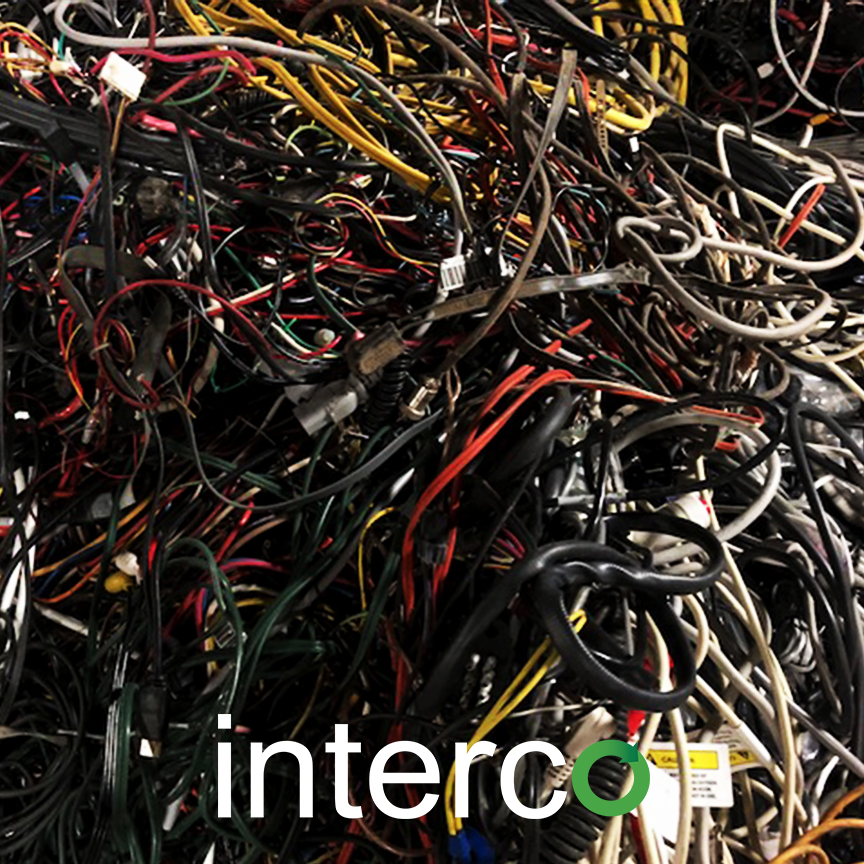
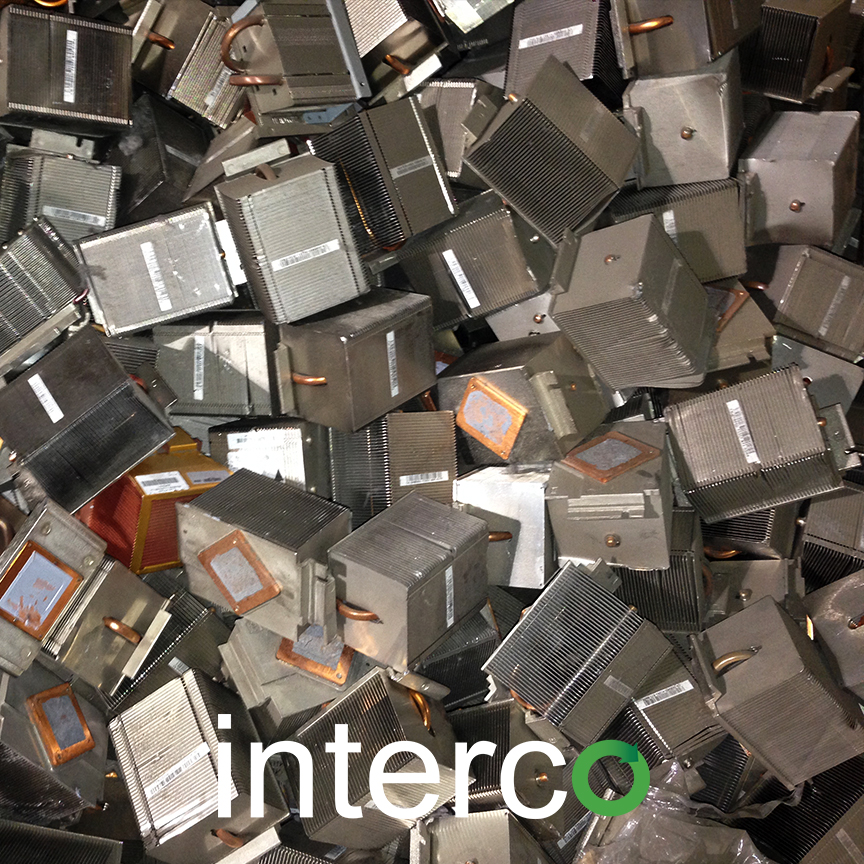
Items in the Components category of folks who sell eScrap computers include Adapters with and without cords. In addition, there are CD-ROM or floppy drives, cable boxes with or without the hard drives. Also, Consumer electronics – general miscellaneous e-scrap find their way. It is common to find Docking stations and Fans from computers as well. In addition, Hard drives with boards in tact, punched, shredded, or bent or fit in this category too. Many sell eScrap computers with Heat sinks without the fans attached that are either aluminum or aluminum/copper. Furthermore, Transformers provide excellent material to recycle. Computer wire — Cat5, Cat5e, Cat6, or Cat8 Ethernet wire, ribbon-wire, flat wire is great too. Consequently, scrappers sell eScrap computers and scrap electronics. Because it recovers well, copper or aluminum degaussing wire represent terrific items. Also, recyclers love copper Yokes with the glass removed to sell eScrap computers and scrap electronics as well.
Whole Units
As a result, it makes less sense for a recycler to dismantle whole units to sell the pieces individually. Instead, they sell eScrap computers and scrap electronics as a whole. Computers, laptops, servers, and monitors make up the majority of this category.
Computer towers (HDD removed)
Servers (HDD removed)
Laptops (HDD and batteries removed)
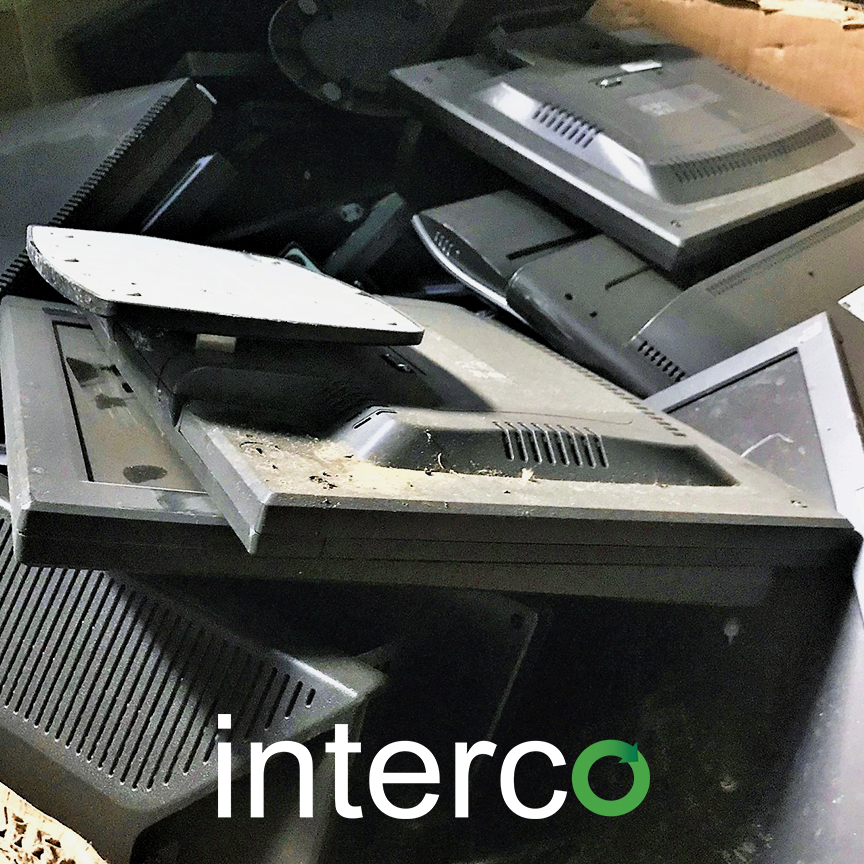
LCD Monitors
LCD Televisions
Monitors & TVs (CRT)
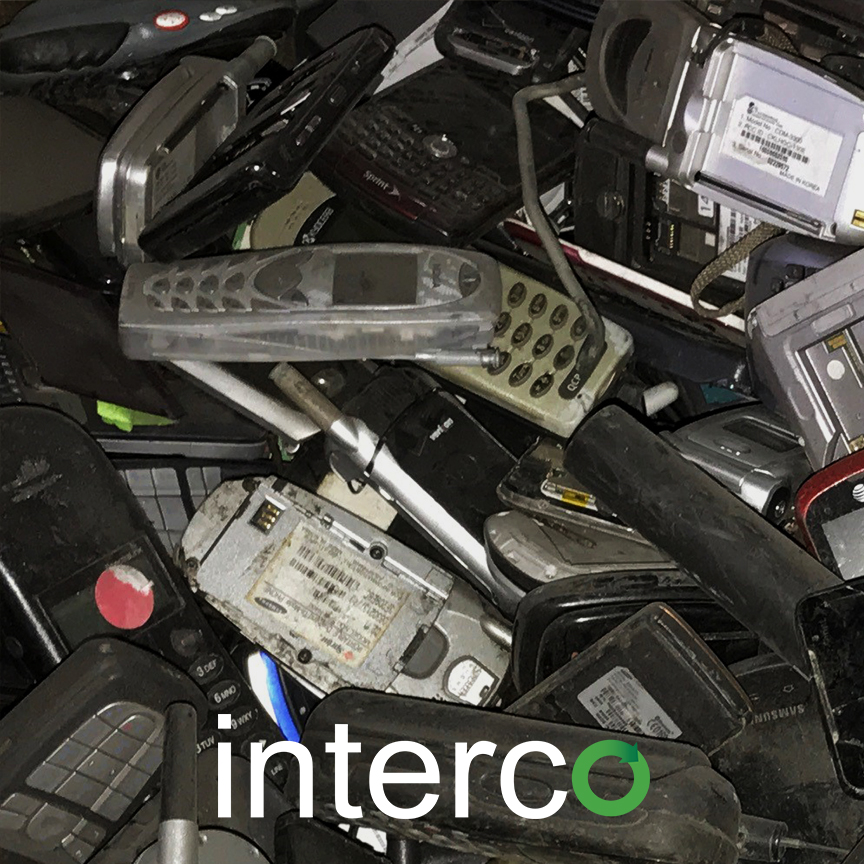
Cell phones (batteries must be removed)
Other Components
Moreover, Keyboards (remove the cords), Networking such as modems, routers, and switches, and Telephones often fit in this category. Also, Power supplies from servers with — with and without cords — recycle well. They are considered to be some of the most valuable computer component items. All Printers, copiers, fax machines must have the toner removed. Consequently, the UPS come with or without batteries. In addition, the Ballasts originate as non-PCB, electronic, HID-aluminum and HID steel. As a result, the non-PCB Capacitors make up a good part of the components seen at eScrap recycling facilities.
eScrap computers and electronics also include heat sinks which are most often aluminum. Accordingly, they could be copper as well. Small electronic transformers come in all copper, all aluminum, and a combination of aluminum mixed with copper. All computers use a great deal of wire both within the case and on the outside. This wire mostly consists of copper, but some can be aluminum and a small percentage is steel. The Ethernet cable — usually Cat5, Cat5e, Cat6, or Cat8 — becomes functionally obsolete the faster the processors and network gear becomes. Accordingly, companies often replace even the best equipment the moment it becomes outdated. This ensures optimal performance and to maintain top security for their data.
Batteries
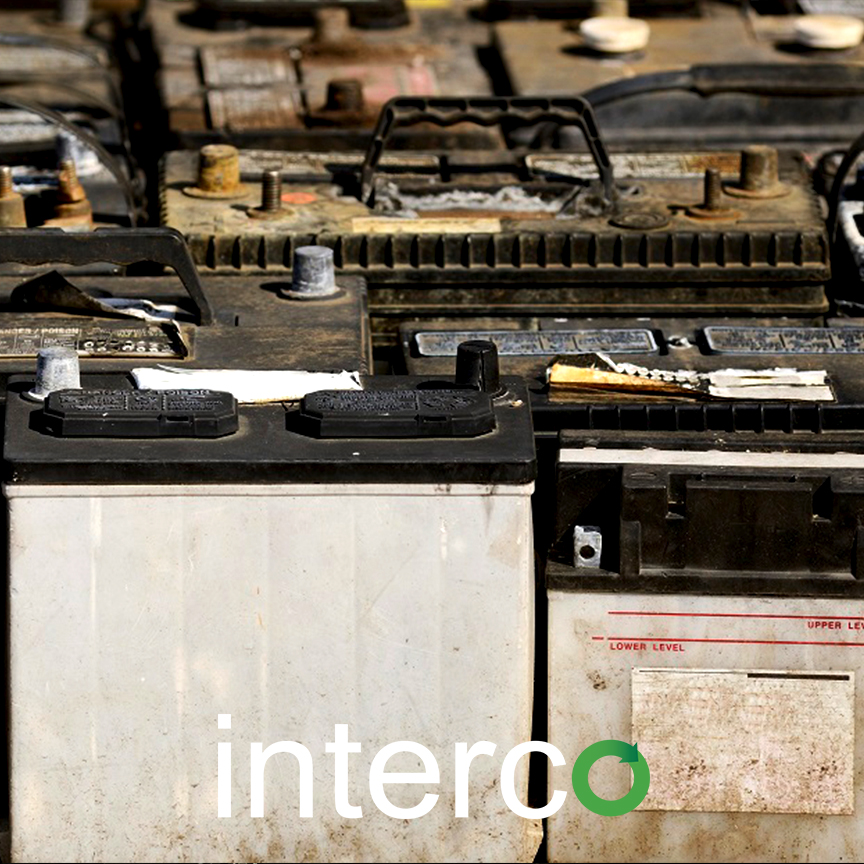
Who knew there were so many different types of batteries to sell eScrap computers when recycling? Some batteries are less common such as Absolyte Batteries Cells or steel-cased Absolyte Batteries. Even Alkaline Batteries like you would find in a flashlight with Scrap Electronics are recycled. Perhaps, the most common of batteries to be recycled when people sell eScrap computers and scrap electronics to Interco are Lead-Acid Batteries. You see these batteries in automobiles, trucks, even small vehicles like ATV four-wheelers and off-road vehicles. They can have plastic cases or steel cases. They are all sealed for safety when they sell eScrap computers and scrap electronics.
Boards & Precious Metal
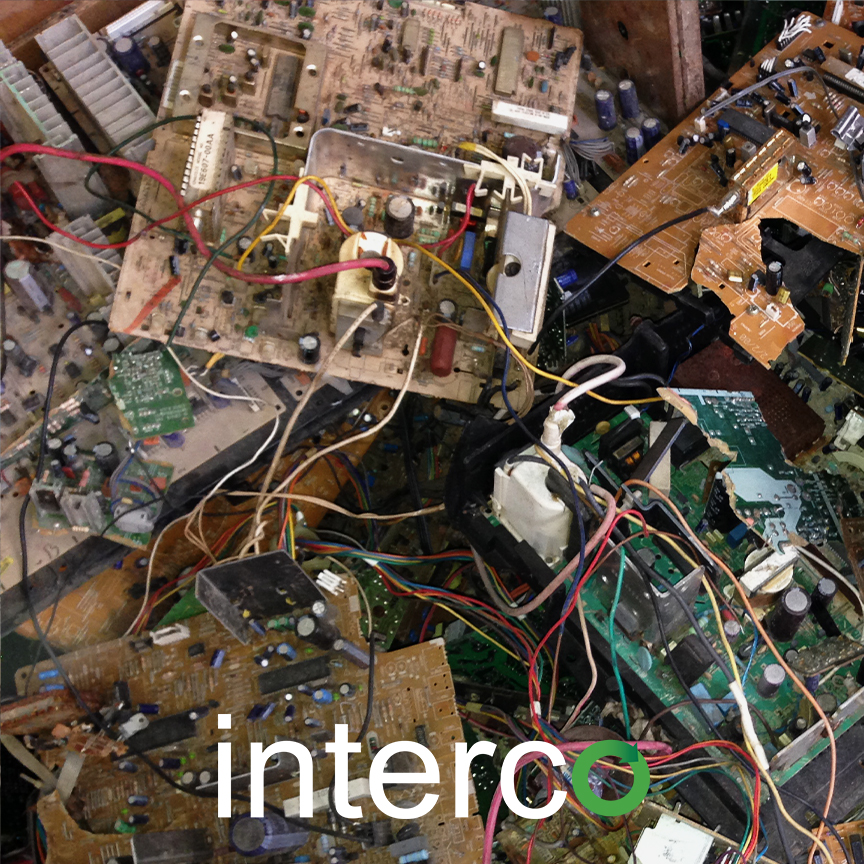
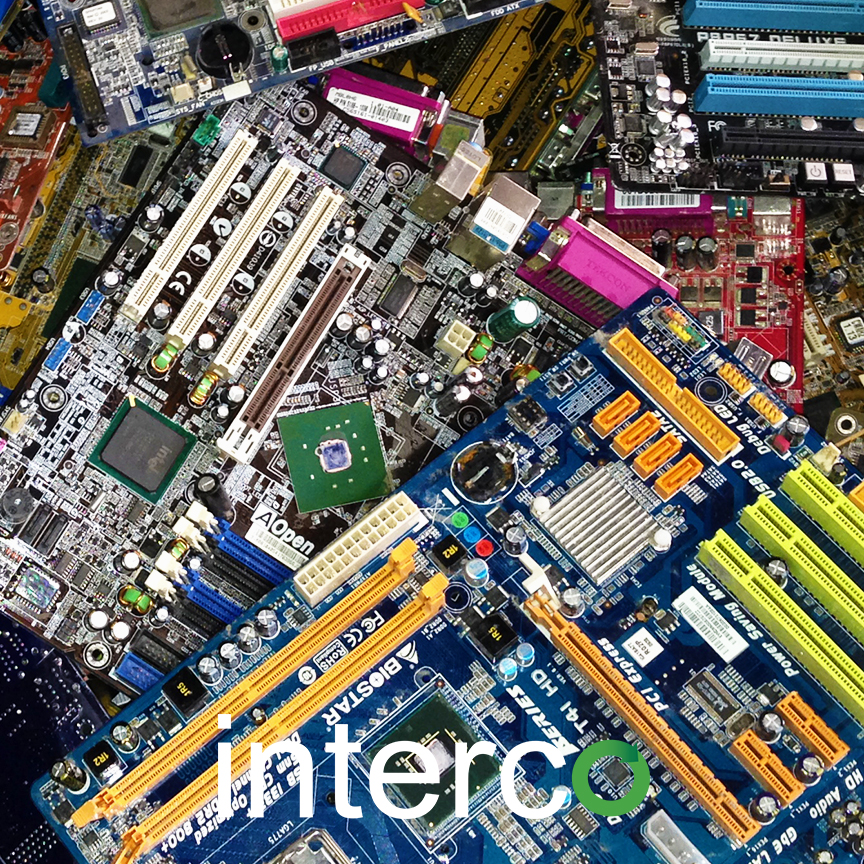
Inside a computer, monitor, television, hard drive and pretty much everything else resides some sort of a printed circuit board. These boards contain precious metal and depending on the specific board itself, some are quite valuable. ISRI has much to add about electronics recycling. Although there are literally hundreds of different types, sizes, shapes, colors, brands and models, there are 10 main categories:
CRT Boards (Monitor/Television)
Fingerboards (PCI Cards from Computers)
Hard Drive Boards
Memory (Gold or Silver — no RAMBUS)
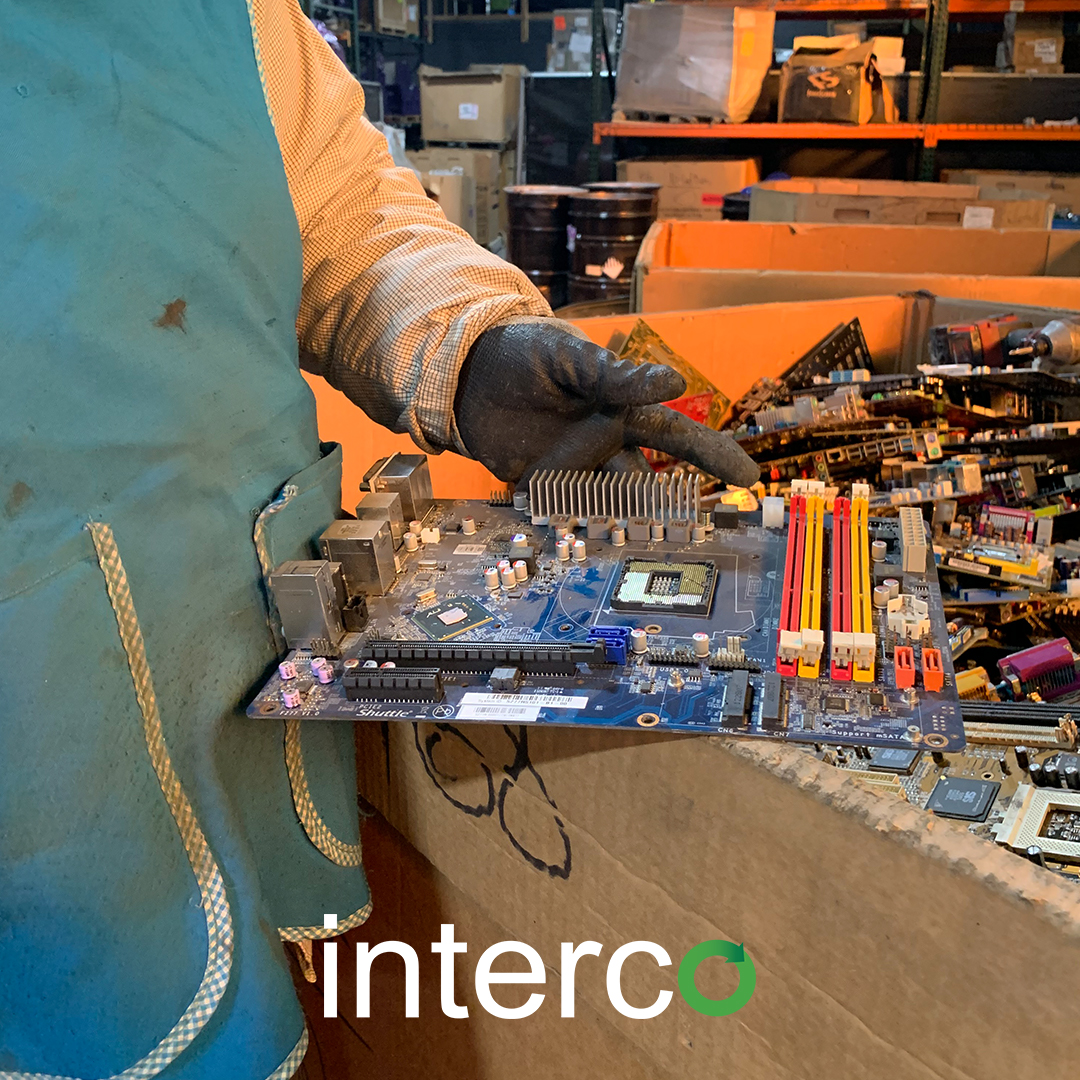
Motherboards (Green Large-Socket or P4/Small-Socket/Colored)
Mid-Grade (Cable Box, Satellite Receiver)
Power Boards
Server Motherboards (P4/Small-Socket)
Telecom Boards
HG Boards
Conclusion
In conclusion, recycling computers and eScrap is vital to keeping as much of these materials out of landfills as possible. For recyclers like Interco, recycling these items can be very lucrative. Interco purchases components, whole units, peripherals, batteries and boards and precious metal anywhere in North America for recycling. The company continues to lead the way in terms of innovative industrial recycling solutions.
To learn more about Interco’s services, click here.
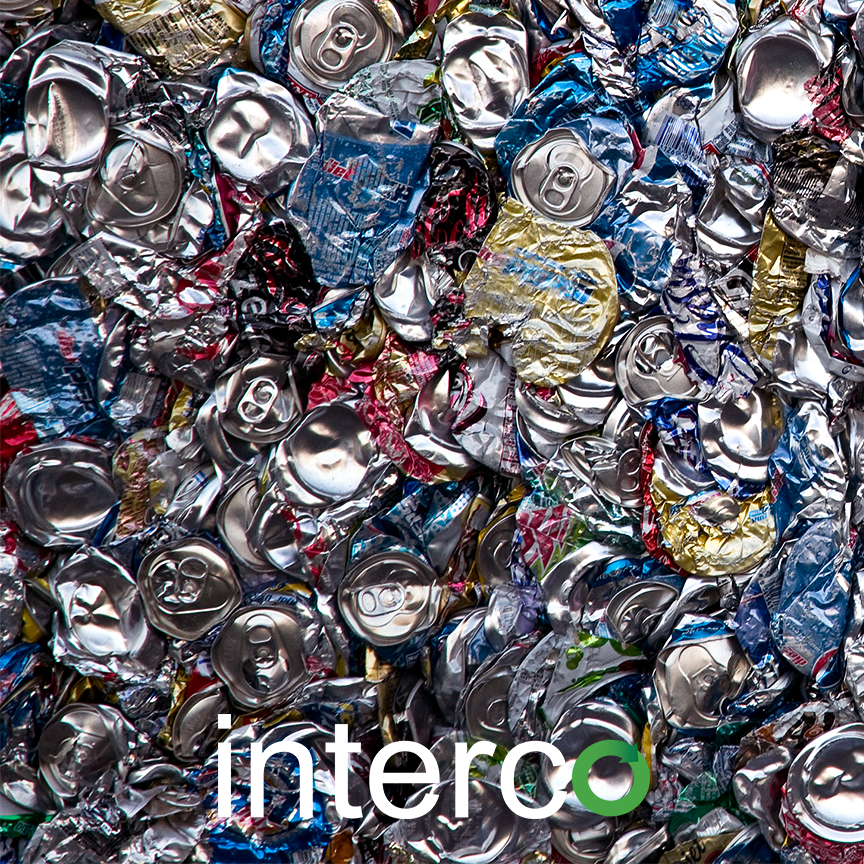
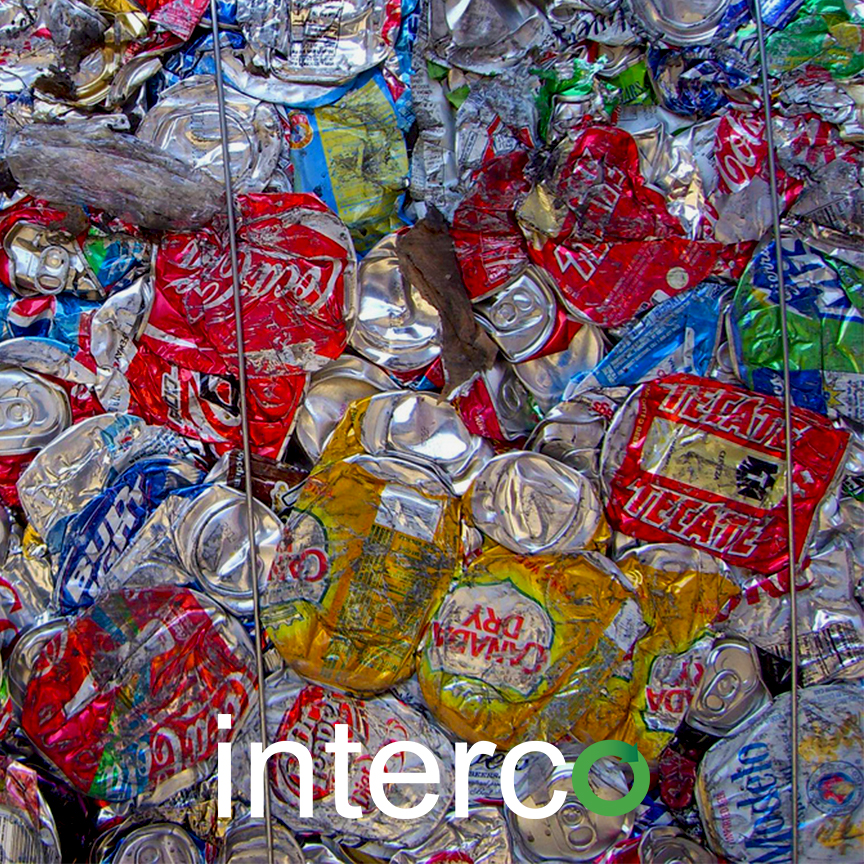
Regardless of how abundant aluminum is, recyclers still engage in the practice of recycling aluminum cans. Aluminum is the 13th element on the periodic table and it is a metallic element. It is a soft metal that is also ductile, malleable and lightweight. Aluminum constitutes approximately 8% of the earth’s crust. Bauxite is the ore that they produce aluminum from. The bottom-line: recycle aluminum cans.
This metal is a non-ferrous metal; it does not exhibit metallic properties. Also, it does not easily ignite. It is also corrosive resistant and can be easily cast, both of which are major reasons why we recycle aluminum cans. Due to the versatility of aluminum, manufacturers mostly use it after steel. Aluminum is used to make cans, while they usually mix it with magnesium to increase the can’s strength. However, the cans constitute a large percentage of aluminum.
How Important is Recycling Aluminum Cans?
Because of the high percentage of aluminum present in these cans, recycling aluminum cans serves as a source of aluminum. Today, one cannot overemphasize the widespread use of aluminum in the packaging of products in the manufacturing industry. Aluminum is used to package:
Chemicals
Oils (brake oils, cooking oils, etc.)
Milk
Beverages (soda, etc.)
Vegetables (Tomatoes, sweet corn, etc.)
Manufacturers use aluminum cans to package virtually all kinds of perishables. Because of its wide use, recyclers have come to see reasons why we must recycle aluminum cans. The main reasons include:
Saves Energy
Source of Aluminum
More Cost-effective
Reduces Pollution
The process of recycling aluminum cans saves energy and resources. Recycling aluminum cans make use of only 5% of the energy and emissions required to mine aluminum from bauxite. This alone helps reduce the greenhouse effect and protect the ozone layer from emissions. Recycling aluminum cans can serve as a source of aluminum regardless of the presence of magnesium. This is because recyclers recycle aluminum cans repeatedly with little or no significant loss of its intrinsic properties. Also, when recycling aluminum cans, they retain their quality.
Recycle Aluminum Cans to Protect Natural Resources
Recycling aluminum cans help protect natural resources like bauxite and provides an alternative aluminum source. About 75% of the first aluminum made is still in circulation. Recycling aluminum cans are very economic because of the huge amount of energy saved in recycling it. Approximately 95% of energy is saved from recycling aluminum cans. More so, recyclers melt the scraps from the production of aluminum and repeatedly use them. Recycling aluminum cans help save bauxite, chemical products, and electricity.
As recyclers recycle aluminum cans, they reduce the rate of both air and soil pollution. Many recyclers focus their efforts recycling aluminum cans by recycling used beverage cans. Aluminum cans are non-biodegradable and if could cause problems if not properly managed. In addition, recycling aluminum cans reduce or prevent the release of carbon dioxide which occurs when mining for bauxite. This gas is toxic and if saturated in the air could cause acid rain. Acid rain could cause damage to both plants, life and properties.
Conclusion
In conclusion, by recycling aluminum cans, we can save energy as well as non-renewable fossil fuels. Furthermore, we can reduce landfill and air pollution by limiting the release of carbon dioxide into the atmosphere. We must recycle aluminum cans to save our environment. Contact Interco to recycle your aluminum cans.
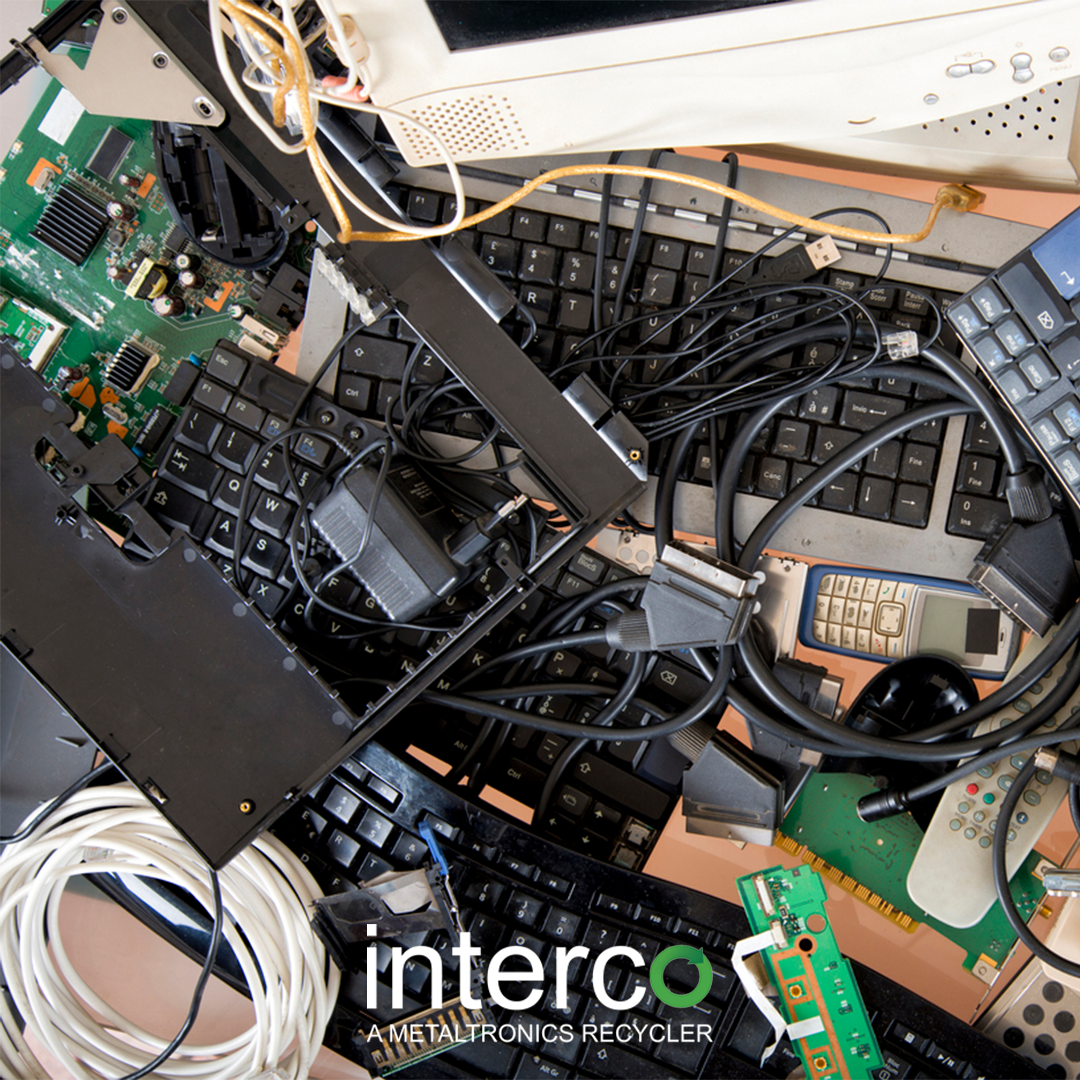
Recyclers use the term eWaste or eScrap to describe business and consumer electronic products on the verge of retirement or already spoiled. Both terms represent end-of-life computer and electronic devices. For example:
Computers
Phones
Televisions
Fax machines
Stereos, etc.
Recycling computers and electronics helps re-purpose these devices, though there are still large amounts of eWaste yet to be dumped to landfills. The importance of eWaste recycling grows daily. The rate of eWaste recycling today is still very poor due to improper knowledge about this process.
Why Should You Recycle Computers and Electronics?
Rich Source of Raw Material: Approximately 10–15% of gold is recoverable from e-waste worldwide. Also, it is said that eWaste contains deposits of precious metals that estimate between 40 and 50 times costlier and richer than their ores beneath the earth’s surface.
Solid Waste Management: There is excessive land fill and solid waste. eWaste recycling helps prevent further degradation if agricultural land and curbs pollution.
Toxic Materials: Old electronic gadgets and devices contain toxic materials like mercury, lead, chromium and cadmium. Therefore, eWaste recycling helps assure proper processing, so that these devices do not release these toxic gases into the environment.
How to Recycle E-waste
eWaste recycle requires a degree of care. Execute these steps carefully:
Collection of the eWaste from dumping or deposit points.
Break them with a hammer or by hammering.
Separate individual components i.e. plastic, glass, copper, and other metallic materials.
Take individual materials to their different recycling points for further processing.
Pack non-recyclable materials and properly dispose them.
The disposal process takes a degree of care because the company keeps the environment in mind and abides by all safety and regulation laws. Recyclers must follow all EPA regulations during the processing of the computer and electronics items.
Benefits of E-waste Recycling
The list benefits of eWaste recycling to man and the environment at large grows daily.
Reduces Water, Air and Soil Pollution:
Because of the toxic constituents of eWaste, indiscriminate dumping or disposal can be dangerous to human health and the environment. Residents of areas polluted by the improper disposal of computer and electronics risk developing serious diseases and experiencing certain medical conditions due to inhalation of these harmful substances.
In addition, unprocessed eWaste left on the ground seeps out chemicals that affect the soil, rendering it not conducive for agricultural use. Furthermore, when rain falls, these chemical wash off from the eWaste dumps and flows into rivers and streams. This could contaminate drinking water. Proper eWaste recycling reduces all these forms of pollution.
It Protects Natural Resources:
Most of the resources in nature are non-renewable. eWaste recycling allows the separation of these valuable materials and their recovery. In this way, companies can produce new products using the same materials. This helps reduce pollution, save energy, and protect natural resources.
Reduces the Space Required for Landfills:
Waste is a global problem and governments around the world are in search to reduce the space need for landfills. Sometimes, these landfills are covering areas that are suitable for agriculture or even for housing. Also, most of the wastes left in landfills cannot dissolve and that’s when the real problems begin. By executing eWaste recycling, you will be able to reduce the space needed for landfills and directly reduce pollution.
eWaste Recycling Creates Employment:
If governments properly educate and enlighten citizens on the importance of eWaste recycling, then people will open new electronic waste recycling companies. Also, the existing ones like Interco will employ more workers that will help in the process. By utilizing this effort, governments support the local economy and protect nature at the same time.
Conclusion
The computer and electronics around us from old computers, laptops, and monitors all fall into eWaste. To learn more about eWaste recycling, contact Interco here.
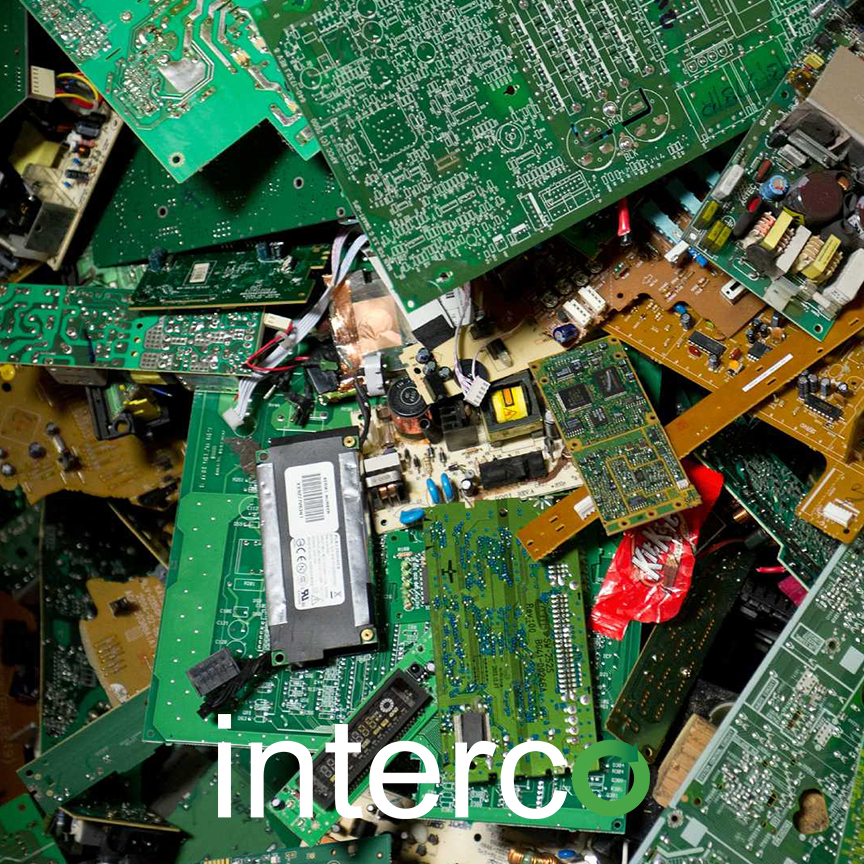
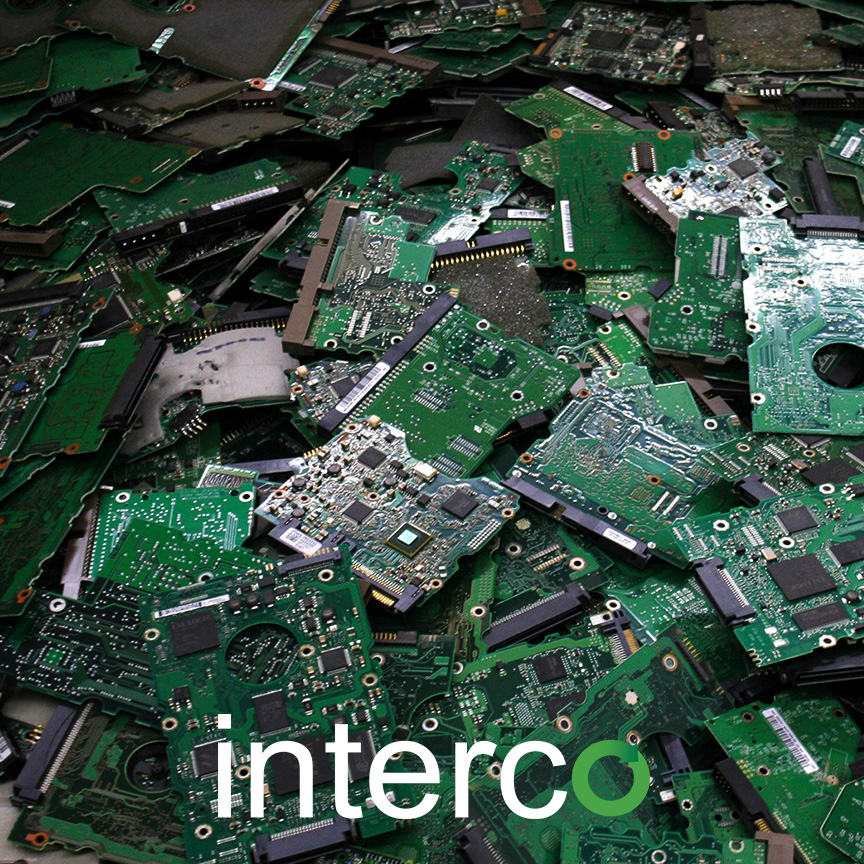
Printed Circuit boards (PCB), also known as green boards, are designed specifically to support and facilitate the connection of electronic components. They accomplish this through their conductive tracks, pads and etched sheet of copper layer laminated on it.
First off, PCB can be found in the majority of the electronic gadgets and devices popular today. They serve as a conductive foundation where you fix other electronic components, such as capacitors, resistors, inductors and much more.
Recycling printed circuit boards that are populated with many components could yield more valuable materials like:
Gold
Silver
Platinum
Palladium
How? The process extracts components affixed to the boards. Recycling PCB recovers approximately 99 percent of the precious and scarce metals from the recycling process.
The copper part of the board is completely recyclable as a metallic material. Recycling PCB helps reduce depletion of natural resources such as copper, as processors often reuse these boards multiple times. Although, after recycling, they must test the boards as the recycling process might damage certain parts of the board.
In addition, because of the excessive use of this type of circuit board in the electronic manufacturing industries, recycling printed circuit boards reduces solid waste, landfill and land pollution.
How to Recycle PCB
Due to the nature of the intricacy of the boards themselves, recycling them poses difficulty because of the several chemicals, metals and glass fibers used in manufacturing them. Subsequently, in order to successfully recycle them, recyclers separate these components carefully to prevent total destruction of scarce materials.
Likewise, there are three main ways of recycling PCB: electrochemical process, hydro-metallurgy, and smelting process.
These methods assist in recovering valuable electronic components, connectors and metal scraps. Hence, the most popular way of recycling PCB is through dismantling. This involves loosening the board from its components. The steps are as follows:
First, recycle haulers collect these used to damaged boards and ship them to recycling companies.
Next, the company drills the boards and loosens them to remove components easily.
Finally, they meticulously remove the components, namely the following:
Capacitors
TV plugs
Motors
Screws
LED
Transistors
Switches
Dismantling the boards requires special tools and meticulous handling in order to avoid damaging the board as well as its components. After dismantling, the recyclable materials (copper) melt and refine into new products. Finally, recyclers incinerate any non-recyclable materials for electricity production and properly filter waste water from the process before discharging it.
Conclusion
Lastly, pulling or picking parts off the boards and recycling them is neither economical nor practical. Because of how delicate they are, test PCB after successfully recycling a PCB to ensure functionality.
If you are interested in recycling Printed circuit boards, Interco offers a variety of recycling services.
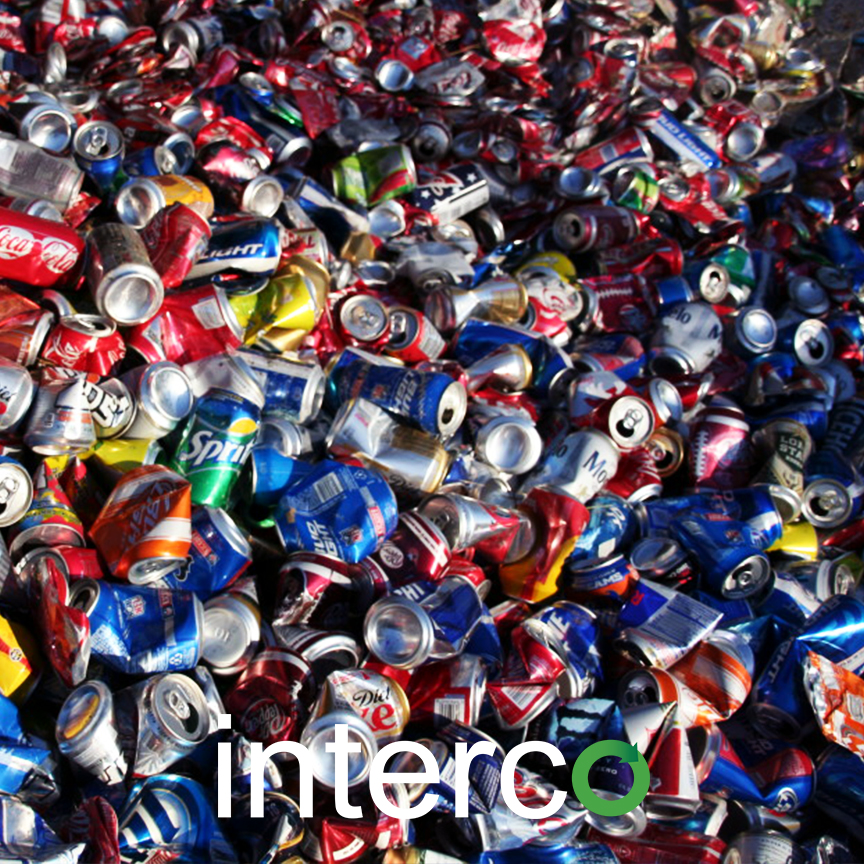
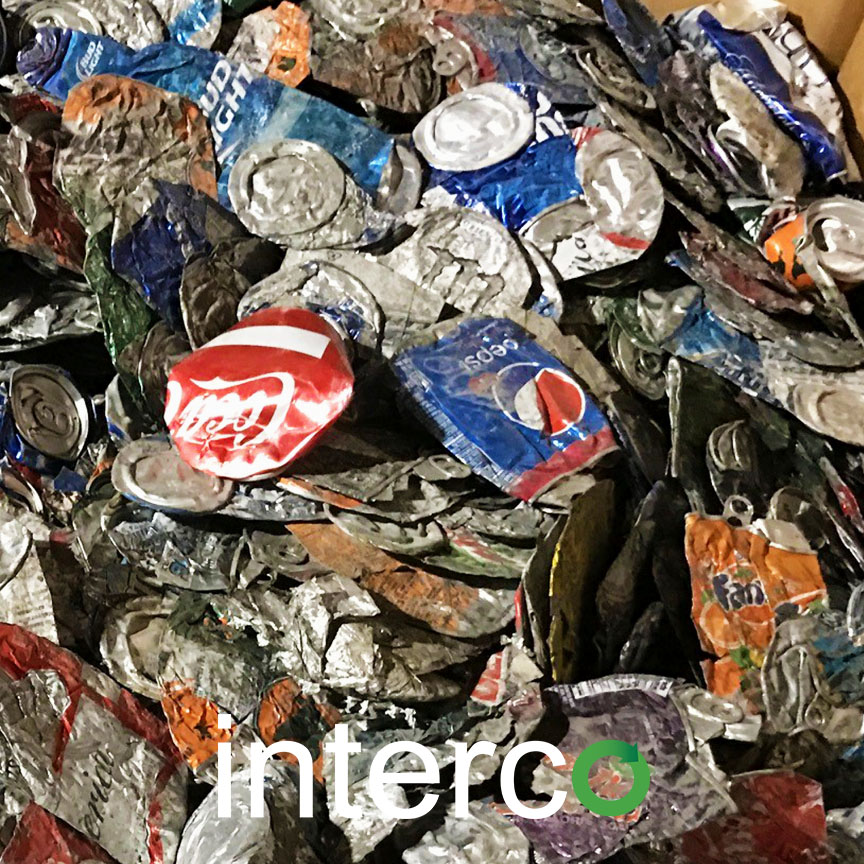
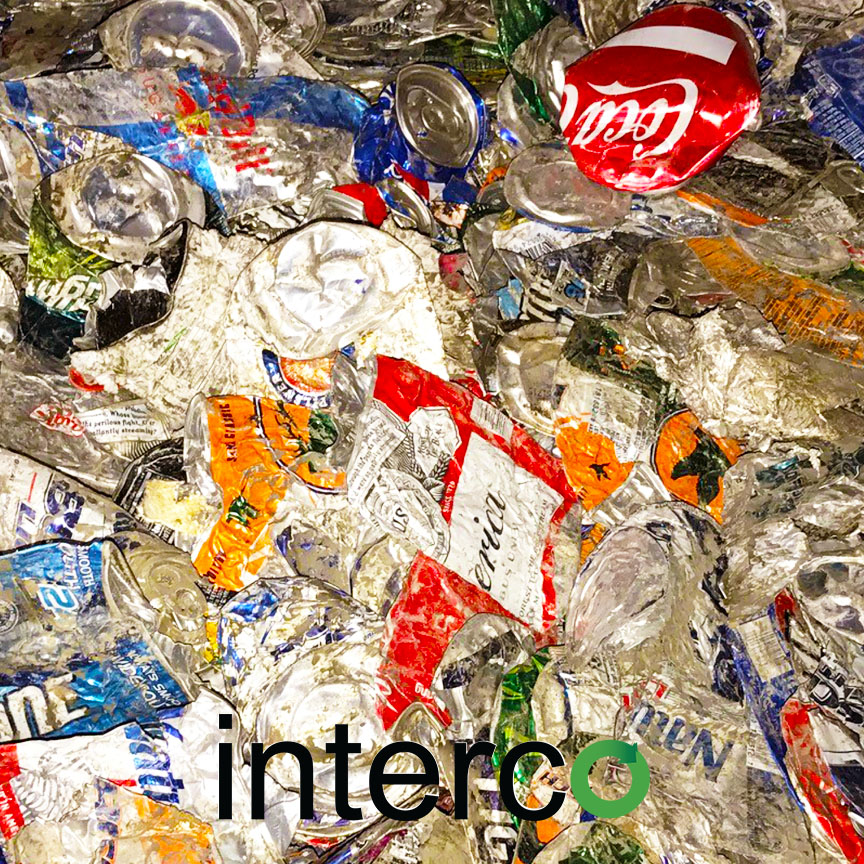
Most people do not consider recycling used beverage cans. They toss used beverage cans into the trash rather than in to recycle bins as soon as they consume its contents. But is this right?
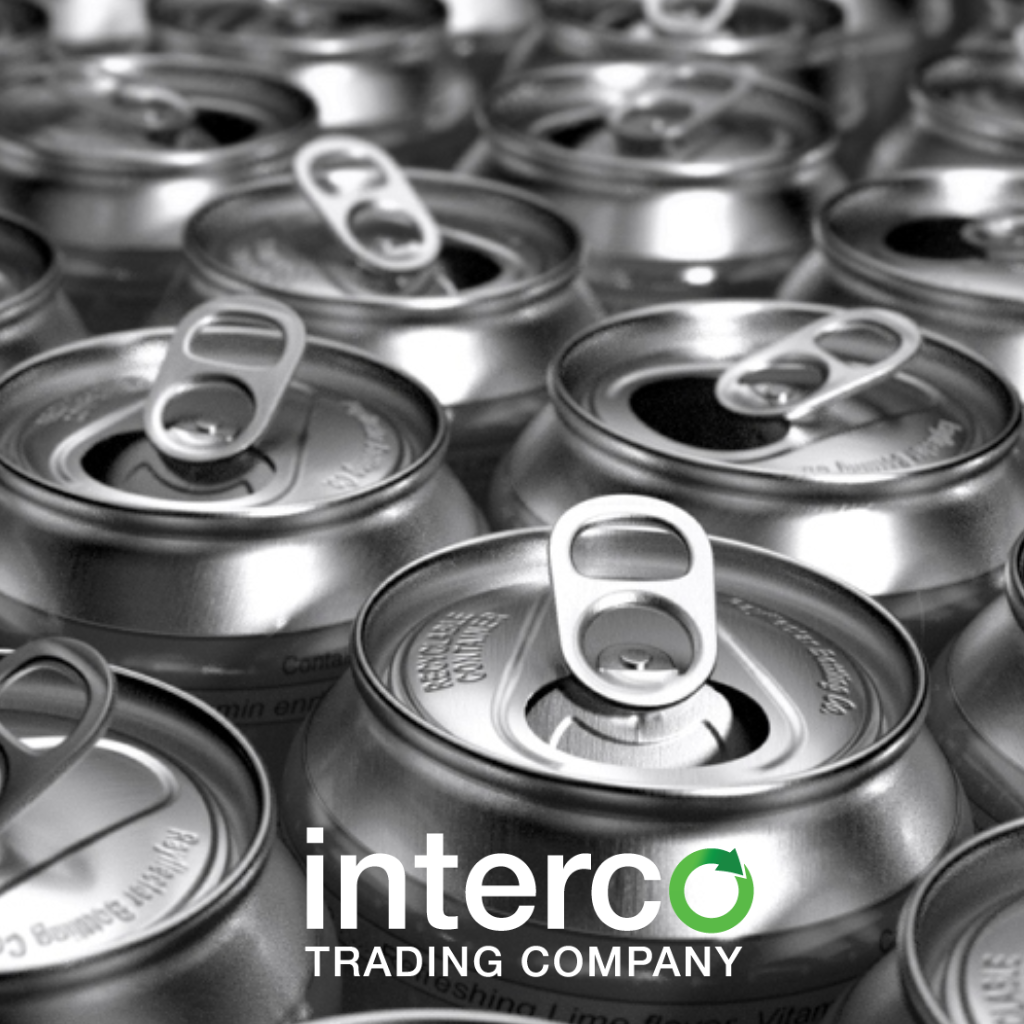
Recyclers refer to used beverage cans as UBC when they are recycling used beverage cans. These UBC are very much recyclable because of their metallic properties and composition.
In addition, aluminum is the main material in producing UBC which has many purposes i.e.
Reproduction of cans
Foils
Kitchen utensils
Window frames
Vehicle parts (engine compartments)
Airplane parts, etc.
Why Recycle Used Beverage Cans?
Recycling used beverage cans is very important. Recycling aluminum make use of approximately 5% of the total energy and emission required to produce aluminum from its ore (bauxite).
This means it is significantly cheaper, economic and greener (in term of reduced emission) to recycle used beverage cans than to mine bauxite and refine it for aluminum. At Interco recycling used beverage cans is so important.
Furthermore, recycling used beverage cans over and over again is possible without significant loss of its aluminum (metallic) properties. By recycling these cans, it helps conserve non-renewable fossils needed to make new aluminum from bauxite which in turn reduces:
Energy consumption (approximately 95% energy)
Emission of gases i.e. carbon dioxide
Global warming (greenhouse effect)
How to Recycle UBC?
How then do they get recycled? For the steps involved in recycling used beverage cans, read on:
The aluminum cans are first collected from can recycle bins or UBC depositories.
Then the recycling company or manufacturing industry uses a shredder to shred the aluminum cans. This helps removes any colored coating.
They subject the aluminum shreds to intense heat temperature in a furnace to melt.
Finally, the molten aluminum is then poured into casts (ingot) to set. Over a million cans get produced from each of these ingots.
Conclusion
Like earlier stated, it is possible to recycle aluminum many times without degrading its intrinsic properties. Thus, if you desire to recycle or selling your UBC, Interco is the top company for recycling used beverage cans in the Midwest. They offer quality metal recycling services. Contact them here.
 The introduction of smart meters meant meter readers never again needed to walk house-to-house. They could drive a well-equipped van through an area and collect the data transmitted directly. Smart meters continue supplanting analog meters. Today, manufacturers produce much smarter meters furnished with 5G technology. The new meters offer more exactness and data security and can a pinpoint the exact area of a meter inside a couple of feet or less. Electric associations will have more old meters in the next decade than in the past 25 years combined because of progressions in technology. Along these lines, associations must continue to recycle utility meters.