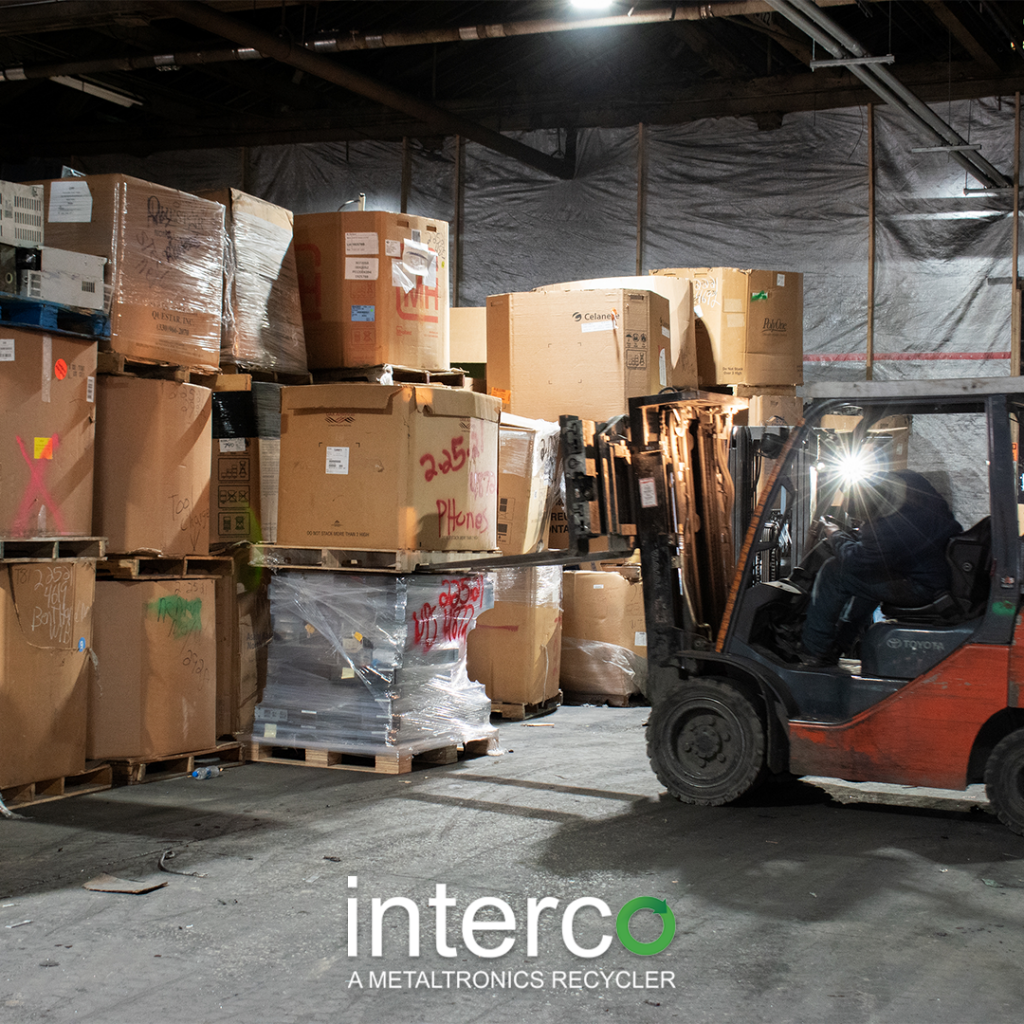
Escrap recycling

eScrap Recycling

Origins of an Electronics-First Recycling Platform

Interco Trading, Inc. began in 1996 as an electronics scrap trading company. The original focus was on sourcing and placing eScrap in the global marketplace, developing an early understanding of material composition, pricing dynamics, and downstream requirements.  

As volumes increased and material complexity became more apparent, the business quickly evolved beyond trading alone. Interco brought electronics processing in-house, disassembling computers and electronic equipment to separate, sort, and upgrade individual components that carried greater intrinsic value. 

That evolution shaped how Interco operates today. Handling electronics at a component level required systems capable of managing variation, risk, and scrutiny from the outset. Material intelligence, disciplined intake, controlled workflows, and downstream accountability were not optional features; they were prerequisites. Those early decisions established a foundation that continues to define the business. 

Scale, Volume, and the Role of Electronics Scrap
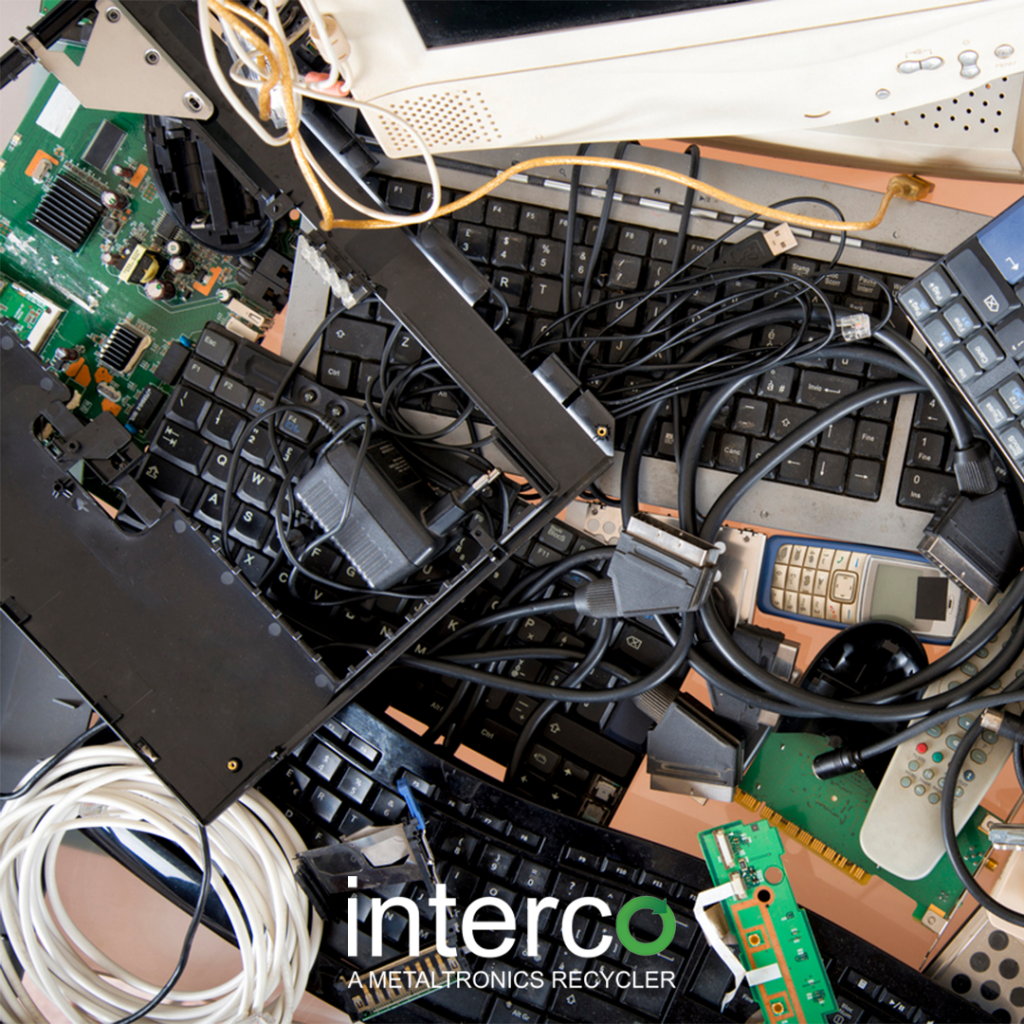
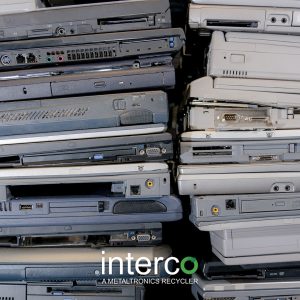
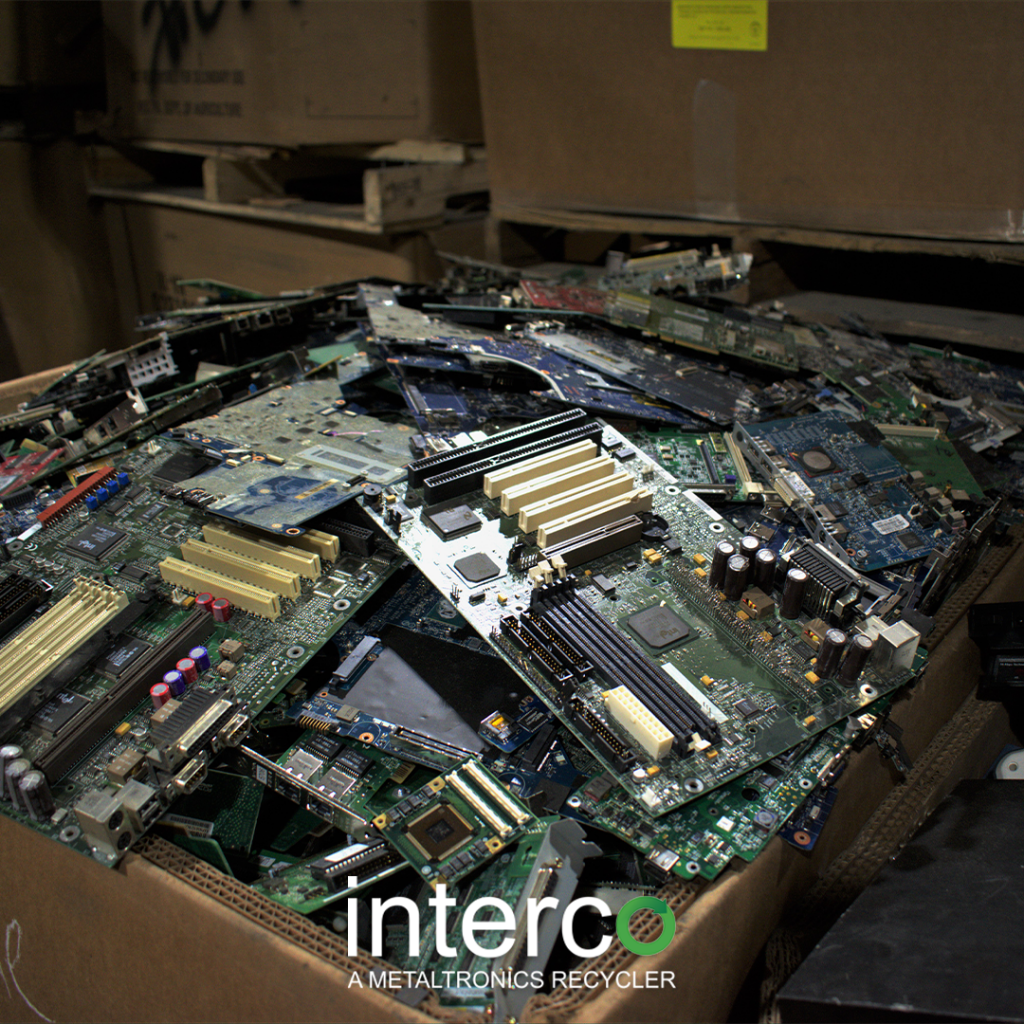
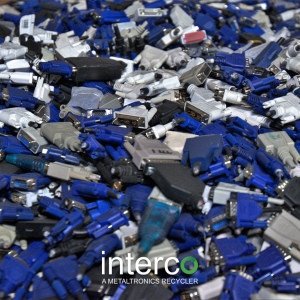
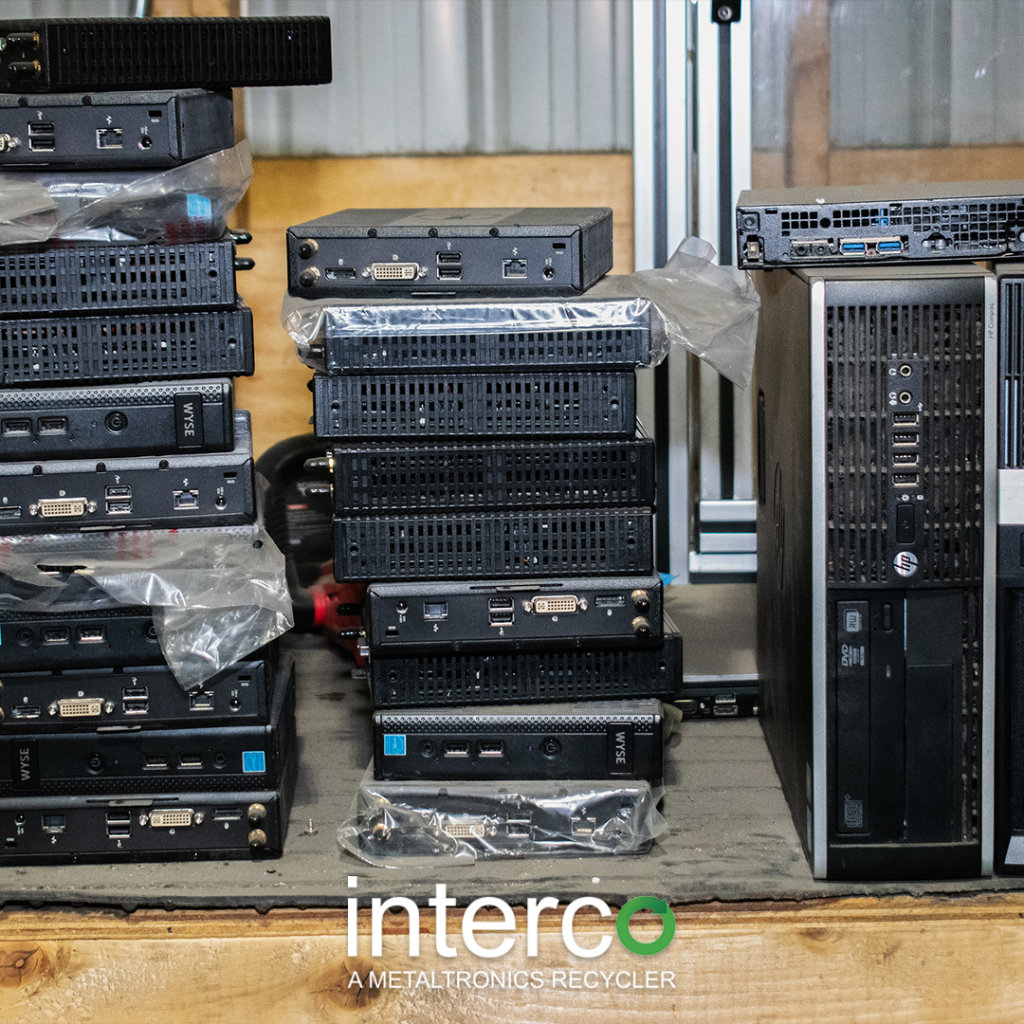
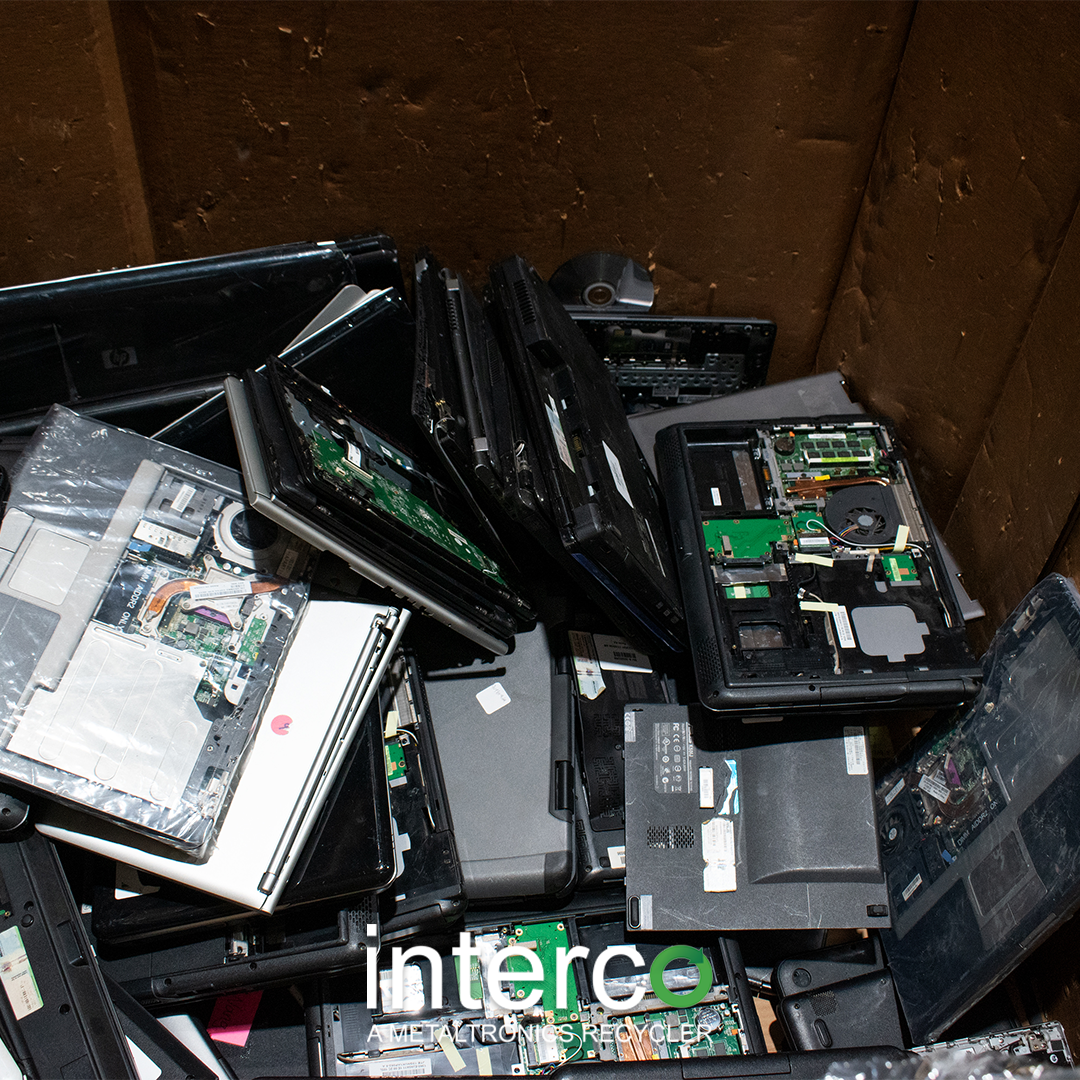
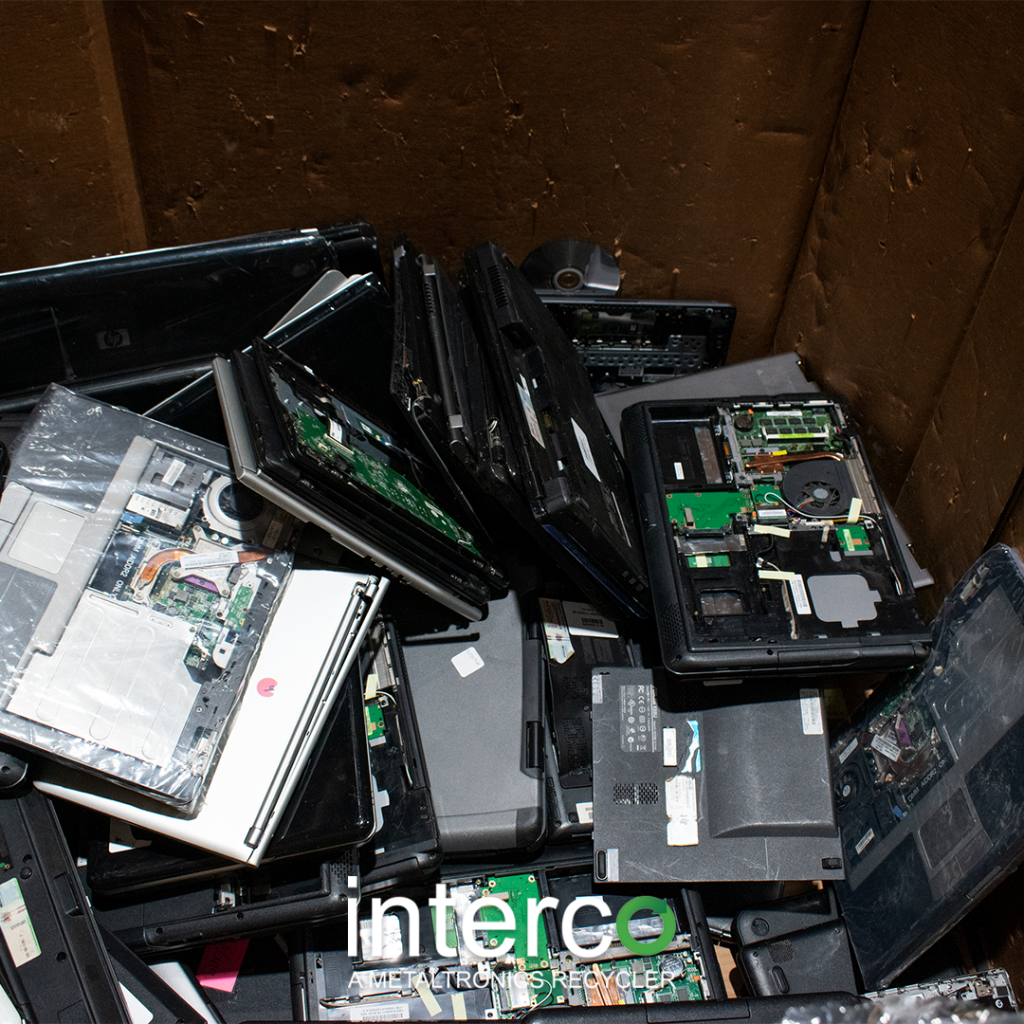
eScrap Laptops Mixed Keyboards

Interco now operates at significant industrial scale, purchasing approximately 12,000 to 15,000 metric tons of scrap each month across all material streams. Electronics scrap represents roughly 15 to 20 percent of that inbound volume. While nonferrous metals and batteries eventually grew to represent a larger share of total tonnage, eScrap remains a core and strategic part of the business. It is not a bolt-on service. It is the category around which the original operating model was built. 

Electronics recycling is structurally more complex than nonferrous recycling. There are hundreds of distinct eScrap items, each with different material compositions, data considerations, regulatory requirements, and downstream specifications. By comparison, nonferrous recycling involves fewer than one hundred primary items. Many recyclers begin in nonferrous metals and later attempt to add electronics, often underestimating the operational and compliance burden. Interco evolved in the opposite direction, mastering the more demanding category first, then expanding into nonferrous metals and batteries using systems already designed for complexity. 

Managing Complexity Across Mixed Material Streams

That evolution has practical consequences. Because Interco was built to manage hundreds of electronics items, the infrastructure, workflows, and material intelligence already existed to handle variation at scale. When nonferrous metals and batteries were added, they were integrated into an operating environment designed for granular separation, controlled processing, and detailed reporting. This is why Interco can accept inbound loads that include fifteen or more distinct nonferrous items alongside electronics material without sacrificing accuracy, pricing integrity, or turnaround time. 

For suppliers, this capability creates a meaningful advantage. Interco allows mixed inbound loads that include eScrap, nonferrous metals, and batteries in the same shipment. Material does not need to be artificially separated upstream to accommodate limited processing capability. Each component is evaluated independently, routed through the appropriate workflow, and settled based on its true value. Suppliers can mix material streams and still receive premium pricing for both electronics and nonferrous material. 

Key Advantages of Mixed-Load Acceptance

  1. Ability to receive electronics, nonferrous metals, and batteries in a single inbound shipment.
  2. Independent evaluation and settlement of each material stream without averaged pricing. 
  3. Preservation of recoverable value even in highly complex or consolidated loads.
  4. Reduced upstream handling requirements for suppliers and scrap dealers.
  5. Consistent turnaround times despite variation in load composition. 

Interco purchases material from a broad supplier base that includes corporate IT departments, data centers, manufacturers, utilities, healthcare systems, government entities, IT asset disposition firms, and professional scrap dealers. Scrap dealers in particular benefit from the ability to aggregate complex material streams and deliver consolidated loads without losing value. The approach at Interco allows dealers to maximize efficiency while maintaining pricing discipline and downstream compliance. 

Controlled Processing, Compliance, and Downstream Accountability

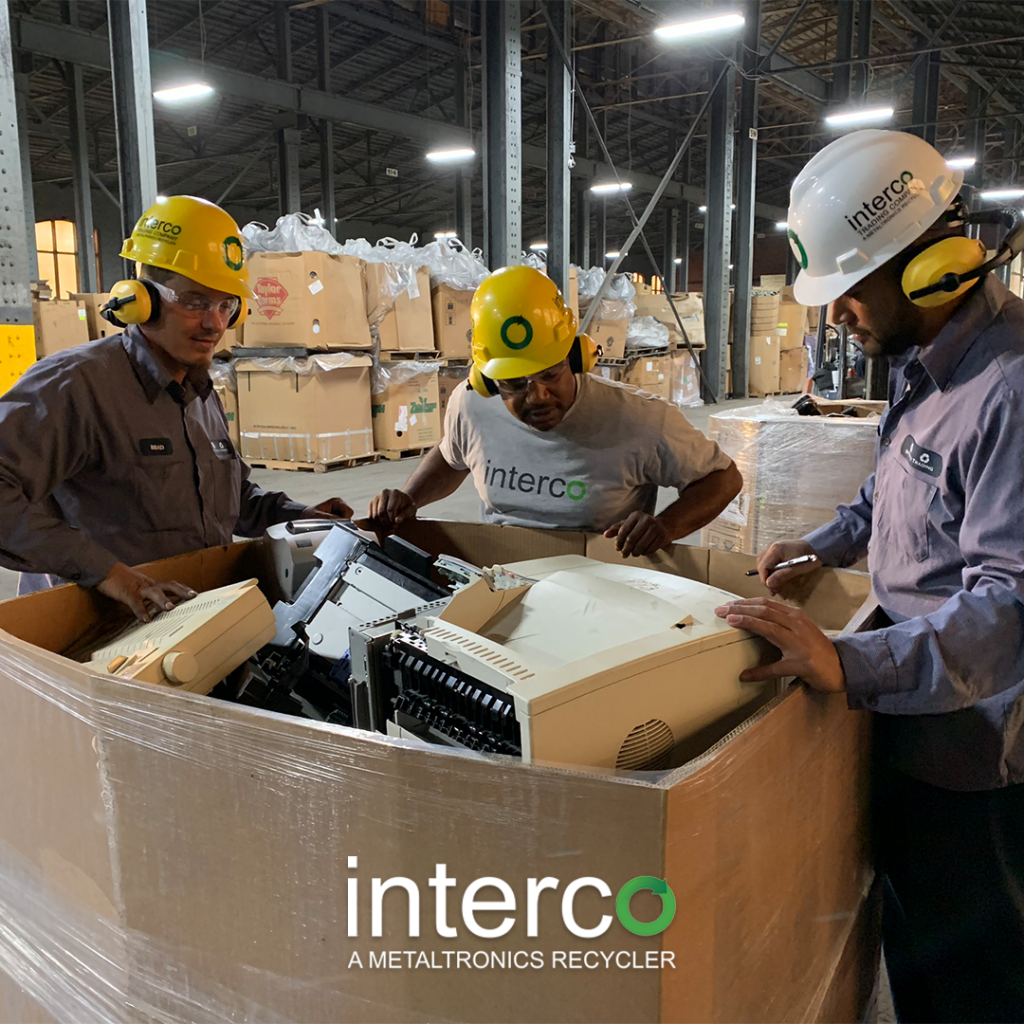
Electronics material entering the system is evaluated immediately. Composition, recoverable value, processing requirements, data-bearing risk, battery content, and regulatory considerations are identified at intake. This determines how each item will be handled, processed, and placed. Early identification prevents cross-contamination, protects compliance integrity, and preserves recoverable value, especially when dealing with highly mixed inbound loads. 

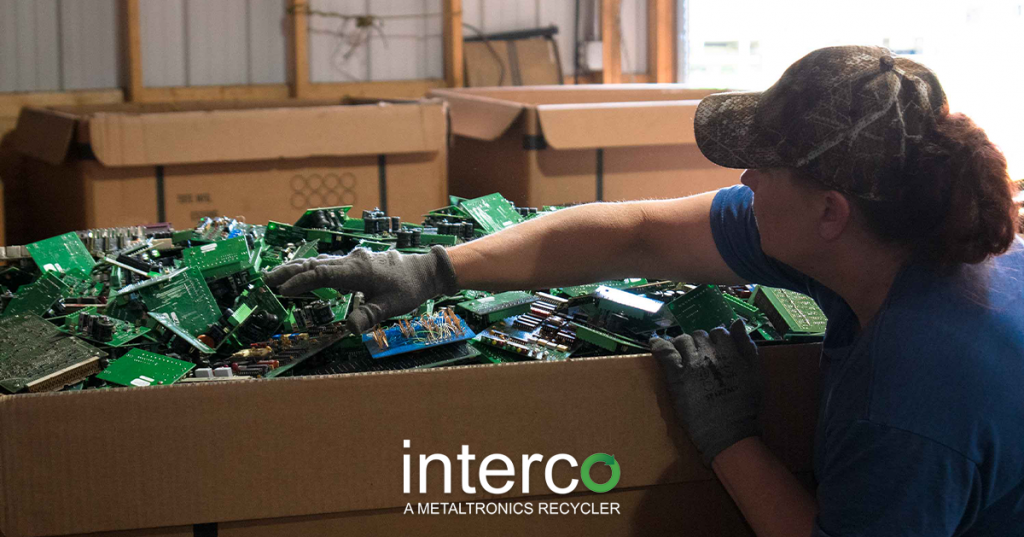
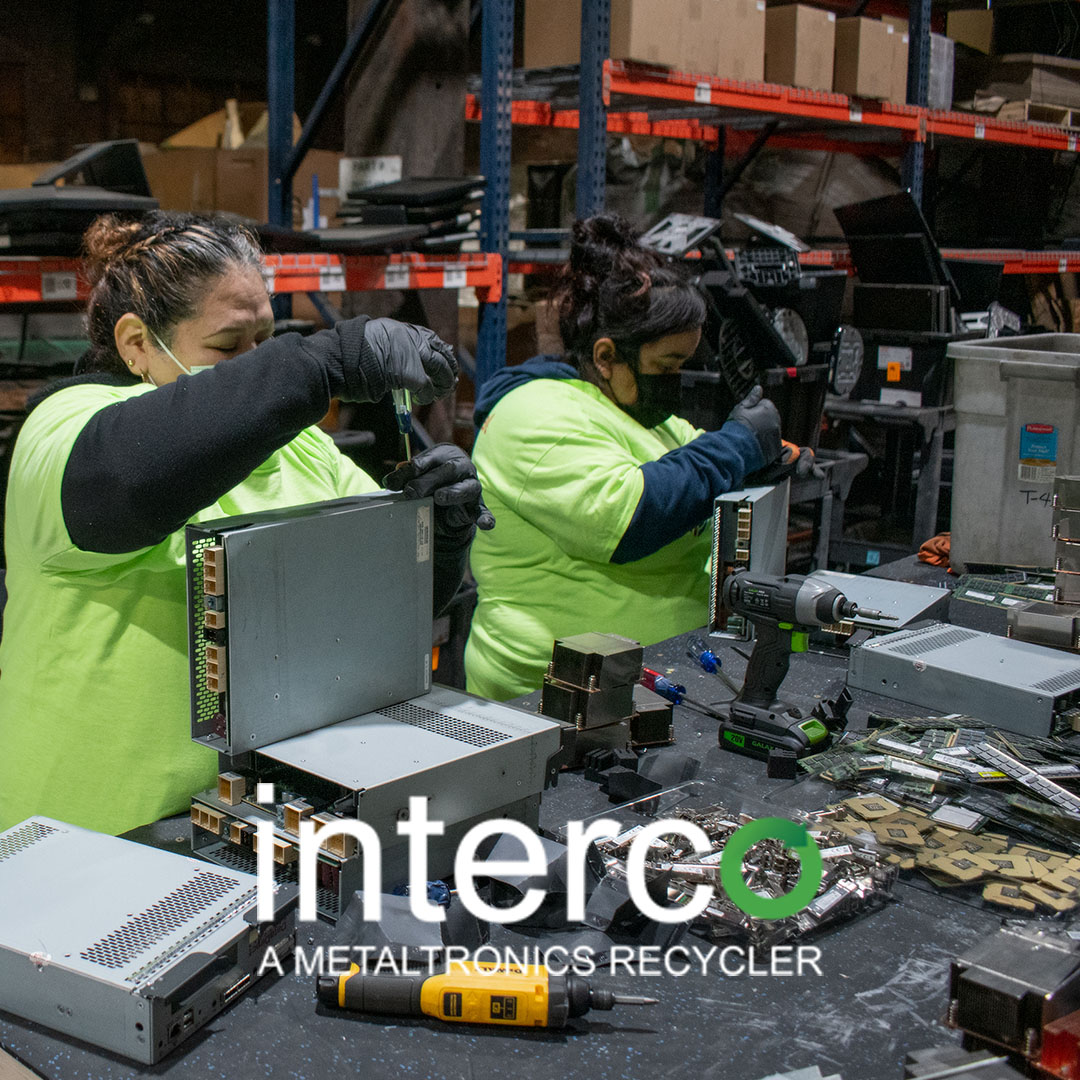
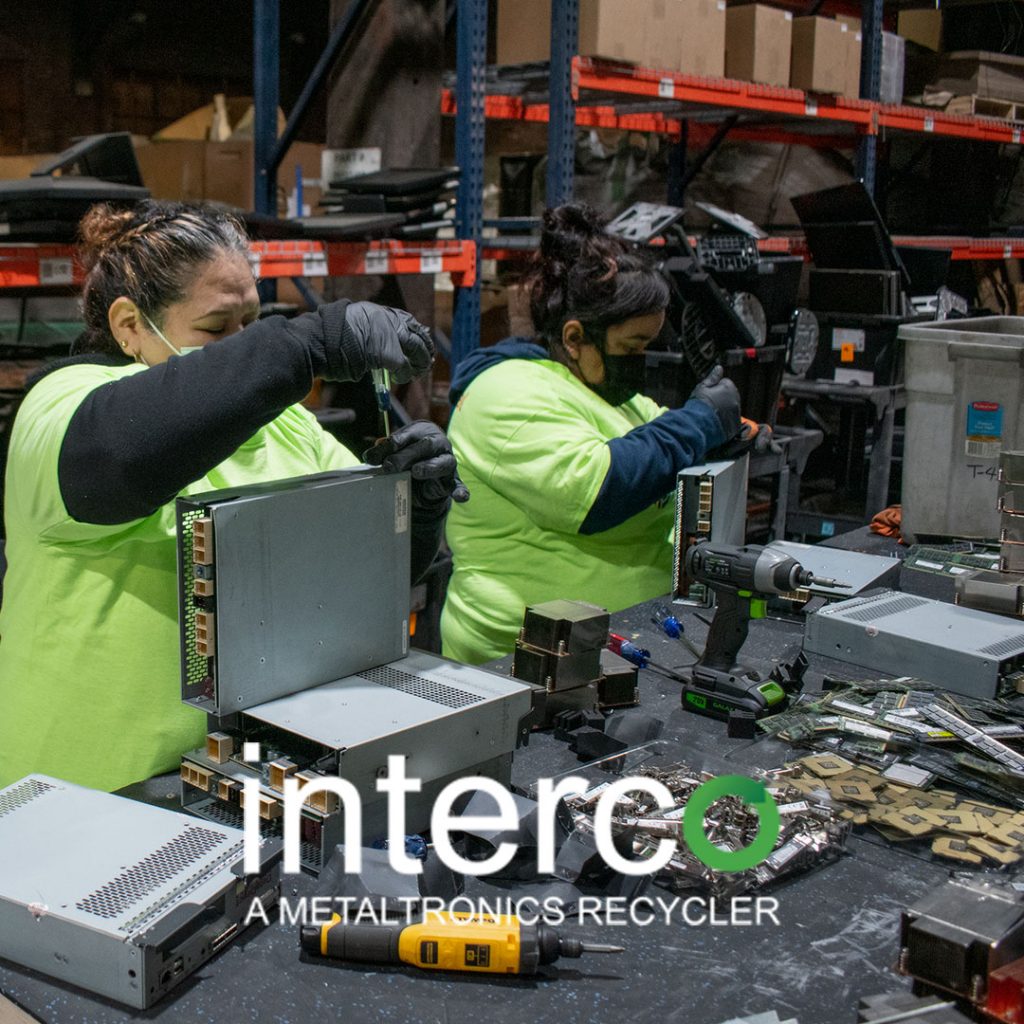
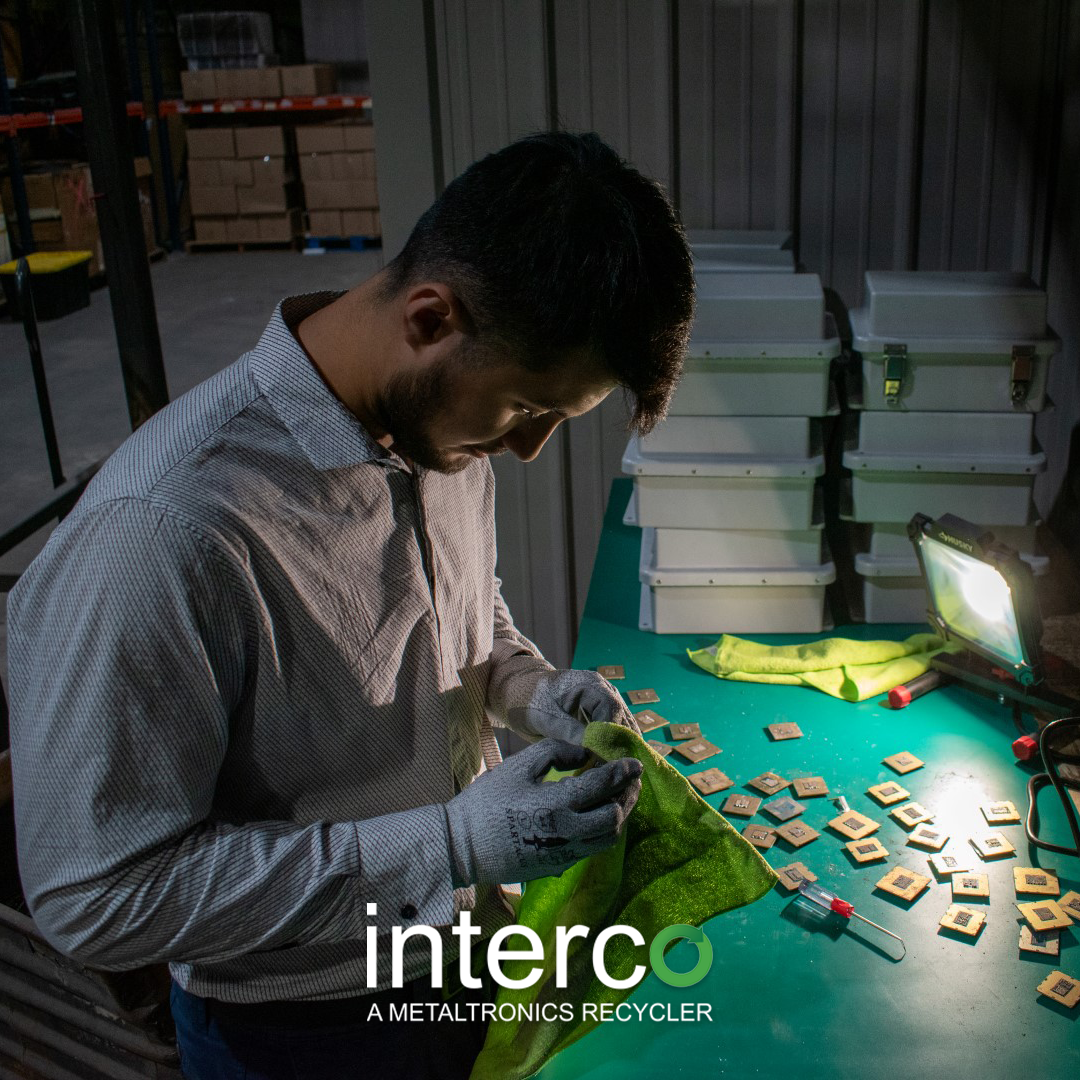
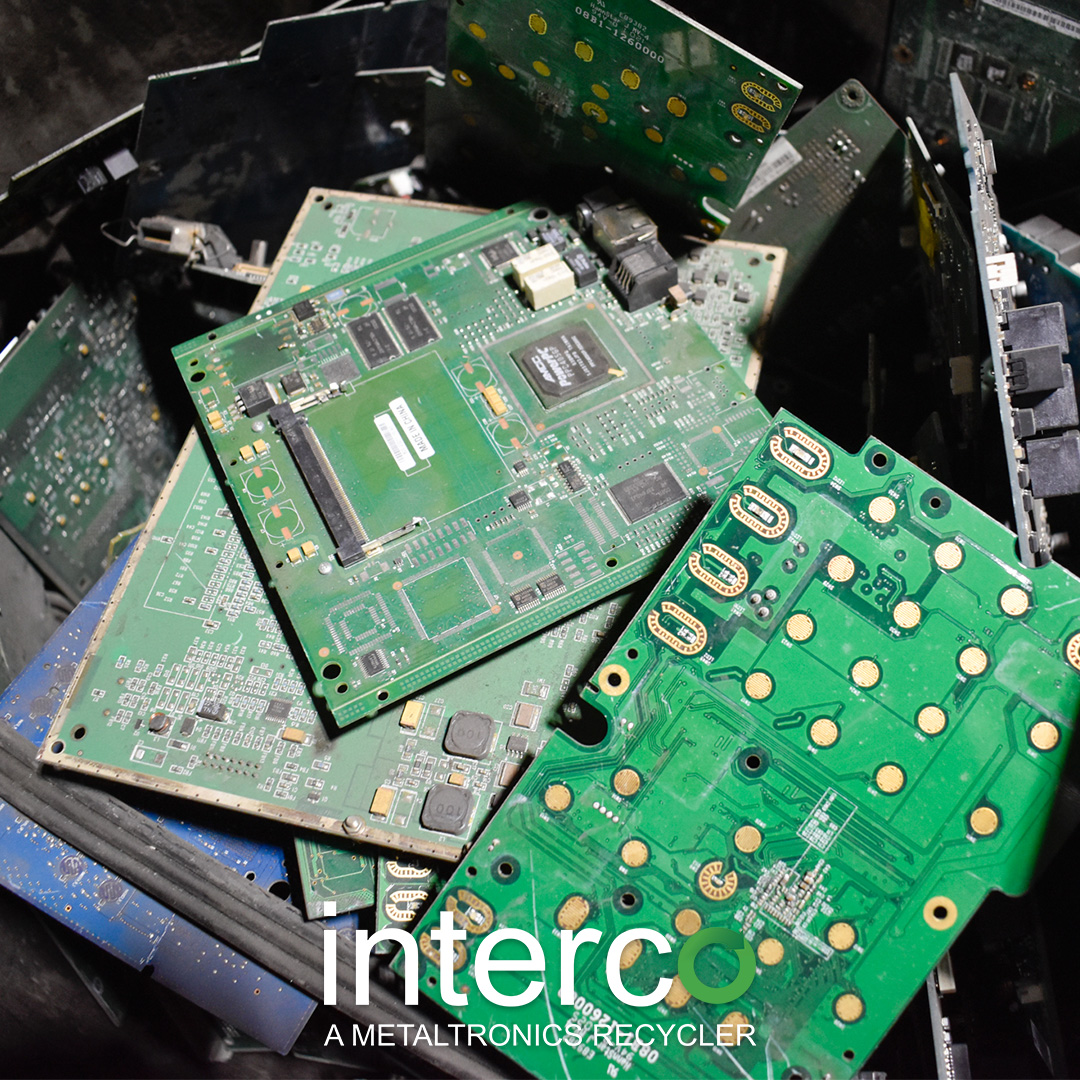
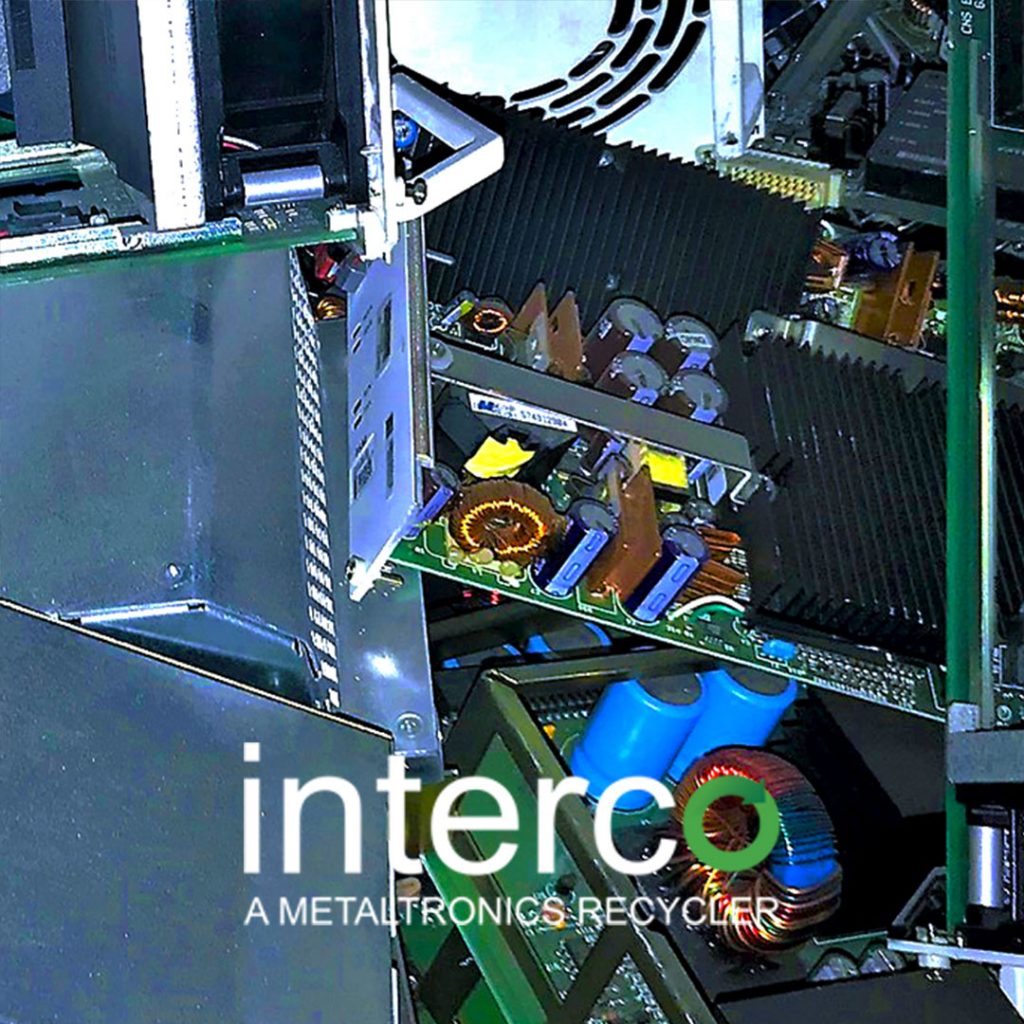
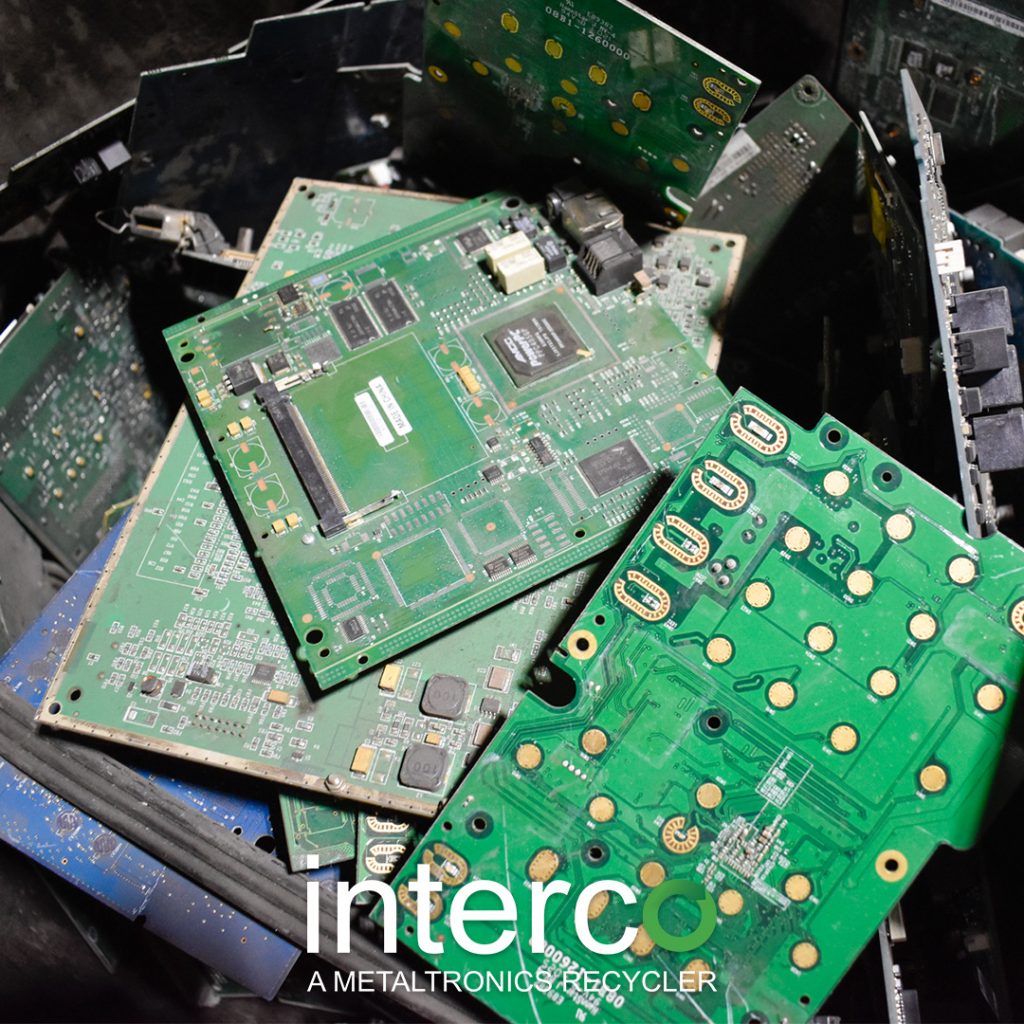
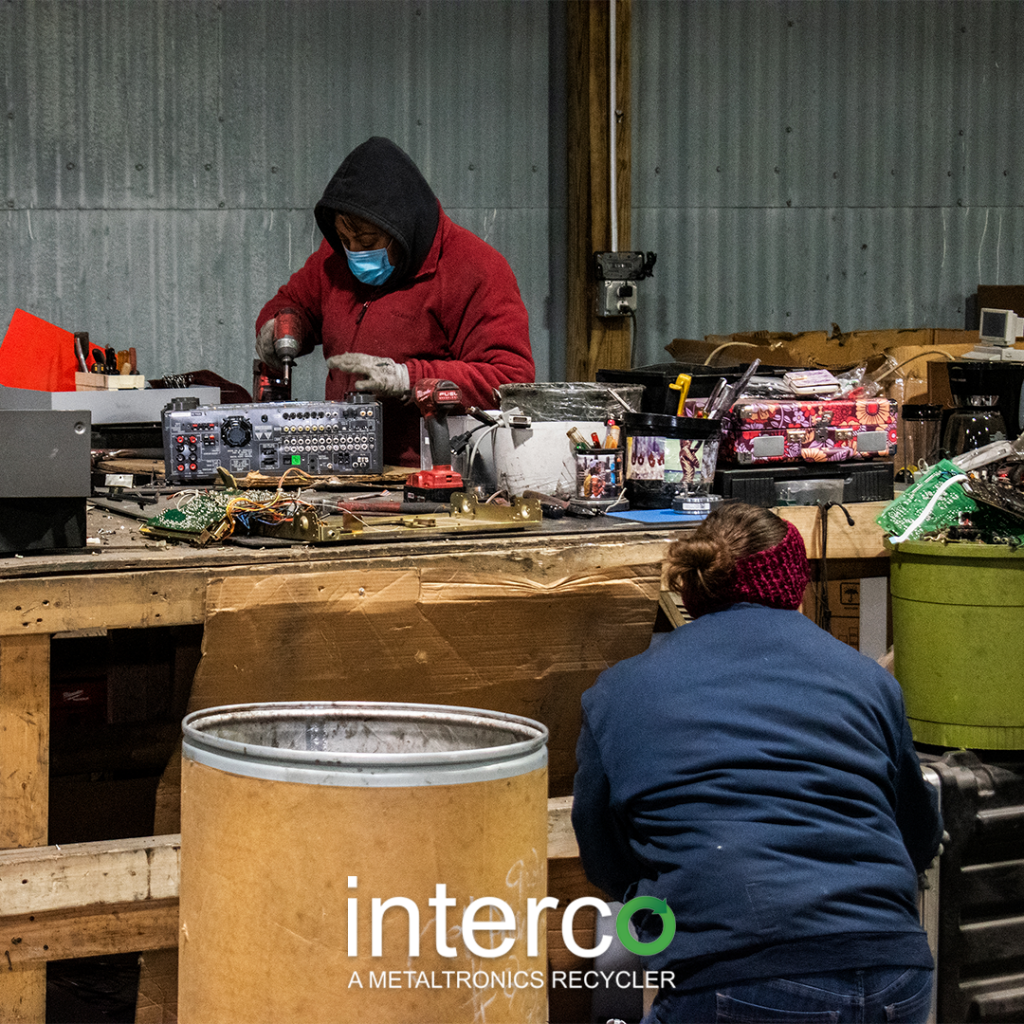
Processing is executed through controlled dismantling, separation, and preparation rather than indiscriminate shredding. Devices are broken down to isolate circuit boards, wiring, power components, metals, plastics, and batteries. Each category follows a defined workflow aligned with downstream specifications. Different materials move through different processing paths, reflecting the reality that eScrap is not a single material but a portfolio of distinct streams. 
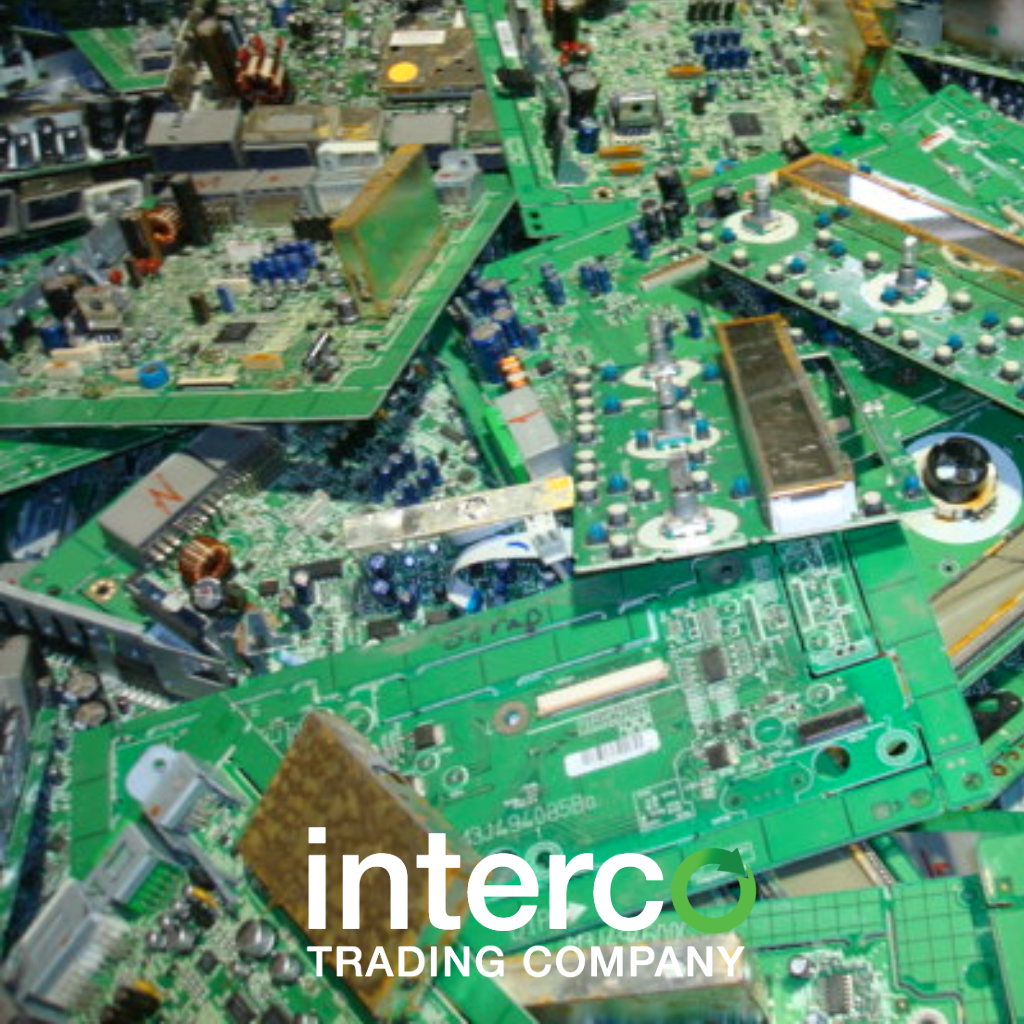
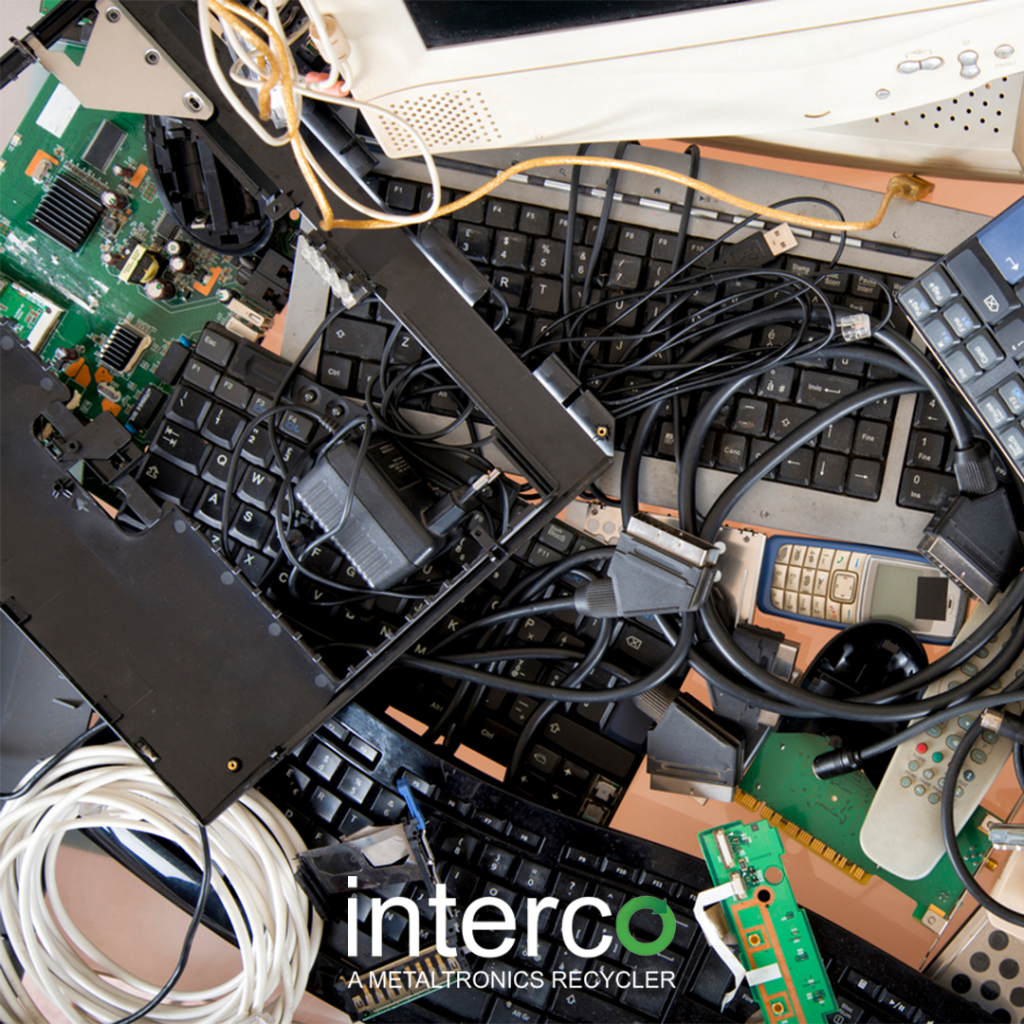
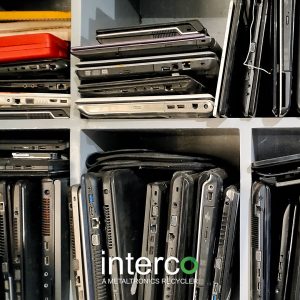
eScrap Laptops Mixed Keyboards

Processing and Compliance Controls Applied to Electronics Scrap

  • Immediate intake evaluation to identify composition, data risk, battery content, and regulatory considerations.
  • Controlled dismantling designed to preserve recoverable value rather than destroy material through shredding.
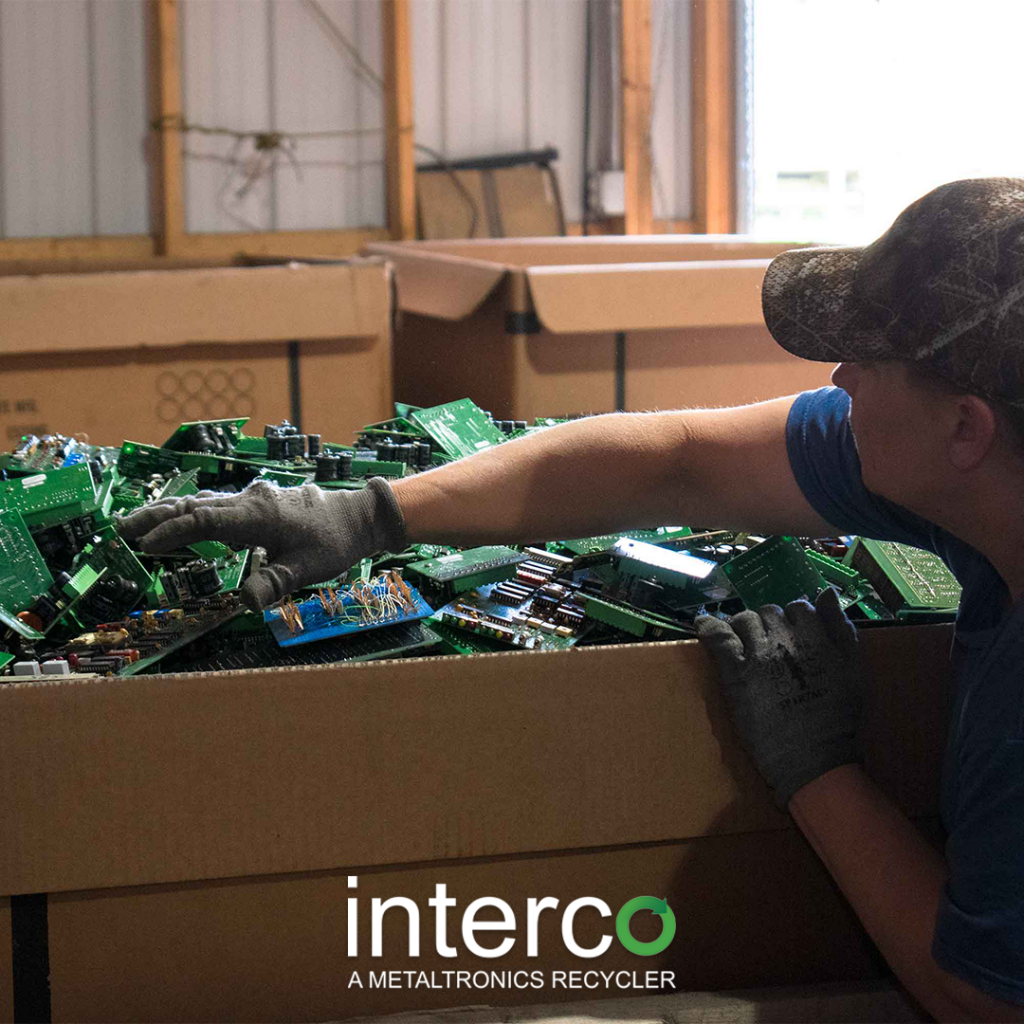
  • Segregation of circuit boards, wiring, power components, metals, plastics, and batteries into defined workflows.
  • Strict handling protocols for data-bearing material aligned with R2v3 requirements and internal governance standards.
  • Exclusive use of accredited downstream partners for electronics scrap and data-bearing material placement. 
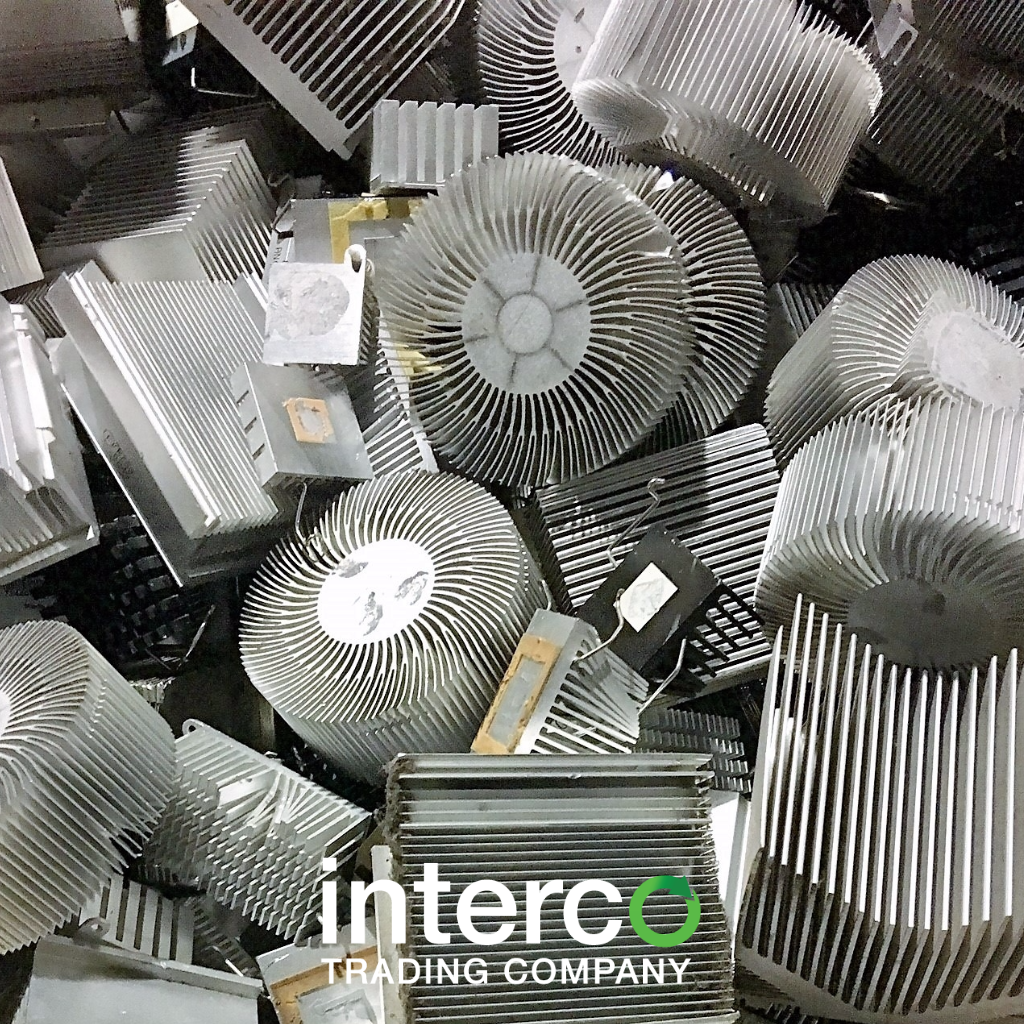
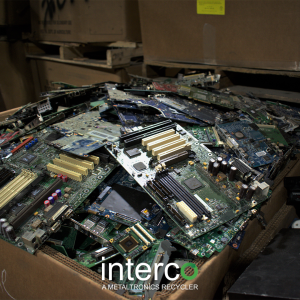
Aluminum heat sinks

Data-bearing material is handled under strict controls. Identification and segregation occur before material recovery begins. The approach at Interco aligns with R2v3 requirements and internal governance standards, ensuring that sensitive material is managed correctly from receipt through downstream placement. Maintaining certification requires discipline at every stage, and Interco meets those requirements continuously.  

Downstream placement follows the same standard. Electronics scrap and data-bearing material are sold only to accredited R2v3 downstream partners. R2v3 certification for downstream processors handling data-bearing material is required to maintain compliance, and Interco ensures this requirement is met at all times. This protects suppliers, scrap dealers, and end clients from regulatory, contractual, and reputational risk. 

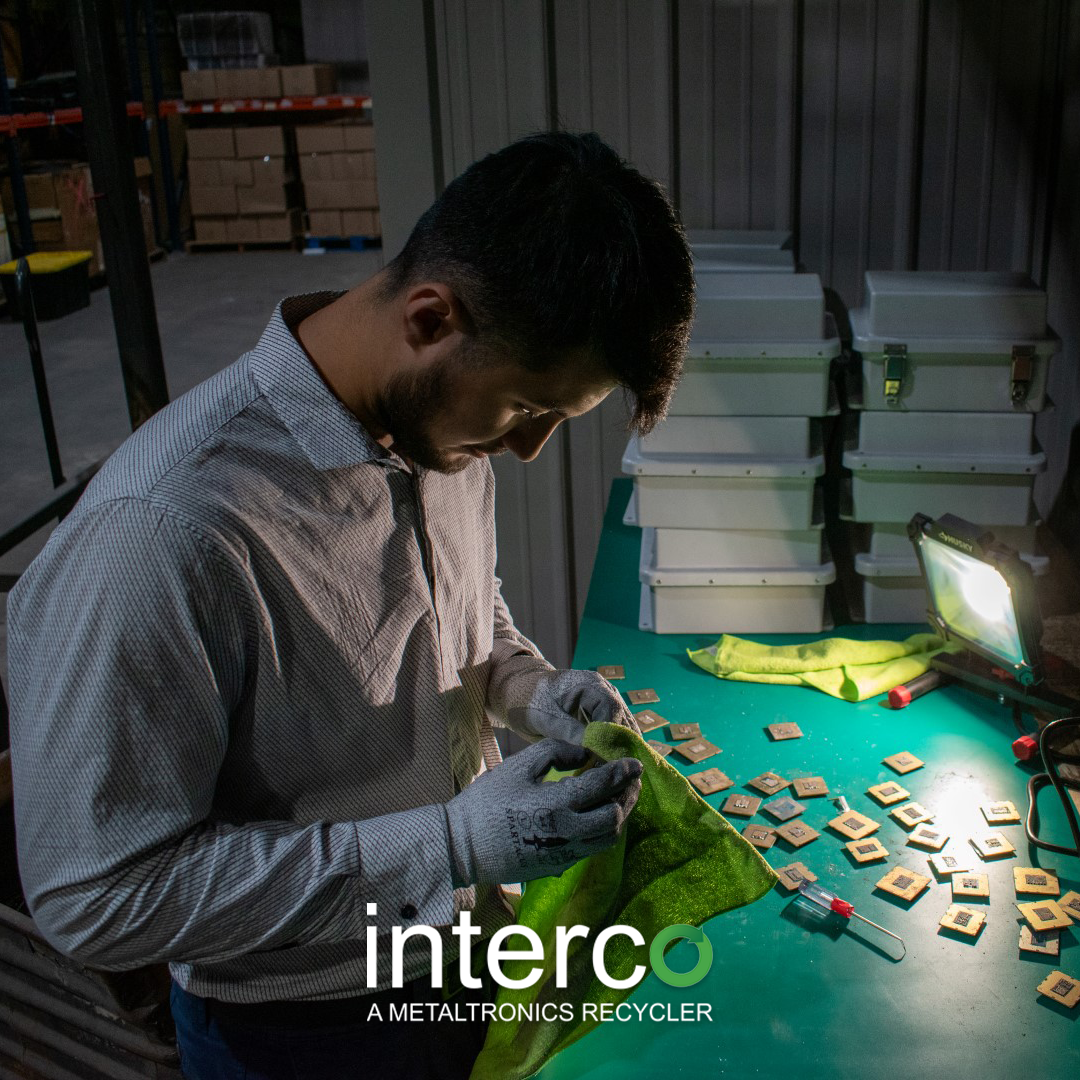
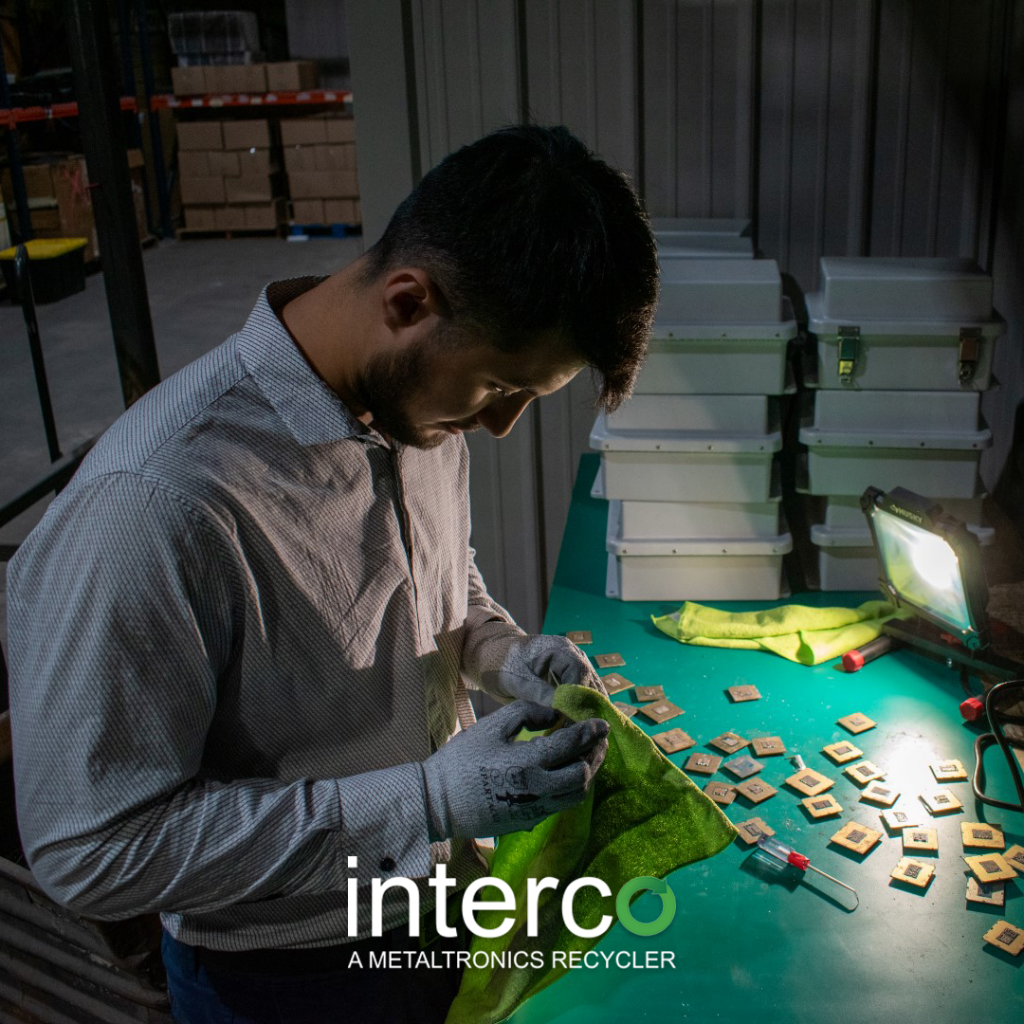
Precious metals recovery remains an important component of electronics processing. Circuit boards and electronic components contain meaningful concentrations of gold, silver, palladium, and other precious elements. Recovering that value depends on proper segregation and placement with qualified refining partners. Interco works only with established downstream consumers that meet technical, environmental, and certification standards, ensuring consistency and accountability. 

Battery-bearing electronics introduce additional complexity. Lithium-ion and other chemistries present safety and environmental risks if mishandled, particularly in mixed loads. Interco applies controlled segregation and preparation protocols designed for each battery type. This allows valuable base and critical metals to be recovered while minimizing fire, contamination, and compliance risk.

Integrated Logistics, Technology, and Long-Term Execution

Supporting the operation is the Interco logistics department, which functions as an execution arm of the processing workflow rather than a standalone service. Inbound purchases and outbound placements are coordinated to align with processing schedules and downstream requirements. This integration ensures predictable material flow even as volumes fluctuate and load composition varies. 

The proprietary ERP platform serves as the system of record across the entire lifecycle of each shipment. Inbound weights, material classifications, processing stages, compliance checkpoints, and financial settlements are captured in real time. This visibility is essential when purchasing and processing tens of thousands of tons annually across hundreds of material types. Suppliers and scrap dealers receive accurate documentation and settlements, while enterprise clients gain transparency that supports audits and compliance oversight. 
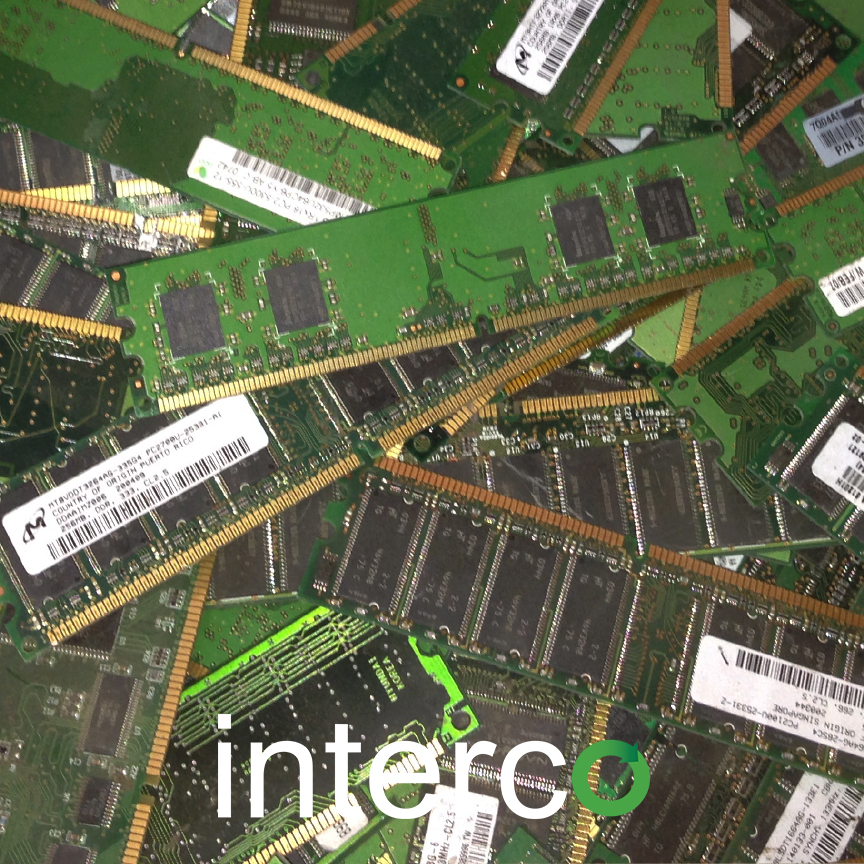
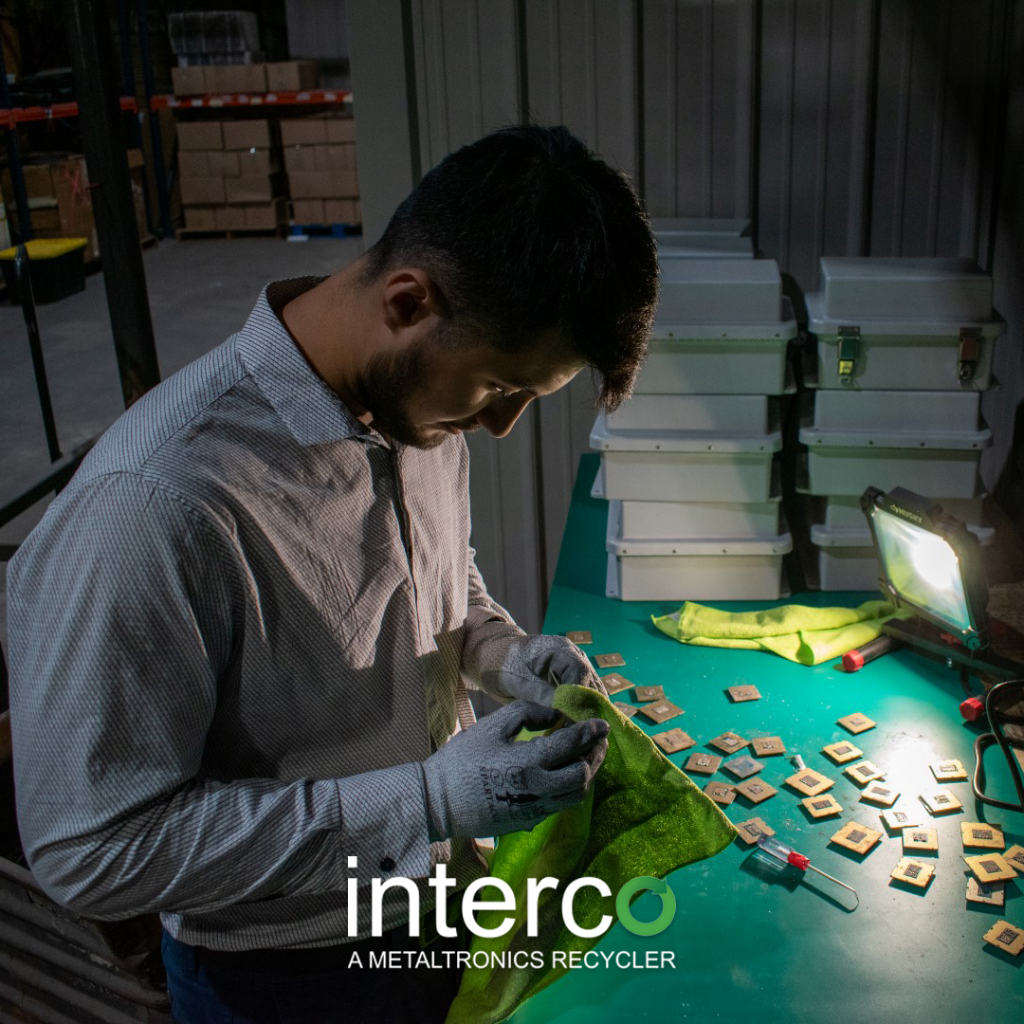
Computer RAM modules

Operational Systems That Support Scale and Accountability

  1. Integrated logistics coordination aligned with processing schedules and downstream requirements.
  2.  Real-time ERP tracking of material classifications, weights, processing stages, and compliance checkpoints. 
  3.  Financial settlement systems designed to handle hundreds of distinct material categories accurately.
  4.  Documentation and reporting capabilities that support audits, certifications, and enterprise oversight. 
  5.  Infrastructure designed to absorb volume fluctuations without disrupting processing discipline.
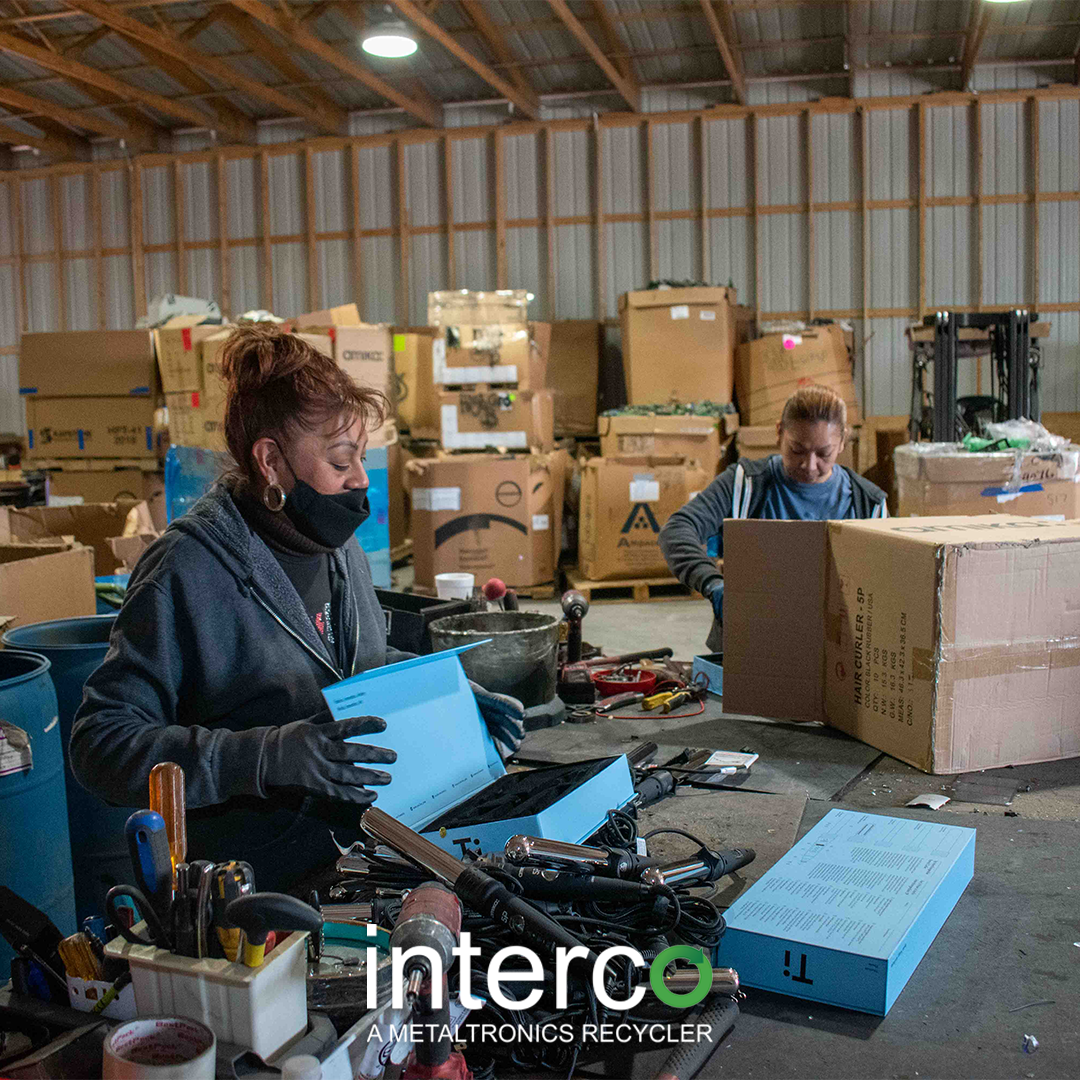
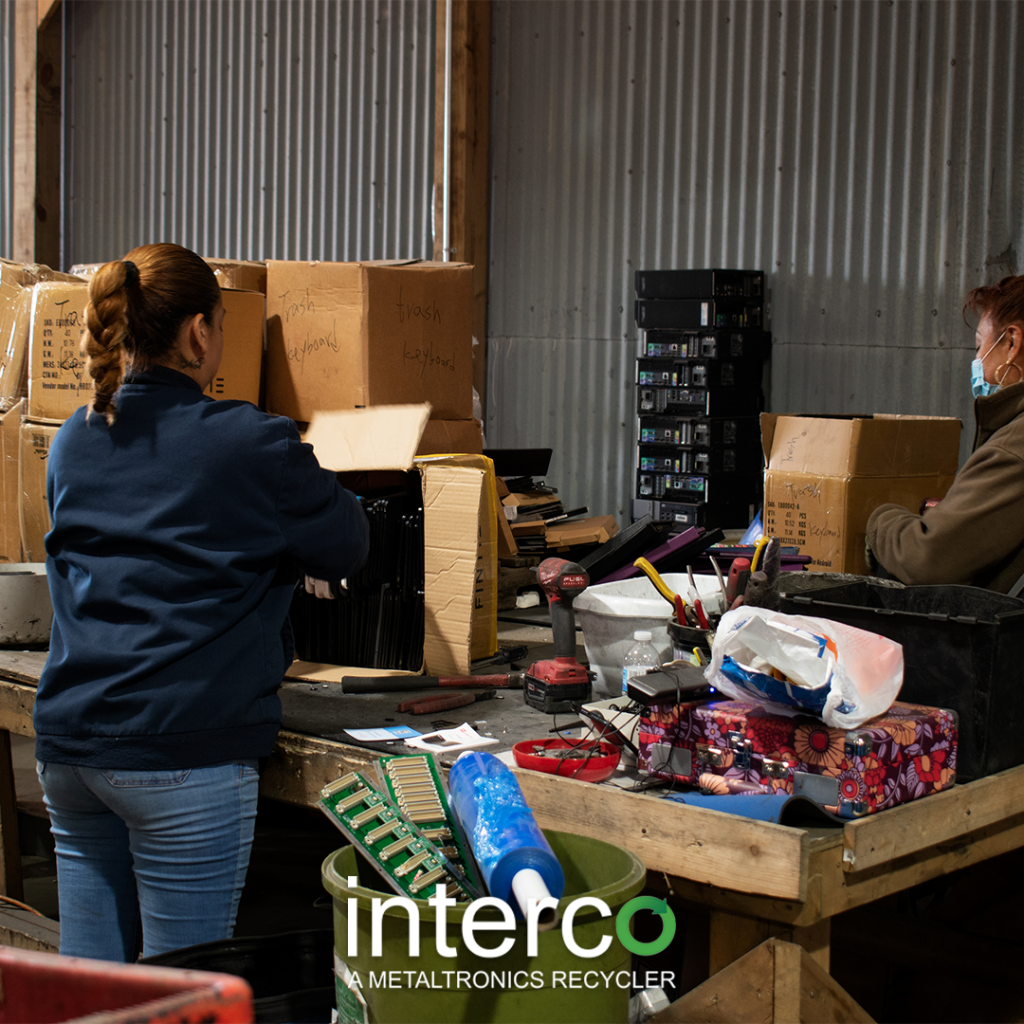
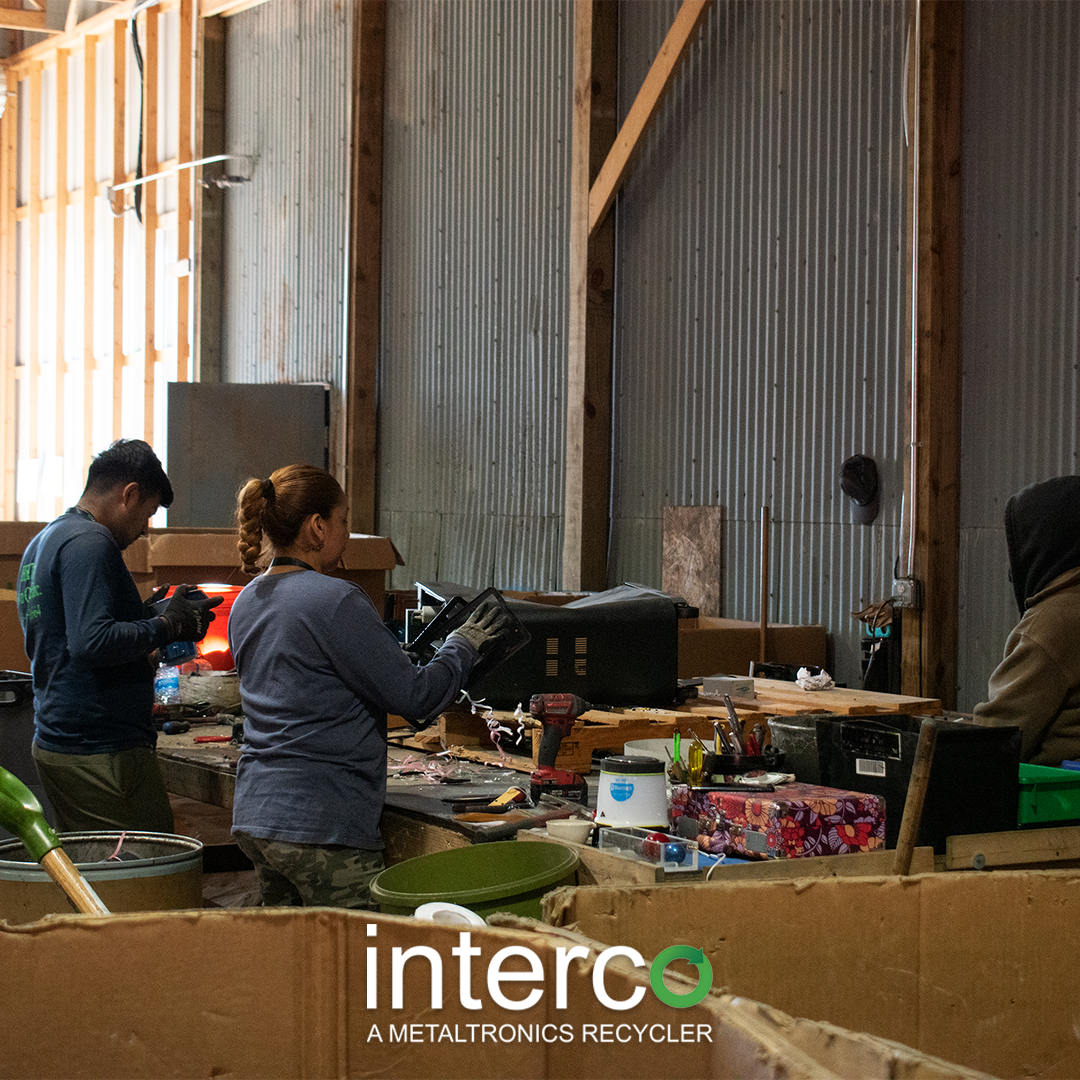
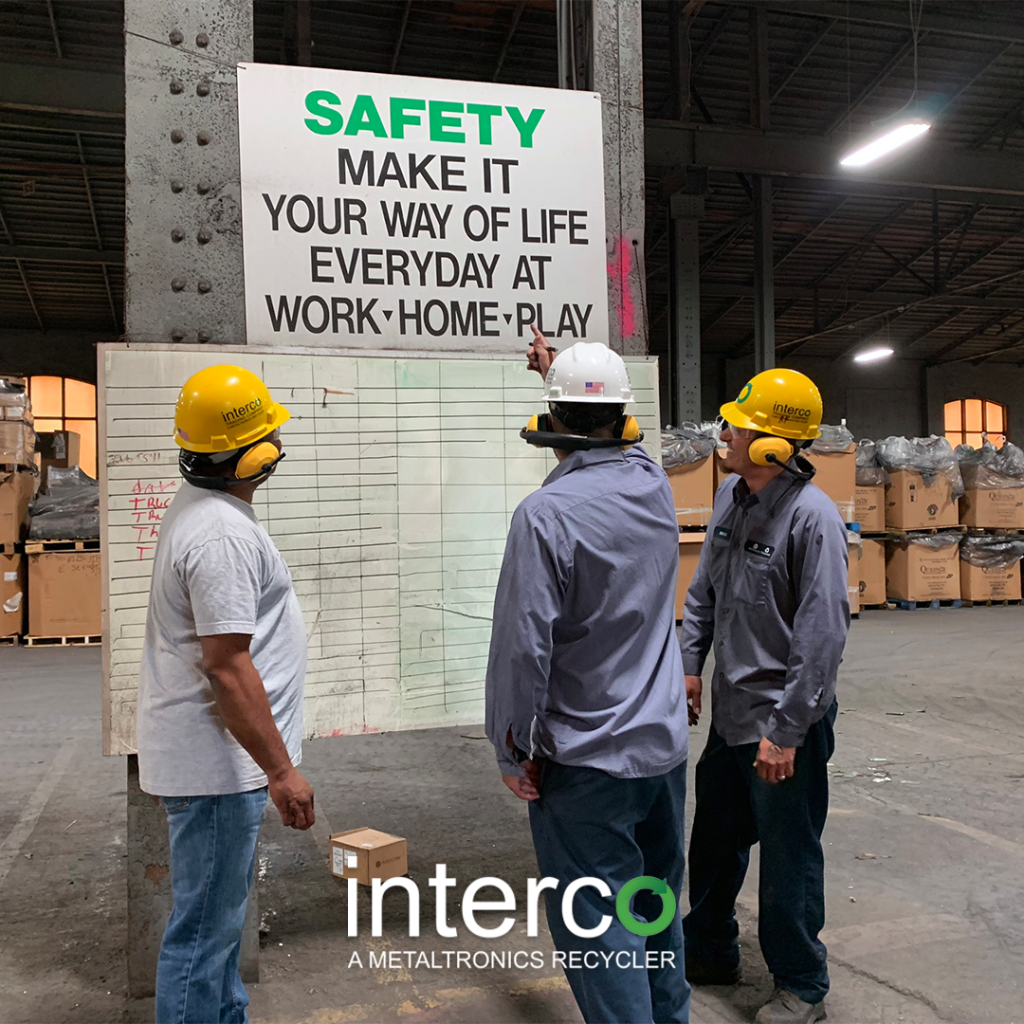
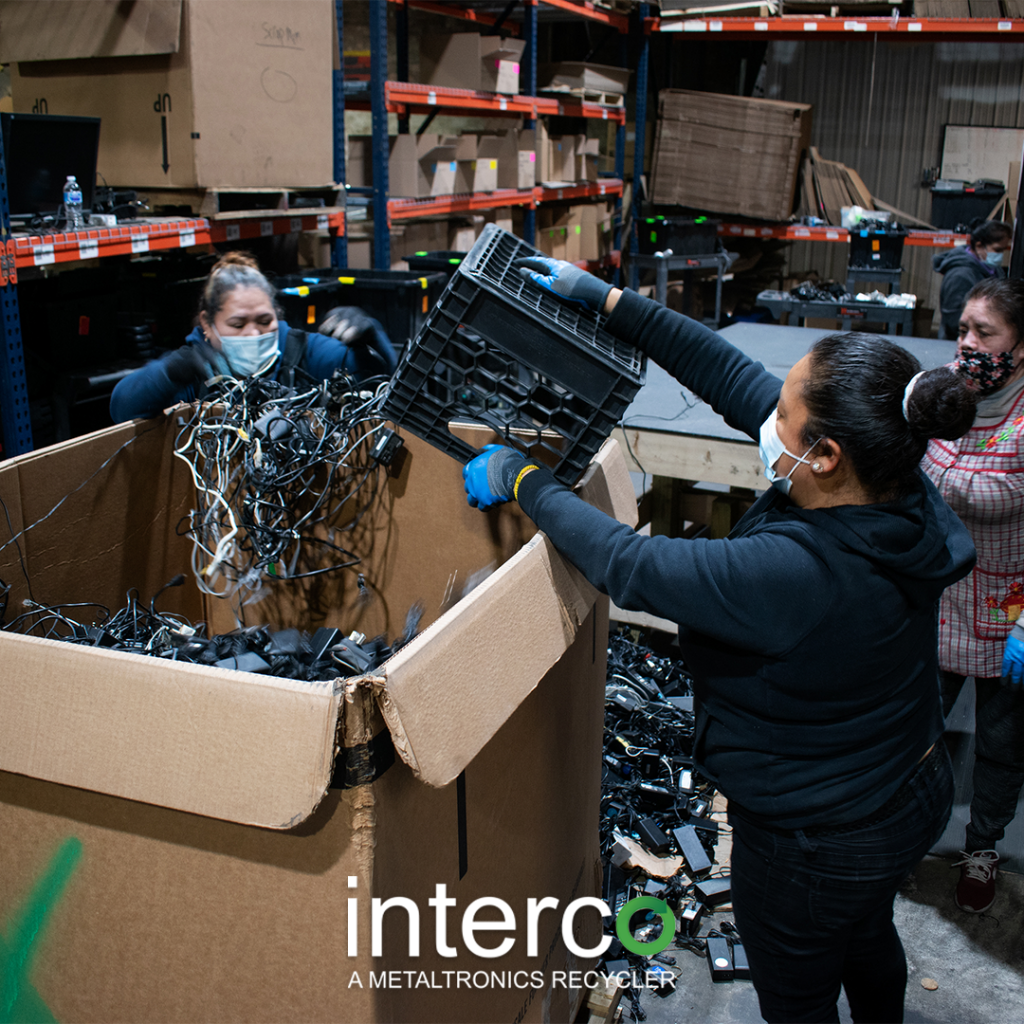
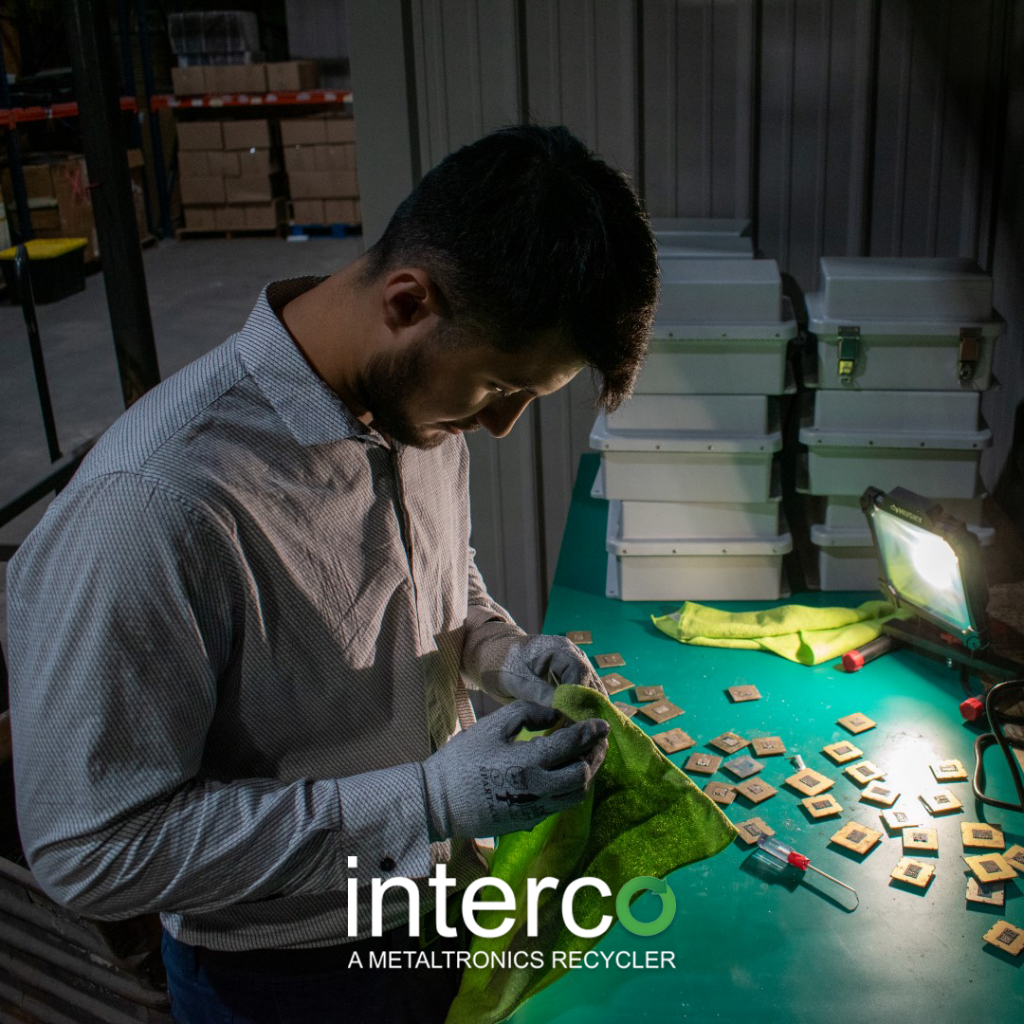
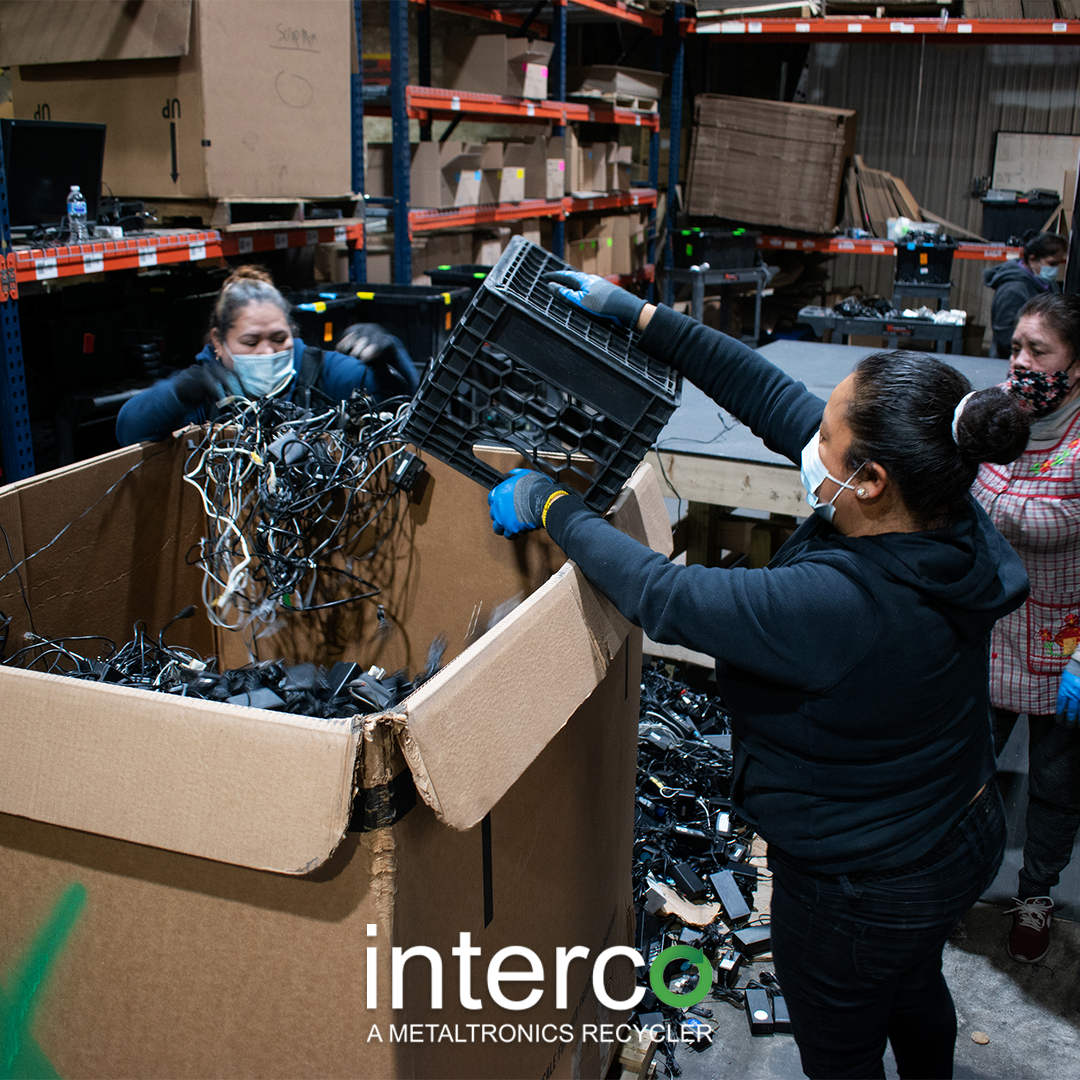
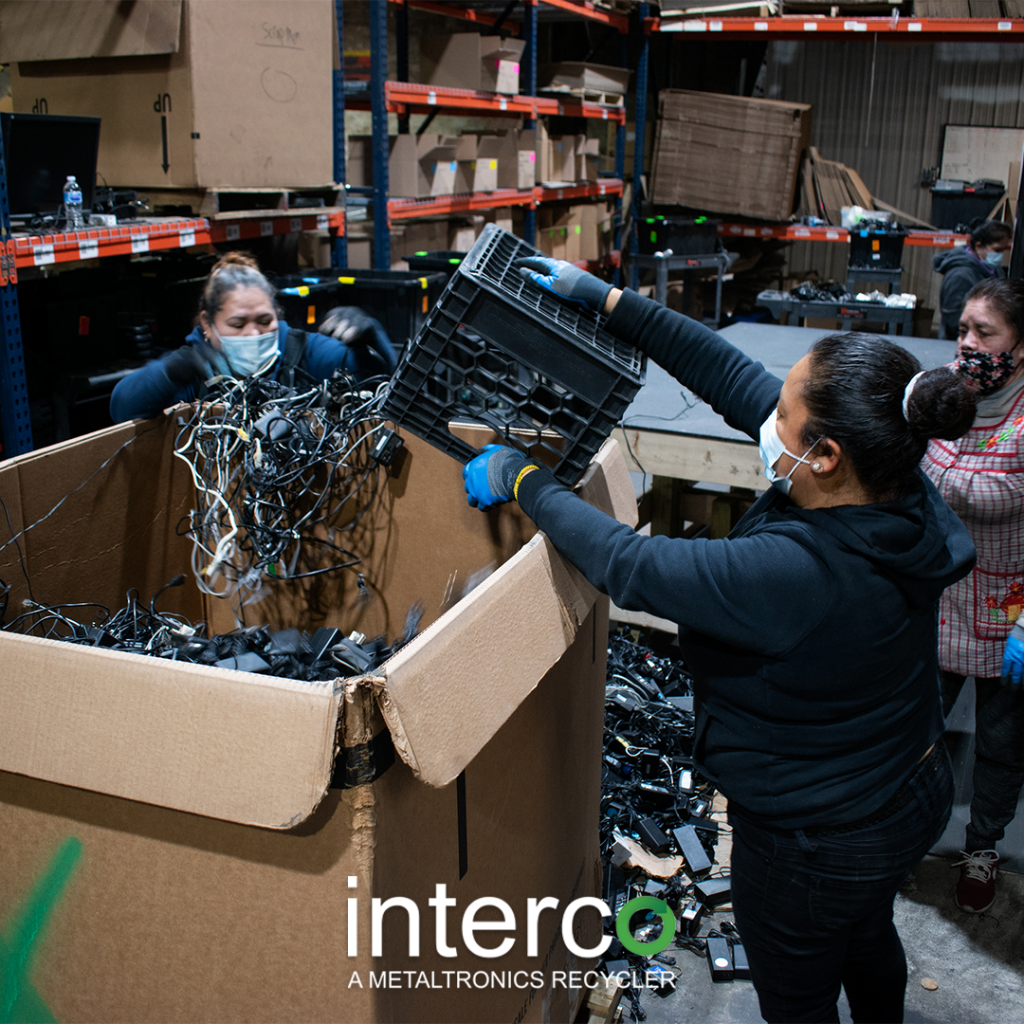
Individuals working in a warehouse environment

Interco ability to manage complexity at scale is a direct result of how the business was built. Starting as an electronics scrap trading company required a deep understanding of material value and downstream placement. Bringing processing in-house required operational discipline and technical rigor. Expanding into nonferrous metals and batteries leveraged that foundation rather than replacing it.  

Electronics recycling at this level demands more than capacity. It requires experience, discipline, and infrastructure designed for variation. Interco has built its electronics recycling platform around those realities, combining scale, controlled processing, certified downstream placement, integrated logistics, and proprietary technology into a single accountable solution.  

For organizations seeking a partner that understands electronics scrap not as an add-on but as a foundational capability, Interco provides a proven and scalable framework. Operating continuously since 1996, the company has evolved while maintaining the principles that defined its start: accuracy, accountability, and disciplined execution. By applying those principles across electronics, nonferrous metals, and batteries, Interco enables suppliers to move complex material streams efficiently while capturing full value across every category. 
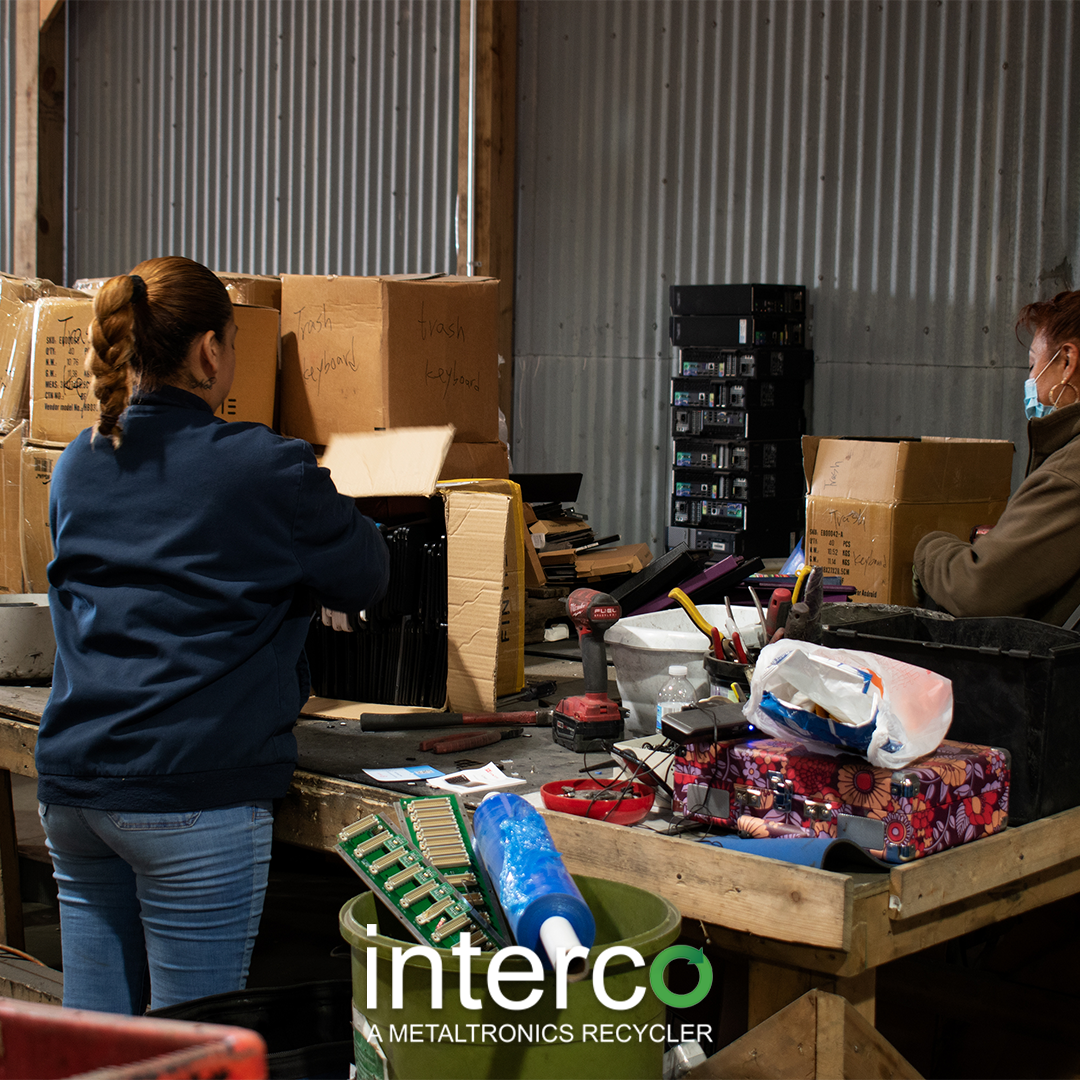
Certified Scrap eScrap Recycler

Certified Scrap eScrap Recycler

Companies that have a large amount of eScrap may be wondering what to do with it. The best option is to work with a certified scrap eScrap recycler to recycle it. As companies produce new technology, companies are replacing their old appliances. Therefore, this leads to an increase in scrap buildup. Recyclers buy scrap eScrap to recycle and make into new items.

So, companies may be wondering, where do I find a certified scrap eScrap recycler? A good place to start your research is the ISRI website. The Institute of Scrap Recycling, Inc. is the voice of the recycling industry promoting safe, economically sustainable, and environmentally responsible recycling. They do this through networking, advocacy, and education. They offer a searchable directory to help companies and the public find recycling information.

Why Should I Use a Certified Scrap eScrap Recycler?

Why Should I Use a Certified Scrap eScrap Recycler?

Companies that are looking to recycle should work with a certified scrap eScrap recycler. This will help guarantee proper recycling practices and the best management practices are in place. eScrap contains toxic materials including mercury, lead, arsenic, and cadmium. In fact, cadmium has been known to cause cancer. So, it is important that these materials are recycled properly.

Companies that choose to recycle are doing their part to reduce waste, landfills, overall pollution, and the use of raw materials. It is estimated that over 55 million tons of electronic waste will be thrown away in 2020. That is a lot of landfill space that could decrease if companies sell to companies that buy scrap eScrap.

Buy Scrap eScrap

Companies that buy scrap eScrap are helping to reduce overall pollution by recycling these toxic materials. E-Waste accounts for around 70 percent of toxic waste. If these toxic materials were to end up in a landfill, they could potentially cause more problems. eScrap contain toxic materials, but it also contains highly valuable materials.

Selling your eScrap to a certified scrap eScrap recycler is the best option to getting rid of eScrap. Moreover, this could potentially help make your company some extra cash. Interco is one of the companies that buy scrap eScrap. In fact, the company recycles eScrap from all over North America.

What Factors Affect the Selling Value of eScrap?

What Factors Affect the Selling Value of eScrap?

Companies that have a large amount of eScrap and are looking to sell scrap eScrap, may be wondering what factors affect the selling value. Therefore, there are six main factors affecting the selling value of eScrap.

  • The Quantity of Scrap. The amount of scrap affects its value. The larger the quantity of scrap metal, the more leverage you have when buying or selling it.
  • The Quality of Scrap. The better quality of eScrap will have a higher price.
  • Industry Demand. Different industries affect the value of scrap metal. For example, if construction is slow, then the demand for the metal will go down.
  • Your location also affects the selling value of your scrap. If the scrap has to travel a long distance expect a lower price for your scrap.
  • Right Timing. The time year also has a direct influence on the value of your scrap.
  • International Trading.
About Interco
About Interco

About Interco

Interco is a global recycling company providing metals, computers and electronics recycling services to industrial, dealer, and government organizations throughout the western hemisphere. The facility has a 145,000 sqft. processing plant committed to the processing of computers, electronics, and batteries with the remainder of the indoor facility used for the processing of nonferrous industrial metals.

The facility has five buildings — approximately 400,000 square feet total — on more than 35 acres. The company facility has more than 20 inbound and outbound docks for receiving and shipping nonferrous scrap material as well as a railroad rail spur to load rail cars.

The company is within proximity to four major interstates (I-44, I-55, I-64, and I-70) while centrally located just across the Mississippi River from St. Louis, Missouri in Madison, Illinois. The company offers a convenient delivery location as the facility is near four major interstates (I-44, I-55, I-64, and I-70) that intersect all of the Midwest and Central USA.

Established in 1996, the company has grown to prominence as one of the most reputable recyclers of nonferrous scrap in the United States. The company is experiencing significant market position growth due to a number of factors that suggest steady acceleration for years to come.

Interco is a Certified Scrap eScrap Recycler

Overall, companies are experiencing eScrap build up. Companies will need to make a decision on how to handle the influx of materials. In fact, the best option is working with a certified scrap eScrap recycler, like Interco, to recycle it. To learn more about Interco, click here.

3 Steps to Picking an eWaste Recycler that is Right for Your Business

3 Steps to Picking an eWaste Recycler that is Right for Your Business

eWaste continues to grow exponentially worldwide. When the waste starts to pile up, businesses often start the process of picking an eWaste recycler. Computers and electronics occupy the bulk of this category as Americans dump phones containing over $60 million in gold/silver every year.

As a generator of waste, your business may have materials that can be transported for recycling. The potential recycling value of eWaste has the capability to earn your business money and build your reputation as a green business.

Consequently, sending your recyclable materials offsite can also create big liabilities if your recycler is irresponsible. Choosing a responsible recycler is a prominent step in keeping your waste from being released into the environment and polluting the land, water, and air. Following a few easy steps can protect the environment and your businesses from the consequences of mismanagement.

Step 1: Understand your businesses' recycling needs
Understand your businesses’ recycling needs

Step 1: Understand your businesses’ recycling needs

Before reaching out to potential recyclers, it is important to have a good understanding of your waste and recycling needs. Recyclers will ask about your requirements. It is best to prepare and know the types, amounts, and sources of your hazardous or non-hazardous waste. Make a complete list of the waste you generate including the volume your business produces each week, month, and a quarter. If your company deals with electronic waste or sensitive data, ensure the recycling partner your business is considering offers the service. Recyclers have different expertise with all materials, so understanding what your business produces will help guide your search for the optimal partner.

Step 2: Research their certifications and compliance records
Research their certifications and compliance records

Step 2: Research their certifications and compliance records

Review their records to make sure they commit to their clients and the environment. Not all companies that recycle eScrap are a reputable ISRI eScrap recycler, so your business needs to make sure the recycler is using the best recycling practices out there. In fact, Interco offers services that represent the values and practices presented by ISRI since its founding in 1996. Furthermore, when picking an eWaste recycler, it is important to make sure they can provide their federal, state, local, and occupational safety compliance records. There are a few environmental, quality, safety, and security measures built into these certifications to hold recyclers accountable for how they handle their clients’ assets. Interco became only the second electronics refurbishing and recycling company in the world to achieve the coveted Responsible Recycling R2v3 Standard Certification. It is managed by Sustainable Electronics Recycling International (SERI).

Step 3: Ask whether your potential recycling partner can act as a responsible transporter
Ask whether your potential recycling partner can act as a responsible transporter

Step 3: Ask whether your potential recycling partner can act as a responsible transporter

Your recycling choice should work as a responsible transporter, which means your business needs to evaluate those services too. Thus, this can include checking into their insurance, permits, certifications and compliance records, services, asking about their drivers, and more. Furthermore, transporting waste costs money – and the farther a transporter travels, the more it will cost your company and more emissions release. Interco will work with your organization to fulfill any of your recycling needs. The company offers delivery, pickup, full truckload, and LTL services.

Picking an eWaste Recycler

Many recyclers may be able to meet your company’s basic recycling needs. Although, there may only be a few who are the right fit and can help turn your waste into profit. Once you have followed the steps, look at their customer service record, how long they have been in the business, and ask for referrals from their other clients.

Founded in 1996, Interco continues to comply with the proper certifications and regulations in the industry.

Remember that your business as the generator is responsible for any waste you generate throughout its entire lifecycle, which includes picking an eWaste recycler. Knowing your needs is an important first step in choosing a recycling partner.

Interco, as an ISO 9001 Quality Management System certified company, continues an international-accepted uniform quality system. Additionally, the company supplies the highest levels of customer service and manages its material in the highest regard. All material enters a recycling process that follows ISO 14001 Environmental Management and ISO 45001 Occupational Health and Safety best practices. As a result, Interco confirms the exact weights and records upon receipt, and we issue a written certificate of recycling.

Join the Others Who Choose Interco For Their eWaste Recycling

When possible, look for a partner who can help you create a profit instead of more costs. Recycling enables the recovery of valuable metals and reduces the harmful effects on the environment that improper disposal causes. Additionally, the team at Interco accepts, processes, trades, and recycles an array of electronic waste products and nonferrous metals. Thus, the team at Interco continues to lead the way in terms of innovative industrial recycling solutions. Consequently, to learn more about how to recycle electronic waste, click here.

Join the Others Who Choose Interco For Their eWaste Recycling

What is IT Asset Remarketing Services, and How Can Your Company Benefit?

What is IT Asset Remarketing Services, and How Can Your Company Benefit?

Whether a company has had their IT equipment for a few years, and it is getting to a point for a refresh. Or, maybe after replacing the equipment, the obsolete technology is taking up space. Tossing or recycling still viable technology can leave significant value on the table. IT asset remarketing services can help an organization reap leftover value out of retired equipment.

IT asset disposition – sometimes referred to IT asset remarketing services – is essentially the disposal or recycling of IT equipment. As a result, IT asset remarketing services allow organizations to salvage the value of their used and/or excess hardware and secure important data while keeping up with the changing pressures of IT innovation.

Electronic waste recycling does not involve tossing old electronic equipment into the nearest dumpster. In fact, recycling centers generate new life for disconnected products by recovering raw materials.

Many companies want to sell their used IT equipment but may not know where to start. There can be several hoops to jump through if you are looking to sell IT equipment yourself – how do you get a fair price and make sure your data remains secure?

Interco de-manufactures and separates electronic equipment into commodity-level materials prior to recycling to get the highest rate of investment.

What is ITAD?
What is ITAD?

What is ITAD?

ITAD stands for Information Technology Asset Disposition. The objective of ITAD is to recycle or refurbish retired technology in a secure way, protecting company data in the process.

How ITAD Works

When working with IT asset remarketing services or a recycler, generally, a company or business spokesperson will work with a team member of the provider who will evaluate your assets and offer you a price for them based on the following: age and condition of the equipment, make, model, configuration, memory, and current market value. A scrap price may be offered or there may be a need to pay to recycle them.

What Kind of IT Assets Can You Sell?

Interco buys computer equipment and peripherals in bulk worldwide. The team at Interco buys used laptops, CPU processors, DDR2 & DDR3 RAM, desktops, LCD monitors (larger than 17″), AC adapters for laptops, and other electronics.

Furthermore, the Interco team buys components, whole units, peripherals, batteries and boards, and precious metal anywhere in North America for recycling.

How Do You Know How Much They Are Worth?

How Do You Know How Much They Are Worth?

Beyond taking into consideration the type of asset, make, model and market value, the condition of the equipment is critical – the better condition, the greater the value. The right IT asset remarketing services will work as a partner in identifying high-value items and increasing the return on investment (ROI).

Why Recycle Electronic Waste?

The process of recycling computers consists of collecting and sorting the laptops and computers, breaking the laptops and computers down with a hammer, and then separating the individual components.

Recycling continues as these individual components go to different recycling points for further processing then finally, packing non-recyclable materials to properly dispose of them in an efficient manner.

Through the recycling process, the chain of events compensates organizations and positively impacts the environment. As organizations continue to recycle their eWaste, there is less waste in landfills. The recycling process extends its benefit by:

  • Reusing valuable materials
  • Reducing space in landfills
  • Reducing pollution
  • Protecting natural resources

Sending waste to landfills is both costly and harmful to the environment. Businesses are pursuing ways to reduce and minimize the amount of landfill waste while earning funds.

What to Look for in IT Asset Remarketing Services

What to Look for in IT Asset Remarketing Services

Not all companies offering IT asset remarketing services operate in the same way, so it is worthwhile to research their practices to ensure a competitive price and, more importantly, that your data will remain secure.

Consider these questions when your company is looking for ITAD services:

  1. Is the provider R2 certified?
  2. Does the company dispose of your equipment in an environmentally responsible manner?
  3. How is data destroyed?

Technology affects every aspect of business and to keep it running smoothly, updating electronics may be necessary. There are many motivations why an organization might need to sell surplus IT equipment without wasting the money previously invested.

Interco Offers IT Asset Remarketing Services

Overall, recycling computers and eScrap is vital to keeping as much of these materials out of landfills as possible. Recycling centers like Interco process these items which can be very lucrative. Interco purchases components, whole units, peripherals, batteries and boards, and precious metal anywhere in North America for recycling. Interco continues to lead the way in terms of innovative industrial recycling solutions. Click here to learn about selling electronic equipment.

Earn Money with IT Asset Disposition Services

Earn Money with IT Asset Disposition Services

Businesses and companies depend on electronic gadgets to remain competitive in their industry. New electronic devices require a lot of energy and resources to create, yet rapid advances suggest that companies replace their devices before they reach end-of-use. It is important to consider IT asset disposition services at this time.

Earn Money with IT Asset Disposition Services

Rapid changes and improvements in electronic gadgets mean older ones are discarded and become eWaste. As reported by the U.N., up to 90 percent of the world’s electronic or eWaste, worth nearly US$19 billion, is illegally traded or dumped each year.

Selling unused or decommissioned electronics allows for companies to add extra funds to their technology budget while conserving resources and building a greener reputation.

IT asset disposition services, commonly known as IT asset disposition (ITAD), is the business built around disposing of obsolete equipment in a safe and ecologically responsible manner. Typically, ITAD vendors specialize in the process of streamlining the disposition of IT assets, while minimizing costs and maximizing recouping of losses.

Interco de-manufactures and separates electronic equipment into commodity-level materials prior to recycling to get the highest rate of investment.

Some people mistakenly assume that a device that no longer functions as intended is worthless. However, it does have some financial value that you can reap. For example, once an electronics device disconnects from its workspace, specific components may be recycled.

How Your Business Can Earn from Recycling

Unused equipment does not have to gather dust but can provide an additional source of revenue.

How Your Business Can Earn from Recycling

Technology affects every aspect of business and to remain competitive, updating electronics may be crucial. There are many reasons why an organization might need to sell surplus IT equipment without wasting the money previously spent.

If a company needs to update its entire office, its old equipment may be pushed aside. Beyond wasting valuable office or warehouse space, some people mistakenly assume that a device that no longer functions as intended is worthless and toss the material in the trash.

Used technology is almost always valuable to somebody’s network. Many businesses find that they can sell their used IT equipment to IT asset disposition services and earn from scrap electronics.

In fact, the global E-waste Recycling market was valued at $1.190 million in 2017 and will reach $1.920 million by the end of 2025.

Selling used technology equipment to IT asset disposition services generates new life for disconnected products by recovering raw materials. Additionally, selling laptops and another scrap electronic equipment is an eco-friendly option that allows companies to acquire a greener reputation.

Recycling electronic waste not only can earn your company money but offers other benefits, such as:

  1. Data security
  2. Free up valuable space and time
  3. Save the environment

Interco de-manufactures and separates electronic equipment into commodity-level materials prior to recycling to get the highest rate of investment.

How Electronic Waste Recycling Works

The process of recycling computers consists of collecting and sorting the laptops and computers, breaking the laptops and computers down with a hammer, and then separating the individual components.

Recycling continues as these individual components go to different recycling points for further processing then finally, packing non-recyclable materials to properly dispose of them in an efficient manner.

Through the recycling process, the chain of events compensates organizations and positively impacts the environment. As organizations continue to recycle their eWaste, there is less waste in landfills. The recycling process extends its benefit by:

How Electronic Waste Recycling Works
  • Reusing valuable materials
  • Reducing space in landfills
  • Reducing pollution

Sending waste to landfills is both costly and harmful to the environment. Businesses are pursuing ways to reduce and minimize the amount of landfill waste while earning funds.

Interco purchases computer equipment and peripherals in bulk worldwide. The team at Interco buys used laptops, CPU processors, DDR2 & DDR3 RAM, desktops, LCD monitors (larger than 17″), AC adapters for laptops, and other electronics.

Furthermore, the Interco team buys components, whole units, peripherals, batteries and boards, and precious metal anywhere in North America for recycling.

Interco Helps Companies Earn Money with IT Asset Disposition Services

IT asset disposition services are vital to keeping as much of these materials out of landfills as possible. Recycling centers like Interco process these items which can be very lucrative. Interco purchases components, whole units, peripherals, batteries and boards, and precious metal anywhere in North America for recycling. Interco continues to lead the way in terms of innovative industrial recycling solutions. Click here to learn about selling electronic equipment.

How Businesses Benefit from IT Asset Disposal Services

How Businesses Benefit from IT Asset Disposal Services

How Businesses Benefit from IT Asset Disposal Services

It can be easy for companies to treat aged technology like any other kind of trash. IT asset disposition services serve as a lucrative, eco-friendly alternative. In fact, experts estimate that the market for refurbished consumer electronics in 2018 was at $10 billion.

Computers and laptops hold the majority of the estimated market share.

IT asset disposal services and electronic waste recycling do not involve dumping old electronic equipment into the nearest dumpster. Successively, ITAD service companies and recycling centers generate new life for disconnected products by recovering raw materials.

Interco de-manufactures and separates electronic equipment into commodity-level materials prior to recycling to get the highest rate of investment.

Some people mistakenly assume that a device that no longer functions as intended is worthless. However, it does have some financial value that you can reap. For example, once an electronics device has been disconnected from its workspace, specific components may be recycled.

Used technology is almost always valuable to somebody’s network. Many businesses want to sell their used IT equipment but may not know where to start.

Here are a few reasons why selling IT equipment is the best option for a business

A few reasons why selling IT equipment is the best option for a business

Save the Environment: Tossing IT equipment into a landfill is an immense danger to the environment as it holds non-biodegradable metals and substances. The best way to reduce this massive impact is by selling used IT equipment as most of the used electronic equipment does have a longer life which can be utilized.

Additional Money for a Business: Selling unused or decommissioned electronics allows for companies to add extra funds to their technology budget. Unused equipment does not have to collect dust but can provide an additional source of revenue.

Free Up Valuable Space and Time: If your business or warehouse is downsizing or looking to create more space, decreasing inventory can help to transition to a smaller workspace without paying for additional storage for excess equipment.

Data Security: In 2016, it was discovered that 67% of hard drives sold on craigslist still contain personal data and 11% contain sensitive corporate data. It is important to consider certified and reputable IT asset disposal services. Company data and sensitive materials are always securely destroyed at Interco because your company’s privacy matters.

Sell IT Equipment: Selling used technology equipment to IT asset disposal services generates new life for disconnected products by recovering raw materials. Additionally, selling laptops and other scraps of electronic equipment is an eco-friendly option.

Technology affects every aspect of business and to keep it running smoothly, updating electronics may be necessary. Whether an organization is looking to make some extra cash or needs to update its entire office, there are many reasons why an organization might need to sell surplus IT equipment without wasting the money previously invested.

Recycling Electronic Waste

Recycling Electronic Waste

The process of recycling computers consists of collecting and sorting the laptops and computers, breaking the laptops and computers down with a hammer, and then separating the individual components.

Recycling continues as these individual components go to different recycling points for further processing then finally, packing non-recyclable materials to properly dispose of them in an efficient manner.

Through the recycling process, the chain of events compensates organizations and positively impacts the environment. As organizations continue to recycle their eWaste, there is less waste in landfills. The recycling process extends its benefit by:

  • Reusing valuable materials
  • Reducing space in landfills
  • Reducing pollution
  • Protecting natural resources

Sending waste to landfills is both costly and harmful to the environment. Businesses look to reduce and minimize the amount of landfill waste while earning funds and building a greener reputation.

Interco buys computer equipment and peripherals in bulk worldwide. The team at Interco buys used laptops, CPU processors, DDR2 & DDR3 RAM, desktops, LCD monitors (larger than 17″), AC adapters for laptops, and other electronics.

Furthermore, the Interco team buys components, whole units, peripherals, batteries and boards, and precious metal anywhere in North America for recycling.

Businesses Who Work With Interco Benefit from IT Asset Disposal Services

Recycling computers and eScrap is vital to keeping as much of these materials out of landfills as possible. Recycling centers like Interco process these items which can be very lucrative. Interco purchases components, whole units, peripherals, batteries and boards, and precious metal anywhere in North America for recycling. Interco continues to lead the way in terms of innovative industrial recycling solutions. Click here to learn about selling electronic equipment.

Certified R2v3 eScrap Recycler

eScrap is a Huge Problem. Here’s What You Can Do

In today’s age, technology is constantly evolving with new product announcements. A more digital and connected world accelerates the production of scrap eScrap.

Electronic waste also referred to as eScrap or eWaste, frequently contains hazardous materials, primarily lead and mercury. In addition, scrap eScrap is any unwanted electronic device. Which about 20 to 50 million metric tons reach disposal worldwide every year.

Globally, a cell phone is sold to around 25% of the population annually, and every year millions of electronic devices such as mobile phones, TVs, computers, laptops, and tablets reach the end of their useful life.

Three Tips for Managing eScrap

Three Tips for Managing eScrap

Scrap computers and electronics have various toxic and hazardous chemicals and materials that release into the environment if not properly disposed of. However, with these tips for managing scrap eScrap there will be environmental benefits.

Benefits may include:

  • Limited landfill waste
  • Conservation of natural resources
  • Saves energy and creates jobs

Additionally, buying unnecessary items remains a large contributor to eWaste pile up. Furthermore, eWaste is the fastest growing municipal waste stream in America, according to the EPA.

With new products and updated technology, consumers and businesses upgrade their devices whether they have reached end-of-life status or not.

What is an R2 eScrap Recycler?

What is an R2v3 eScrap Recycler?

Scrap computers and electronics recycling help cut down on production waste. According to the Electronics TakeBack Coalition, it takes 1.5 tons of water, 530 lbs. of fossil fuels, and 40 pounds of chemicals to manufacture a single computer and monitor.

Interco, a certified R2v3 eScrap recycler, purchases scrap components, whole units, peripherals, batteries, and boards and precious metal anywhere in North America for recycling.

A certified R2v3 eScrap recycler is required to be audited and certified in all R2v3 Core Requirements as well as all applicable R2v3 Process Requirements that fall within the scope of their operations and processing activities.

R2v3 Standard Focus Materials include:

  1. PCBS
  2. Mercury Containing Material
  3. CRTs and CRT Glass
  4. Batteries
  5. Circuit Boards and Circuit Board Containing Material
Give Away or Donate Your eScrap

Give Away or Donate Your eScrap

If waste is piling up in your scrapyard, donate it to someone who can find a use for it. Furthermore, donations serve as tax deductions or sell the eScrap to a certified R2v3 eScrap recycler to earn an equivalent profit.

Technology is becoming more and more integrated into every aspect of our lives. Therefore, elements of recycling technology are important in the eScrap sector of the green world.

In addition, Interco strives to be a leader in the industry and commits to a positive future.

Furthermore, Interco is a global recycling company providing metals, computers, and electronics recycling services. Interco provides these services to industrial, dealer, and government organizations throughout the western hemisphere.

The Interco commercial trading department contracts with supplier and end clients to ensure best pricing, professional service, and steady flow of materials. Interco also offers pick up and delivery services to make recycling eScrap easier.

Recycle eScrap with a Certified Recycler like Interco

Recycling eScrap enables recyclers to recover various valuable metals and reduces the harmful effects on the environment that improper disposal causes. For a certified R2v3 eScrap recycler, recycling these items such as scrap computers and electronics can be very lucrative. Lastly, Interco buys components, whole units, peripherals, batteries and boards, and precious metal anywhere in North America for recycling.

To learn more about the services offered by Interco, click here.

5 Things You Need to Know to Recycle eScrap

5 Things You Need to Know to Recycle eScrap

5 Things You Need to Know to Recycle eScrap

eScrap has become the world’s fastest-growing trash stream. Anyone who has discarded a phone or computer for a newer, sleeker model participated in the production of electronic waste. That is why it is important to recycle eScrap and look for the best prices for scrap eScrap as well.

Scrap electronics pile up with every consumer or business that uses technology. Which causes harm to the environment. However, managing the waste through eScrap recycling can be very profitable for a recycler and their surroundings.

Recycling centers that recycle eScrap offers those with scrap electronics the opportunity to earn cash for their unwanted waste.

In 2016, according to the United Nations University, the yearly accumulation reached 49.3 million tons — enough to fill more than a million 18-wheel trucks stretching from New York to Bangkok and back. By 2021, the annual total will  surpass 57 million tons.

Electronic waste contains lead, mercury, or other toxic substances; however, laptops and phones also include valuable elements.

Often consumers and businesses discard their electronics and forget about them. But what happens to the eScrap after disposal?

What is eScrap?

eScrap refers to electronic products nearing the end of their shelf-life. For example, computers, televisions, VCRs, stereos, copiers, and fax machines. The bulk of these products are reusable.

Collecting used computers and electronics and turning them in for cash has become popular among recyclers. In fact, most recycling centers buy eScrap computers and scrap electronics of all shapes and sizes. 

What Do We Do With eScrap?

What Do We Do With eScrap?

With the current rate we consume and discard of eWaste; the United Nations University (U.N.U.), predicts that an increase of up to 120 million tons in the next 30 years will occur. Although, most electronic devices contain a variety of valuable materials, including:

  • Gold
  • Silver
  • Copper

Despite these components, these materials often end up in landfills. However, there are other options for electronic waste disposal.

Any certified R2 recycling facility must fulfill all R2 process/core requirements. Auditing is necessary for certification within the scope of a companies operational activities. Furthermore, the R2v3 Standard offers general principles for eScrap recycling and IT equipment disposal vendors.

How Much of What We Produce is Disposed of Through eScrap Recycling?

How Much of What We Produce is Disposed of Through eScrap Recycling?

With only 12.5% of eWaste recycled, it is not surprising that many people are unaware of the potential for repurposing. When your businesses electronics expire, it is important to understand the value of the equipment or parts there. So when you recycle eScrap, most of which have recoverable materials that are ready easily re-marketable.

 As corporations export more and more materials, the appropriate disposal becomes even more grave.

How Valuable is eScrap?

According to researchers at U.N.U., the raw materials contained in e-waste were worth roughly $61 billion in 2016, more than the gross domestic product of even middle-income countries like Croatia or Costa Rica.

In fact, for every 1 million cell phones that recycled, 35,274 lbs. of copper, 772 lbs. of silver, 75 lbs. of gold, and 33 lbs. of palladium is recoverable. Interco recovers a lot of these materials and offers the best prices for scrap eScrap. 

Where Can I Take my eScrap?

Where Can I Take my eScrap?

There are safe methods for disposing of scrap electronics. The process to recycle eScrap is vital to keeping as much hazardous material out of landfills as possible.

Interco became only the second electronics refurbishing and recycling company in the world to achieve the coveted Responsible Recycling R2v3 Standard Certification.

Interco purchases components, whole units, peripherals, batteries and boards, and precious metal anywhere in North America for recycling. The company holds the capacity to process more than 10 million pounds of computers, electronics, batteries, solar panels, and alternative energy generation and storage equipment monthly, which is due to four patent-pending material processing plants.

Interco is a global recycling company providing metals, computers, and electronics recycling services to the industrial, dealer, and government organizations throughout the western hemisphere. In fact, Interco offers the best prices for scrap eScrap in all of North America. 

Recycle eSrap Responsibly

Overall, recycling computers and eScrap is vital to keeping as much of these materials out of landfills as possible. Recycling scrap computers and electronics enable recyclers to recover various valuable metals and reduces the harmful effects to the environment that improper disposal causes. In summary, only 12.5% of eWaste gets recycled. Though, many of what people classify as eScrap is not waste at all, but rather whole electronic equipment or parts that are readily profitable. In addition, their materials are completely recyclable.

Interco continues to lead the way in terms of innovative industrial recycling solutions. To learn more about the best prices for scrap eScrap, click here.

Best Company to Recycle Scrap eScrap

Best Company to Recycle Scrap eScrap

There is an abundance of electronic scrap as Americans discard an average of 130,000 personal computers every day. As a result, used electronics is one of the quickest growing sources of waste worldwide. Furthermore, electronic waste, eWaste, or eScrap, describes discarded electronic devices. So, companies may be wondering, “who recycle scrap eScrap near me?”

Why Recycle eScrap?
Why Recycle eScrap?

Why Recycle eScrap?

Interco purchases components, whole units, peripherals, batteries and boards, and precious metal anywhere in North America for processing. Recycling items like eScrap can be very profitable.

In fact, for every 1 million cell phones that are recycled, 35,274 pounds of copper, 772 pounds of silver, 75 pounds of gold, and 33 pounds of palladium can be recovered.

Scrap computers and electronics contain valuable materials including:

  • Copper
  • Tin
  • Iron
  • Aluminum
  • Titanium
  • Gold
  • Silver
eScrap Recycling Certified

eScrap Recycling Certified

The fast cash recyclers can earn from a pile of scrap leads to users researching “best company to recycle scrap eScrap” or “who recycles scrap eScrap near me?”

Similarly, a company that meets that title must be certified and reputable.

Interco was the second company in the world to receive R2v3 certification. Moreover, the R2 standard fosters responsible recycling. The company regularly audits our downstream vendors all the way to the end consumers, using the R2v3 standard. Furthermore, this assures our suppliers of our commitment to the compliance and integrity of our downstream vendors.

eScrap recycling is the process of recovering material from old devices to use in new products. Scrap computers and electronics have various toxic and hazardous chemicals that release into the environment if not properly disposed of.

According to ISRI, only 25 percent of household electronics are collected and recycled, which leaves 3.5 million tons available for recycling.

In addition to a relatively short lifespan, the following electronics hastily become eScrap in today’s age of technology.

What Qualifies as eScrap?

What Qualifies as eScrap?

Computers: Whether a desktop computer or laptop, these electronics contain a lot of components that can be scrapped as a whole unit or separated. As a result, about 2,205 pounds of electric scrap from personal computers contains more gold than that recovered from 17 tons of gold ore.

Mobile Phones: New cell phones are regularly introduced to consumers, which over time has led to a substantial amount of “older” generation cell phones being thrown away. Most scrap yards will pay for whole unit mobile phones, but some may require battery removal.

Hard Drives: When hard drives reach the the end of their lifecycle or you just no longer need them, you can recycle your hard drives safely at Interco.

Motherboards: An e-waste recycling center will reliably break down the motherboard and safely dispose of the parts that contain toxic waste. You can sell motherboards by the pound.

Servers: Servers categorize as an environmental hazard due to the PCB boards that contain polychlorinated biphenyl. Interco is the best place to sell used servers and networking equipment.

Interco is a global recycling company providing metals, computers, and electronics recycling services to industrial, dealer, and government organizations throughout the western hemisphere. Furthermore, recycling scrap computers and electronics allows for recyclers like Interco to collect valuable materials. In addition, this process helps save natural resources, reduce pollution, conserve landfill space, and create jobs.

Recycle Scrap eScrap with Interco

Overall, recycling computers and eScrap is vital to keeping as much of these materials out of landfills as possible. Recycling scrap computers and electronics enable recyclers to recover various valuable metals and reduces the harmful effects on the environment that improper disposal causes. Additionally, Interco buys components, whole units, peripherals, batteries and boards, and precious metal anywhere in North America for recycling.

Lastly, to learn more about the best company to recycle scrap eScrap, click here.

Reputable ISRI eScrap Recycler

Reputable ISRI eScrap Recycler

Reputable ISRI eScrap Recycler

Today, recycling is becoming more mainstream. Those who recycle help the world to become a greener place. Furthermore, recycling helps keep hazardous material out of landfills as possible. As a result, some sell eScrap or eWaste at a profit. While exchanging aluminum cans was popular in the 80s, modern recyclers are more focused on a new trend – electronic scrap. To capitalize on this lucrative trend, companies need to find a reputable ISRI eScrap Recycler.

The Institute of Scrap Recycling Industries, Inc. (ISRI) is the voice of the recycling industry promoting safe, economically sustainable, and environmentally responsible recycling through networking, advocacy, and education.

Americans discard nearly 130,000 personal computers every day. Consequently, scrap piles are building up rapidly. In addition, new phones are constantly introduced to the marketplace every year. Replacing your old devices year-after-year adds to the mountains of waste. Interco solves this problem through creative recycling solutions.

Why Use a Reputable ISRI eScrap Recycler?

Why Use a Reputable ISRI eScrap Recycler?

Using a reputable ISRI eScrap recycler like Interco, ensures proper disposal practices. eScrap contains toxic components within it. Thus, improper disposal poses as a threat to the environment and human health. People exposed to these hazardous materials are at great risk of developing serious medical complications. However, through responsible recycling we can reduce some of those harmful effects. For instance, recycling decreases pollution in the soil, water, and air.

Protecting natural resources and reducing need for landfills is essential for sustainability. Transforming old products and re-introducing them back into the industry, is the best way to help the environment. Also, it creates jobs. People are more likely to start their own recycling company, as more and more people learn how lucrative the industry is. Not all companies that recycle scrap eScrap are a reputable ISRI eScrap recycler, so companies need to make sure the recycler is using the best recycling practices out there.

Where to Find a Reputable ISRI eScrap Recycler

Where to Find a Reputable ISRI eScrap Recycler

ISRI represents more than 1,100 private and public for-profit companies that process, broker, and industrially consume all scrap commodities. In addition, the institute offers a real-time searchable membership directory. Which enables communication between members and serves the public with recycler contact information.  
Interco offers services that represent the values and practices presented by ISRI since their founding in 1996.

Recyclers like them, buy obsolete electronics and process them in repurposing centers. For example:

  • Computers
  • Phones
  • Televisions
  • Fax machines
  • Stereos, etc.
The eScrap Recycling Process

The eScrap Recycling Process

Furthermore, The process of recycling eScrap is straightforward and efficient with Interco:

  1. Collection of the eScrap from dumping or deposit points
  2. Break them with a hammer
  3. Separate individual components (plastic, glass, copper, and other metallic materials)
  4. Take individual materials to their different recycling points for further processing
  5. Pack non-recyclable materials and properly dispose of them.

Interco, as an ISO 9001 Quality Management System certified company, continues an international-accepted uniform quality systems, supplies the highest levels of customer service, and manages its material in the highest regard.

All material will be recycled by approved ISO 14001 Environmental Management and ISO 45001 Occupational Health and Safety best practices. Interco confirms the exact weights and recorded upon receipt, and we issue a written certificate of recycling.

Furthermore, Interco was the second company in the world to receive R2v3 certification. The R2 standard promotes responsible recycling. We regularly audit our downstream vendors all the way to the end consumers, using the R2v3 standard. This assures our suppliers of our commitment to the compliance and integrity of our downstream vendors.

Recycle eScrap with Interco

In summary, companies that recycle eScrap help reduce waste, landfills, and overall pollution.  We will work with you to satisfy any of your scrap nonferrous metals and eScrap recycling needs. Interco works in the placement of smelter-ready materials throughout the world using established partnerships with end consumers in the United States, Europe, and Asia.

To learn more about one of the companies that recycle scrap eScrap, click here.

What to Know About Recycling eScrap

What to Know About Recycling eScrap

On average, Americans discard 130,000 personal computers every day. Similarly, mobile phones are a big issue too.
Every year, the tech industry introduces new products that add to the rising electronic waste problem. In addition, eScrap is the fastest growing trash stream in the world.

Alternatively, for every 1 million cell phones recycled, 35,274 pounds of copper, 772 pounds of silver, 75 pounds of gold, and 33 pounds of palladium is recovered.

What is Considered eScrap?

What is Considered eScrap?

Recycling eScrap is easy when companies work with a scrap eScrap processing facility. Electronic waste describes discarded electronics. For example:

  • Desktop Computers & Laptops
  • Phones & Tablets
  • Televisions & Monitors
  • Printers & Fax Machines
  • Servers & Networking Equipment
  • Solar Panels & Alternative Energy Components
  • Stereos, Speakers, etc.

The more people use technology, the bigger the waste problem becomes. Furthermore. the convenience of this innovation comes at the costs of the climate. Not only can eScrap damage the environment, but also the health of humans. Toxic materials can leak out of eScrap and into our drinking water. However, there is a solution. Recycling eScrap can reduce the damage done.

What is the Process to Recycle eScrap?

What is the Process to Recycle eScrap?

A recycler should execute the following steps carefully:

  1. Collection of the eScrap from dumping or deposit points
  2. Break them with a hammer
  3. Separate individual components (plastic, glass, copper, and other metallic materials)
  4. Take individual materials to their different recycling points for further processing
  5. Pack non-recyclable materials and properly dispose of them.

Why Should I Care About Recycling eScrap?

eScrap has toxic elements in it. Moreover, improper disposal is hazardous to both human health and the environment. Recycling eScrap reduces pollution in our water, air, and soil. Anyone who lives near a landfill with eScrap is at risk for medical complications or worse.

Furthermore, recycling protects natural resources and reduces the need for landfills. Not only that, but also it provides opportunities. Companies can earn cash from their old electronics when they work with a scrap eScrap processing facility. In addition, the recycling industry is expanding. Which provides more and more job opportunities as time goes on.

 Where Can I Recycle eScrap?
Where Can I Recycle eScrap?

Where Can I Recycle eScrap?

Recycling eScrap is quick and easy with Interco. Since 1996, the company has been perfecting this process. As a result, it has grown to be one of the most reputable recyclers of non-ferrous scrap on the planet.

In fact, Interco was the second recycling facility to obtain R2v3 certification. This means Interco follows industry standards, safety practices, and specialized recycling processes.

Interco is a global recycling company providing metals, computers, and electronics recycling services to industrial, dealer, and government organizations throughout the western hemisphere.

Furthermore, our facility comprises of seven buildings on more than 45 acres. These buildings are centrally located on the Illinois-side of St. Louis in the shadows of the Gateway Arch.

Offering creative solutions, competitive pricing, and quality service throughout the supply chain. The company recycles over 10,000 tons (20-million pounds) of nonferrous scrap monthly.

Recycle eScrap with Interco

Overall, recycling eScrap is vital to keeping as much of these materials out of landfills as possible. Furthermore, it enables recyclers to recover valuable metals and reduces the harmful effects on the environment that improper disposal causes. Interco buys components, whole units, peripherals, batteries and boards, and precious metal anywhere in North America for recycling.

The team at Interco accepts, processes, trades, and recycles an array of nonferrous metals.  The company continues to lead the way in terms of innovative industrial recycling solutions. To learn more about recycling eScrap, click here.

Interco Continues to Lead Responsible Recycling

Interco Continues to Lead Responsible Recycling

Interco Continues to Lead Responsible Recycling

Sustainable Electronics Recycling International (SERI) has announced through the newly released R2v3 Standard. An update to the “Sustainable Electronics Reuse & Recycling (R2) Standard,”  recognized by the American National Standards Institute (ANSI).

Additionally, the organization claims that it is the “only approved American National Standard for responsible electronics reuse and recycling.”

Interco is proud to continue as a R2 certified provider.

Adopted by the SERI Board of Directors by a unanimous vote — R2v3 — is the next evolution of the R2 Standard.

Prior to the news release, Interco became the second electronics refurbishing and recycling company in the world to achieve the coveted Responsible Recycling R2v3 Standard Certification, managed by Sustainable Electronics Recycling International (SERI). Furthermore, it is significant that the R2v3 Standard offered general principles and practices for IT equipment disposal vendors.

Each year, Interco continues to comply with the regulations in this standard. Proposed changes to the updated R2v3 standard include new structure, requirements strengthened in key areas, and clarifies requirements and expectations.

Interco’s History with the R2 Standard

Interco’s History with the R2 Standard

Certified R2 Facilities requires an audit. Additionally, certification entails organizations to meet all the R2 core requirements, as well as, R2 process requirements.

R2v3 Standard Focus Materials:

  1. PCBS
  2. Mercury Containing Material
  3. CRTs and CRT Glass
  4. Batteries
  5. Circuit Boards and Circuit Board Containing Material

The list of focus materials is an significant piece of the R2v3 Standard. So, companies must dispose of materials properly. As corporations export more and more materials, the demand for proper disposal becomes even more grave. Nobody wants to absorb the liability or take responsibility for the contamination of the environment home or abroad.  In addition, the long-term health consequences from ignoring this problem is far too great. Maintaining the highest standards of care with the proper documentation and processes is crucial for a greener legacy.

Furthermore, another important piece of the certification process is the management of focus materials. This includes supply chain management from the acquisition of the materials to the recycler to the movement of the materials to their final disposition. For example, if Company A purchases circuits boards and then sells them to Company BCompany A must audit Company B to make sure that B is properly handling the material. If Company B sells to Company CCompany A must know the practices that Company C enlists, as well.

In short, the R2 Standard forces a company to follow their electronic material to an end-consumer. Companies must track how the downstream companies use materials to create new products.

Interco Leads the Industry in Responsible Recycling Practices

Interco Leads the Industry in Responsible Recycling Practices

Overall, it is important to note that Interco is a leading North American nonferrous scrap metals recycling company located just across the river from St. Louis in Madison, Illinois. Interco recycles mixed scrap loads. In addition, our suppliers can ship a truckload of material (usually 40,000+ pounds) – with any combination of the above items. There is no minimum quantity per item, they just need separation either by bale or by gaylord box.

To learn more about Interco’s mixed scrap recycling services, click here.