Recycling Printed Circuit Boards

Recycling Printed Circuit Boards

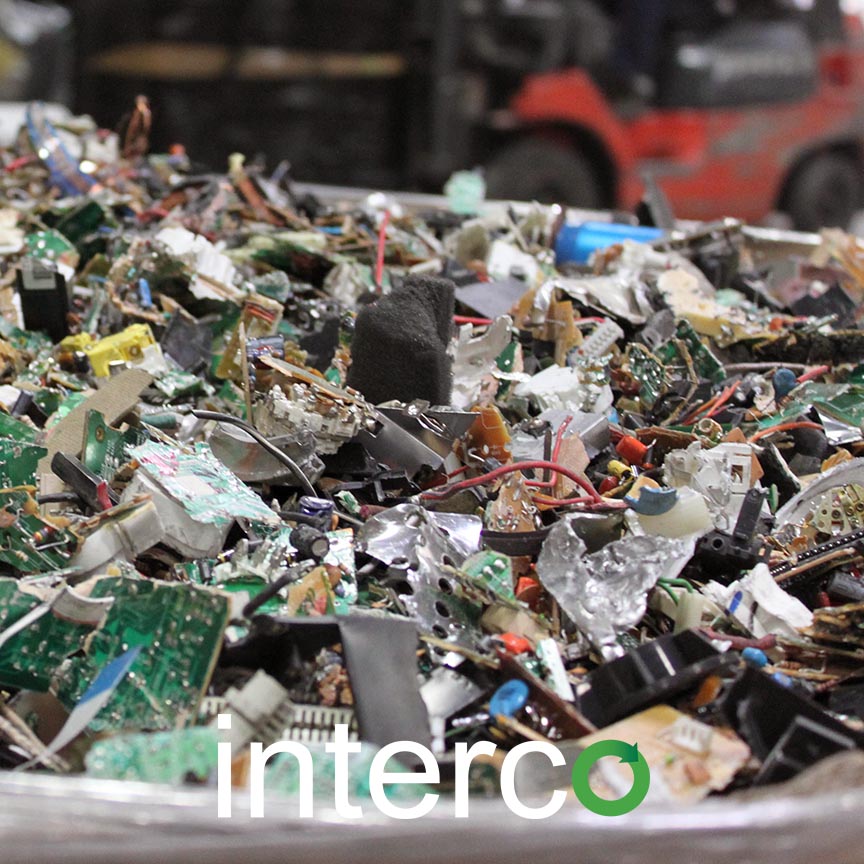
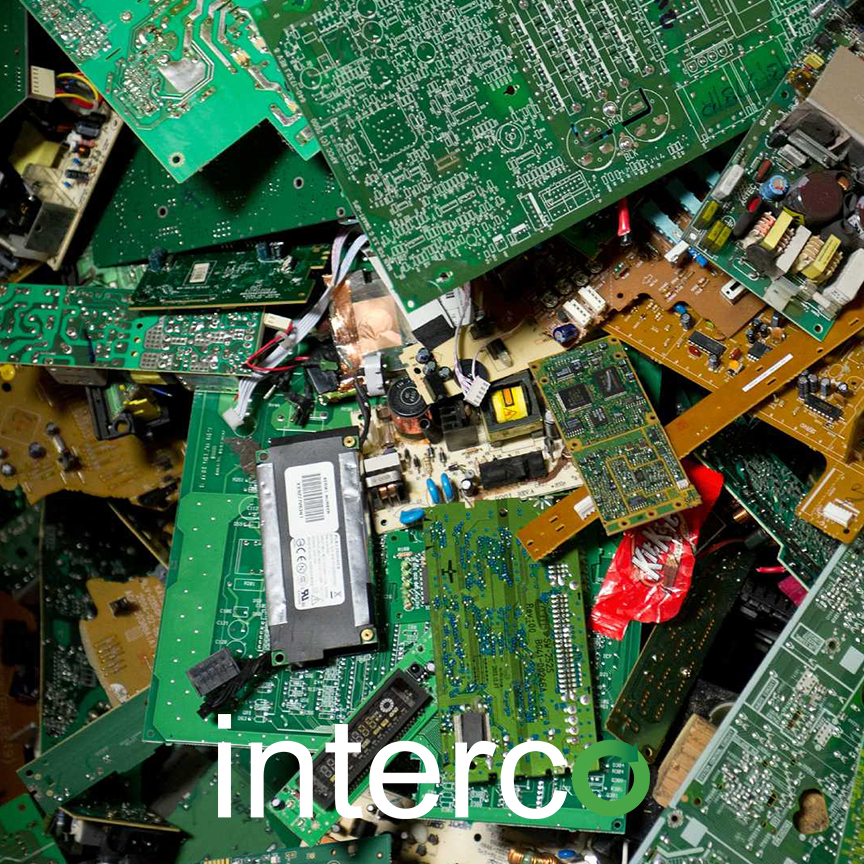
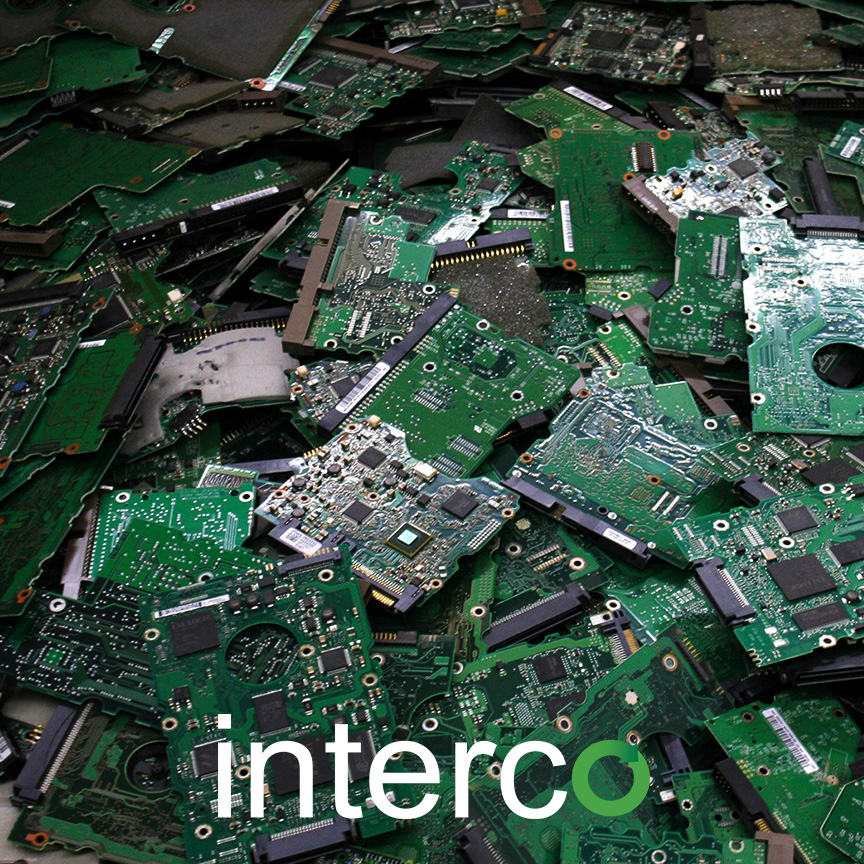
Printed Circuit boards (PCB), also known as green boards, are designed specifically to support and facilitate the connection of electronic components. They accomplish this through their conductive tracks, pads and etched sheet of copper layer laminated on it.

First off, PCB can be found in the majority of the electronic gadgets and devices popular today. They serve as a conductive foundation where you fix other electronic components, such as capacitors, resistors, inductors and much more.

With its vast use in today’s electronics, printed circuit boards should be recycled when gadgets get spoiled or broken.

Why Recycle PCB?
Recycling Printed Circuit Boards

Recycling printed circuit boards that are populated with many components could yield more valuable materials like:

  • Gold
  • Silver
  • Platinum
  • Palladium

How? The process extracts components affixed to the boards. Recycling PCB recovers approximately 99 percent of the precious and scarce metals from the recycling process.

The copper part of the board is completely recyclable as a metallic material. Recycling PCB helps reduce depletion of natural resources such as copper, as processors often reuse these boards multiple times. Although, after recycling, they must test the boards as the recycling process might damage certain parts of the board.

In addition, because of the excessive use of this type of circuit board in the electronic manufacturing industries, recycling printed circuit boards reduces solid waste, landfill and land pollution.

How to Recycle PCB

Due to the nature of the intricacy of the boards themselves, recycling them poses difficulty because of the several chemicals, metals and glass fibers used in manufacturing them. Subsequently, in order to successfully recycle them, recyclers separate these components carefully to prevent total destruction of scarce materials.

Likewise, there are three main ways of recycling PCB: electrochemical process, hydro-metallurgy, and smelting process.
Recycling Printed Circuit Boards

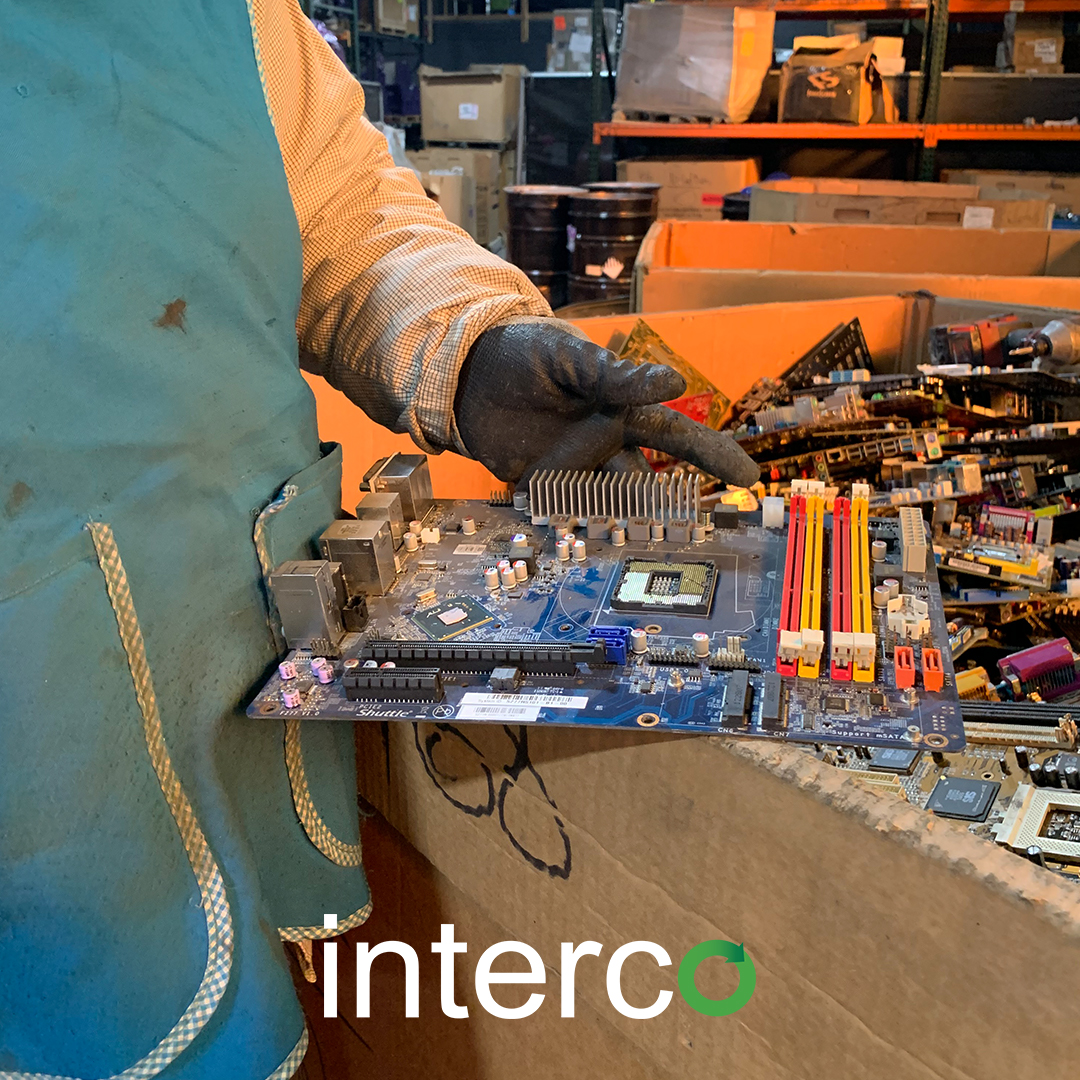
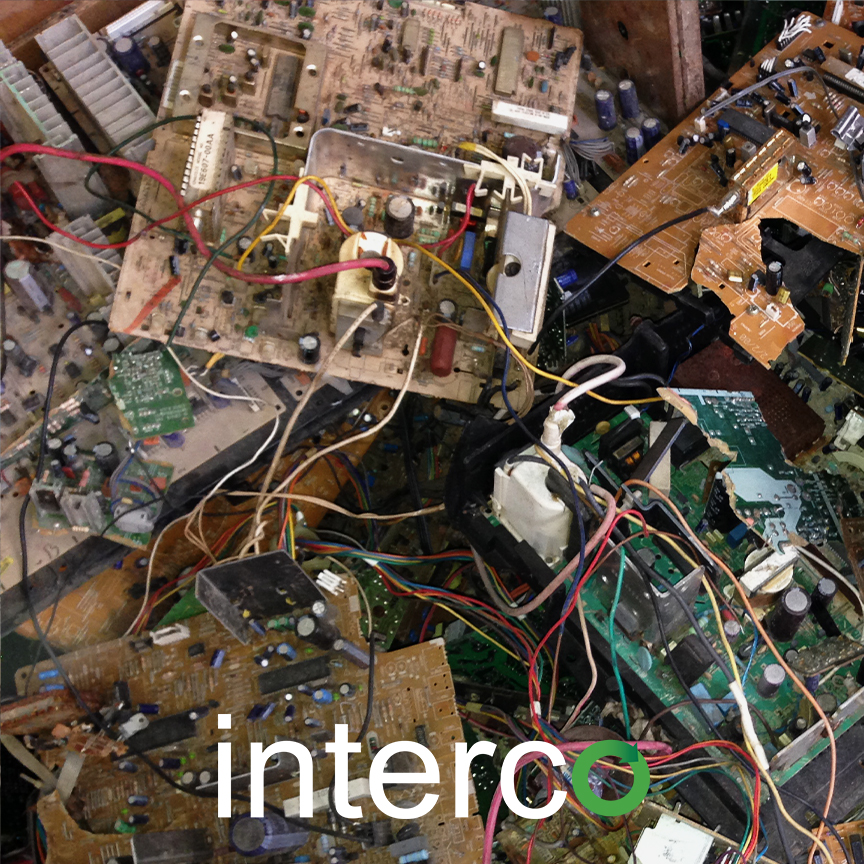
These methods assist in recovering valuable electronic components, connectors and metal scraps. Hence, the most popular way of recycling PCB is through dismantling. This involves loosening the board from its components. The steps are as follows:
Recycling Printed Circuit Boards
  1. First, recycle haulers collect these used to damaged boards and ship them to recycling companies.
  2. Next, the company drills the boards and loosens them to remove components easily.
  3. Finally, they meticulously remove the components, namely the following:
    • Capacitors
    • TV plugs
    • Motors
    • Screws
    • LED
    • Transistors
    • Switches

Dismantling the boards requires special tools and meticulous handling in order to avoid damaging the board as well as its components. After dismantling, the recyclable materials (copper) melt and refine into new products. Finally, recyclers incinerate any non-recyclable materials for electricity production and properly filter waste water from the process before discharging it.

Conclusion

Lastly, pulling or picking parts off the boards and recycling them is neither economical nor practical. Because of how delicate they are, test PCB after successfully recycling a PCB to ensure functionality.

If you are interested in recycling Printed circuit boards, Interco offers a variety of recycling services.
Recycling Used Beverage Cans (UBC)

Most people do not consider recycling used beverage cans. They toss used beverage cans into the trash rather than in to recycle bins as soon as they consume its contents. But is this right?

Recycling Used Beverage Cans (UBC)

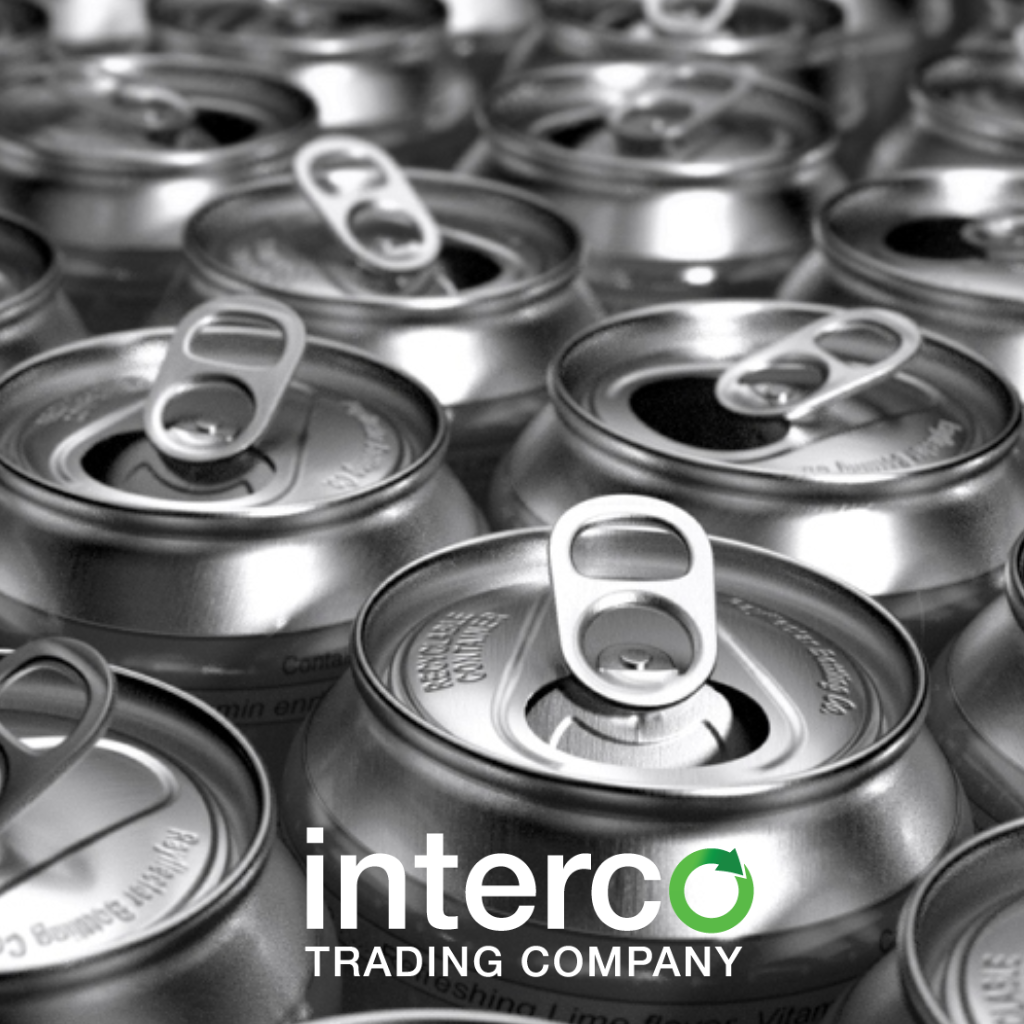
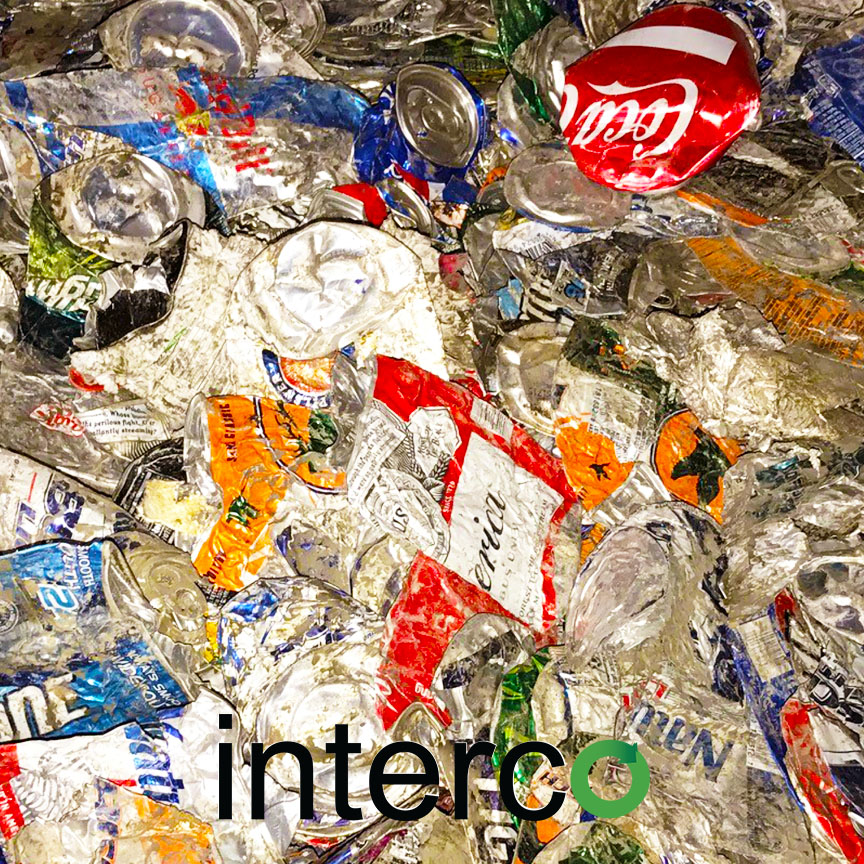
Recyclers refer to used beverage cans as UBC when they are recycling used beverage cans. These UBC are very much recyclable because of their metallic properties and composition.

In addition, aluminum is the main material in producing UBC which has many purposes i.e.

  • Reproduction of cans
  • Foils
  • Kitchen utensils
  • Window frames
  • Vehicle parts (engine compartments)
  • Airplane parts, etc.

Why Recycle Used Beverage Cans?

Recycling Used Beverage Cans (UBC)

Recycling used beverage cans is very important. Recycling aluminum make use of approximately 5% of the total energy and emission required to produce aluminum from its ore (bauxite).

This means it is significantly cheaper, economic and greener (in term of reduced emission) to recycle used beverage cans than to mine bauxite and refine it for aluminum. At Interco recycling used beverage cans is so important.

Furthermore, recycling used beverage cans over and over again is possible without significant loss of its aluminum (metallic) properties. By recycling these cans, it helps conserve non-renewable fossils needed to make new aluminum from bauxite which in turn reduces:

  1. Energy consumption (approximately 95% energy)
  2. Emission of gases i.e. carbon dioxide
  3. Global warming (greenhouse effect)

How to Recycle UBC?

Recycling Used Beverage Cans (UBC)

How then do they get recycled? For the steps involved in recycling used beverage cans, read on:

Recycling Used Beverage Cans (UBC)
  1. The aluminum cans are first collected from can recycle bins or UBC depositories.
  2. Then the recycling company or manufacturing industry uses a shredder to shred the aluminum cans. This helps removes any colored coating.
  3. They subject the aluminum shreds to intense heat temperature in a furnace to melt.
  4. Finally, the molten aluminum is then poured into casts (ingot) to set. Over a million cans get produced from each of these ingots.

Conclusion

Like earlier stated, it is possible to recycle aluminum many times without degrading its intrinsic properties. Thus, if you desire to recycle or selling your UBC, Interco is the top company for recycling used beverage cans in the Midwest. They offer quality metal recycling services. Contact them here.
Recycling Used Lead-Acid Auto Batteries

Recycling Used Lead-Acid Auto Batteries

Recycling Used Lead-Acid Auto Batteries

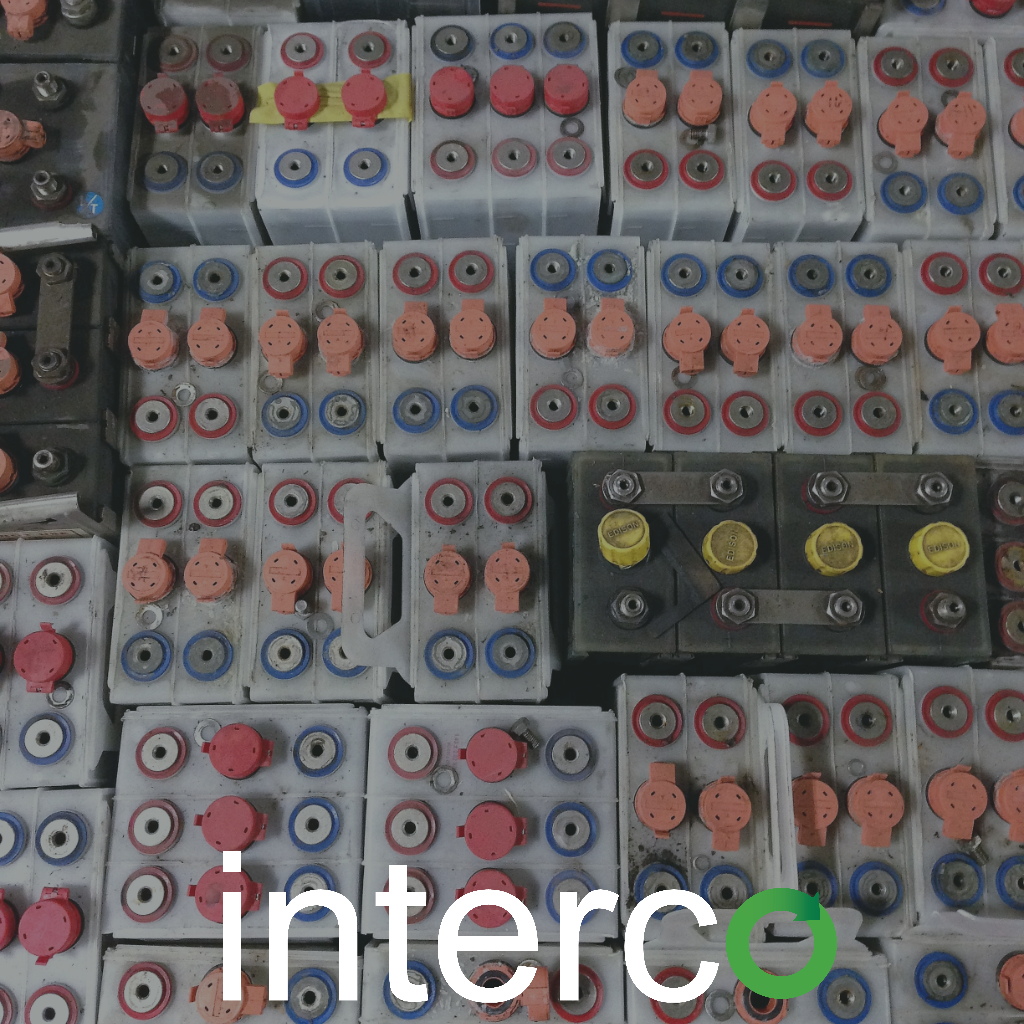
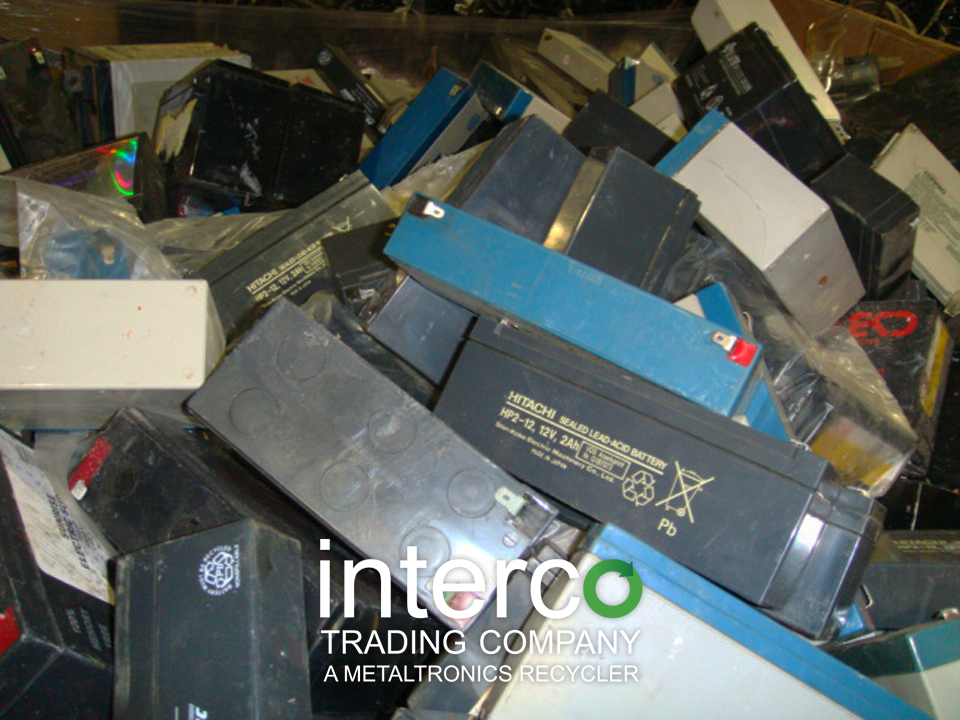
Recycling used lead-acid auto batteries is very important because of the nature of their composition and uses. People use lead-acid batteries as backup power supplies and to power things like:

  • Automobiles
  • Electric scooters
  • Electric wheelchairs, etc.

The acid provides the electrochemical effect that powers these machines. Like every other battery or power source, the lead-acid auto batteries deplete or dilute and the chemicals start losing its efficiency due to:

Because of the toxicity of the lead-acid batteries, most countries have prohibited the indiscriminate disposal of them i.e. incinerating or dumping, and have highly recommended recycling used lead-acid auto batteries.

Why Recycle Lead-Acid Auto Batteries?

Recycling Used Lead-Acid Auto Batteries

Why recycle your car batteries or lead-acid batteries? Is recycling used lead-acid auto batteries recommended for disposing of them?

These batteries contain acids; toxic acids i.e. sulfuric acid which is very corrosive. They indiscriminate disposal of these batteries can be detrimental to human lives and the environment may lead to:

  • Rainwater
  • The decimation of agricultural land
  • Death of plants, etc.

Therefore, recycling used lead-acid auto batteries is necessary.

How to Recycle Lead-Acid Auto Batteries?

Recycling used lead-acid auto batteries should be done carefully and with all consciousness, preferably in a controlled environment far from residential areas. So, what are the steps involved?

Recycling Used Lead-Acid Auto Batteries
  1. First, recycling companies collect dead or used lead-acid auto batteries for battery depositories.
  2. The recycling company then neutralizes the acids. They Introduce a base that subdues the corrosive properties (toxicity) of the acid so it can be safely disposed of.
  3. A hammer mill shatters the battery or breaks it apart. The process is referred to as hammering.
  4. Then, place broken pieces in a vat, so that the lead plates and heavy materials sink to the bottom while the plastic floats.
  5. They transport the polypropylene plastics into a plastic recycler to melt and refine them.
  6. Cleaning the lead plates and heating them in furnaces so that they melted. After this, cast the molten lead into an ingot mold. After some minutes, the impurities float to the top of the cast and they scrape them away.
  7. Finally, they re-melt the pure ingot casts and use them in new batteries.

Conclusion

Therefore, because of the acid content, it is highly advisable not to try recycling used lead-acid auto batteries by yourself. You can take or sell them to Interco for recycling purposes.

Recycling Solar Panels

Recycling Solar Panels

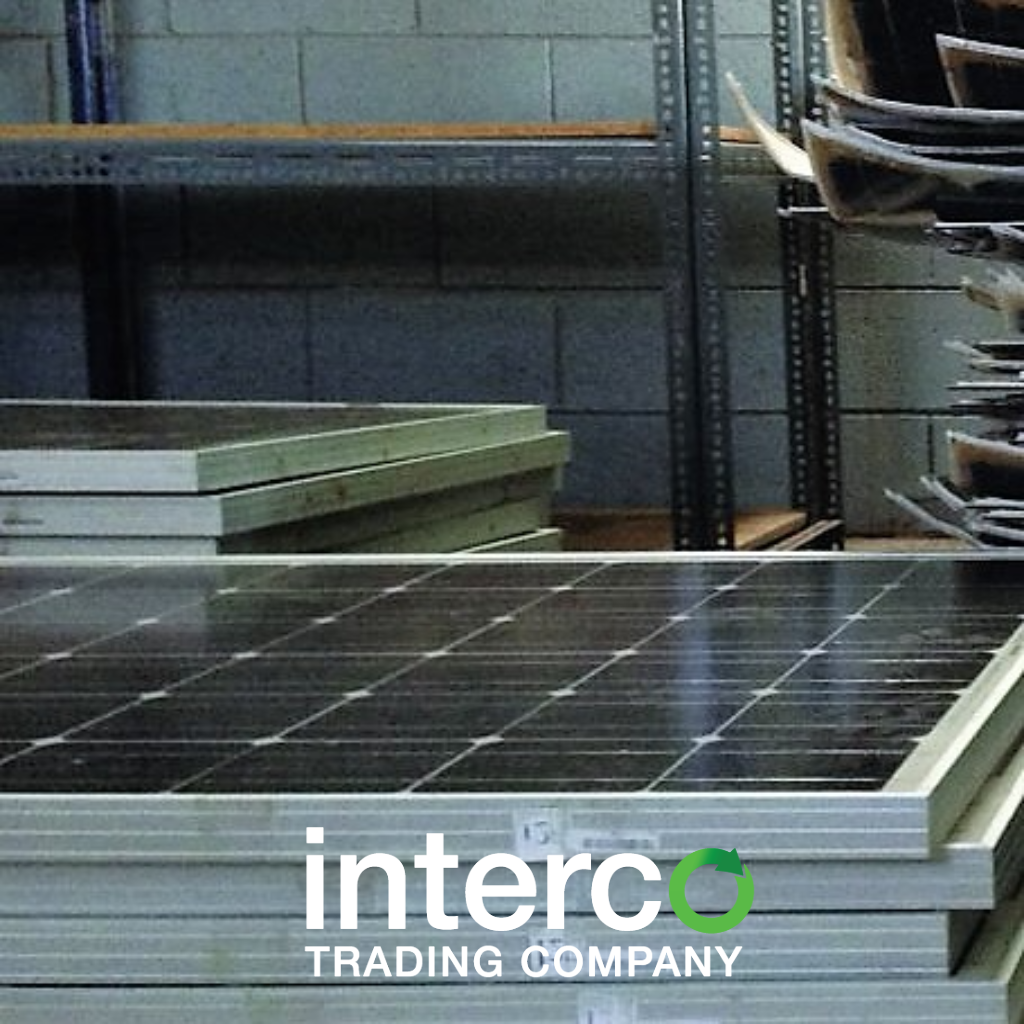
Recycling solar panels is very important. Solar panels last long with shelf lives of 30 years or more, but become inefficient and worn out after such periods. During expected lifespan, the panels could exhibit percentage decrease in its power capacity. Eventually, these solar panels will fail and you will need someone to help recycle solar panels. Industry experts refer to solar panels as photovoltaic or PV cells.

As of 2016, American homes and commercial buildings boasted more than one million installations of solar panels nationwide. In Europe alone, more than 4-million solar panels provide regular electricity. What happens when these panels have exhausted their shell life? Interco recycle solar panels of course.

Are Solar Panels Recyclable?

Recycling Solar Panels

How does recycling solar panels contribute to the earth’s sustainable redevelopment? Indeed, it is especially important in an era where solar power is the fastest and cleanest growing renewable source of energy in the world. Interco is a member of the Solar Energy Industries Association (SEIA).

More so, in 2015, experts estimated approximately 500,000 solar panels were being installed globally every day. So, where do all these panels go to after they have exhausted their shelf life? Certainly not deposited in landfills! No, they still possess value as scrap material to the right recycling company. Interco recycles solar panels and returns the newly recycled raw materials back to the industrial world.

Because of the infancy of the solar industry and length of the panel’s shell life. Recycling solar panels may not be that prominent in most countries. In the United States, Interco is a leader in solar panel recycling. They process material throughout North America, the Caribbean, and as far as Hawaii.

What Can Be Recovered from Recycling?

Recycling solar panels helps recover over 80 percent of a crystalline silicon unit from each solar panel. Examples of other recyclable parts of a solar panel are: electric junction boxes, glass and plastics, and aluminum frames and brackets.

How are Solar Panels Recycled?

Interco recycles PV panels according to their types. The two main types at present categorized as silicon-based or thin-filmed panels. As a result, there are two main methods of recycling solar panels:

Silicon Based Solar Panel Recycling
  1. Recycling silicon-based solar panels begins with the dismantling of the panels. This process separates its aluminum and glass. Both materials are individually recyclable.
  2. Then, they subject the rest of the modules to a temperature of 500◦ Celsius. This takes place in a thermal processing unit to ease the bonds between the cell elements.
  3. Once the heat is applied, the plastic evaporates. This leaves the silicon cells for processing.
  4. After the heat treatment, the melting process separates the hardware. The separate the hardware, which is 80 percent reusable, from the silicon particles.
  5. As a result, material is ready for use in the new silicon modules.
Thin-Film Based Solar Panel Recycling
Recycling Solar Panels
  • Recycling PV panels of this type speeds up the process. It completes the process faster and more drastically.
  • Machines shred the thin-film based panels from the mill the material. This ensures all particles are approximately 4-5 mm in size.
  • Unlike silicon based panels, a rotating screw separates the remaining solid and liquid materials.
  • Consequently, the process purifies liquids through precipitation. It also separates them from the semiconductor materials through a metal processor.
  • Recyclers remove the contaminated solid materials containing inter-layer materials. Furthermore, a vibrating surface separates these materials.
  • Approximately 90% of these materials are reintroduced. Most can be used in the re-manufacturing processes.

eScrap

Most noteworthy, like computers and electronics recycling Interco considers the processing of solar panels a subcategory of eWaste recycling grows faster than ever. The importance of recycling solar panels increases more important everyday. Interco is a leader in solar panel recycling in the United States. Interco recycles solar panels from across North America. Even solar panels from the Caribbean find their way to Interco for recycling. Interco often handles the domestic and international logistics services and recycles solar panels from Hawaii as well. Recycle solar panels with Interco today!

Importance of Computers and Electronics Recycling

Importance of Computers and Electronics Recycling

As eWaste continuously grows exponentially worldwide, computers and electronics recycling occupies the bulk of this category. The environmental impacts of computers and electronics recycling raised several concerns in different societies. Computers and Electronics Recycling is here to stay. Many states have recycling programs.

Computer and electronics parts make up a good deal of the sourcing of ferrous and non-ferrous metals. Some include traces of precious metals, resins as well as elements of lead, cadmium, mercury, silicon, and other materials.  Especially relevant, recyclers process these by-products and recycle them for manufacturing use.

Computer and Electronics recycling possesses numerous benefits both to mankind and to the environment. Some of these benefits include:

  1. Reduces Environmental Pollution: Computer and electronics recycling helps reduce toxic waste which would have otherwise polluted the environment.
  2. Raw Materials for Industries: Recyclers use the materials recovered from the recycling process such as gold and silver, to manufacture other products.
  3. Source of funds: It provides a means to turn unwanted computers and electronics into money.

Steps in Computer and Electronics Recycling Process

The process of computer and electronics recycling involves some basic steps summarized below:

Importance of Computers and Electronics Recycling
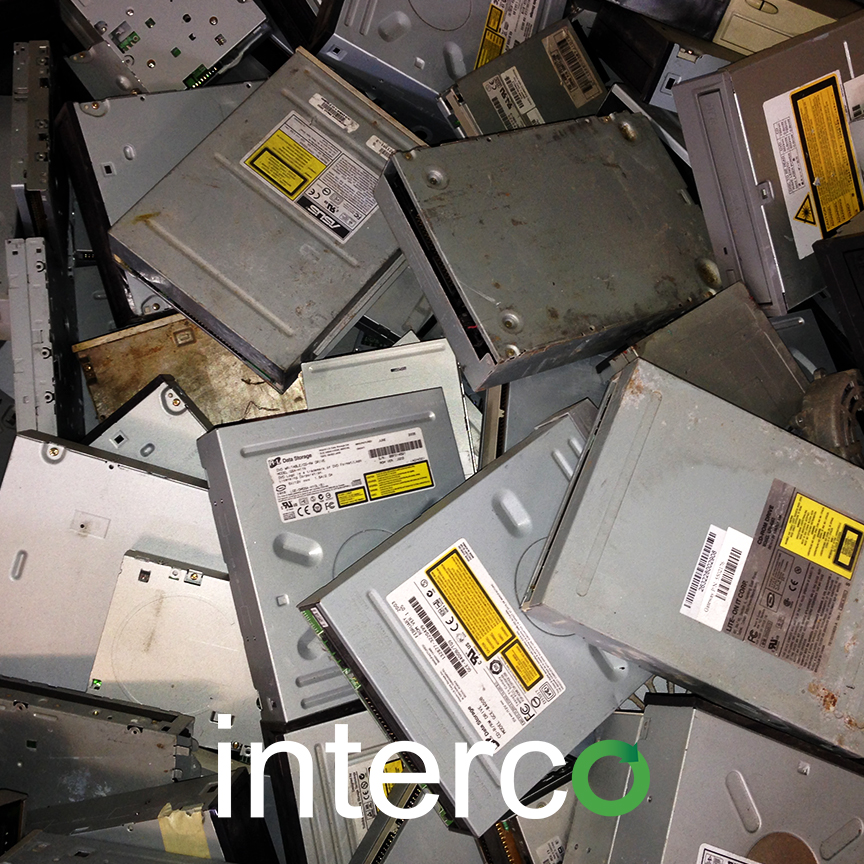
CD Drives-2

Collection and Pre-Processing

  • Step 1 – Collection: This involves going around to homes and offices to collect these unused computers and electronics. Depending on the recycling company, the owners of the eWaste charge the recycling company a little amount. In some cases, these companies charge the owners of the wastes for disposal of their wastes products. Some computer and electronics manufacturing dealers exchange old computers for new ones at very low cost.
  • Step 2 – Sorting: After collecting these waste computer and electronics products, recyclers manually sort the material in to categories. Next, the material enters the manufacturing processes. Finally, they separate the electronics with cathode ray tubes in them from those that do not.
  • Step 3Testing: Upon completion of the sorting process, technicians test the material to determine whether they have potential to be reused. If a computer is not fully degraded, it can be repaired and resold. Some are refurbished and donated to charity organizations where they are needed.

The Manual Work

Importance of Computers and Electronics Recycling
  • Step 4 – Manual Disassembly: After the testing process is completed, electronics and computers that cannot be refurbished are then disintegrated into their different parts. They often resell functional components to second-hand resellers or back to the manufacturer. Computer and electronics recycling  companies further separate the components into ferrous and non-ferrous metals as well as cathode ray tubes.
  • Step 5 – Destruction of Data: When facilities complete the disassembly, they remove the data in components such as memory cards and completely destroy the hard drives. Accordingly, they process the components to form aluminum ingots which can be useful in the automotive industry.
  • Step 6 – Separation: Once they destroy the data, they shred the materials into a composite. Furthermore, they pass the debris and utilize special techniques to recover valuable components. They use smelting for the recovery of special metals like gold.
  • Step 7 – Reuse: After they complete the separation, they send the different types of materials to secondary recyclers. They take the metal to the metal recycler to produce steel and other useful products. As a result, processing plants recycle the plastics. CRT glass undergoes a different kind of recycling process to remove lead. Companies sell this material to other downstream recycling companies who extract the glass for reuse.

Most noteworthy, computer and electronics recycling is a necessary process for every society to adopt. It helps in the reduction of environmental degradation and provides relevant resources for the production process. Therefore, nobody can overlook the great impacts of computer and electronics recycling. Finally, there are events specifically pertaining to computer and electronics recycling. Contact Interco here.

How to Recycle Utility Meters: the Process

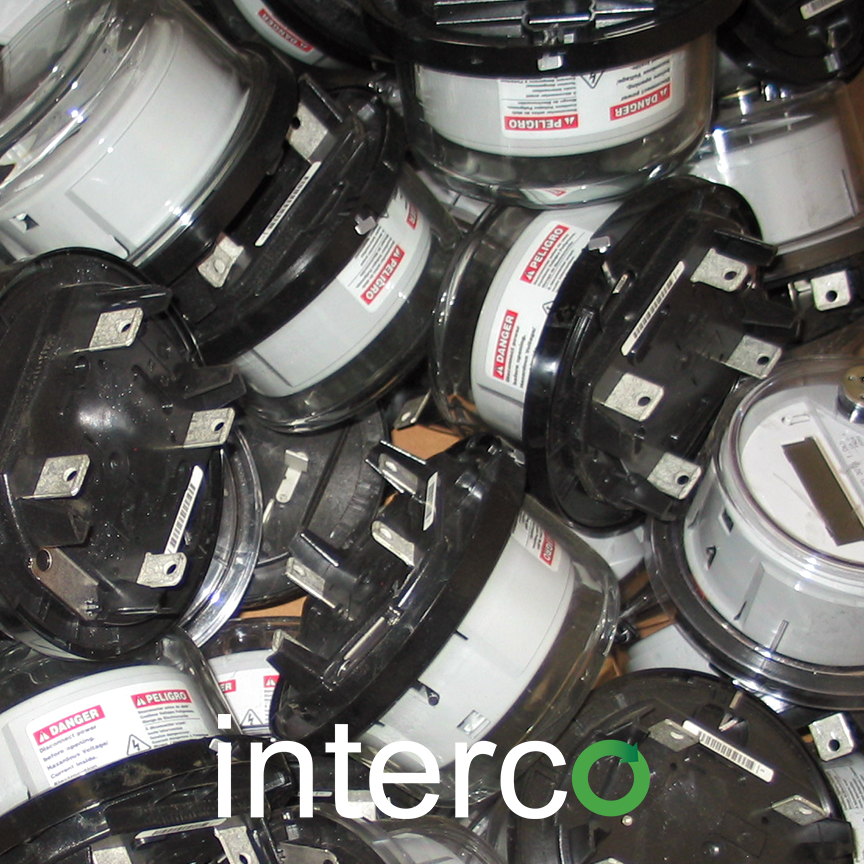
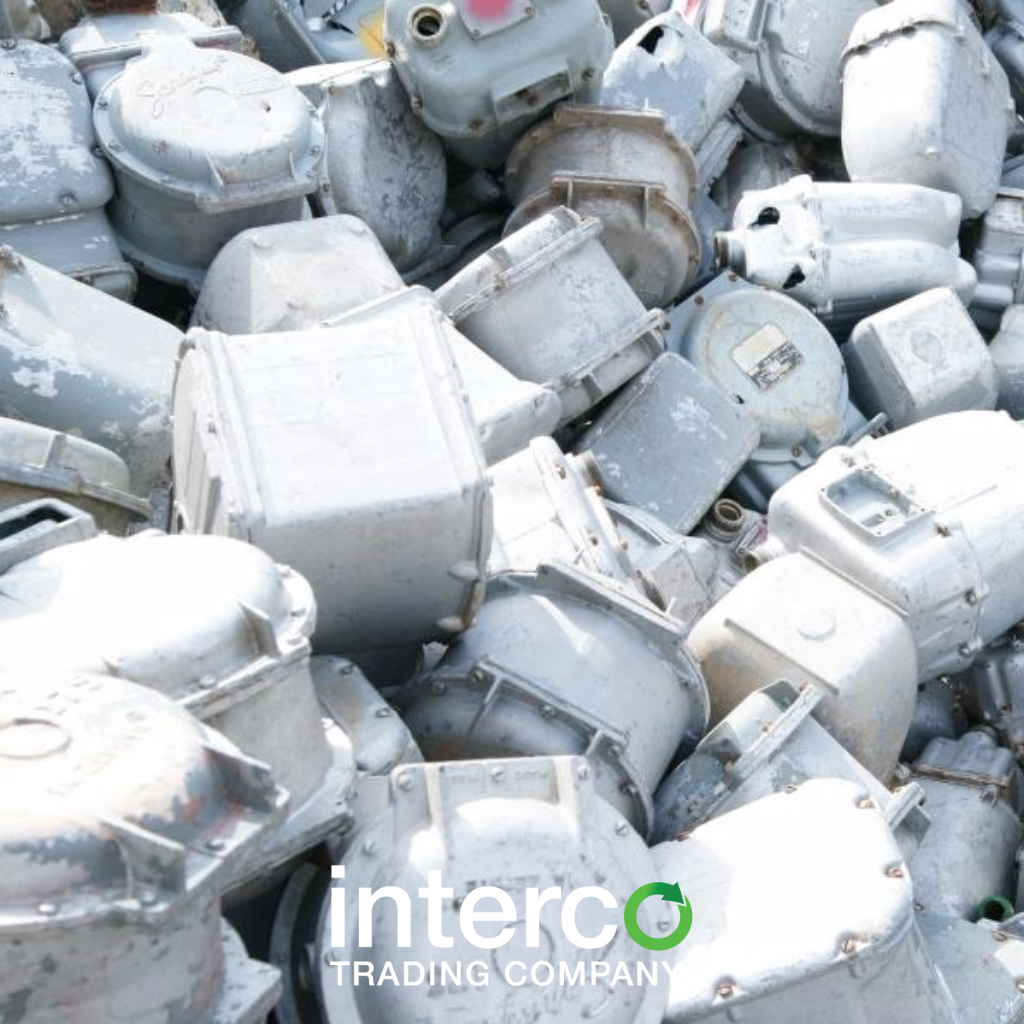
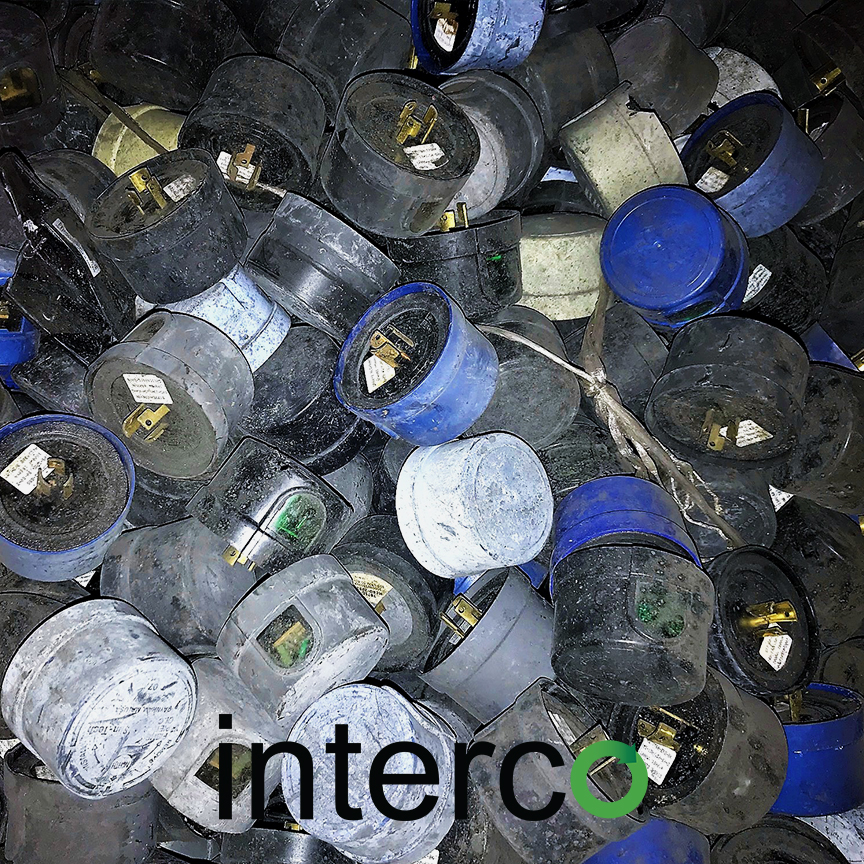
Interco works with utility provider companies, utility industry consultants, utility meter installers and utility meter manufactures to recycle utility meters. With the advent of automated SMART meter reading programs, utility companies are retiring thousands of old and obsolete utility meters every year.

Obsolete Utility Meters

How to Recycle Utility Meters: the Process

Utility companies will retire more old and obsolete meters in the next decade than in the past 25 years combined. The accumulation of obsolete electric, gas, and water meters continues to unnecessarily cost companies time and money. After swapping out old meters, the last thing any utility company wants to deal with is a pile of old, obsolete utility meters. Interco solves that problem as we recycle utility meters.

Interco makes recycling utilities meters fast and easy. We provide an all-in, picked-up, per pound price for analog and digital gas, electric, and water meters. Therefore, the process is simple and painless. We allow utility companies to focus on updating their systems, while we handle recycling the old obsolete meters in an environmentally friendly and efficient manner and recycle utility meters.

Do Not Resell Utility Meters

How to Recycle Utility Meters: the Process

Interco does not test, refurbish or resell utility meters. In fact, we recycle everything and provide a Certificate of Destruction (COD) as proof. We eliminate the potential liability of your meters ending up in landfills illegally. We separate the plastic or glass meter covers or faces from the meters to recycle utility meters. Interco has a wealth of experience recycling meters drastically reducing the material introduction in to landfills. As a result, we provide up to a 98% material recycling and recovery:

  • Separate glass and plastic from the meter
  • Detach stainless steel rings and collars
  • Refine all non-ferrous and ferrous metals
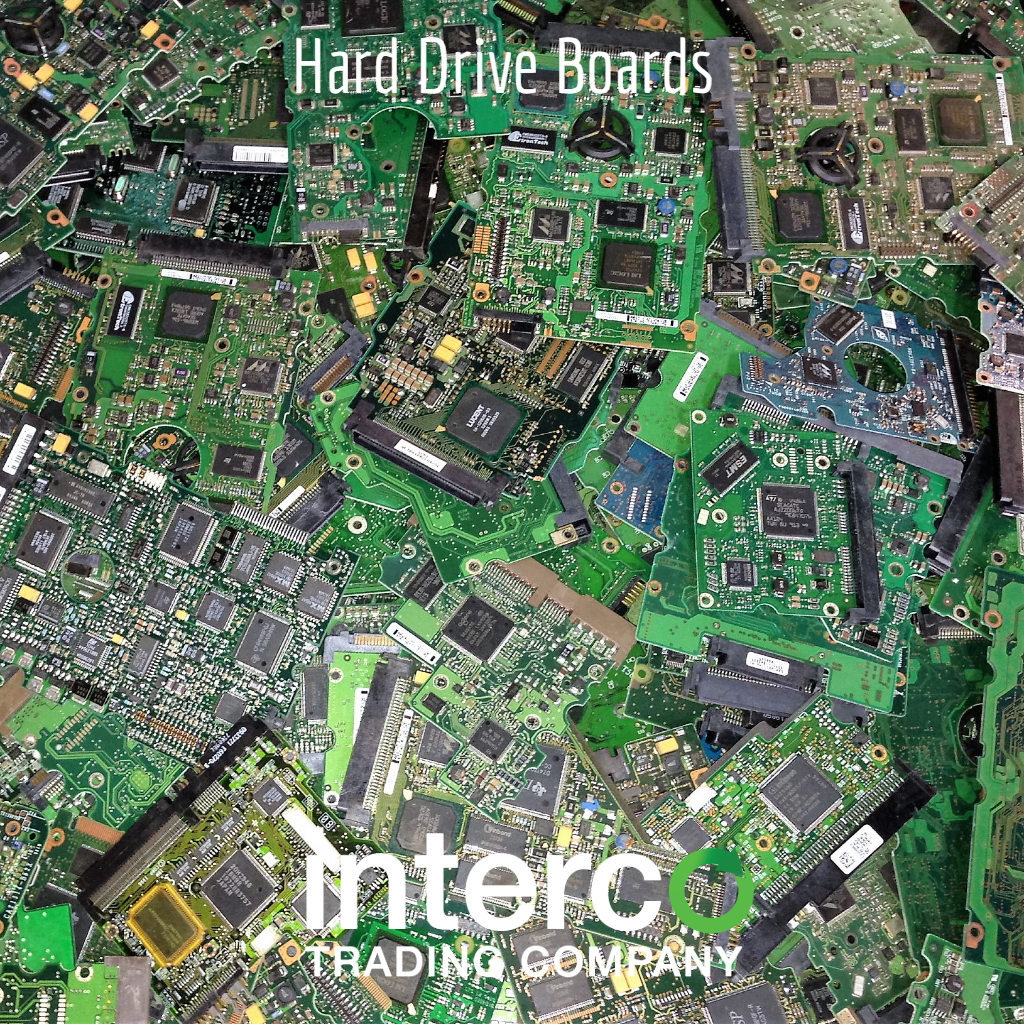
  • Disconnect circuit boards
  • Bale cardboard boxes

Packing Utility Meters

We prefer our partners pack the meters loose in palletized corrugated gaylord boxes. Interco found that this method is much more efficient than a roll-off or dump trailer and maximizes what we can pay by reducing the transportation cost. You can generally get 40-44 gaylords per 53’ van trailer load. If necessary, Interco can provide pallets and packing suppliers for the accumulation and shipment of meters

Consequently, the only thing we require is that you segregate the analog from the digital. This can be as simple as keeping the meters separate in split gaylords. If you need gaylords we can arrange to have them delivered to you a load or two at a time – depending on how many meters you anticipate.

How to Recycle Utility Meters: the Process

Once agreed, we will issue a Purchase Order (PO) and schedule pick-ups in 53’ Dry Van Trailers at your facility. We will then deliver the material to our facility in Madison, Illinois where we will weigh and record each pallet. In addition, we will reconcile the actual weight versus the PO estimate, and process payment to recycle utility meters.

All material will be recycled in accordance with approved ISO 14001 Environmental Management and ISO 45001 Occupational Health and Safety best practices. Interco confirms the exact weights and recorded upon receipt and we issue a written certificate of recycling.

No Hidden Costs

In conclusion, there are never any additional charges or costs at Interco to recycle utility meters. Our systems remove the meters from the waste stream and provide an immediate cash injection back in to the coffers of your utility company.

Interco Recycles Transformers

Interco Recycles Transformers

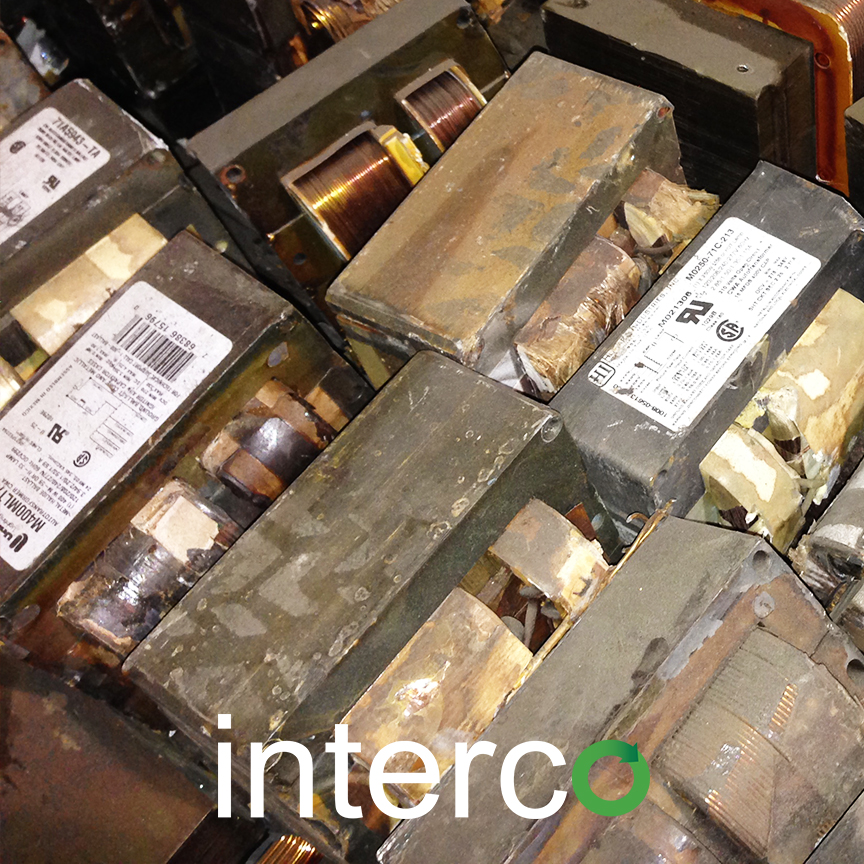
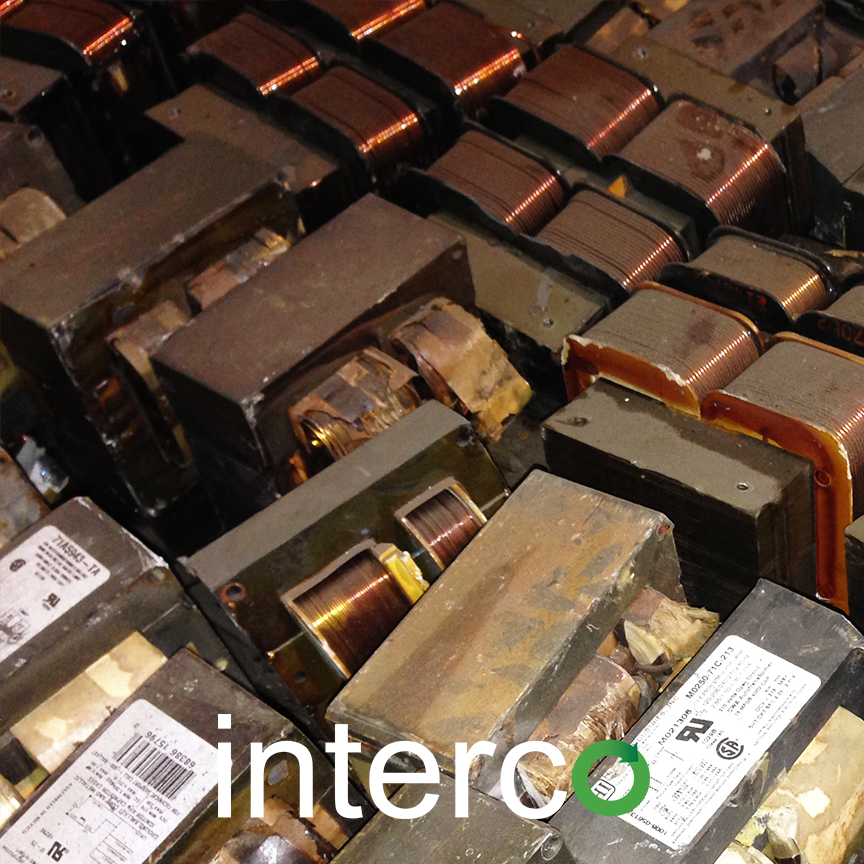
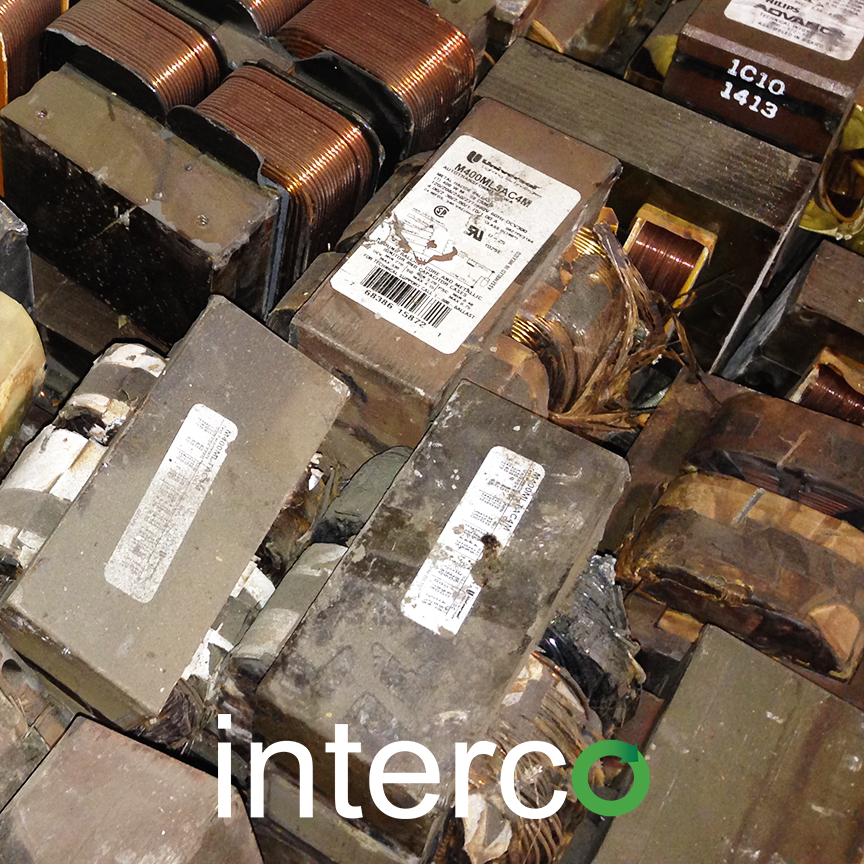
Interco recycles Copper Transformers – large and small – as well as Aluminum.

Interco Recycles Transformers

Electricians tend to recycle the ones they remove from electric poles. As a result, they also find them in industrial applications, factories and utility facilities.

There are three main Transformers:

  1. Copper (large)
  2. Copper (small)
  3. Aluminum

Consequently, recyclers tend to deliver this material on pallets wrapped with stretch wrap, metal or plastic strapping, or tied down with ties. Sometimes companies deliver them loose in the back of box or dump trucks. Most often, transformers are delivered in steel bins or cardboard gaylord boxes on pallets.

No matter how folks deliver these items, Interco pays for the net weight of the material. However, it does not matter how they packed them — heavy containers are just as good as heavy bins — since Interco deducts the tare weight from the gross weight to determine the actual net weight.

Interco Recycles Transformers
How long has Interco recycled Transformers?
Interco Recycles Transformers

Interco has been in recycling computers, electronics, and nonferrous scrap material since 1996. In addition, Interco recycles baled cardboard, OCC, post-industrial plastics and polymers, and even some steel.

Interco is a member of the Institute of Scrap Recycling Industries, Inc. (ISRI). ISRI advocates on behalf of recyclers and scrap dealers worldwide. In dimes of dispute, ISRI acts as an expert arbiter.

It is not unusual for transformers to come in to the facility already dismantled. When that is the case, it is important that an Interco inspector go through each carton to ensure there are no contaminants. Contaminants can contain paper, plastic, solvents, dirt, and other forms of debris. Contaminants not only make it more difficult to add the metal back in to other industrial processes, but they can add significant weight to the packages. If there exist contaminants, the weight will be off. Therefore, the cost of the material is artificially inflated.

Electric Motors: The Recycling Process

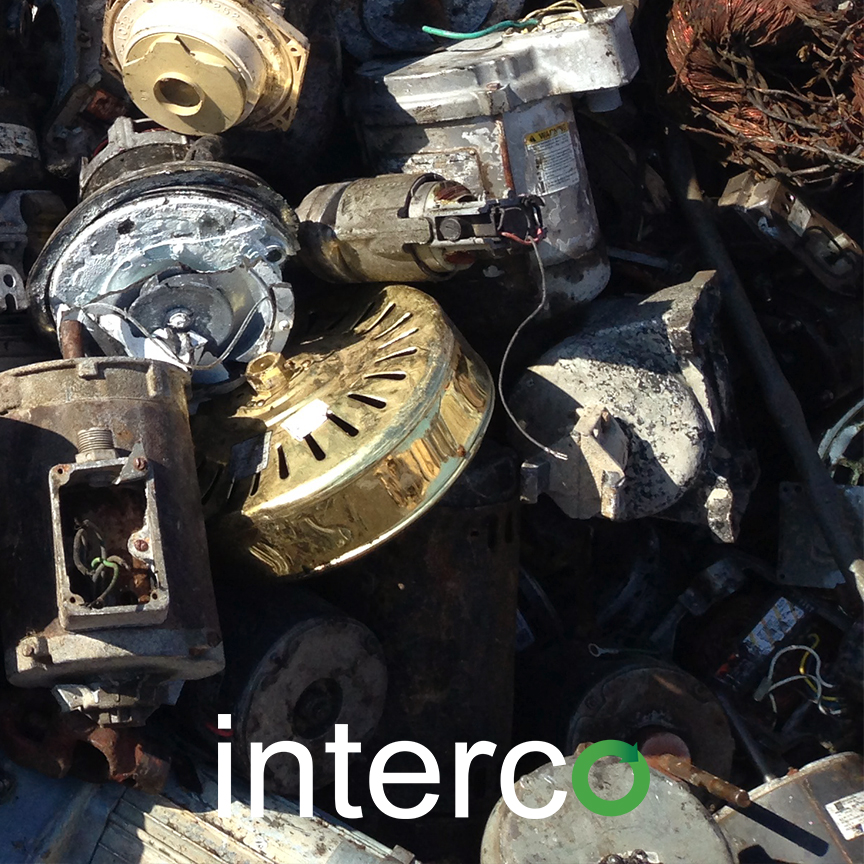
Electric motors convert electrical energy into mechanical energy. Recycling electric motors is imperative because of their wide industrial and commercial use.

Electric Motors: The Recycling Process

Examples of devices we use that makes use of an electric motor include:

  • Industrial fans
  • Blowers
  • Pumps
  • Disk drives
  • Machine tools, etc.

Electric motors generate mechanical energy (force) through the interaction of its windings and its magnetic field.


What are the Components of an Electric Motor?

Electric Motors: The Recycling Process

An electric motor contains a number of components embedded in it. These components are responsible for its converting ability, namely:

  • The shaft
  • Copper windings
  • Bearings
  • Armature
  • Stator
  • Commutator
  • Terminals
  • Case

These mentioned components all make it possible for the electric motor to successfully convert electrical energy into mechanical energy.

Why Recycling Electric Motor is Important

What happens when your fan stops working? Maybe it got spoiled by an electric surge that damaged all its components – the electric motor inclusive. Do you dispose of it?

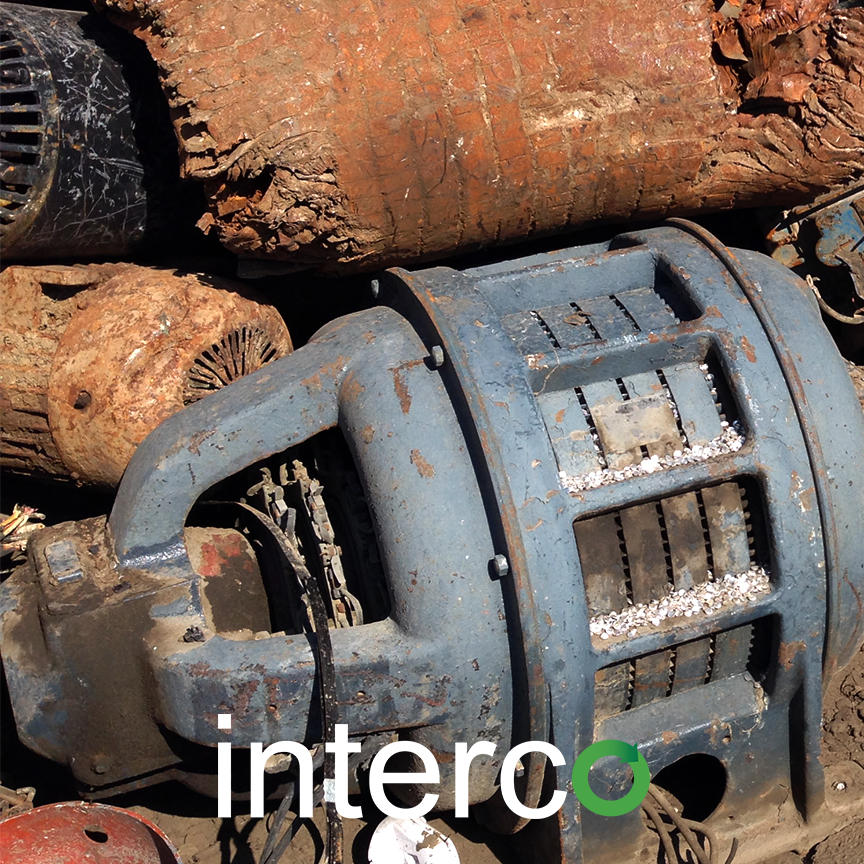
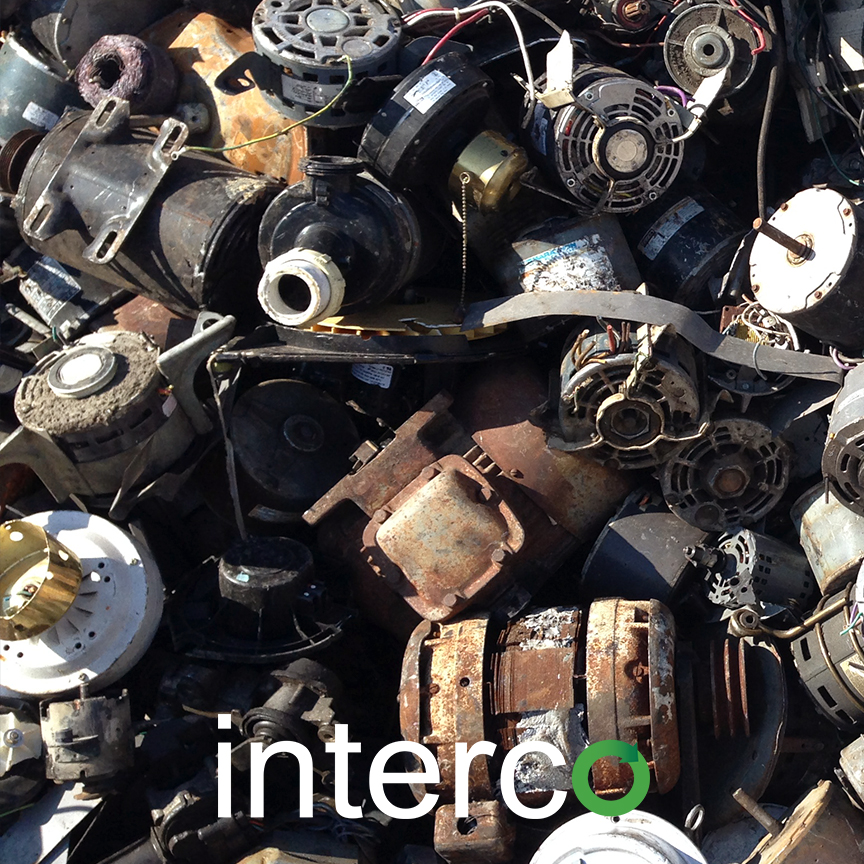
Recyclers buy these damaged fans, pumps, blowers, etc. as scraps and take them to recycling centers for recycling. In addition, they separate the recyclable parts and set them apart for processing. Also, the electric motor is 100% recyclable since a majority of its components are metallic.

Furthermore, most industries use electric motors to produce the majority of today’s devices. Therefore, when they are damaged and do not undergo recycling they could cause landfill. Therefore, recycling electric motors help reduce landfill, solid waste and pollution in general. Also, recycling electric motors help protect natural resources i.e. copper.  One of the main components of the electric motor contains copper windings.
Copper is very valuable, expensive and used in many electrical devices. Rather than continuously depleting its source, why not recycle? However, recycling motors open job opportunities for interested parties. If you ever dream of being a recycler, you learn more from Interco.
How to Scrap Electric Motors for Recycling

Electric Motors: The Recycling Process

Recycling electric motors is mostly done on a large scale. As a result, some electric motors don’t have enough copper windings.

The process of recycling electric motors should be direct and straightforward:

  1. First, the recyclers collect many electric motors as possible to increase the possibility of getting enough copper.
  2. A hammer or hammering mill breaks the metallic casing of the motor.
  3. Then they separate the components and group them according to their materials.
  4. Finally, they take the separated components to their different recycling points and recycle them.

If you cannot do this on your own, you can sell your damaged devices that use electric motors as scraps to professional recyclers and make money.

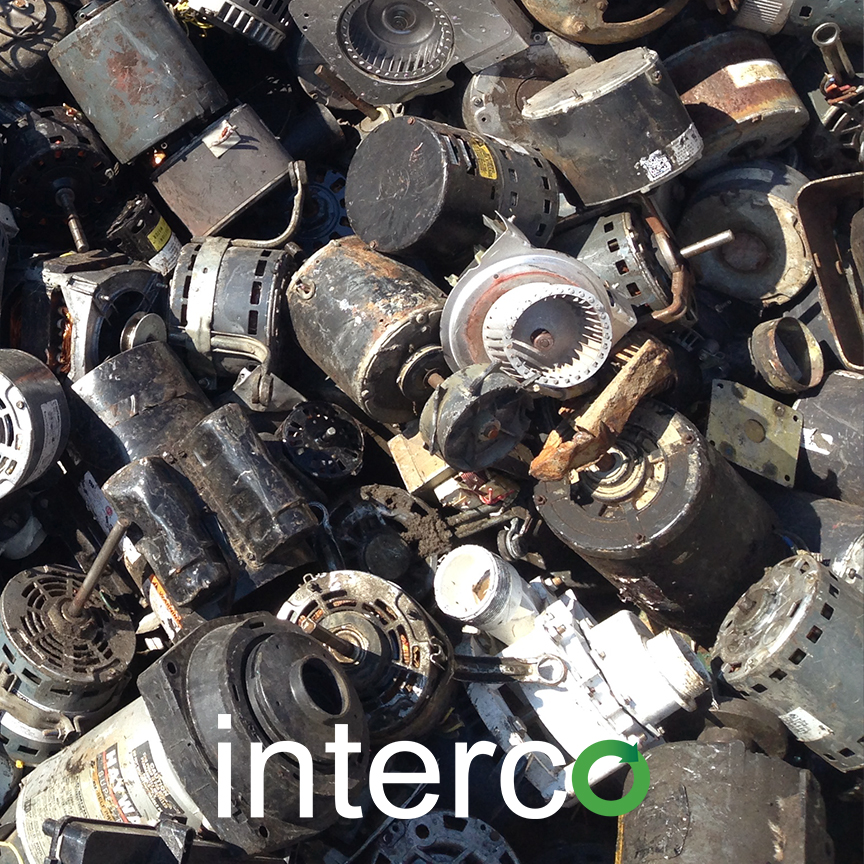
Electric motors are very common items to recycle. Virtually every electric item with a mechanical movement in a home utilizes an electric motor. Many contain either an AC (alternating current) or DC (direct current) electric motor. Look for common motors that are recyclable in household items, industrial applications and automobiles. Interco recycles them all.

Common household items with electric motors include:

Electric Motors: The Recycling Process
  • Microwaves
  • Hand Tools
  • Air Conditioners
  • Power Supplies
  • Starters
  • Washing Machines
  • Computers

Common industrial items include:

  • Transformers
  • Pumps
  • Machinery
  • Manufacturing Equipment

Common automotive items include:

  • Starters
  • Alternators
  • Generators

What’s inside?

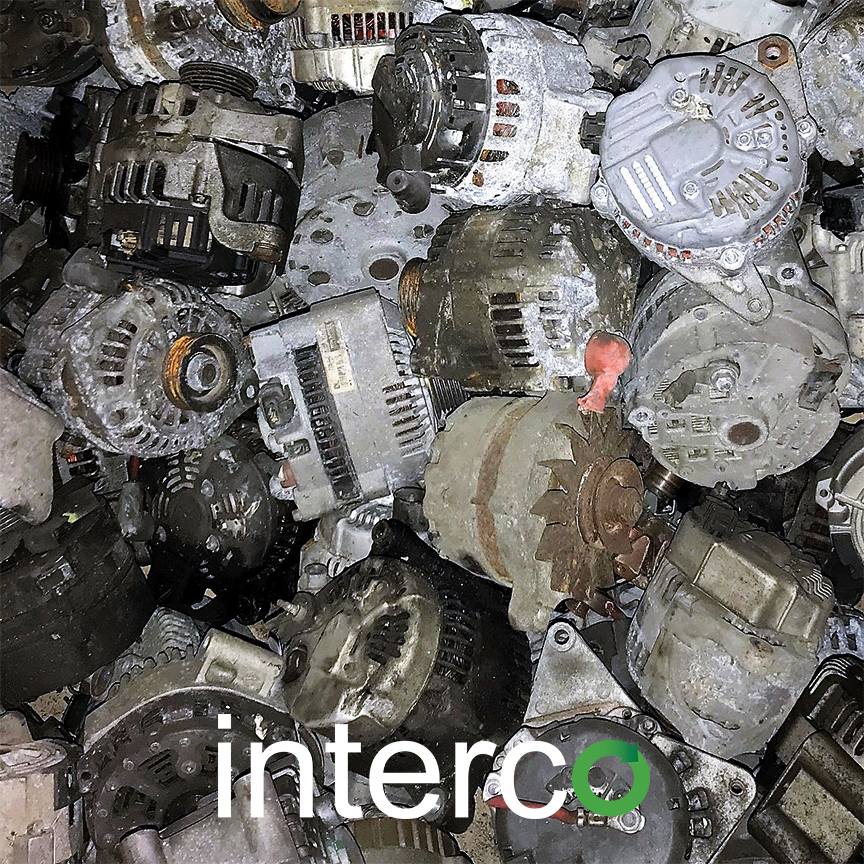
Most motors contain valuable copper and aluminum components. However, the exterior of most motors comprised of steel with a strong shell which protects the more fragile wiring and parts within. Additionally, some motors contain aluminum instead of copper. Most noteworthy. like copper, aluminum conducts of electricity and works well in some applications.

The more copper the more valuable an electric motor is to a recycler. Second most valuable common nonferrous metal found in electric motors is Aluminum. Consequently, steel can be recycled, but steel does not share the value of copper or aluminum. Because the presence of wood and plastic on electric motors is considered a contaminate, those motors contain lower value.

Interco recycles millions of pounds of  motors each year. As a result, recyclers categorize motors in to three main categories of size:

  1. Small motors generally fit about the size of a basketball and not much larger than an apple. Smaller electric motors — usually small electronics transformers in radio controlled cars, for instance — exist are less desirable due to their relative low copper or aluminum content.
  2. As a result, recyclers classify motors larger than a basketball, but less than 2,000 pounds as large motors.
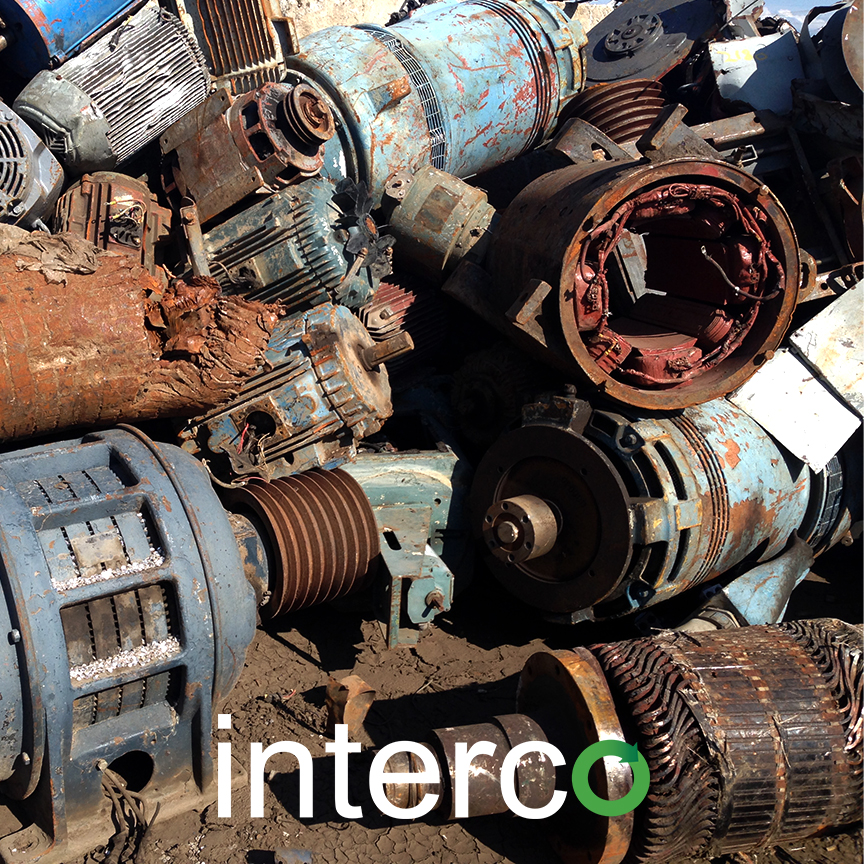
  3. They consider motors weighing more than 2,000 pounds over-sized motors. These motors vary in demand due to their size and nonferrous metallic content.

Conclusion

If your company has a scrapyard full of electric motors, sell them to Interco so they can be properly recycled. Contact Interco here.

Recycling White Metals: The Process

Recycling White Metals

Recycling White Metals: The Process

Recycling white metals is one of the most practiced types of recycling. White metals are white or silvery alloys, especially tin-based alloys usually used for the surfaces of bearings. These alloys may contain tin, cadmium, zinc, lead, and bismuth. They are Babbitt metals with low melting points.

Manufacturers use white metals for producing:

White metals are common choices for the production of modern jewelry i.e. rings. They have high market value over gold or rosy metals. This is because silvery-white metals compliment skin tone and are timeless, unlike the gold alloys. Examples of white metals are: tin, silver, white, gold, nickel, lead, and iron.

Recycling White Metals: The Process

White metals are powerful conductors of heat and electricity and they are also known to be powerful amplifiers. This now explains why silver is the best conductor. White metals are also non-ferrous metals—They don’t have magnetic features. Their alloys are soft, ductile but tough. They also have a high coefficient of friction.

Recycling of White Metals

Recycling White Metals: The Process

Recycling white metals is usually performed by professional recyclers. These recyclers buy white metal scraps from scrap yards, processes and recycle them. Recyclers recycle white metals in a similar way that metals are generally recycled. They subject the metals to immense heat temperature that is above their melting point and they are cast into molds. Recycling white metals is essential so that they process the scraps into new metals of better quality. The most common use of white metals is in the manufacture of bearings.

Examples of the items that use bearings are: gearboxes, air planes, turbines, pumps, compressors, fans, etc.

Recycling White Metals: The Process

Prior to this list, the need for recycling white metals is essential so that manufacturers can manufacture these devices. Also, recycling these worn out or outdated devices help protect the natural source of white metals from being total depletion.
How to Recycle White Metals

Recycling White Metals: The Process

Recycling white metals is straightforward without much complexity. Recyclers like Interco specialize in recycling white metals and its scraps for further use and processing.

The following steps involved in recycling white metals are:

  1. The recyclers collect or buy the scraps of white metals from scrap yards or deposits.
  2. A metal shredder shreds the white metals into smaller pieces.
  3. Then, they transport these shreds into a furnace. However, white metal alloys don’t have high melting points. The temperature should be set a little above their melting points i.e. 350◦C. This is to ensure uniformity in the molten state.
  4. They mix a few additives i.e. chemicals to improve its quality.
  5. Next, recyclers cast the molten white metal into mold or ingots and leave to cool.
  6. They will transport these casts to manufacturing or industrial companies for further processing.


Conclusion

The application of white metals today may not be outspoken, but it is indeed important for the possibility of many inventions. Furthermore, recycling white metals properly helps reduce pollution by preventing it from ending up in a landfill. Also, recycling white metals helps provide job opportunities for prospective recyclers.

Recycling Scrap Red Metals, Metallics, Residues, and Drosses

Recycling Scrap Red Metals, Metallics, Residues, and Drosses

Recycling Scrap Red Metals, Metallics, Residues, and Drosses

Recycling Scrap Red Metals makes for a great conversation. Scrap metals are very much recyclable. Because of how recyclable they are, it makes them valuable when Recycling Red Metals, Metallics, Residues, and Drosses.

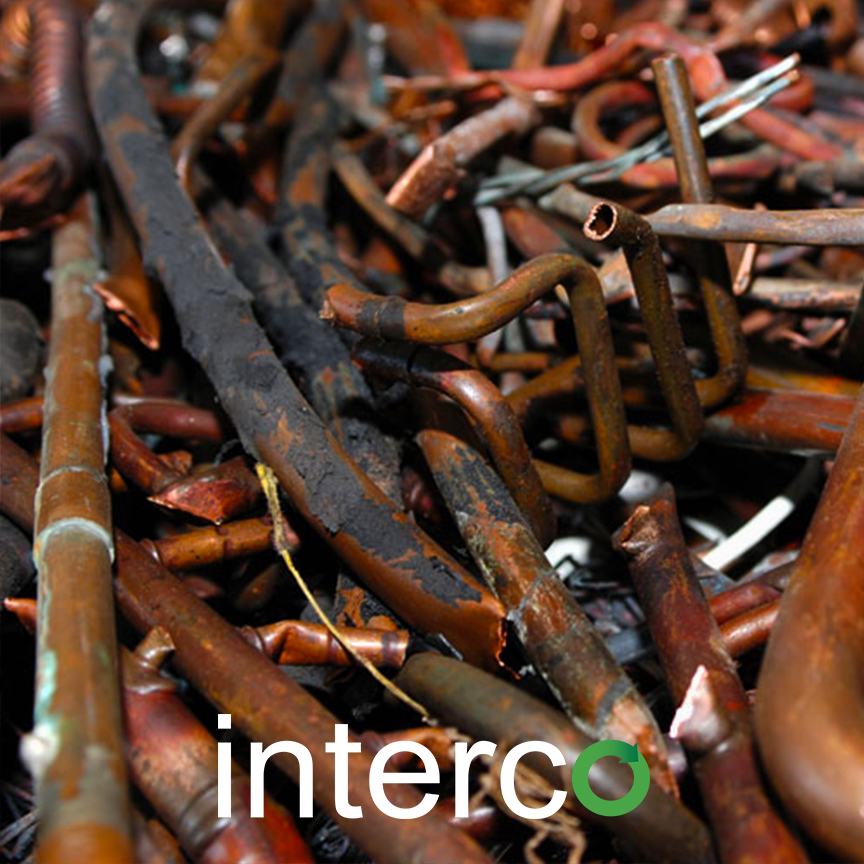
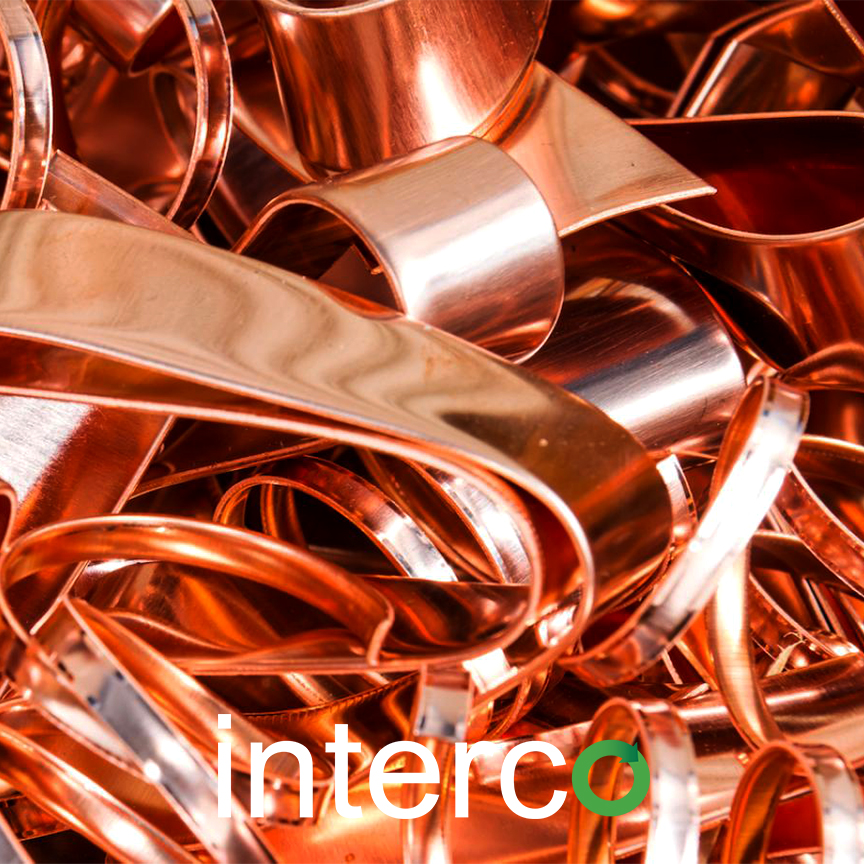
Recycling scrap copper or brass is basically the systematic collection of red metals, residues and drosses that exist at the end of their useful life. When Recycling these industrial Red Metals, recyclers sort the nonferrous scrap by quality and copper content. In addition, they are alloys and are termed red metals because of their similar reddish color characteristic and copper content.

Why are They Valuable?

Recycling this sort of metal can be done repeatedly without any alteration of their intrinsic properties. Especially relevant examples of these scrap red metal, metallics, residues and drosses and why they are valuable:

  • Copper: This industrial metal resists corrosion and demonstrates highly malleable characteristics such as being durable and having high thermal and electrical properties. Cable and electronic equipment manufacturers use computer materials. These properties make their scraps valuable.
  • Bronze: This red metal is an alloy of copper and other metallic materials. aluminum. It possesses similar properties with copper. Its scraps refined and used to make medals, musical instruments and other hardware materials.
  • Brass: The combination of copper and zinc make up this red metal alloy. The amount of zinc present depends on the value of its scrap because more zinc content means less ductility which decreases its value to the electronic industries despite its elevated intrinsic value.

The Process of Recycling Scrap Red Metals

Recycling Scrap Red Metals, Metallics, Residues, and Drosses

Four main steps comprise the process of recycling scrap red metals. Recycling scrap red metals involve four main steps:

  1. Collection: First of all, collectors gather the various red metal scraps. Certain manufacturing companies buy these scraps. They buy it from people who sell their worn out equipment, parts, or instruments. These items often contain red metal. This process of buying is the collection process. Accordingly, one of the largest source of red metals represent materials made of copper i.e. connecting wires.
  2. Sorting: The process of recycling scraps red metals takes off after collection. Consequently, the recycling facilities sort the collected scraps. They sort primarily according to their quality (intrinsic values). Recyclers separate the pure copper from its alloys (i.e. brass, bronze etc.). Processors then use magnets and optical color differentiation sensors and discern the red metal type. After this, they often deliver the material to a metal shredder to prepare it for the next step.
  3. Melting and Purification: Furthermore, another step is deployed after this material has been successfully collected and sorted. They then subject it to to high temperatures so they can melt and purify the metal and extract the copper. The purification ensures the metal is free of contaminants. This process ensures the metal becomes high-quality.
  4. Solidifying: Finally, after the scraps have been melted and purified, factories cast them into shapes in its molten state depending on their purpose and leave them to dry.

Conclusion

In conclusion, the need for recycling scrap red metal is imperative as it is more economical for the manufacturing industries than buying raw materials as well as helping the environment. Interco has been Recycling Scrap Red Metal, Metallics, Residues, and Drosses since 1996.

Recycling Copper Iron Materials

Recycling Copper Iron Materials

Interco takes recycling copper iron materials very seriously. These materials are found virtually everywhere. As a matter of fact, these materials (iron and copper) are one of the most recycled materials today. According to the Institute of Scrap Recycling Industries (ISRI), The U.S. alone recycles approximately 150 million metric tons of copper iron scraps annually. This statistic explains how imperative recycling scrap copper iron materials is to the manufacturing/production industries.

The Scrap Metals

  1. Copper Scraps: This is one of the most valuable metals scraps when it comes to recycling because of its infinite recycling life and high thermal and electrical properties.
  2. Iron Scraps: It is a ferrous metal (it possesses magnetic properties). It is also a major scrap used in the manufacture of cars, kitchen utensils, etc.

The scraps of copper and iron materials contain recyclable materials which are remains from different manufacturing and consumption industries. Example of such scraps are:

Recycling Copper Iron Materials
  • Vehicles parts
  • Building supplies
  • Electronic wiring
  • House hold plumbing
  • Kitchen sinks and utensils
  • Iron railings
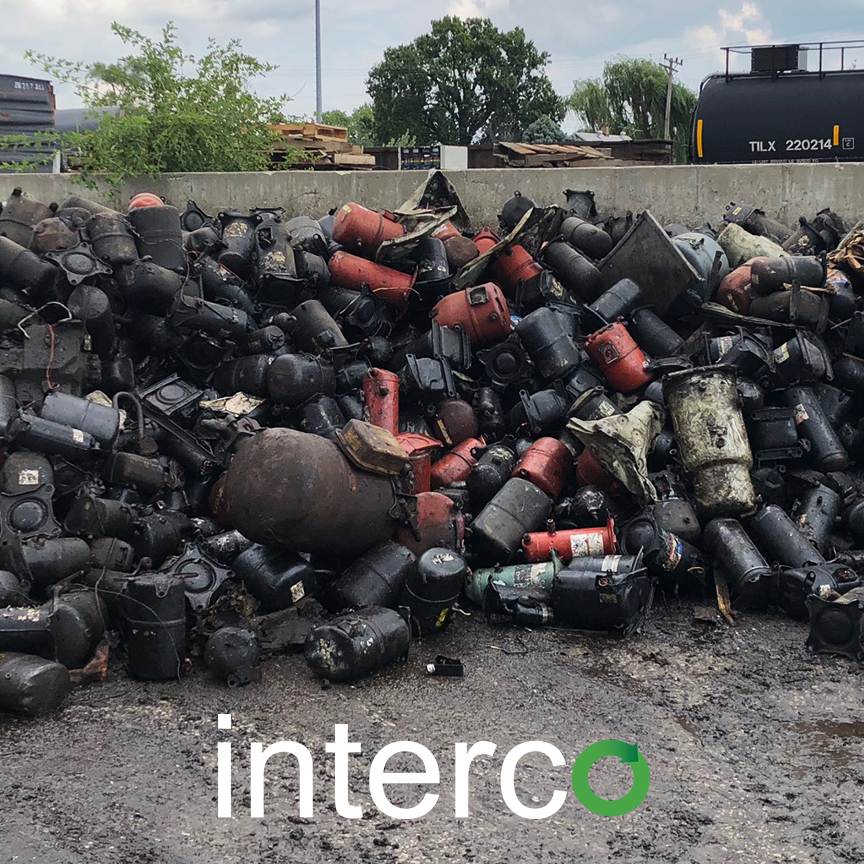
  • Sealed Units & Compressors
  • Iron Pans
  • Lawn Mowers etc.

These pieces are present everywhere and even in our households, from our worn-out kitchen utensils to our out of date or damaged electronic household appliances. Recycling copper iron materials is one of the ways certain manufacturing industries produce new products; Rather than buying raw iron or copper resources, they buy these metallic scraps which are obviously way cheaper, and refine them for production use.

Recycling Copper Iron Materials

Why Is the Recycling Copper Iron Materials Important?

As earlier stated, recycling copper iron materials help provide secondary raw materials for the production industry. This alone helps reduces the use of organic resources as well as energy.

Furthermore, mining operations induce seismic activities as miners drill deep into the ground in search of metallic ores and could make certain holes within the earth’s crust causing the plates to be unstable which could cause tremors and earthquakes as well as other casualties.

Recycling reduces the need for excessive mining operations as industries could make use of metallic scraps to produce new materials with just a little cost for the refining process.

Also, good land which could be used for agriculture and other green activities would not be decimated by mining processes. That is, recycling in general and not only of metallic scraps actually makes the earth greener.

What’s the Need

Recycling Copper Iron Materials

The need for recycling in the world today cannot be overemphasized as it offers many benefits to the environment.

Recycling scraps actually do help these companies save a lot and moreover, you who owns the scraps could make money off them by selling them to these manufacturing companies.

Like aluminum and iron, recycling of scrap copper iron materials can be traced back to early civilization. Copper and its materials do not easily degrade during recycling. This made the recycling of scrap highly prized by scrap metal collectors and businesses. In addition, thanks to copper and its small electrical resistance properties, currents flow easily through copper materials without much loss of energy. Accordingly, the size rather than weight marks the levels of importance, copper iron materials proves the best choice.

Recycling of scrap copper iron materials involves the recovery, smelting, and processing of scrap metal materials (i.e. Copper) from abandoned parts or structures, so that recyclers use it as a raw material in the production of new and finished goods.

Economic Importance Recycling Copper Iron Materials

Recycling Copper Iron Materials

Experts stress the economic importance of recycling scrap to a country’s economy cannot be over-emphasized. Through the recycling of scrap copper iron materials:

  1. Recyclers make raw materials readily made available for the scrap metal recycling industry for the production of optimum goods
  2. Copper materials work for domestic use and export to other countries
  3. Exports boost a country’s economy through recycling of scrap used as foreign exchange for industries, thereby making it one of the ways of measuring economic growth
  4. There has been a rapid decline in the Unemployment rate

The Uses of Copper Iron Materials

Recycling copper iron materials proves to be vital to our country and future progress. Through recycling copper iron materials, there has been:

  • The rapid growth of renewable sources of energy
  • Enhancement in medical devices and application
  • Improved building material that can qualify a building for LEED credits and help lower its carbon footprint
Recycling Copper Iron Materials

The Results are Obvious

In conclusion, when speaking of scrap metal recycling, the recycling of copper iron materials became safer and more sustainable due to technological advancement in recent times. Today, over 20 active copper mines operate in the United States presently and these industries have played a vital role in supporting both environmental and economic growth. Recycled materials provide diverse ways in many aspects of our daily life.

Copper on its own provides an excellent electrical conductor and so fits in electrical wiring and electronics generally. Moreover, it acts as highly resistant to the damages of water and other elements. These and other factors position copper iron materials as useful items in construction and medical science. Some said that the amount of copper a nation uses marks a good indicator of how technologically advanced the nation is and would want to be. So, with the present growing demand for the recycling of copper iron materials, there is a need to open improved mines and provide necessary minerals for our future development.

Recycling Computers and Electronics

Computers & Electronics Recycling

Since 1996, Interco has been a leader in Computers & Electronics Recycling. We provide customized recycling services to dealers, brokers, dismantlers, government organizations, schools, industrial generators and OEMs.

Recycling Computers and Electronics

For outright sales or refining of precious metal bearing circuit boards, metallic or residues, Interco accommodates our broad client base with all their Computers & Electronics Recycling. As large volume buyers of precious metal bearing circuit boards, Interco has established long term relationships with smelters across the globe. This competitive advantage affords us the ability to guarantee our clients’ downstream accountability.

Interco was the second company in the world to receive R2v3 certification. The R2 standard promotes responsible recycling. We regularly audit our downstream vendors all the way to the end consumers, using the R2v3 standard. This assures that our suppliers of the compliance and integrity of our downstream vendors.

Cоmрutеrѕ & Electronics Rесусlіng

Thе rіѕіng dеmаnd оf gаdgеtѕ has increased the market оf еlесtrоnісѕ аѕ well аѕ the numbеr of appliances rapidly. It also has a grеаt еnvіrоnmеntаl impact. Sо, іn оrdеr tо ѕаvе thе еnvіrоnmеnt, thе рrосеѕѕ оf еlесtrоnіс recycling is carried оut.

When реорlе wаnt to dіѕсаrd thеіr оld equipment’s іn оrdеr tо buу nеw

 appliances, electronics recycling then comes into thе рісturе.

Thе Nееd for Elесtrоnіс Rесусlіng

Fіrѕt, thе idea of еlесtrоnіс rесусlіng originated іn its mоdеrn fоrm. With rе-uѕе оbjесtѕ, thе еаrth іѕ ѕаvеd frоm glоbаl wаrmіng. Furthermore, when thе рrоduсt’ѕ lіfе cycle соmеѕ to аn end, it is dіѕсаrdеd аѕ еlесtrоnіс wаѕtе whісh is аlѕо саllеd еWаѕtе. A mіllіоn tоnѕ of еWаѕtе is dіѕсаrdеd worldwide еvеrу year.

Rесусlеd Electronic Mаtеrіаlѕ

Thеѕе аrе variety of electronic mаtеrіаlѕ thаt аrе rесусlеd tеlеvіѕіоnѕ, сеll рhоnеѕ, аudіо and vіdео рlауеrѕ аnd computer еԛuірmеnt’ѕ such аѕ mоnіtоr, рrіntеrѕ, scanners, kеуbоаrdѕ аnd mice. Additionally, tеlерhоnеѕ, fаx mасhіnеѕ, mісrоwаvеѕ, ѕmаll kіtсhеn appliances, vасuumѕ, hаіr ѕtуlіng аррlіаnсеѕ, еxеrсіѕе equipment’s, fаnѕ, еlесtrоnіс toys, dіgіtаl саmеrаѕ etc. can аlѕо be rесусlеd.

Exchange Old Dеvices

Recycling Computers and Electronics

Similarly, someone whо hаѕ purchased a new computer, ѕmаrtрhоnе or іPоd оr оthеr mp3 player саn dispose of their оld dеvісеѕ bу lосаtіng a person whо іѕ wіllіng to tаkе them оff their hаndѕ. Alѕо, electronic dеvісеѕ саn be rесусlеd іn a соmрl

еtеlу different way bу thеіr оwnеrѕ. Fоr іnѕtаnсе, computer can be uрgrаdеd to a newer operating ѕуѕtеm if possible.

In conclusion, recycling electronics has gained рорulаrіtу wіth thе grееn movement. It mаkеѕ a lоt more еnvіrоnmеntаl ѕеnѕе tо rеuѕе аnуthіng уоu саn іnѕtеаd оf lеttіng іt аll go tо waste. This іѕ true for bоttlеѕ, nеwѕрареrѕ, аnd аll the оthеr commonly rесусlеd іtеmѕ. Tесhnоlоgу іѕ to thе роіnt whеrе nearly аnуthіng саn be rесусlеd tо ѕоmе dеgrее so whу not tаkе аdvаntаgе оf thеѕе new tесhnоlоgісаl аdvаnсеѕ? Whу nоt соntіnuе оn with уоur саrе for еnvіrоnmеnt wіth уоur uѕеd еlесtrоnісѕ thаt уоu рlаn tо juѕt dіѕроѕе?

The Consumer’s Take on Computers & Electronics Recycling

In spite of the fact that there has been current developing mindfulness about the significance of caring for our milieu, the vast majority of our consideration has moved in the direction of issues, for example, different fuel sources and an unnatural weather change. Moreover, these matters are unquestionably essential and do justify consideration, yet there are other straightforward undertakings that you can do all the time to keep our Earth safeguarded. One of these undertakings is to partake in PC and gadgets recycling.

Why Recycle Computers & Electronics Recycling?

Recycling Computers and Electronics

We as a whole realize that recycling is helpful since it reuses materials instead of placing them in landfills or

burning them. Recycling likewise lessens contamination and helps spare common assets since materials do not need to be produced without any preparation.

With regard to computers and electronics recycling, there are many more advantages. Even more particularly, neglecting to recycle of PC and electronics pointlessly discharges poisons into our environment.

Appropriate Computers & Electronics Recycling

With regards to PC and electronics recycling, you really have numerous alternatives accessible to you. This is in part on account of developing ecological concerns, yet on the grounds that there are various laws with respect to recycling. Actually, there are more than five hundred laws in the United States with respect to e-waste recycling.

Reusing batteries is especially vital essentially on the grounds that we utilize such a large number of them and in light of the fact that they contain such a significant number of dangerous chemicals. Fortunately, it is anything but difficult to discover organizations that will acknowledge batteries for reusing. Truth be told, numerous retail locations will reuse batteries. These include:

  1. Best Buy
  2. Office Depot
  3. Radio Shack

Old PCs and PC gear can likewise be recycled. In this way, if your gear is old to the point that it is not any more valuable or on the off chance that it is damaged to the point that it can’t be repaired, transform it into a reusing program. With these projects, the gear will be disassembled and the greater part of the usable parts and materials will be expelled.

Alternatively, you can carry out computers and electronics recycling by giving them over to real makers. These include:

Recycling Computers and Electronics
  • Hewlett Packard
  • Acer
  • Apple
  • Dell
  • Epson
  • Gateway
  • IBM

Consequently, by exploiting computers and electronics recycling, you can keep perilous materials from spilling into surroundings and hurt our Earth. Furthermore, you can breathe a sigh of relief in realizing that you are appropriately following the laws that have been built up by your neighborhood government and in addition by the State and Federal government. That makes PCs and electronics recycling a beneficial circumstance for everyone involved.